
Times Square Shooting Nyc
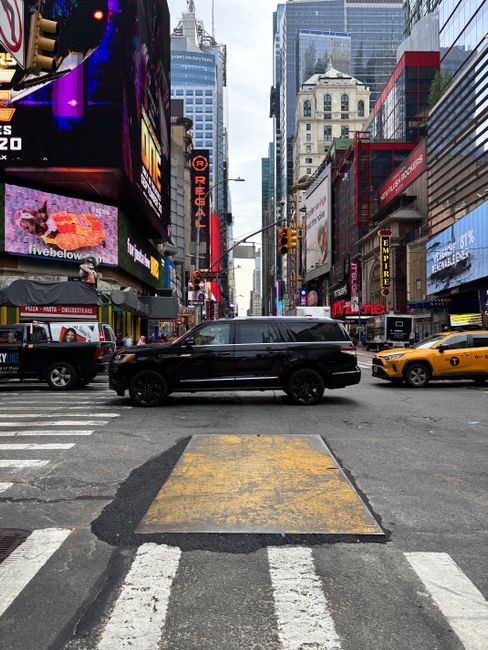
Times Square Shooting NYC: Unraveling the Incidents, Impacts, and Responses
The iconic Crossroads of the World, Times Square, has long been synonymous with vibrant energy, bustling crowds, and dazzling marquees. However, this global symbol of New York City has, at times, been marred by the stark reality of gun violence. The Times Square shooting incidents, while thankfully not a daily occurrence, represent critical moments that expose vulnerabilities, spark public concern, and necessitate robust responses from law enforcement and urban planners. Understanding these events requires a detailed examination of the incidents themselves, their multifaceted impacts, and the ongoing strategies employed to mitigate such tragedies and ensure public safety in one of the world’s most visited destinations.
One of the most significant and widely reported Times Square shootings occurred on May 21, 2021. The incident, which took place around 3 p.m. on a Saturday, sent shockwaves through the densely populated tourist hub. A dispute between individuals escalated into gunfire, striking four bystanders, including a toddler. The indiscriminate nature of the violence, impacting innocent individuals caught in the crossfire, underscored the pervasive threat of gun violence and its devastating consequences. Preliminary investigations indicated that the shooting was not an act of terrorism but rather stemmed from an altercation, highlighting the complexities of addressing the root causes of urban gun crime. The quick response of NYPD officers, who apprehended a suspect days later in Florida, demonstrated the department’s commitment to pursuing perpetrators and bringing them to justice. This incident, in particular, brought renewed attention to the ongoing debates surrounding gun control, police presence, and the challenges of maintaining order in highly trafficked public spaces. The emotional toll on victims and their families, the disruption to businesses, and the temporary erosion of the public’s sense of security are profound and long-lasting.
The impact of a Times Square shooting extends far beyond the immediate casualties. Economically, such events can have a chilling effect on tourism. Times Square relies heavily on its image as a safe and exciting destination. Reports of shootings, even isolated incidents, can deter potential visitors, leading to decreased revenue for businesses ranging from Broadway theaters and restaurants to souvenir shops and hotels. The perception of New York City as unsafe can translate into tangible financial losses, impacting livelihoods and the city’s overall economic vitality. Psychologically, these incidents create a sense of unease and vulnerability among residents and tourists alike. The very places that are meant to be symbols of celebration and entertainment become sites of fear, altering how people interact with and experience the city. This can lead to increased anxiety, a reluctance to frequent crowded areas, and a general feeling of insecurity, especially in the aftermath of a high-profile shooting.
Furthermore, Times Square shootings invariably trigger a surge in public discourse regarding public safety strategies. Law enforcement agencies, particularly the New York Police Department (NYPD), face immense pressure to demonstrate their effectiveness in preventing and responding to such incidents. This often involves increasing police presence, deploying specialized units, and enhancing surveillance capabilities. However, these measures are not without their critics, with ongoing debates about the balance between security and civil liberties, and the potential for over-policing to disproportionately affect certain communities. The incidents also fuel broader policy discussions at the city, state, and federal levels, concerning gun control legislation, mental health services, and community-based violence interruption programs. The complex web of contributing factors to gun violence means that a singular solution is rarely effective, necessitating a multi-pronged approach.
Examining historical precedents provides context for understanding the current landscape of gun violence in Times Square. While the 2021 incident garnered significant media attention, it was not the first time the iconic location had witnessed such violence. In February 2020, a shooting in Times Square injured at least three people. While the exact circumstances and motivations behind that shooting were still under investigation at the time, it served as another stark reminder of the persistent threat. Prior to that, in June 2019, a shooting injured four people, including two tourists, in the vicinity of Times Square. These recurring incidents, though separated by time and varying in their specific details, collectively paint a picture of a persistent challenge that urban centers like New York City grapple with. Each event, regardless of its scale, contributes to a cumulative impact on public perception and the ongoing efforts to enhance safety.
The NYPD’s response to Times Square shootings is typically swift and comprehensive. Following an incident, the area is immediately secured, and an intensive investigation is launched. This involves canvassing for witnesses, reviewing surveillance footage from numerous cameras that dot the landscape, and deploying a significant police presence to deter further violence and reassure the public. The department often utilizes its Counterterrorism Bureau and other specialized units to assist in investigations, especially if there is any initial suspicion of a broader threat. The rapid apprehension of suspects, as seen in the 2021 case, is a testament to the NYPD’s investigative capabilities and technological resources. However, the challenge lies not only in apprehending perpetrators after the fact but in proactive prevention.
The concept of "eyes on the street" has long been a cornerstone of urban policing and safety. In Times Square, this translates to a visible and pervasive police presence. Officers are routinely deployed in the area, often on foot or horseback, to deter criminal activity and provide a sense of security. However, the sheer volume of people in Times Square can make it challenging to effectively monitor every individual and interaction. The deployment of technology, such as advanced surveillance systems and real-time data analysis, plays an increasingly crucial role in modern policing efforts. Facial recognition technology, while controversial, is among the tools that can be employed to identify potential threats or track suspects. The ongoing debate surrounding the ethical implications and effectiveness of such technologies is a significant aspect of the discussion around public safety in densely populated areas.
Beyond direct law enforcement interventions, community-based violence interruption programs are increasingly recognized as vital components of a comprehensive strategy to reduce gun violence in urban environments. These programs often involve trained individuals who work within communities to de-escalate conflicts, mediate disputes, and connect individuals at risk of violence with social services and support systems. While Times Square itself is a tourist destination, the broader New York City context includes diverse neighborhoods that experience varying levels of gun violence. Addressing the underlying social and economic factors that contribute to violence in these communities can have a ripple effect, potentially reducing the likelihood of spillover into areas like Times Square. Partnerships between law enforcement, community organizations, and social service providers are essential for the success of these initiatives.
The role of urban planning and design in mitigating gun violence is also a critical consideration. Creating public spaces that are well-lit, have clear sightlines, and encourage positive social interaction can contribute to a safer environment. The very design of Times Square, with its pedestrian plazas and open spaces, presents both opportunities and challenges for security. While it fosters a sense of community and accessibility, it also offers vast areas where individuals can congregate, sometimes for less than peaceful purposes. Strategies such as strategically placed lighting, increased visibility of businesses and residences overlooking public areas, and the thoughtful integration of public art can all play a role in creating a more secure and inviting atmosphere.
The media’s portrayal of Times Square shootings is another factor that shapes public perception. Sensationalized reporting can amplify fear and anxiety, while comprehensive and nuanced coverage can foster a more informed understanding of the issues at hand. The constant flow of information, particularly in the age of social media, means that news of an incident can spread globally within minutes. This necessitates a responsible approach to reporting, focusing on factual information and avoiding the spread of misinformation or unsubstantiated claims. The narrative surrounding Times Square shootings often oscillates between highlighting the exceptional nature of the event and underscoring its connection to broader trends in urban violence.
In conclusion, the Times Square shooting incidents, while infrequent, serve as potent reminders of the persistent challenges of gun violence in major urban centers. The multifaceted impacts—economic, psychological, and social—necessitate a robust and adaptive response. This response encompasses not only the immediate actions of law enforcement in investigating and apprehending perpetrators but also proactive strategies that address the root causes of violence. These include enhanced police presence, the integration of advanced surveillance technologies, the development and support of community-based violence interruption programs, and thoughtful urban planning. The ongoing dialogue surrounding gun control, mental health, and community well-being remains central to the collective effort to ensure that Times Square, and indeed all public spaces, can remain vibrant, safe, and welcoming for all. The commitment to understanding these incidents in their full complexity, from the immediate aftermath to the long-term societal implications, is paramount in the ongoing pursuit of a safer New York City.
