Travelodge Appoints Former TUI Executive Peter Krueger as New CEO Amid Falling Earnings and Rising Financial Pressures

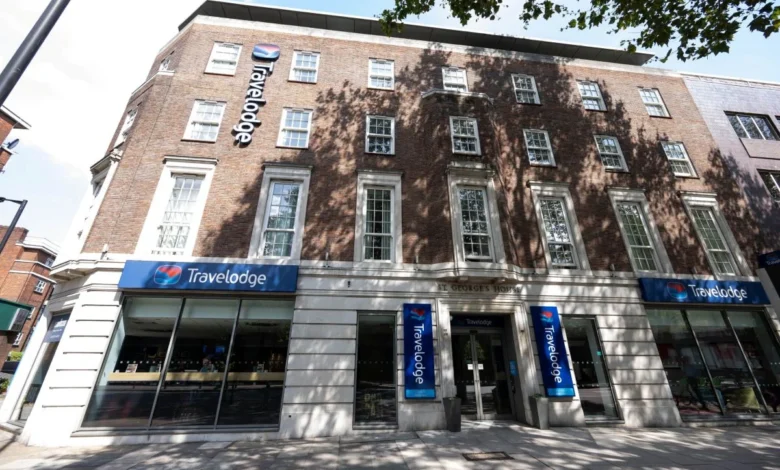
The leadership transition at Travelodge marks a critical turning point for one of the United Kingdom’s most prominent budget accommodation providers. On Thursday, the company announced the appointment of Peter Krueger as its new Chief Executive Officer, a move that coincides with the release of financial results indicating a contraction in quarterly earnings. Krueger, a seasoned corporate executive with a robust background in both travel-sector operations and high-level finance, steps into the role facing a formidable array of operational, cultural, and financial headwinds.
Krueger assumes leadership immediately, taking over from interim CEO and Chief Financial Officer Ray Reidy, who stepped into the top executive slot following the abrupt departure of former CEO Jo Boydell in August. Boydell’s exit followed intense scrutiny surrounding the company’s handling of a serious criminal incident at a Travelodge property and its subsequent response to the victim’s grievances. Beyond repairing organizational culture and restoring public trust, Krueger must navigate a complex economic landscape characterized by escalating operational costs, margin compression, and a looming corporate debt maturity schedule beginning in 2027.
The convergence of executive restructuring, declining profitability, and legacy governance challenges creates a high-stakes environment for Krueger. Known for his analytical rigor and extensive restructuring experience, the newly minted CEO will need to deploy every tool acquired during his tenure as an investment banker and a senior executive at European travel giant TUI AG to stabilize and reposition the budget hotel chain.
From Investment Banking to Travel Industry Leadership
Peter Krueger’s professional trajectory uniquely positions him to address the multifaceted challenges currently facing Travelodge. Before entering the operational side of the travel and tourism sector, Krueger spent thirteen years within the rigorous corridors of Deutsche Bank’s investment banking division. During this decade-plus tenure, he specialized in corporate finance, mergers and acquisitions, and strategic restructuring, developing a deep fluency in capital markets and debt management—skills that will be immediately applicable to Travelodge’s upcoming financial obligations.
In recent years, Krueger transitioned from financial advisory to operational leadership within the tourism industry. Most recently, he served as the CEO of the Holiday Experiences segment at TUI AG, one of the world’s leading travel and leisure conglomerates. In that capacity, he maintained direct oversight of TUI’s vast portfolio of owned and operated hotels, cruise lines, and destination excursion businesses. His stewardship of TUI’s high-margin lifestyle and asset-heavy portfolios demonstrated a capacity to manage complex, geographically diverse operations under shifting macroeconomic conditions.
Industry analysts note that Krueger’s dual expertise in corporate finance and large-scale tourism operations makes him a logical choice for Travelodge’s private equity owners. The company, which operates hundreds of properties across the United Kingdom, Ireland, and Spain, requires a leader capable of balancing aggressive cost management with strategic top-line growth while maintaining rigorous standards of corporate governance and property safety.
Financial Realities and Third-Quarter Earnings Contraction
The announcement of Krueger’s appointment was delivered alongside Travelodge’s third-quarter financial performance indicators, which revealed a notable softening in earnings. While the budget hotel sector has historically demonstrated resilience during periods of economic uncertainty—often benefiting from a downward shift in consumer travel preferences as holidaymakers seek more economical accommodation options—Travelodge has not been immune to broader macroeconomic pressures.
Inflationary cost pressures have exerted significant weight on the company’s operating margins. Rising utility tariffs, escalating property maintenance expenses, and wage growth driven by statutory increases in the UK National Living Wage have collectively driven up the cost of room delivery. At the same time, consumer discretionary spending has faced constraints, limiting Travelodge’s pricing power and restricting its ability to fully pass rising costs on to the end consumer without impacting occupancy rates.
Compounding these operational margin pressures is a capital structure that requires careful navigation. Travelodge carries a substantial debt load, a portion of which is scheduled to mature beginning in 2027. In the current interest rate environment, refinancing legacy debt represents a critical hurdle. Krueger’s background in debt capital markets and corporate restructuring will be central to formulating a viable refinancing strategy well in advance of these maturity dates, ensuring the company maintains sufficient liquidity to fund ongoing property renovations, digital infrastructure upgrades, and expansion initiatives.
The Catalyst for Leadership Change: The Departure of Jo Boydell
Krueger succeeds Jo Boydell, whose tenure as CEO came to an abrupt end in August. Boydell’s resignation was the direct result of mounting fallout from a severe institutional failure stemming from a December 2022 sexual assault incident at a Travelodge property. Public outcry and internal investigations focused not only on the criminal act itself—perpetrated on company premises—but critically on the corporate headquarters’ handling of the victim’s subsequent complaints, support mechanisms, and internal reporting protocols.
The incident exposed significant vulnerabilities in Travelodge’s customer service escalation pathways, crisis communication protocols, and staff safeguarding training. As public scrutiny intensified and consumer advocacy groups demanded accountability, the company’s governance structures faced unprecedented pressure. Boydell’s departure was widely interpreted by market observers as an essential step for the board to signal a definitive break from past governance failures and to initiate a comprehensive cultural overhaul.
In the wake of Boydell’s resignation, CFO Ray Reidy stepped in as interim CEO, maintaining day-to-day operational stability while the board conducted an exhaustive global search for a permanent successor. Reidy will now return to his primary responsibilities as Chief Financial Officer under Krueger’s leadership. However, financial stability within the executive suite remains an ongoing project; Reidy has informed the Travelodge board of directors of his intention to formally retire in fiscal year 2027. Consequently, the company faces the dual challenge of executing an immediate operational turnaround while simultaneously initiating a long-term succession plan for the finance function.
Chronology of Key Events
Understanding the current trajectory of Travelodge requires examining the sequence of operational, legal, and executive milestones that have shaped the company over the past four years:
December 2022: A serious criminal offense—specifically, a sexual assault—occurs at a Travelodge hotel property, highlighting vulnerabilities in guest safety and security enforcement.
2023: Internal and external reviews scrutinize Travelodge’s corporate response to the victim’s formal complaints, revealing systemic shortcomings in the company’s incident escalation procedures and safeguarding protocols.
August 2024: Amid escalating public pressure and governance concerns related to the handling of the 2022 incident, Chief Executive Officer Jo Boydell resigns from her post. Chief Financial Officer Ray Reidy is appointed interim CEO while retaining his CFO responsibilities, and the board initiates a search for a permanent executive leader.
Late 2024 to Mid-2025: The interim leadership team implements initial corrective actions, enhancing staff training regarding safeguarding, revising customer relations escalation frameworks, and attempting to stabilize operational margins amidst rising inflationary pressures.
November 2026: Travelodge announces the formal appointment of former TUI AG executive and investment banker Peter Krueger as its new Chief Executive Officer, concurrent with the release of third-quarter financial results showing a contraction in earnings. Ray Reidy transitions back to his sole focus as CFO, with planned retirement slated for FY2027.
Broader Implications and Strategic Challenges for the New CEO
Krueger’s arrival at Travelodge initiates a critical chapter for the budget hospitality brand. The implications of his appointment extend across several operational and strategic dimensions:
First, restoring and hardening brand trust remains the most urgent non-financial priority. Corporate governance experts emphasize that winning back consumer confidence requires more than a change at the top; it demands transparent, measurable reforms in property security, staff vetting, and victim support frameworks. Krueger must ensure that safety is embedded into every layer of the organizational culture, from corporate headquarters to individual franchise and managed properties.
Second, the operational efficiency of Travelodge’s estate must be optimized. With rising input costs eroding profit margins, Krueger will likely evaluate the efficiency of the property portfolio, examining opportunities for energy-efficiency retrofits to lower utility expenditures, streamlining housekeeping logistics, and accelerating the rollout of automated check-in and digital room-key technologies to reduce labor dependency.
Third, managing the looming 2027 debt wall will test Krueger’s investment banking acumen. In an era where central banks have recalibrated monetary policy, maintaining a pristine balance sheet and demonstrating consistent operational cash flow are prerequisites for favorable debt refinancing terms. Krueger’s financial engineering background will be vital in structuring a sustainable capital plan that reassures lenders, private equity stakeholders, and bondholders alike.
Finally, Travelodge operates in an increasingly competitive UK budget segment, contending with aggressive expansion from international brands such as Premier Inn (owned by Whitbread), easyHotel, and various independent budget operators. To maintain its market share, the company must balance aggressive cost discipline with targeted investments in room design and digital distribution channels.
As Peter Krueger assumes the reins at Travelodge, stakeholders across the hospitality industry will be watching closely to see whether his blend of financial engineering and tourism sector operations can successfully steer the company through its current convergence of fiscal and cultural challenges.
Related posts: