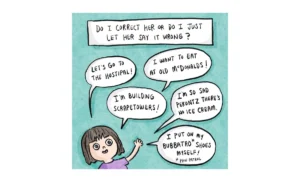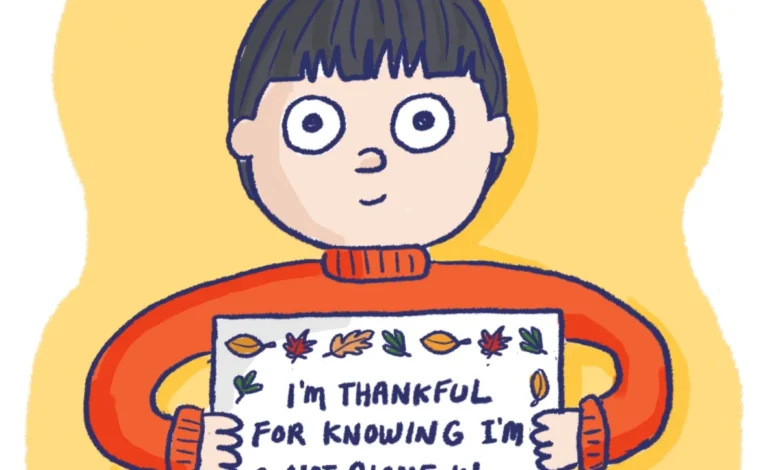
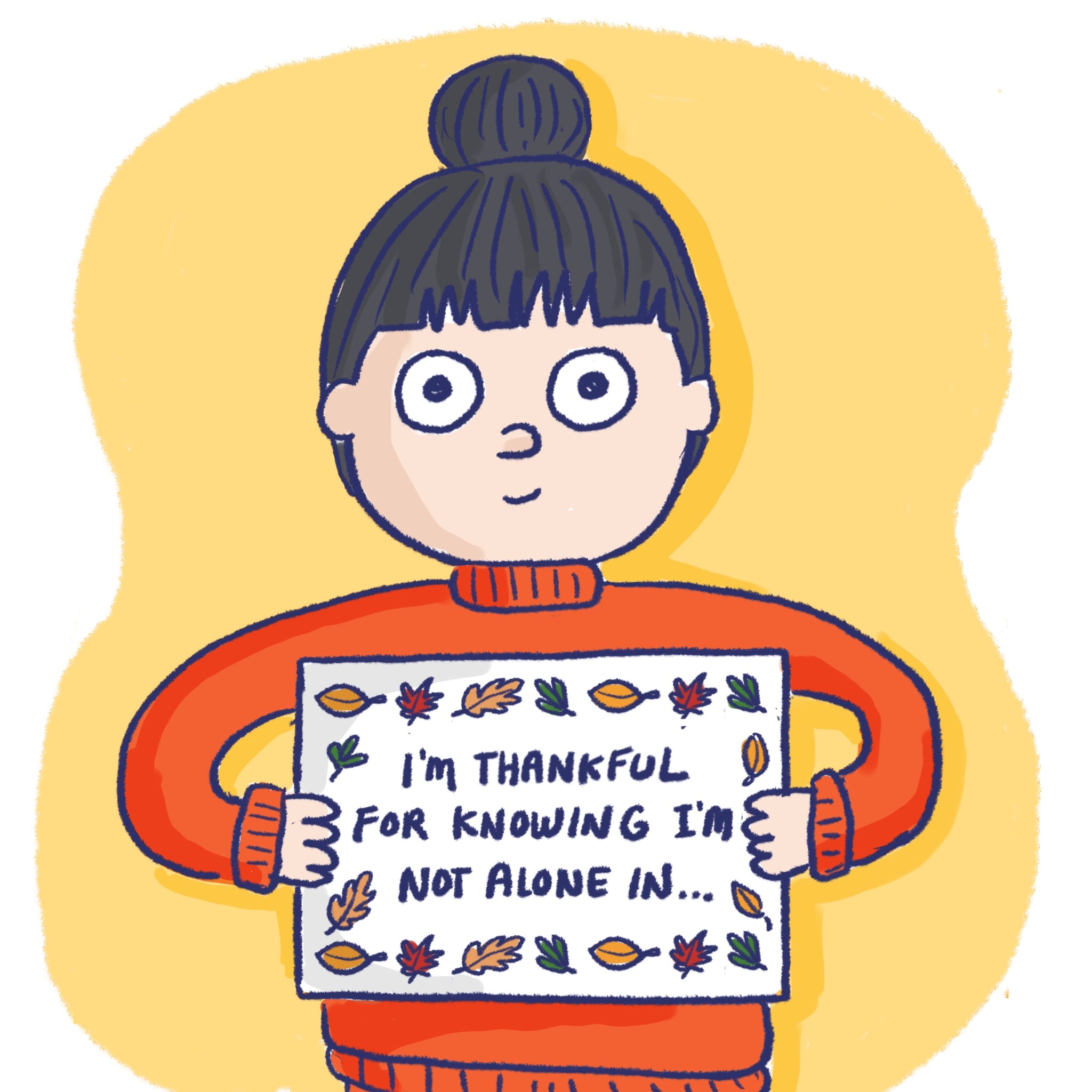
As the holiday season approaches, cultural conversations frequently pivot toward the concept of gratitude. In a recent visual essay published on the digital lifestyle platform Cup of Jo, Brooklyn-based author and illustrator Ruth Chan explores the nuanced, often quiet nature of thankfulness through a series of original comic panels. The contribution marks another installment in a long-standing creative partnership between Chan and the publication, where she has previously documented complex emotional landscapes ranging from the experience of grief to the challenges of navigating OCD and the joys of early parenthood.
The Evolution of Gratitude in Visual Media
The depiction of gratitude has evolved significantly in contemporary media. Historically, Thanksgiving-themed content often leaned toward traditional tropes of abundance, harvest, and family gatherings. However, recent trends in creative non-fiction and illustrative journalism suggest a shift toward "micro-gratitude"—the practice of identifying small, seemingly mundane moments of connection that ground individuals during periods of personal or global uncertainty.
Ruth Chan’s latest work follows this trajectory. By utilizing the medium of the comic strip, she distills abstract feelings of appreciation into accessible, human-centric narratives. This approach resonates with a growing demographic of readers who seek authenticity in media. According to recent surveys by the American Psychological Association, the practice of identifying specific, small-scale positive events—rather than generalized concepts of thankfulness—is statistically correlated with higher levels of reported subjective well-being.
A Chronology of Collaboration
Ruth Chan’s association with Cup of Jo serves as a case study in how niche illustration can provide a platform for deeper sociological discourse. Over the past several years, her contributions have established a timeline of modern domestic life:
- May 2022: Chan addressed the intersection of mental health and motherhood, specifically detailing her experience with OCD.
- July 2022: A poignant exploration of grief provided a visual vocabulary for loss, which became one of the most shared pieces of content on the site that year.
- January 2025: A thematic comic regarding Lunar New Year highlighted the importance of cultural heritage in modern family dynamics.
- August 2025: An examination of "baby wonder" captured the developmental milestones of early childhood from a parent’s perspective.
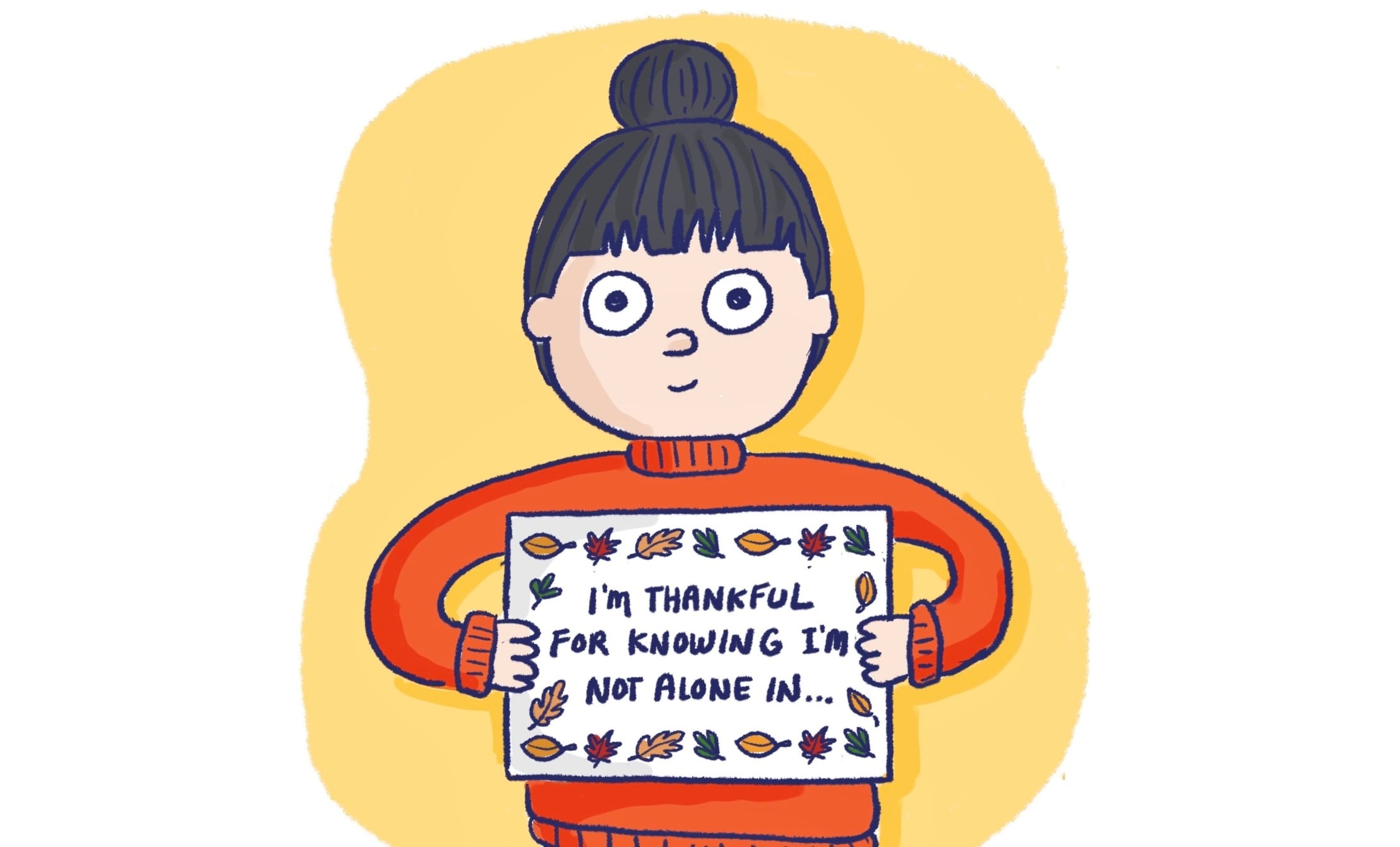
- November 2026: The current "What I’m Thankful For" series, which seeks to synthesize these previous themes of resilience and connection into a broader holiday context.
Each of these works functions as a bridge between the artist’s personal experience and the collective experience of the readership. By maintaining a consistent aesthetic—characterized by clean lines, relatable domestic settings, and an emphasis on emotional vulnerability—Chan has cultivated a specific visual language that invites reader engagement.
Data on Gratitude and Seasonal Mental Health
The timing of Chan’s publication coincides with a peak period for mental health awareness in the United States. As Thanksgiving approaches, public health experts often emphasize the "gratitude gap," a phenomenon where the social pressure to perform happiness during holidays can lead to increased stress.
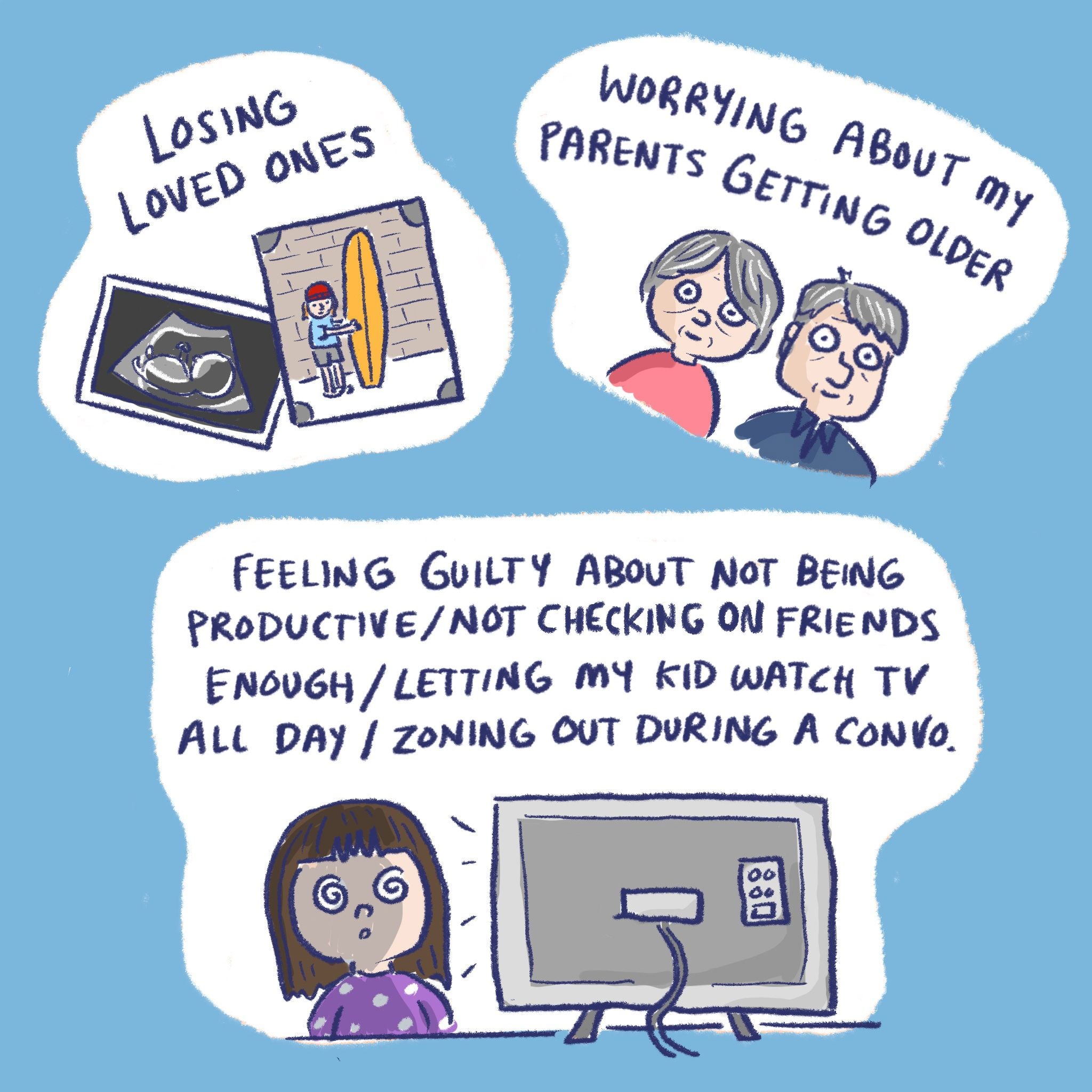
Clinical psychologists note that creative outlets, such as the visual storytelling demonstrated in the Cup of Jo feature, act as "cognitive anchors." By documenting moments of connection—whether it be a quiet morning, a shared meal, or a moment of empathy between family members—individuals can mitigate the physiological impacts of stress. Research published in the Journal of Positive Psychology indicates that participants who engage in regular gratitude-based exercises report a 10% to 15% increase in sleep quality and a reduction in symptoms associated with seasonal affective disorder.

Analyzing the Impact of Illustrative Journalism
The impact of this work extends beyond the immediate readership of Cup of Jo. Illustrative journalism—or the use of graphic narratives to convey non-fiction content—has gained legitimacy as a tool for journalism and social commentary. By bypassing the limitations of traditional text, artists like Chan can communicate complex, multi-layered emotions that might otherwise be lost in prose.
The implications for this style of storytelling are significant for media organizations. As digital audiences face increasing levels of "content fatigue," the integration of visual art with personal essay-style journalism provides a higher level of user retention. The comment sections of such articles frequently reveal a secondary layer of the story: readers often respond to the artist’s work by sharing their own, equally valid stories of gratitude, creating a decentralized community of mutual support.

Contextualizing the Artist’s Perspective
Ruth Chan’s work is deeply rooted in her life in Brooklyn, an urban environment that often serves as the backdrop for her narratives. Her ability to synthesize the frenetic energy of city life with the intimate moments of raising a family provides a counter-narrative to the idealized, often unattainable portrayals of domestic life found in commercial advertising.
In her books and articles, Chan consistently highlights the tension between the chaotic nature of contemporary parenthood and the deliberate choice to find beauty in the mundane. This philosophy is evident in the "What I’m Thankful For" series, which intentionally avoids grand displays of luxury in favor of the quiet, recurring moments that define her daily routine.
Broader Implications for Holiday Discourse
As society moves further into the digital age, the way we express gratitude is changing. The shift from physical, public displays of gratitude to digital, curated, and highly personal expressions represents a significant cultural move toward intentionality.
The success of such pieces suggests that audiences are moving away from monolithic, top-down narratives about how to celebrate or what to value. Instead, they are gravitating toward content that empowers them to define these values for themselves. By focusing on the "small stuff"—the moments of connection, the quiet mornings, and the individual resilience—Chan provides a template for a more sustainable, less performative approach to the holiday season.

Final Considerations
The ongoing collaboration between artists like Ruth Chan and digital platforms like Cup of Jo reflects a broader trend in journalism: the move toward hyper-personal, empathy-driven reporting. By prioritizing the subjective experience over objective data, these outlets are successfully tapping into the emotional needs of their audience.
While the "What I’m Thankful For" comic series may appear to be a simple creative endeavor, it sits at the intersection of psychology, sociology, and digital media. It serves as a reminder that the most profound insights into the human condition are often found not in grand public gestures, but in the microscopic details of our daily lives. As readers move through the 2026 holiday season, the emphasis on identifying, documenting, and sharing these small moments of grace may prove to be a vital tool for maintaining mental health and fostering community connection in an increasingly disconnected world.

Ultimately, the value of such work is not found in the number of views or the engagement metrics, but in the potential for these stories to catalyze a change in perspective for the individual, providing a quiet space for reflection amidst the noise of the modern news cycle.