
South Carolina Republican Primary
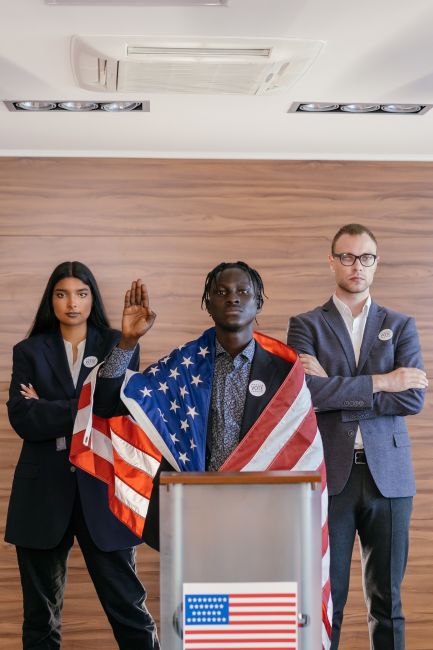
South Carolina Republican Primary: A Crucial Early Test for GOP Presidential Hopefuls
The South Carolina Republican Primary stands as a pivotal moment in the nation’s presidential nominating process. Historically, it has served as a crucial early indicator of a candidate’s viability and momentum, often winnowing the field and solidifying frontrunners. Its unique demographic makeup, conservative leanings, and significant evangelical Christian population present a distinct set of challenges and opportunities for aspiring Republican nominees. Understanding the dynamics of the South Carolina primary is essential for comprehending the broader trajectory of the Republican presidential race, as victories here can translate into substantial financial, media, and delegate advantages.
South Carolina’s Republican electorate is characterized by a strong conservative base, with a substantial portion identifying as evangelical Protestants. This demographic segment plays a disproportionately influential role in shaping primary outcomes, often prioritizing social conservatism, religious freedom, and a firm stance on issues like abortion. Beyond evangelicals, the state boasts a significant number of fiscally conservative voters who are concerned with economic growth, lower taxes, and reduced government spending. Furthermore, the presence of military installations and a strong sense of patriotism often leads to candidates emphasizing national security, a strong defense, and support for veterans. The state’s primary, held after the Iowa caucuses and New Hampshire primary, provides candidates with a critical opportunity to appeal to a more diverse range of Republican voters within a Southern context, often testing their ability to connect with a broader coalition of conservative ideologies.
The early positioning of candidates in South Carolina is a strategic imperative. Campaigns meticulously craft messaging and allocate resources to resonate with the state’s specific voter concerns. Candidates often engage in extensive town hall meetings, grassroots organizing, and targeted advertising to reach voters across South Carolina’s diverse geography, from the Upstate’s manufacturing hubs to the Lowcountry’s coastal communities and the Midlands’ political center. The emphasis on retail politics, where candidates directly interact with voters in smaller settings, is particularly effective in South Carolina, allowing for a more personal connection and the opportunity to address specific regional issues. The influence of influential local figures, community leaders, and established party organizations can also significantly sway voter opinion, making endorsements and strong local campaign infrastructure vital for success.
Historically, South Carolina has demonstrated a remarkable track record in predicting the eventual Republican nominee. Since its re-establishment as an early primary state in the modern era, South Carolina has consistently supported candidates who went on to win the party’s nomination, including Ronald Reagan, George H.W. Bush, George W. Bush, and Donald Trump. This pattern has imbued the state with a reputation as a "kingmaker" or a "firewall," capable of either propelling a candidate to inevitable victory or significantly hindering their progress if they falter. The psychological impact of performing well in South Carolina cannot be overstated; a win here can generate a surge of positive media attention, attract significant donor interest, and bolster campaign morale, while a poor showing can trigger a rapid decline in support and fundraising.
The economic landscape of South Carolina also plays a crucial role in shaping candidate platforms and voter priorities. While the state has experienced significant economic growth in recent decades, particularly in the automotive and aerospace sectors, concerns about job security, wages, and the impact of globalization persist. Candidates often tailor their economic proposals to address these anxieties, emphasizing job creation, workforce development, and trade policies. The ongoing debate surrounding government regulation, the future of manufacturing, and the economic implications of climate change are also key discussion points that candidates must navigate. Understanding these economic currents allows candidates to craft messages that resonate with the everyday concerns of South Carolina voters, positioning them as champions of economic prosperity and security.
Social and cultural issues are equally potent forces in the South Carolina Republican Primary. The state’s strong religious heritage means that issues such as abortion, religious freedom, and traditional family values often take center stage. Candidates are expected to articulate clear and consistent positions on these matters, and their rhetoric is carefully scrutinized by a significant bloc of socially conservative voters. Debates surrounding LGBTQ+ rights, education policy, and the role of faith in public life are also frequent topics of discussion. The ability of a candidate to connect with and inspire these voters, often through impassioned speeches and appeals to traditional values, can be a decisive factor in securing victory. Conversely, perceived missteps or ambiguity on these core issues can alienate a substantial portion of the electorate.
National security and foreign policy are also critical components of the South Carolina Republican platform. The state’s significant military presence, including naval bases and Air Force installations, fosters a deep appreciation for the armed forces and a strong emphasis on national defense. Candidates often highlight their support for veterans, their commitment to a strong military, and their vision for American leadership on the global stage. Debates concerning military spending, interventions abroad, and the challenges posed by adversaries like China and Russia are frequently addressed. The ability to project an image of strength and decisiveness on national security matters can be a significant asset for Republican candidates seeking to win over South Carolina voters.
The media landscape in South Carolina is also a vital arena for campaign engagement. Major television networks, local news outlets, and a robust online presence all contribute to shaping public opinion. Candidates leverage these platforms through interviews, debates, and advertising to disseminate their messages and attack their opponents. The effectiveness of a campaign’s media strategy, its ability to generate positive coverage, and its capacity to counter negative narratives are all critical factors in the electoral calculus. Social media also plays an increasingly significant role, allowing for direct communication with voters, rapid dissemination of campaign information, and the mobilization of supporters.
The delegate allocation process in South Carolina is typically winner-take-all or a proportional system, depending on the specific rules adopted by the state Republican Party. Understanding this system is crucial for candidates and their strategists, as it dictates how victories translate into the delegates needed to secure the nomination. A significant win in South Carolina can deliver a substantial bloc of delegates, providing a crucial boost in the overall delegate count and making it more difficult for opponents to catch up. The strategic importance of maximizing delegate gains cannot be overstated in a protracted nomination battle.
The role of influential figures and endorsements in South Carolina politics should not be underestimated. Prominent Republican politicians, community leaders, and media personalities can significantly sway voter sentiment. A well-timed endorsement from a respected figure can lend credibility to a candidate and mobilize a base of support. Conversely, facing opposition from influential individuals can present significant hurdles. Campaigns actively seek out these endorsements, recognizing their potential to build momentum and broaden a candidate’s appeal.
The historical context of South Carolina’s Republican primary reveals a pattern of the state often serving as a crucial proving ground for candidates who can unite the conservative base. While other early states like Iowa and New Hampshire test a candidate’s ability to connect with different segments of the Republican electorate, South Carolina often solidifies the frontrunner by demonstrating broad appeal within the more traditional conservative movement. The state’s voters tend to favor candidates who exhibit a strong ideological compass and a clear vision for the nation, often rewarding authenticity and a willingness to engage with deeply held conservative principles.
In conclusion, the South Carolina Republican Primary is far more than just another contest in the presidential nominating calendar. It is a deeply consequential election that tests candidates on a complex interplay of factors, including their understanding of conservative ideology, their ability to connect with religious and socially conservative voters, their economic proposals, their national security credentials, and their strategic campaign operations. The state’s consistent record of predicting the eventual nominee underscores its significance, making it an indispensable early test for any Republican seeking the highest office in the land. Success in South Carolina can provide the vital momentum needed to navigate the subsequent stages of the primary process and ultimately capture the party’s nomination.
