The Gatekeeper of Gastronomy: How Geoffrey Wu Shapes the Culinary Landscape of Hong Kong

Hong Kong is widely considered one of the most challenging cities in the world to operate a restaurant—a roiling cauldron of changing tastes, cleaver-sharp competition, and unsavory economics. In this hyper-condensed urban environment, where real estate costs are among the highest globally and consumer expectations are notoriously difficult to satisfy, the difference between a thriving institution and a shuttered storefront often comes down to brand identity and strategic positioning. Standing at the epicenter of this volatile ecosystem is Geoffrey Wu, the founder of the boutique consultancy firm The Forks and Spoons. For the past decade, Wu has functioned as an essential, if unconventional, architect of the city’s dining culture, holding the keys to the most coveted reservations in town.
Operating with a philosophy that prioritizes brutal honesty over traditional public relations, Wu has cultivated a client roster that reads like a Michelin Guide shortlist. His consultancy, which marked its tenth anniversary recently, represents some of the most decorated establishments in the region, including the two-Michelin-starred TATE Dining Room and the trendsetting Ando. While many publicists prioritize congeniality and polished press releases, Wu has built his reputation on an aggressive, coach-like approach to brand development. He does not merely promote restaurants; he engineers their success through a hands-on, often demanding, methodology that requires his clients to treat their operations as high-stakes athletic endeavors.
From Academic Dropout to Culinary Strategist
The trajectory of Wu’s career is as unconventional as his management style. His introduction to the industry was not through a formal business school education, but through the rigorous, high-pressure environment of world-class fine dining. In 2005, following his expulsion from the University of Science and Technology in Hong Kong—a departure prompted by his penchant for skipping lectures to play cards at McDonald’s—Wu sought employment in the F&B sector. He joined the team at Amber, the landmark French restaurant led by culinary icon Richard Ekkebus. This foundational experience in a high-caliber operation provided Wu with a deep, practical understanding of front-of-house logistics, service standards, and the intense pressure inherent in maintaining a Michelin-starred reputation.
Over the subsequent seven years, Wu navigated various marketing and operational roles across the hospitality landscape, gathering a comprehensive view of how brands survive or fail in the Asian market. By 2012, he leveraged this insight to establish The Forks and Spoons. The firm’s growth coincided with a pivotal shift in the Hong Kong dining scene: the arrival of the Michelin Guide in 2009 and the subsequent explosion of digital influence. As social media began to dictate the "it" factor of restaurants, the need for a sophisticated, strategic partner became paramount for chefs and restaurateurs who were technically gifted but commercially inexperienced.
The Economics of a High-Stakes Market
To understand the necessity of a figure like Wu, one must analyze the specific economic pressures of the Hong Kong restaurant industry. The city is consistently ranked as having the most expensive commercial real estate in the world, a factor that forces restaurateurs to maintain high turnover rates to break even. According to data from the Hong Kong Census and Statistics Department, local households spent an average of HKD 60,539 (approximately USD 7,761) on dining out and takeaway food during the 2019-2020 fiscal period. This expenditure level is roughly double that of comparable households in the New York metropolitan area, underscoring the high-intensity nature of the local market.

However, this high spending is matched by high risk. The city’s food supply is heavily reliant on imports, making operations vulnerable to global price fluctuations and supply chain disruptions. Furthermore, the local dining demographic is exceptionally knowledgeable and notoriously fickle. As Wu often notes, there is no margin for error during the critical "opening phase." A restaurant that fails to generate immediate buzz or deliver a flawless experience in its first month is unlikely to receive a second chance from a public spoiled by a surplus of high-quality dining options.
"If you don’t get it right from the get-go, you have to revamp many things," Wu explains. "The question is—will the customers give you a second chance? There are so many choices that chances are they’d go somewhere else." This reality is why he emphasizes the importance of a strong, well-coordinated launch, a principle exemplified by the success of Bluhouse, an Italian dining concept at the Rosewood Hotel. Following a strategic opening, the restaurant found its dinner reservations booked solid for months in advance, a testament to the effectiveness of managed expectations and calculated public relations.
Redefining the Chef’s Role
One of the most significant shifts in the industry over the last decade, and a primary focus for The Forks and Spoons, is the evolution of the executive chef’s role. Two decades ago, the chef was a figure sequestered in the kitchen, judged solely on the plate. In the modern era, the chef is a public figure, an essential component of the restaurant’s brand, and a key factor in customer retention.

"Now in 2022, there is also this thing called relationship building," Wu observes. "Chefs have to show their faces. They have to touch the tables and take pictures with guests. The job of a chef is much bigger than before."
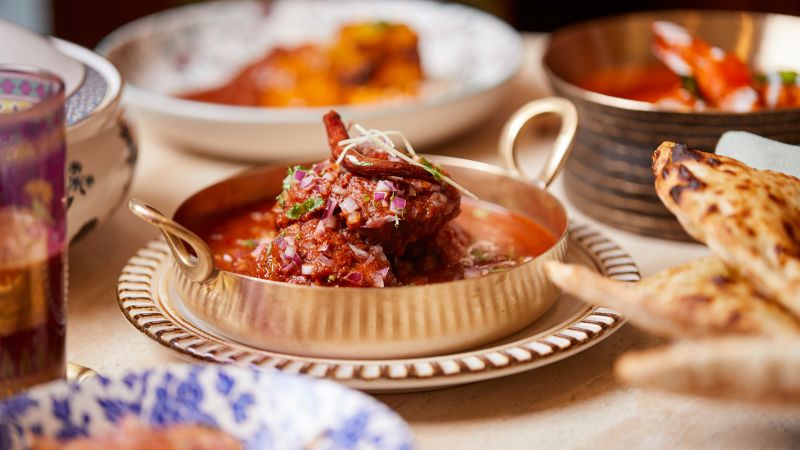
This shift has created tension for many culinary professionals who prefer the solitude of the kitchen. Wu’s firm acts as a bridge, encouraging chefs to move beyond their comfort zones. A notable success story is Manav Tuli of the restaurant Chaat. When Tuli first arrived in Hong Kong, he was unfamiliar with the local landscape and culture. Under the guidance of the consultancy, Tuli was encouraged to engage directly with guests and participate in industry events. The result was a dramatic rise in his profile, culminating in Chaat earning a Michelin star within two years of its 2020 opening. The restaurant’s "tandoori lobster"—a dish that blends traditional Indian techniques with local Hong Kong seafood preferences—became a culinary sensation, further proving that success in this market requires a blend of cultural awareness and innovative product development.
Beyond Public Relations: The Chief Entertainment Officer
Wu’s approach to his work extends far beyond traditional media outreach. He organizes exclusive industry lunches, bringing together influential critics, potential collaborators, and chefs in private settings to foster a sense of community and facilitate high-level networking. These gatherings are not merely social; they are work-intensive sessions where menus are critiqued, new dish concepts are test-driven, and strategic alliances are formed.

During these sessions, Wu acts as what he terms a "chief entertainment officer," managing the atmosphere and ensuring that relationships are solidified rather than merely "touched" through cold-calling or press releases. For example, at a recent lunch at the three-Michelin-starred Forum Restaurant, Wu facilitated an interaction between the executive chef and a fellow restaurateur, leading to the development of a potential collaboration. These moments are essential for maintaining the momentum of a brand in a city where status and "who you know" are as important as the quality of the food.
The Limits of Strategy and the Reality of Flavor
Despite his reputation for being a "tough love" consultant—often characterized by his willingness to yell at clients or media members who have failed to do their research—Wu is the first to acknowledge that even the best marketing cannot save a bad product. "Flavor doesn’t lie," he asserts.
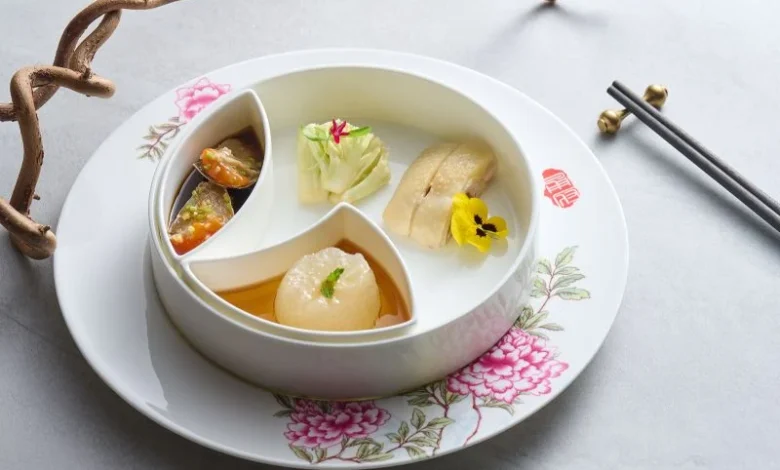
He maintains that the life cycle of a restaurant is finite, and the only way to extend that life is through constant iteration. He advocates for small, incremental changes: refining the table service, educating waitstaff so they can effectively communicate the narrative of the food, or introducing palate-cleansing surprises to the tasting menu. His work with the Michelin-starred Yong Fu, an upscale restaurant specializing in cuisine from China’s Ningbo region, serves as a prime example. Recognizing that local diners often confused Ningbo cuisine with Shanghainese, Wu worked with the restaurant to trim its exhaustive, one-inch-thick menu and replace it with a curated tasting experience. This change helped highlight the specific "savory, umami, and sticky" characteristics of the region, making the restaurant more accessible and appealing to a broader audience.

Conclusion: The Finishing Line
Geoffrey Wu’s philosophy is best compared to the discipline of long-distance running—a sport he practices daily, starting his runs at 5:45 a.m. to clear his head and process the complex demands of his business. He views the restaurant industry as an endurance race rather than a sprint. For his clients, the "finishing line" is a state of sustained relevance and consistent, high-quality performance.
As the Hong Kong dining scene continues to evolve in a post-pandemic world, the role of the publicist has moved from simple media placement to holistic business consulting. By blending the roles of brand manager, strategic advisor, and community architect, Wu has established a model that is as rigorous as it is effective. Whether he is arguing with a client over the temperature of a dish or coordinating a high-stakes menu launch, his objective remains constant: in a city that refuses to be impressed, he is ensuring his clients stay ahead of the pack.