Behind the Seams of Aquatic Logistics: How Major Aquariums Transport Live Marine Life Across Continentes

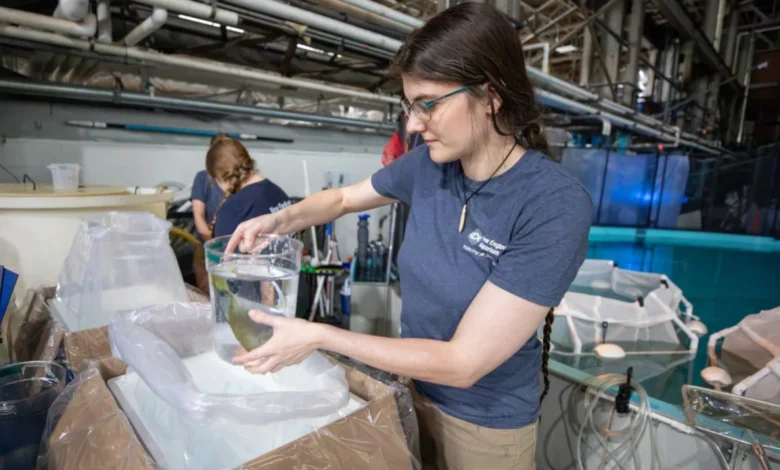
The logistics of moving live marine animals represent one of the most meticulously planned and scientifically demanding operations in modern zoological management. Recently, a specialized team at the New England Aquarium in Boston successfully completed a complex transcontinental shipment, dispatching 22 lookdown fish to a partner institution in Georgia via air cargo. While to the casual observer this might appear to be a straightforward transfer, it is part of a sophisticated, nationwide network of public aquariums designed to pool resources, optimize breeding programs, and advance global aquaculture practices.
The Cooperative Blueprint of Modern Aquariums
Modern public aquariums face immense challenges regarding sustainability, conservation, and the ethical sourcing of marine species. To mitigate the environmental impact of wild harvesting and to ensure genetically diverse, healthy populations within managed care, a collective model has emerged among North American institutions.
Rather than every facility attempting to breed and maintain every single species, the major accredited aquariums operate on a specialized division of labor. Individual institutions take the lead in cultivating specific taxa on behalf of the broader network. Once these species are successfully bred and raised to a stable juvenile or adult stage, they are distributed to other partner facilities.
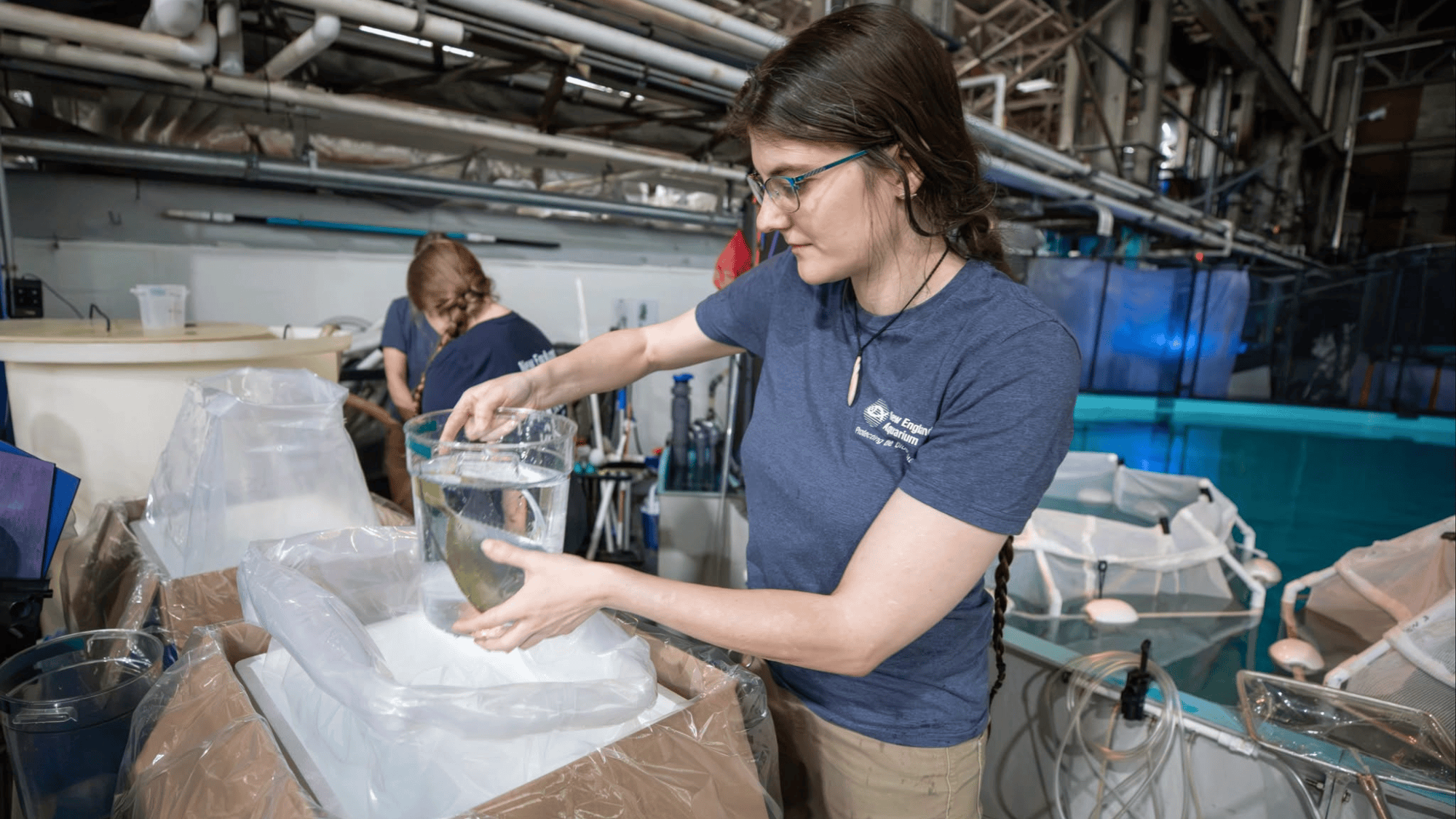
This collaborative framework not only reduces the pressure on wild marine ecosystems but also drives critical scientific innovation. According to Monika Schmück, manager of sustainability in the fishes department at the New England Aquarium, this cooperative approach yields significant operational metrics. The New England Aquarium typically raises between 500 and 1,000 fish annually, distributing them to an average of more than 15 distinct institutions each year. Through this shared knowledge base, aquarists have successfully developed aquaculture protocols for delicate and demanding species that had previously never been raised in captivity, including copper sweepers, glassy sweepers, blue chromis, and brown chromis.
Anatomy of a Marine Shipment: Air Versus Ground Transport
When the time arrives to transfer animals between facilities, aquarists must evaluate a matrix of environmental and logistical variables to determine the transit method. The primary modalities are air cargo and ground transport, each presenting distinct advantages and challenges.
The decision-making process hinges on several key factors:
- Total Shipment Weight and Scale: Large, high-volume transfers generally favor commercial or charter air cargo, whereas smaller batches are often more efficiently managed via specialized ground vehicles.
- Geographic Accessibility: Ground transportation offers the distinct advantage of bypassing the spatial constraints of commercial airports, allowing for direct point-to-point delivery from one aquarium’s loading dock to another.
- External Thermal Conditions: Seasonal temperature fluctuations pose a severe risk to live shipments. Both cargo holding facilities and long-haul delivery trucks can experience extreme heat or freezing cold, necessitating rigorous climate control measures.
For the recent Georgia-bound shipment of 22 lookdown fish, the New England Aquarium team opted for air transport to minimize overall transit duration, balancing the speed of flight against the complexity of airport cargo handling.
The Physics and Chemistry of Aquatic Transport
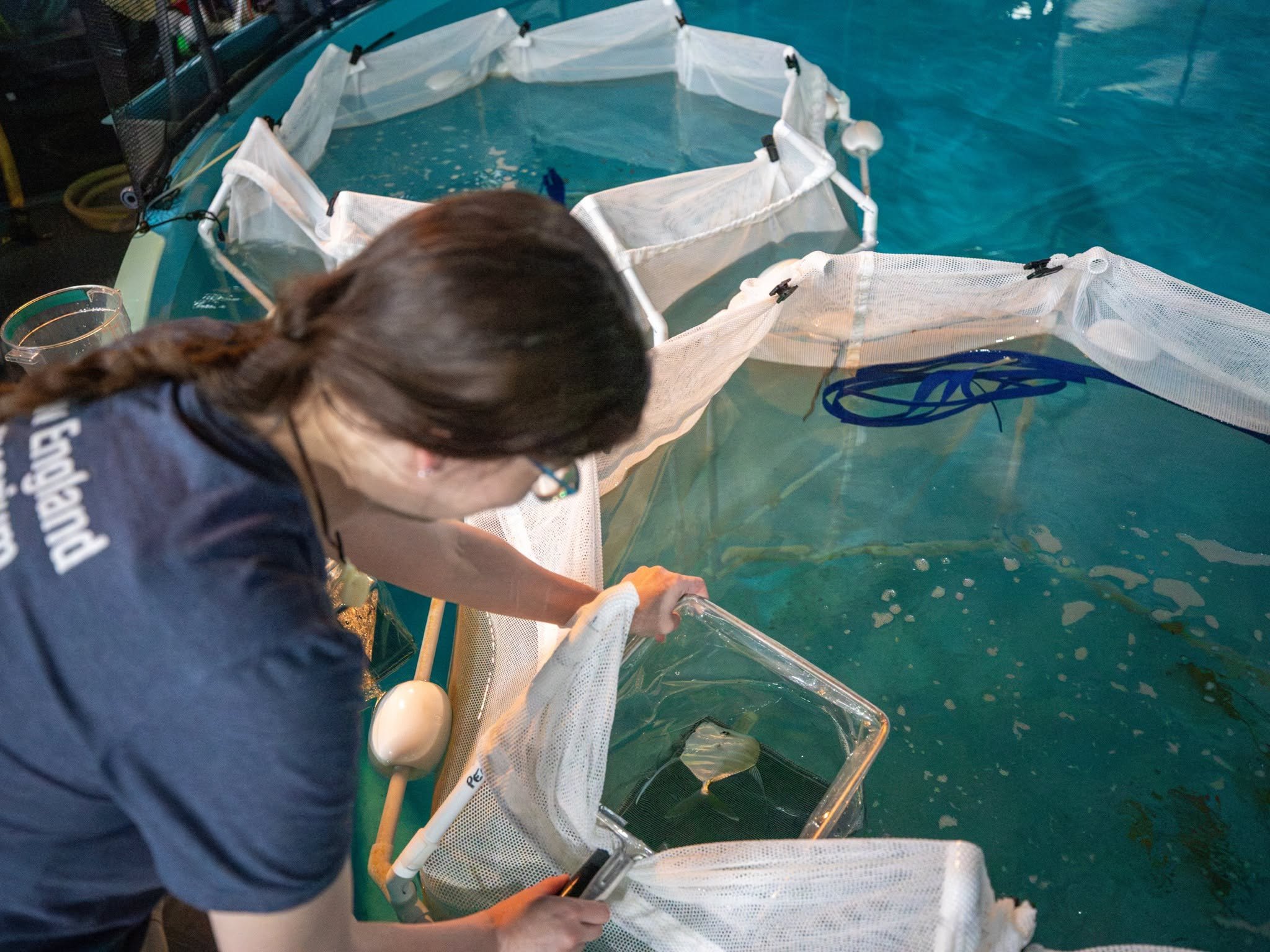
Transporting terrestrial animals involves relatively straightforward mechanics—securing the creature in a ventilated enclosure with adequate space. In stark contrast, moving aquatic species requires transporting both the animal and its life-support medium simultaneously. Because water is exceptionally dense and heavy, the fundamental constraint of marine logistics is weight management.
Aquarists must calculate the exact volume of water required to sustain a given species over the projected duration of the journey without exceeding the weight limits of commercial carriers or delivery vehicles. Beyond sheer volume, life-support protocols must account for three critical chemical and environmental parameters:
- Dissolved Oxygen Maintenance: Sealed transport containers are typically injected with medical-grade oxygen to ensure the water remains hyper-saturated throughout the trip, compensating for the lack of mechanical filtration and surface agitation.
- Temperature Stability: Insulated packaging materials, such as heavy-duty styrofoam containers encased in corrugated cardboard boxes, are utilized to buffer the water against external ambient temperature swings.
- Waste Management and Water Chemistry: As fish metabolize, they excrete ammonia, which can rapidly accumulate to toxic levels in a closed container. Aquarists often fast the animals for a specific window prior to shipping to reduce metabolic waste production. Additionally, chemical buffers may be added to regulate pH levels, and specialized gas-exchange protocols are employed to prevent carbon dioxide buildup.
Despite the vast physiological differences across marine species, these core principles remain universally applicable. Whether moving a delicate schooling pelagic fish or a robust benthic dweller, the operational goal is absolute environmental stability from departure to arrival.
Broader Impacts and Industry Implications
The ability to successfully transport live marine life across vast distances underpins the foundational goals of the modern zoo and aquarium community: education, conservation, and scientific research. By maintaining robust genetic exchange programs, institutions can prevent inbreeding depression in managed populations, ensuring that display animals serve as healthy ambassadors for their wild counterparts.
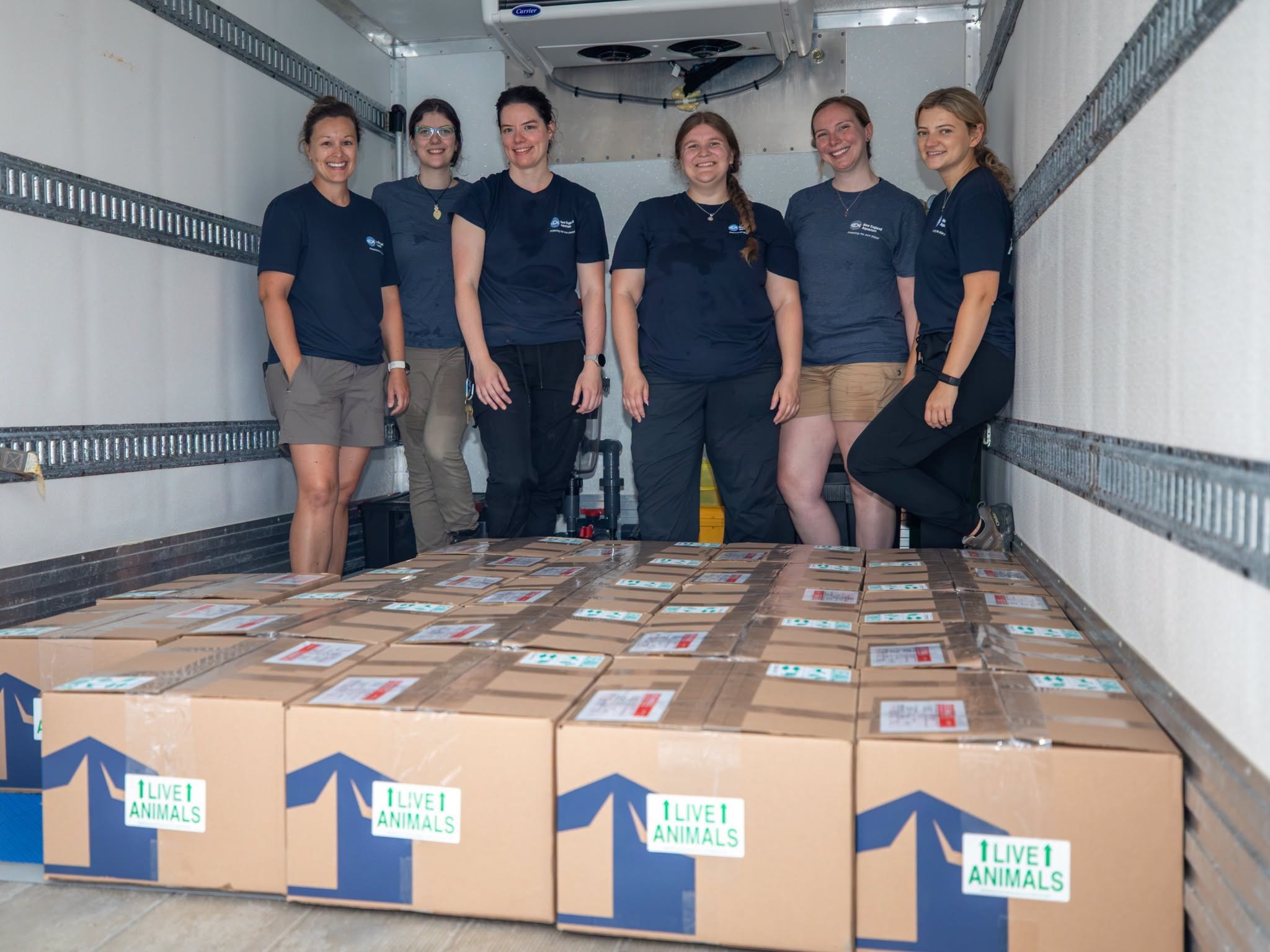
Furthermore, the technological advancements born out of these logistical challenges frequently spill over into commercial aquaculture, conservation translocations, and the rescue of stranded marine wildlife. As aquariums continue to refine their shipping methodologies—optimizing thermal insulation, minimizing transit stress, and reducing carbon footprints—the welfare of aquatic organisms in transit reaches unprecedented standards.
Ultimately, the safe delivery of 22 lookdown fish from Boston to Georgia is more than a routine transfer; it is a testament to the quiet, highly specialized science of aquatic logistics that keeps the global network of marine conservation moving forward.