DraftKings Closes Investigative Reporter’s Account Following Viral Exposé on Gambling Industry Practices

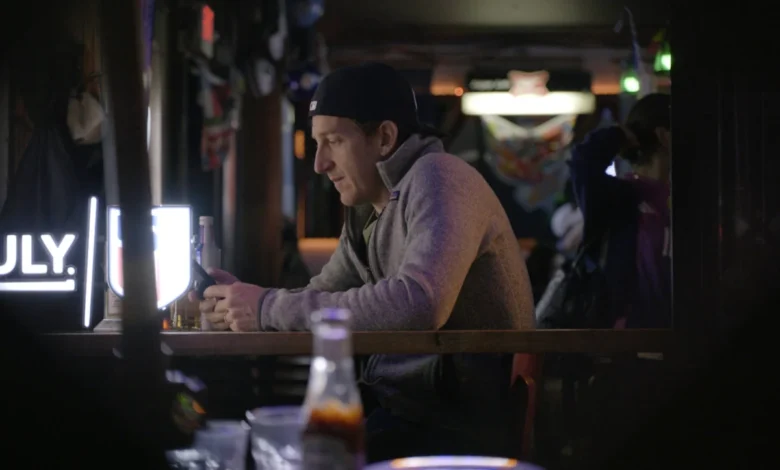
Late last month, as the intersection of investigative journalism and corporate policy collided in an inbox, a ProPublica reporter received an abrupt notice from DraftKings. The email, terse and final, stated that the reporter’s account had been closed at the company’s discretion. This development followed a 10-week investigation in which the reporter intentionally modeled the behavior of a problem gambler to test the efficacy of the platform’s internal “responsible gaming” safeguards. While the reporter had not engaged in sports betting for months and had effectively cleared the balance of the account—leaving behind only 94 cents—the timing of the closure, occurring shortly after the reporter submitted inquiries for a follow-up story, has raised significant questions regarding the industry’s relationship with critical oversight.
Chronology of the Investigation
The scrutiny began in September, when the publication released a detailed investigation into the mechanisms by which online sports betting operators acquire and retain high-volume customers. To gather primary data, the reporter engaged in a controlled experiment, wagering in a manner that signaled potential addiction, such as chasing losses and increasing stake sizes rapidly. Despite these red flags, the platform’s algorithm responded by designating the reporter as a "VIP," complete with a dedicated account host. Over the course of 10 weeks, the experiment resulted in approximately $6,000 in losses, casting doubt on the industry’s claim that its "responsible gaming" tools are sufficient to protect vulnerable users.
Following the publication of the findings, the company initially attempted to downplay the report. On October 22, DraftKings CEO Jason Robins defended the platform’s handling of the account during a CNBC interview, asserting that he had personally reviewed the betting history and remained confident in the company’s internal protocols. However, the narrative shifted as the investigation reached a broader audience. A 27-minute documentary detailing the methodology behind the reporting, released on YouTube on October 10, garnered over 6 million views in three weeks, drawing intense attention from the core demographic of sports bettors: young men.
The climax of this tension occurred on October 27. The reporter sent a series of questions to DraftKings regarding the ongoing impact of the exposé and the subsequent regulatory inquiries. That same evening, the account closure notification was issued. Two hours later, the company provided a formal response to the journalist’s questions, maintaining that their regulatory compliance and internal processes are robust.
The Mechanism of "Responsible Gaming"
The sports betting industry has long faced pressure from lawmakers and public health advocates to implement safeguards. Companies like DraftKings market “responsible gaming” tools—such as deposit limits, cool-off periods, and reality checks—as the cornerstone of their safety strategy. However, the ProPublica experiment suggests a disconnect between these tools and the profit-driven incentive structures inherent to VIP programs.
Industry analysts point out that the business model of modern sportsbooks relies heavily on "high-value" customers. By assigning personal hosts to users who exhibit signs of reckless gambling, the platform effectively incentivized the very behavior it claims to discourage. The data from the experiment indicated that while the system issued automated messages about responsible play, these notifications were easily bypassed or ignored, failing to disrupt the trajectory of the losses. This discrepancy between public messaging and private practice has become a primary point of contention for regulators.
Regulatory and Legislative Fallout
The impact of the investigation has rippled through state houses and federal offices. Lawmakers who were previously hesitant to intervene in the burgeoning sports betting market have begun to demand transparency regarding how these platforms operate. In Ohio, regulators have initiated discussions concerning new rules that would restrict aggressive marketing practices and mandate more stringent oversight of user behavior, citing findings from the investigation as a catalyst for reform.
Similarly, federal officials have signaled that they are scrutinizing the industry’s marketing tactics. The core of the concern is whether the "gamification" of sports betting—characterized by rapid-fire wagers, in-app prompts, and loyalty programs—is inherently designed to exploit cognitive vulnerabilities. The fact that an investigative report could trigger a direct, systematic change in a company’s relationship with a user has led some ethics observers to suggest that the industry is currently in a defensive posture, attempting to mitigate the influence of independent verification.
Official Responses and Industry Defense
DraftKings, in its official response to the recent inquiry, characterized its interactions with regulators as a "normal course of business." The company has consistently denied allegations that it improperly targets losing gamblers. In a statement provided to the press, the company emphasized its commitment to consumer protection, noting that it invests millions of dollars annually into responsible gaming technology.
However, critics argue that the "normal course of business" for these platforms is increasingly coming under fire. The closure of the reporter’s account—a move that effectively severs a direct link between the company and the investigator—has been viewed by some as an attempt to limit the flow of information. Despite the closure, the publication has reiterated its commitment to the beat. The reporter is currently soliciting wagering data from other bettors to conduct a broader, quantitative analysis of how major operators manage addiction risks. This initiative, which asks users to submit anonymized data, aims to move the conversation from anecdotal evidence to a data-driven understanding of the platform’s algorithms.
Broader Implications for Digital Media and Oversight
The standoff between a major public company and a news organization serves as a case study in the challenges of covering the digital economy. As sports betting becomes more deeply integrated into the American cultural and financial landscape, the tension between corporate autonomy and the public interest is likely to intensify.
The viral success of the documentary underscores a growing public appetite for accountability in the sports betting sector. With millions of viewers engaging with the content, the narrative has shifted from an isolated case of an investigative reporter to a broader discussion about the ethics of the industry. The 3,500 comments on the YouTube video alone indicate that users are increasingly aware of the "red flags" that the industry is accused of ignoring.
As the industry faces a potential wave of new legislation, the focus will likely remain on the tension between the "customer experience" and the "duty of care." If companies continue to prioritize growth metrics over the implementation of effective, non-intrusive safety measures, they may find themselves subject to the very regulations they have fought to avoid. For now, the closure of a single account has done little to stifle the investigation; instead, it has provided further evidence of the friction between investigative journalism and a multi-billion dollar industry that prefers to operate in the shadows of its own proprietary algorithms. The ongoing collection of wagering data suggests that the next phase of this inquiry will be driven by the users themselves, potentially providing the most robust challenge yet to the industry’s internal guardrails.
Related posts: