The Rise of Repair Cafes: Communities Fight the Throwaway Economy and Climate Crisis One Fix at a Time

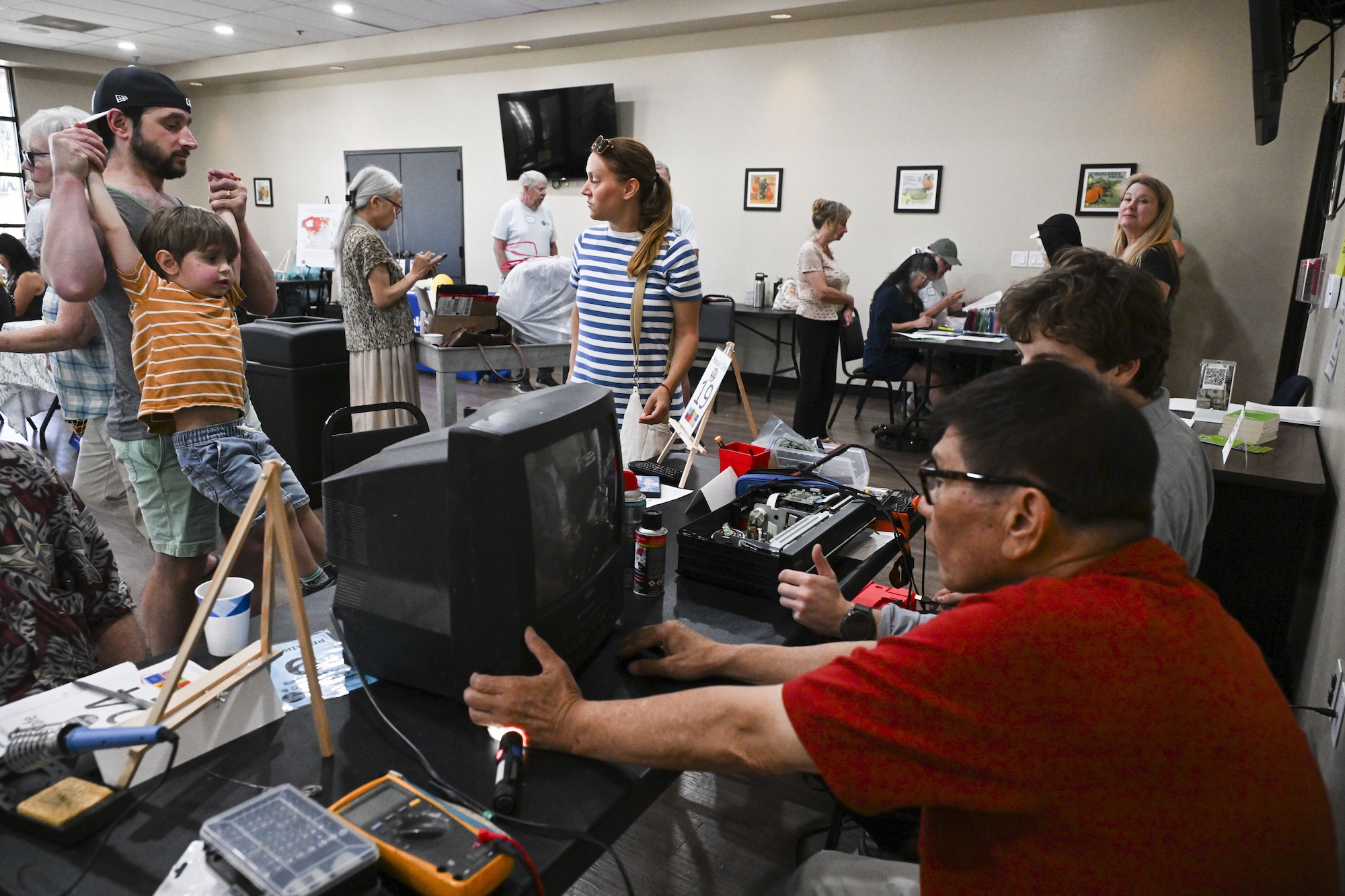
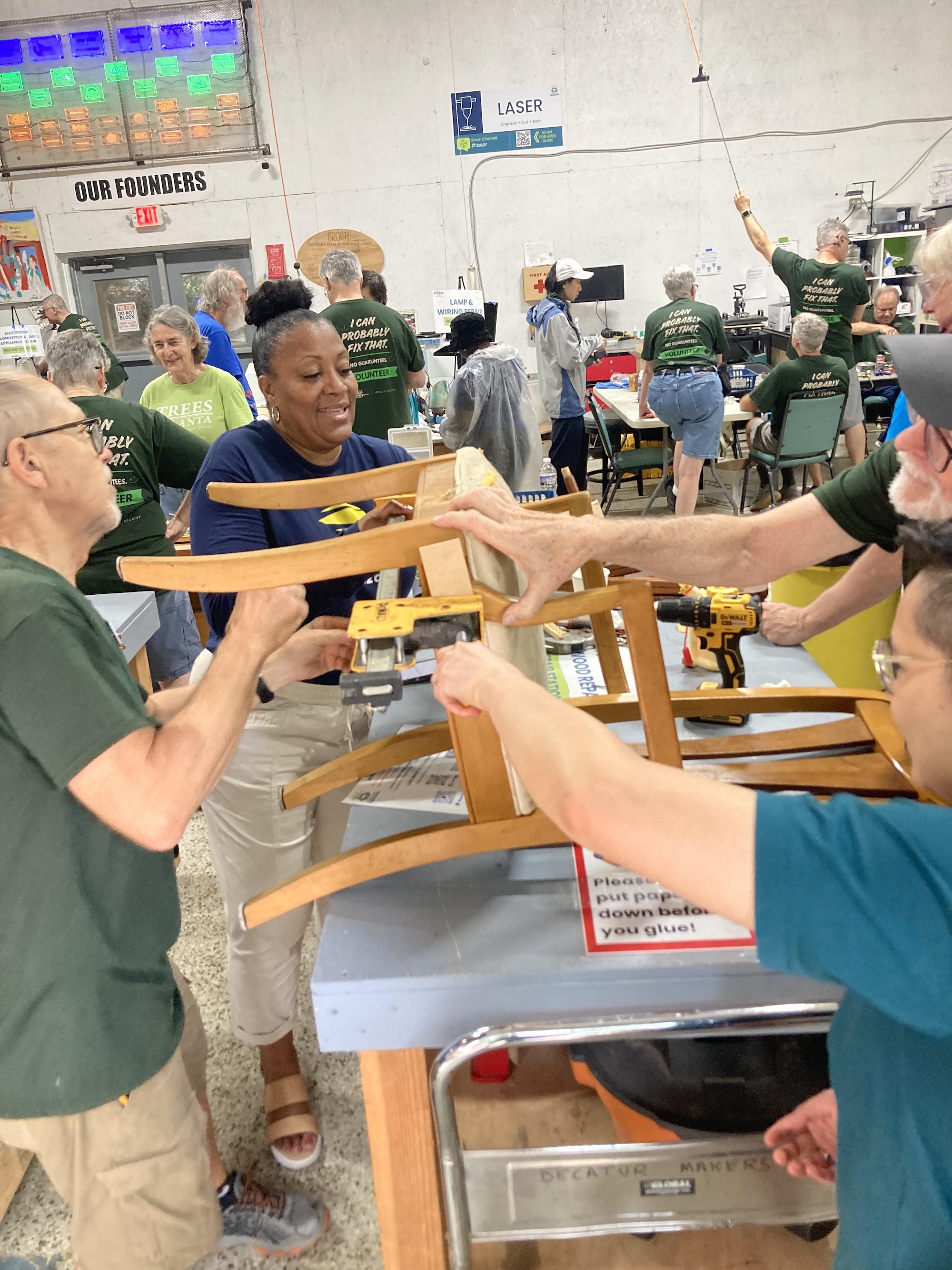
On an unusually cool and rainy Saturday morning in Decatur, Georgia, dozens of residents converged on a church parking lot warehouse, carrying items that a less optimistic society would write off as refuse. Among the carried items were broken lamps, glitching electronics, cracked furniture, toolboxes, multimeters, and cans of WD-40. Beneath extension cords dangling from the rafters, volunteer electricians, tailors, luthiers, carpenters, and cutlers organized into collaborative workstations.
This scene is part of a growing international movement. Decatur’s semi-regular repair cafe is one of hundreds of similar gatherings across the United States. Facing economic pressures and the environmental consequences of a linear consumer economy, Americans are increasingly rejecting the corporate push to replace rather than repair household goods.
The Anatomy of the Throwaway Culture
The modern consumer landscape is heavily dominated by manufactured obsolescence. Companies spanning industries—from outdoor apparel and mobile communications to large home appliances—frequently design products with limited lifespans or make repairs intentionally difficult, unsafe, or cost-prohibitive. According to a report by the Federal Trade Commission (FTC) titled "Nixing the Fix," manufacturers often restrict access to replacement parts, lock software and firmware, and discourage independent repair services.
This economic model has severe environmental externalities. The continuous extraction of raw materials, energy-intensive manufacturing processes, and the rapid accumulation of electronic and material waste significantly drive up global greenhouse gas emissions. When items are prematurely discarded, they add to landfills that are reaching critical capacity, accelerating environmental degradation.
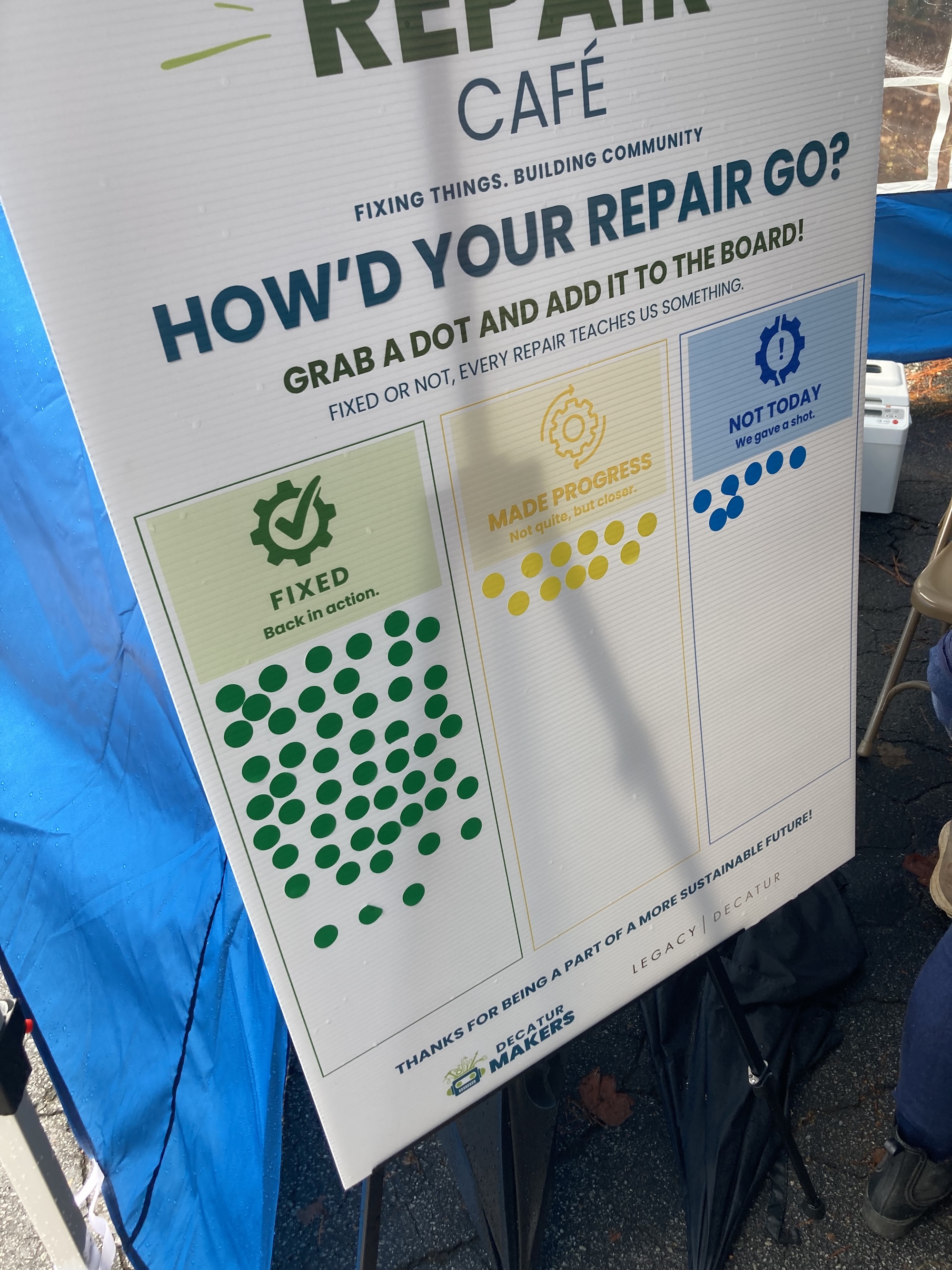
Data from Repair Cafes International, a Netherlands-based network overseeing approximately 4,000 global chapters, highlights the tangible counterweight these grassroots events provide. In 2025 alone, these community-led repair sessions prevented nearly 2 million pounds of waste from entering landfills—the equivalent weight of more than 100 fully loaded Boeing 747 aircraft. The carbon offset achieved through this extended product lifespan equates to the average annual consumption of about 1,000 Dutch families.
Community Resilience and Socioeconomic Realities
While the environmental impact is measurable, organizers and participants emphasize that repair cafes function primarily as spaces of community resilience, particularly in an era marked by inflation and stagnant wages. However, the manifestation of these cafes varies significantly depending on local socioeconomics.
A striking contrast exists between events held in affluent municipalities and those in economically disadvantaged neighborhoods. Thirty minutes away from Decatur in the Collier Heights neighborhood of Atlanta, where the median annual household income is roughly $40,000 lower, the atmosphere and motivations inside a local church basement workshop reflected distinct pressures. Here, volunteers brought their own tools to folding tables set atop light pink carpeting.
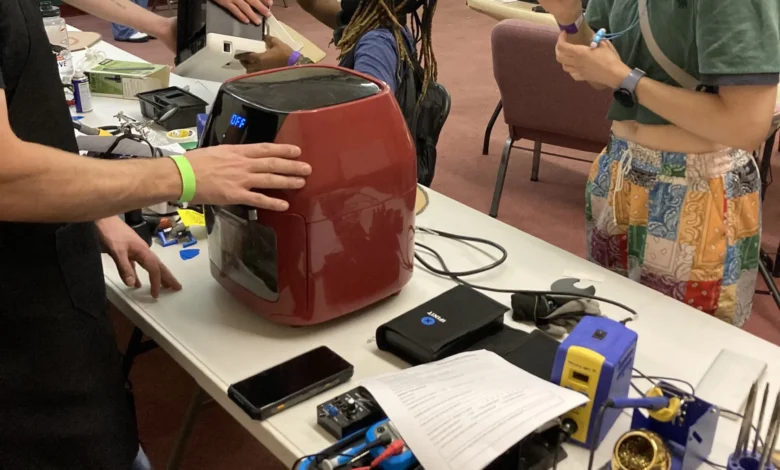
Patrons in Collier Heights frequently sought repairs out of immediate economic necessity rather than pure sentimentality. Gale Pines, a recent nursing school graduate who struggled to secure employment, brought in a red air fryer that had ceased functioning after being used to dehydrate ginger. Unable to afford a new $100 replacement appliance and lacking a broader financial safety net, Pines relied on the cafe to restore an essential kitchen tool.
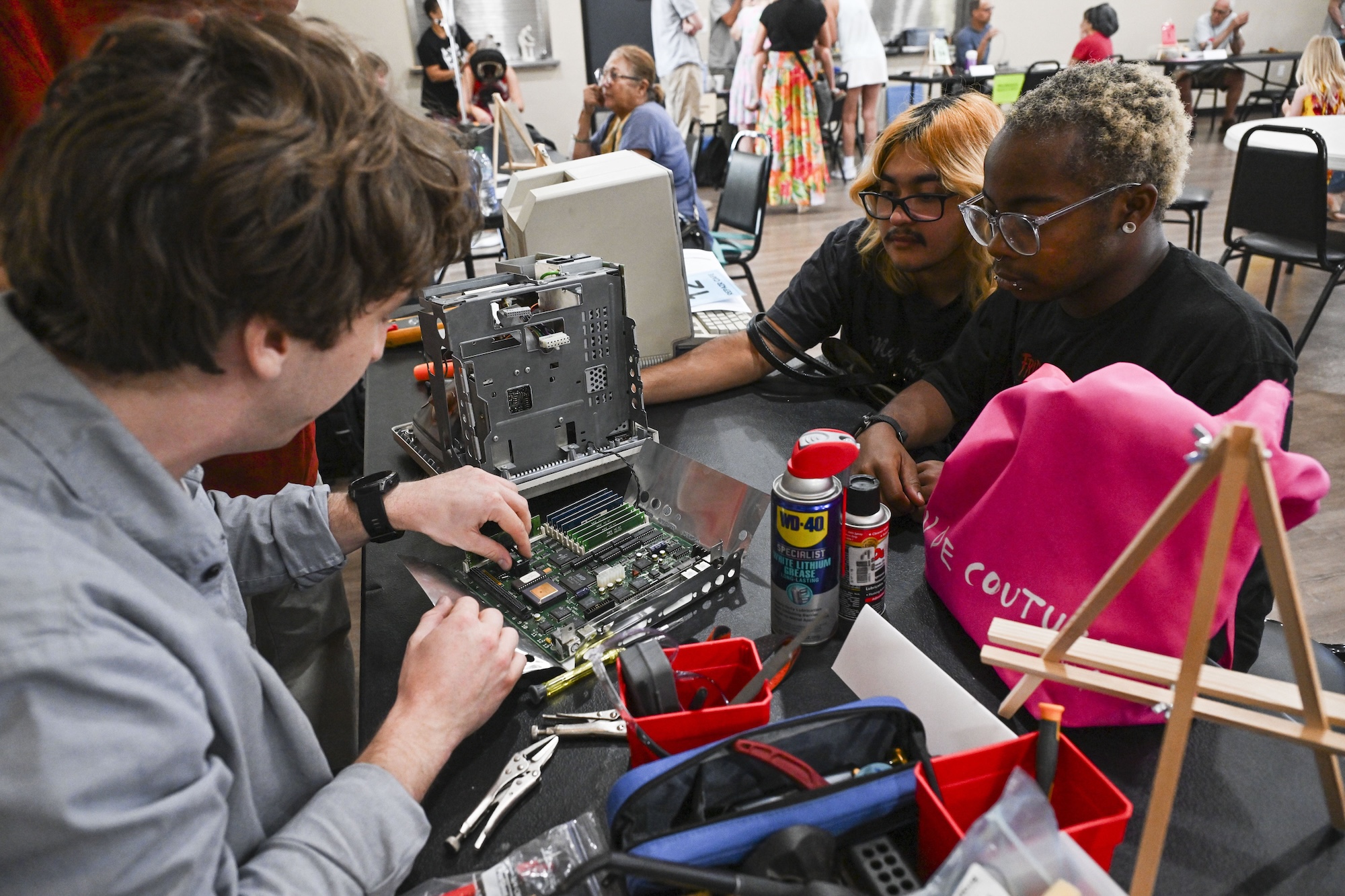
When a volunteer opened the appliance, they diagnosed a faulty capacitor. Another volunteer produced a compatible replacement part, completing the repair on-site. For Pines, the value extended beyond the functional recovery of the air fryer. "Being in the height of climate collapse, we can’t just keep buying new stuff all the time, both for the economy and for our material scarcity," Pines noted, highlighting an intersection of ecological consciousness and economic survival.
Sentimental Value and the Mechanics of Connection
In wealthier enclaves like Decatur, items brought in often carried deep personal histories. Lilly Pettus arrived with a broken dining room chair that had been part of a set purchased from Ethan Allen shortly after her marriage in 1996. Selected to accommodate her unusually tall family members, the chair had traveled across multiple states—from Florida to Connecticut, Indiana, Michigan, Texas, and finally Georgia—bearing witness to decades of family milestones.
When a joint finally cracked after years of heavy use, Pettus stored the chair in a corner rather than discarding it, unwilling to erase a tangible piece of her family’s history. Spotting the Decatur repair cafe during Saturday errands, she retrieved the chair and engaged with three strangers who worked collaboratively to clamp and glue the broken joint.
Martine Postma, director of Repair Cafe International, points to this interpersonal dynamic as an antidote to modern alienation. A former journalist, Postma founded the organization in 2010 after the birth of her second child amplified her concerns regarding planetary resource depletion.
"When a product breaks and you have to throw it away, it’s very lonely," Postma observed. "It’s easier to just go on the internet and order a new item which will come to your doorstep in 24 hours, but that’s also a very lonely, disconnected activity."
Postma argues that while repair is commonplace in lower-income nations where replacement goods are economically inaccessible, wealthy nations require cultural interventions to make fixing items a standard societal norm. She advocates for systemic policy changes, such as raw material taxes in Europe, which would simultaneously curb emissions and subsidize local repair infrastructure.
Legislative Shifts and the Right to Repair
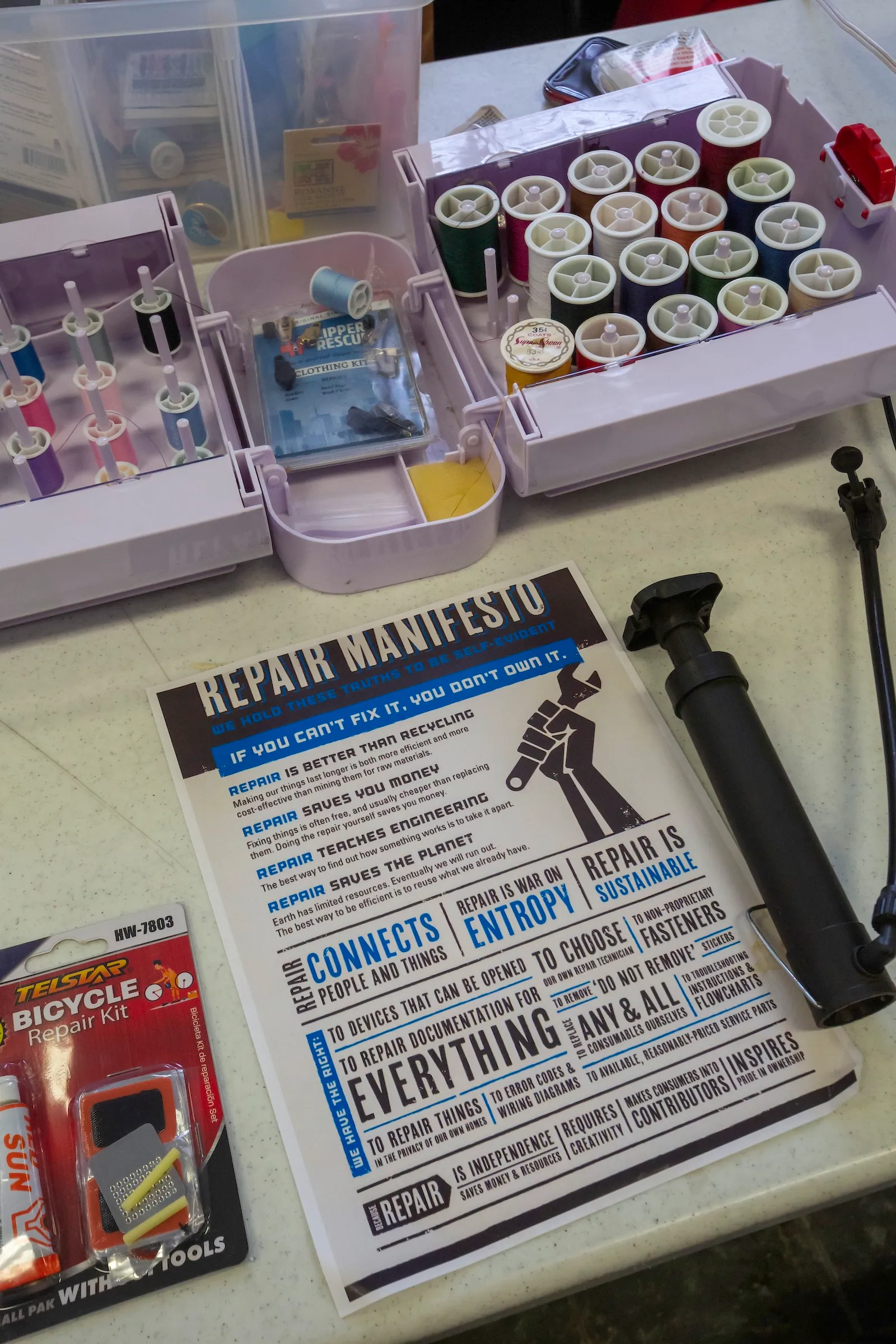
The grassroots repair movement has increasingly found alignment with legislative advocacy. In 2023, four U.S. states—California, Colorado, Minnesota, and New York—enacted landmark "right to repair" laws designed to compel manufacturers to make documentation, diagnostic tools, and spare parts available to consumers and independent technicians. A year later, the European Union adopted a comprehensive right-to-repair directive aimed at curbing electronic waste and promoting circular economies.
Repair cafes serve as physical incubators for this broader political momentum, educating citizens on the mechanics of their belongings and fostering collective action. Volunteers and attendees alike view these spaces as training grounds for a self-reliant future. Lew Lefton, a volunteer at an Atlanta-area cafe, suggested that the deep human satisfaction derived from creation and repair has been suppressed by modern consumerism, only to be re-awakened by looming systemic crises such as climate change and technological displacement.
"If the world ends," Lefton remarked, "at least I’ll know how to fix a motor."

Implications for the Future
As right-to-repair legislation faces continued lobbying opposition from major technology and appliance conglomerates, the operational footprint of repair cafes continues to expand. These workshops demonstrate that consumer dependency on replacement cycles is not absolute. By bridging generational knowledge gaps, lowering economic barriers to maintenance, and fostering local social capital, repair cafes offer a scalable model for a sustainable economic future.
For participants like Pettus, who left the Decatur workshop with a reinforced chair and a new network of local contacts for upcoming upholstery projects, the experience redefined her relationship with material possessions.
"The beauty of it," Pettus reflected, "was that I actually was able to learn more about the chair. It was a great experience to know that I actually had something to do with helping to get it put back together."