Beyond the Burn: The Fight to Sustain Maui’s Groundbreaking Post-Wildfire Health Study

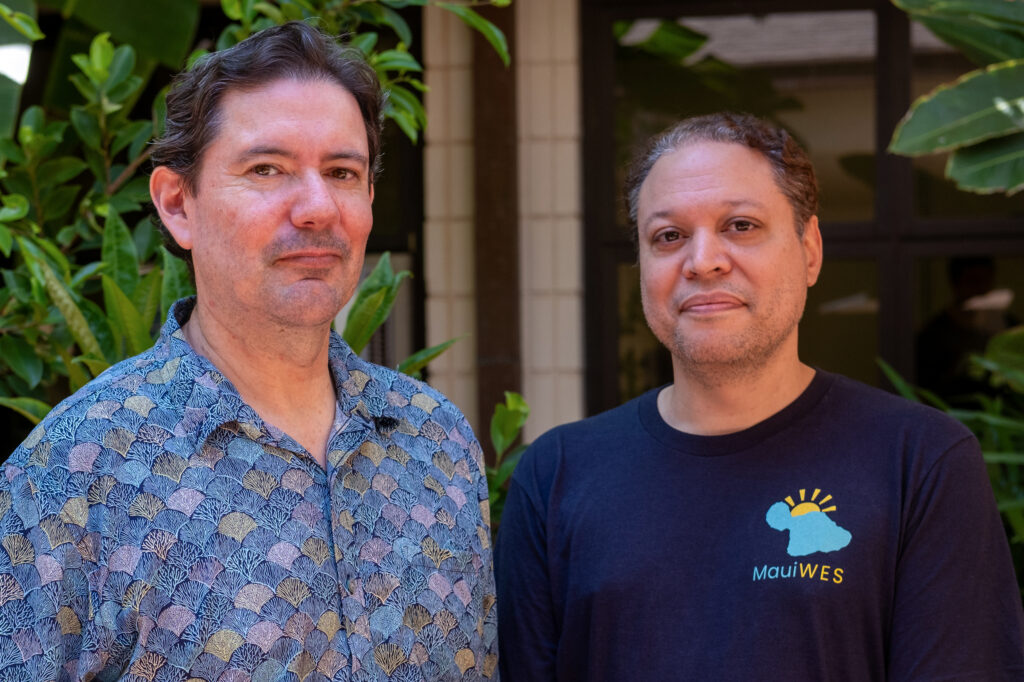
Early on a crisp Saturday morning in May, economist Ruben Juarez boarded a routine 45-minute flight from Oʻahu to Maui, mirroring a commute he had made dozens of times over the preceding three years. Yet, this trip carried a distinct, heavy uncertainty. Landing at Kahului Airport alongside his partner and research collaborator, biomedical scientist Alika Maunakea, Juarez navigated the winding coastal highway toward the Lahaina Comprehensive Health Center. Perched against the dramatic backdrop of the Pacific Ocean, the facility was set to host what might be the final operational deployment of the Maui Wildfire Exposure Study, known widely as MauiWES.
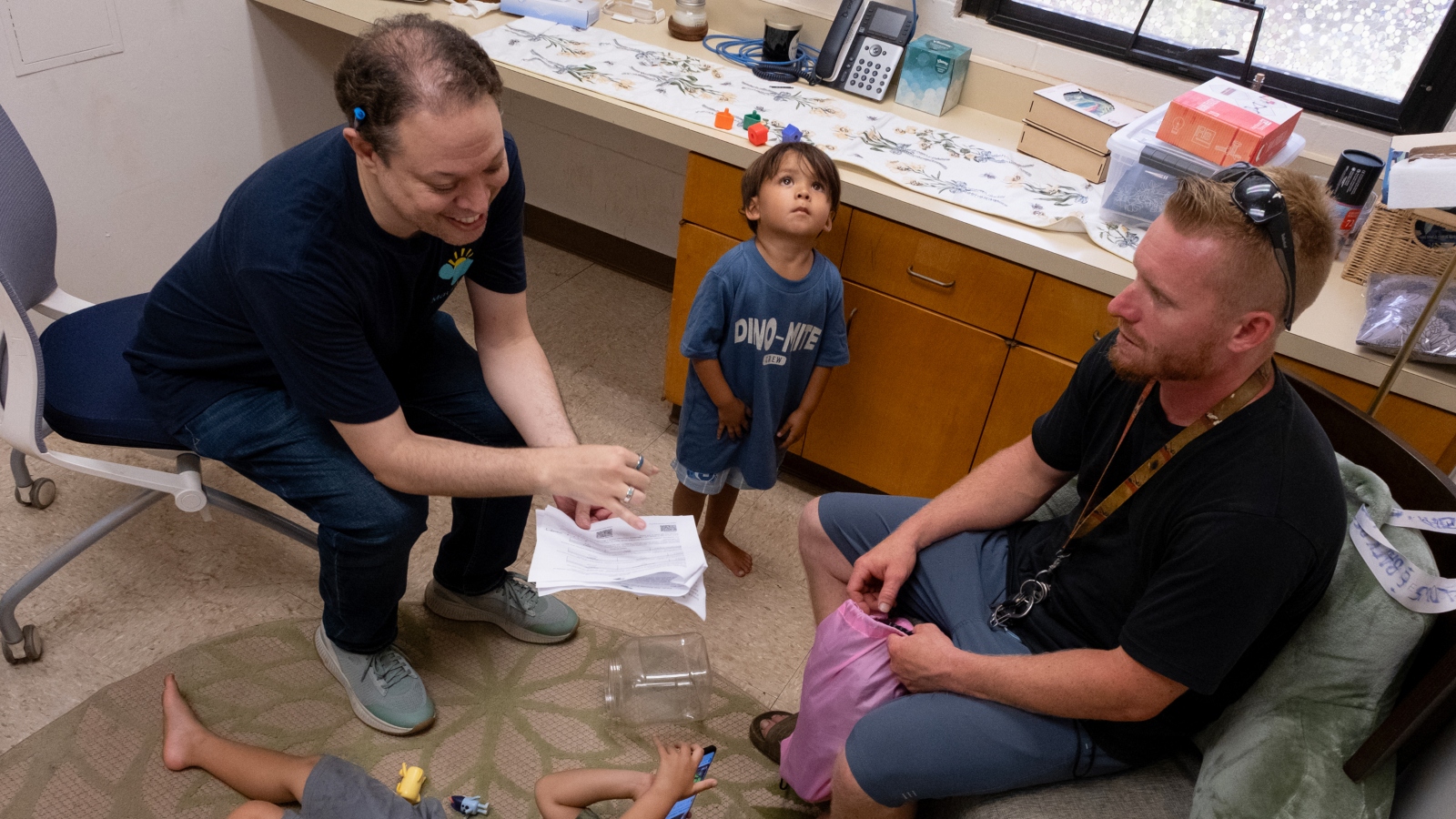
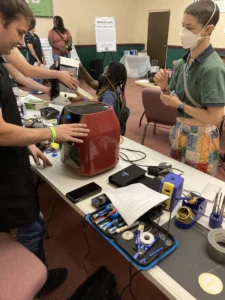
Inside the building, a multidisciplinary team of University of Hawaiʻi researchers, local healthcare providers, and graduate students prepared diagnostic stations for blood collection, pulmonary function testing, and mental health screenings. Their objective was singular: to document, understand, and mitigate the enduring health consequences inflicted upon the survivors of the August 8, 2023, wildfires—the deadliest disaster of its kind in the United States in over a century. However, as the research team unpacked their equipment, an existential financial crisis threatened to dismantle the entire operation just as its findings were becoming most critical.
A Catastrophic Disaster and Its Lingering Fallout
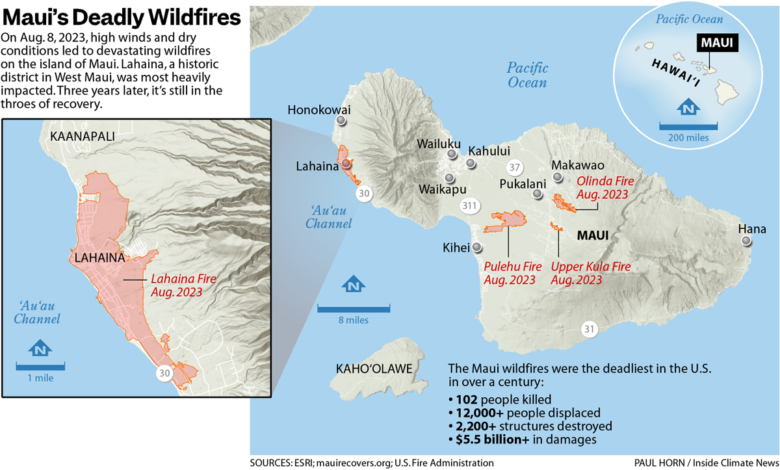
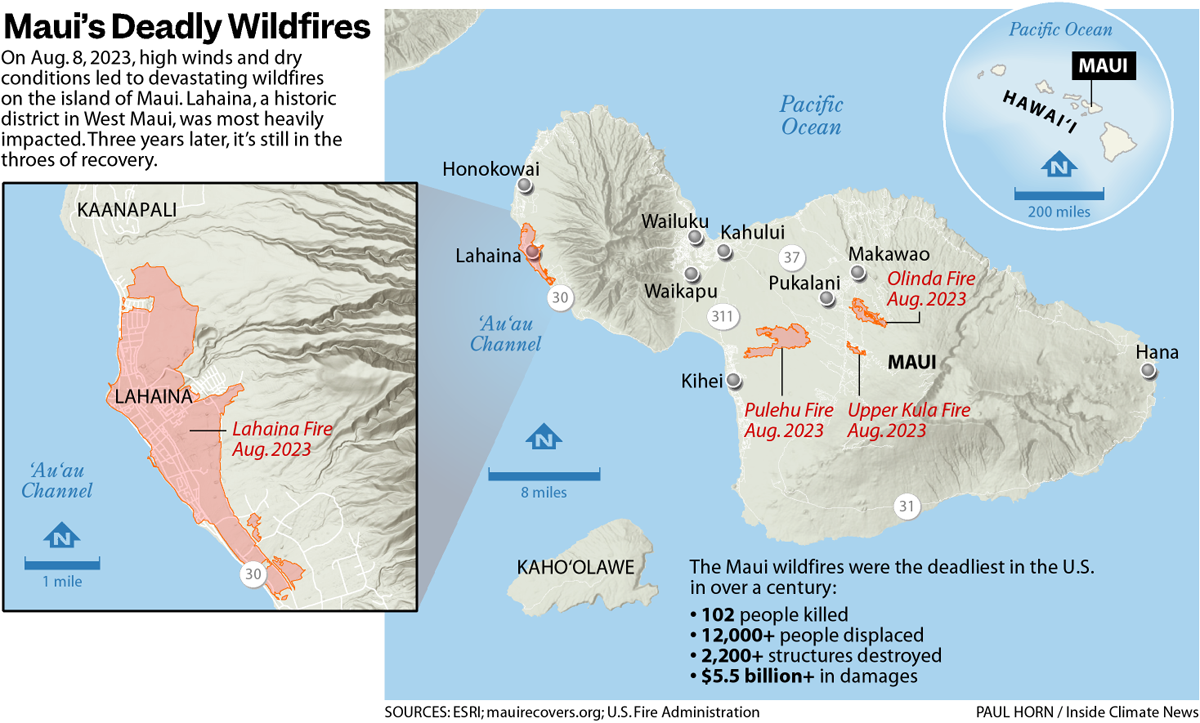
The fires that swept across Maui on August 8, 2023, permanently altered the physical and socio-economic landscape of the island. Driven by severe drought conditions and high winds, the fast-moving blazes claimed the lives of at least 102 people, displaced nearly 13,000 residents, and obliterated more than 2,200 structures, primarily within the historic town of Lahaina. In the years following the disaster, recovery has proved agonizingly slow; three years later, only a fraction of the destroyed buildings—roughly 15 percent—have been rebuilt, leaving hundreds of families trapped in temporary Federal Emergency Management Agency (FEMA) housing or unstable rental arrangements.
Juarez and Maunakea, both professors at the University of Hawaiʻi, never anticipated transitioning from their traditional academic roles into frontline disaster relief coordinators. Juarez’s prior research focused on social networks, while Maunakea specialized in biomedical disparities regarding disease. Nevertheless, the sheer magnitude of the public health vacuum left in the wake of the fires compelled them to act. They conceptualized MauiWES as a rapid-response epidemiological initiative designed to track the physical and psychological toll on survivors while concurrently delivering vital medical and social interventions.
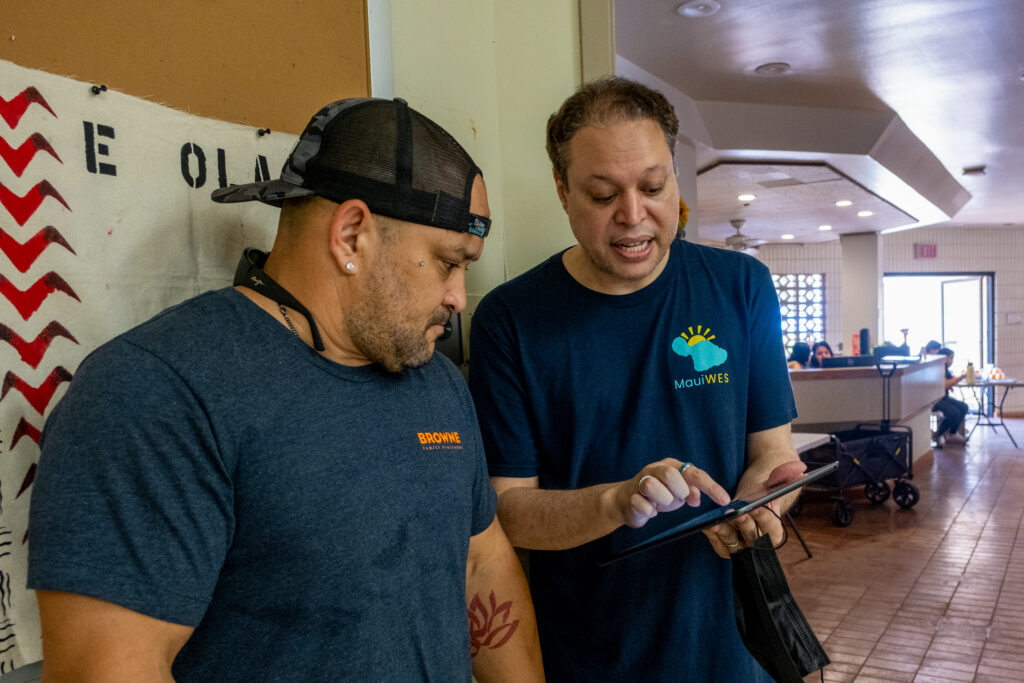
Over the span of three years, the study evolved into a comprehensive community lifeline, evaluating approximately 2,500 participants. Far from acting as passive data collectors, the researchers embedded themselves within a coalition of local organizations. Participants received free diagnostic testing alongside direct assistance, including mental health therapy, food security programs, emergency cash support, and navigation services for healthcare and insurance enrollment. Disaster experts nationwide have lauded the initiative. David Eisenman, a veteran public health researcher at the University of California, Los Angeles, characterized the study’s integrated research and intervention model as singular in the field of disaster response.
The Anatomy of Exposure: Clinical Findings and Environmental Toxins
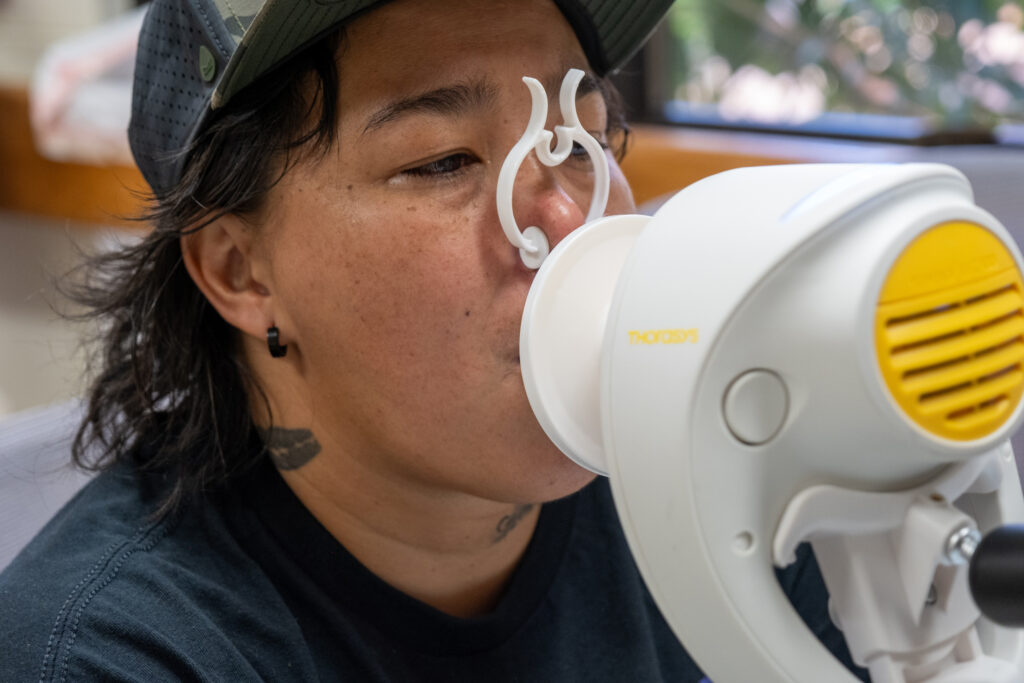
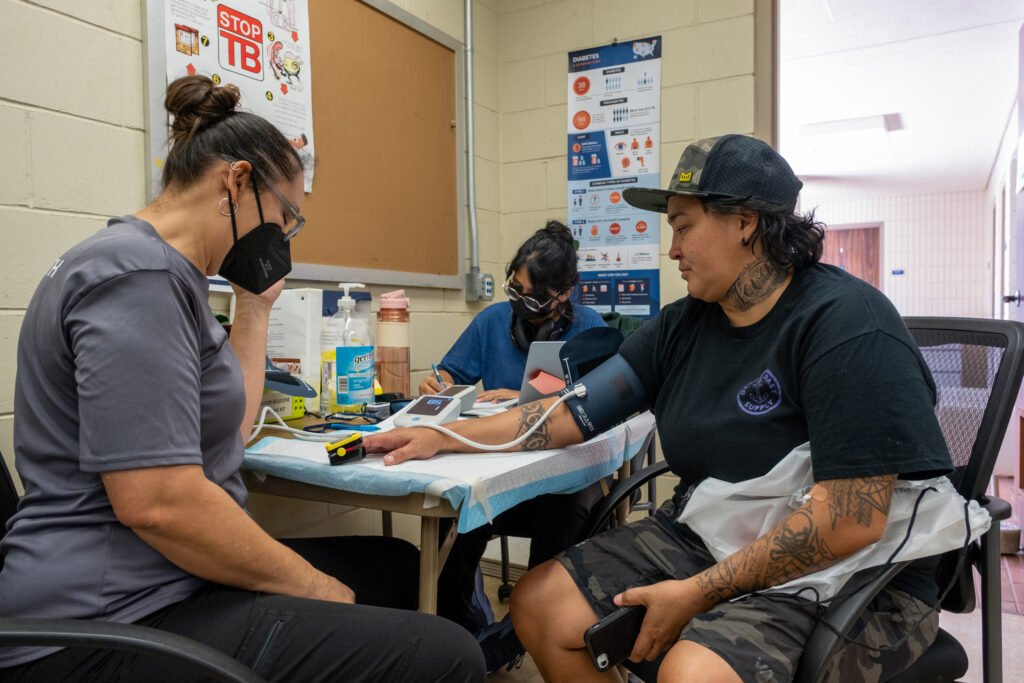
The methodology employed by MauiWES is rigorous and multi-faceted. When participants arrive for evaluation, they undergo a medical assembly line: urine sampling to detect environmental toxins, saliva collection to measure biomarkers of stress and accelerated aging, blood tests to evaluate metabolic and hematological function, dual lung health assessments, vital sign recordings, and psychiatric evaluations. Volunteer physicians subsequently review these diagnostic panels with each participant, translating complex medical data into actionable health steps.
The data gathered by the study has painted a concerning picture of post-disaster morbidity. In preliminary findings from early cohort groups, researchers discovered that approximately half of all participants exhibited pulmonary impairments indicative of chronic exposure to wildfire smoke and particulate matter. Furthermore, these diminished lung function metrics correlated strongly with elevated concentrations of toxic heavy metals—including arsenic, nickel, cadmium, and lead—detected in participants’ biological samples. These substances mirror the environmental contaminants identified by safety assessments within the Lahaina burn zone.
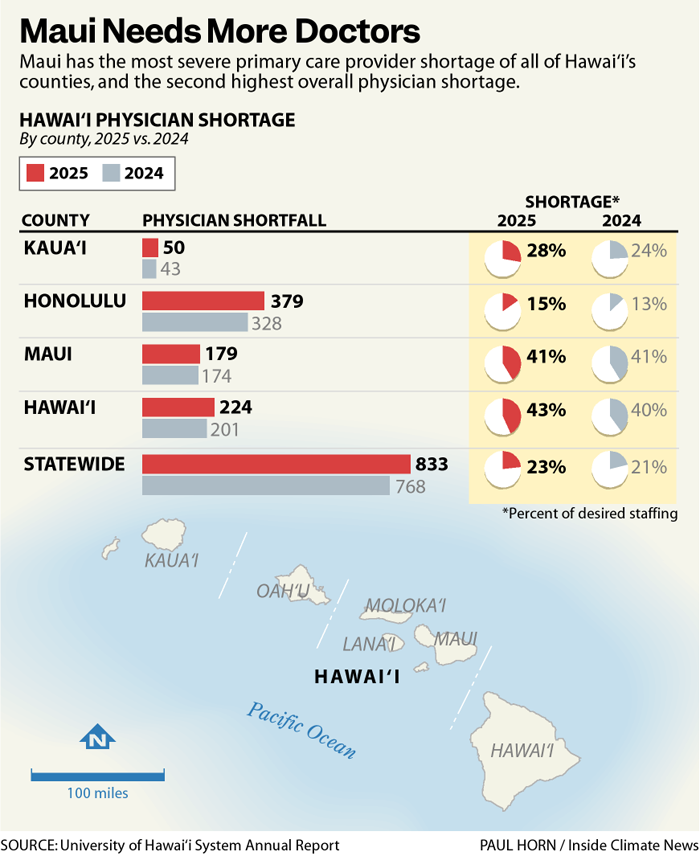
For many participants, the study served as an unexpected medical safety net. On an island suffering from a severe pre-existing shortage of primary care physicians, MauiWES frequently provided residents with their first post-disaster physical examinations. Documented interventions include identifying severe medical emergencies, such as critically low hemoglobin counts that required immediate hospitalization, and diagnosing acute pulmonary infections among uninsured, undocumented immigrants who subsequently received emergency health insurance coverage through collaborative partnerships with local advocacy groups like Roots Reborn and Kaiser Permanente.
Clashing Perspectives: Public Health Disagreements and Institutional Friction
Despite its clinical successes and widespread community endorsement, MauiWES has faced substantial political and institutional friction, particularly regarding its relationship with state regulators. The friction centers primarily on differing interpretations of environmental exposure risks within the burn zone.
In May 2024, the Hawaiʻi Department of Health released the results of a blood-lead screening involving 557 West Maui residents. State health officials reported that because very few individuals exhibited elevated blood-lead levels, broad population screening for other toxic substances found in the wildfire ash was unnecessary. State Health Director Kenneth Fink stated publicly that the agency did not anticipate finding widespread health impacts caused by burn-zone toxins based on those lead metrics.
Environmental health experts and University of Hawaiʻi researchers quickly challenged this conclusion, noting that lead is merely one of numerous toxic compounds present in post-wildfire debris and that its detectability in human blood diminishes relatively quickly after exposure. Public records requests later revealed internal government communications reflecting institutional anxiety over the divergence between state assessments and university findings. Following the publication of preliminary studies showing elevated heavy metal levels in more than 1,200 survivors, internal state emails indicated an urgent push by officials to manage public concern and distance the regulatory agency from the university’s epidemiological conclusions.
In October of the following year, the Department of Health formally criticized MauiWES in a letter addressed to the University of Hawaiʻi, taking issue with the study’s reliance on self-selected cohorts rather than randomized population sampling. The university defended its methodology, clarifying that MauiWES did not assert a definitive causal link between the fires and detected heavy metals, but rather highlighted critical public health vulnerabilities requiring clinical attention. Independent academics reviewing the correspondence noted that the public debate underscored the complex, often contentious dynamics of post-disaster communication between academic researchers and state regulatory bodies.
The Financial Precipice: Navigating Funding Deficits
As MauiWES entered its third year, its operational continuity was threatened by a severe funding shortfall. Initially established through philanthropic contributions from the Hawaiʻi Community Foundation and Kaiser Permanente, the study subsequently secured $2.3 million in state allocations and a $1.4 million grant from the National Institutes of Health (NIH) minority health disparities program.

However, subsequent shifts in the federal landscape introduced acute financial instability. Federal budget reductions and staffing cuts across academic and public health funding agencies significantly delayed pending grant renewals. Simultaneously, state-level efforts to secure long-term legislative support faltered. A bill introduced by West Maui State Senator Angus McKelvey, which proposed allocating $3 million to sustain and expand the study—particularly for pediatric evaluations—ultimately failed to clear the state legislature during its final session.
The potential termination of the study carries profound implications for the vulnerable populations it serves. Mental health professionals on the research team have documented persistent, severe psychological trauma, including post-traumatic stress disorder, clinical depression, and suicidal ideation among both adults and children experiencing protracted displacement and housing instability. Researchers emphasize that discontinuing the initiative would strip away a critical healthcare access point for low-income residents, immigrant communities, and Native Hawaiian families who continue to navigate the psychological and physical aftermath of the catastrophe.
A Model for Climate Resilience
Despite the precarious financial outlook, project co-leaders Juarez and Maunakea remain resolved to secure the resources necessary to continue tracking survivor health over a projected ten-year timeline. They argue that the lessons learned from MauiWES extend far beyond the Hawaiian archipelago, offering a vital operational blueprint for public health interventions following climate-driven disasters worldwide.
As climate change increases the frequency and severity of extreme weather events and catastrophic wildfires across the globe, the integration of rigorous epidemiological surveillance with immediate, community-centered medical and social intervention may prove indispensable. For the researchers and healthcare providers working in the makeshift clinics of Lahaina, the imperative remains clear: documenting and addressing post-disaster health disparities is not merely an academic endeavor, but an essential component of community survival and long-term resilience.
Related posts: