Bilt Rewards Announces Major Structural Changes to Credit Card Earning Mechanisms and Deadlines

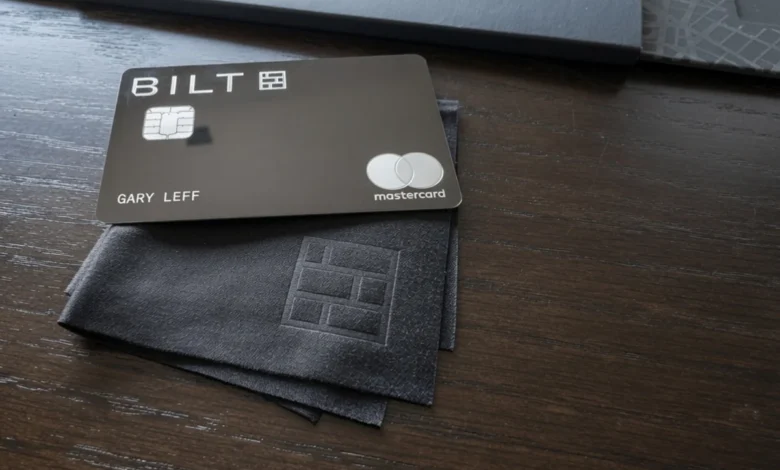
Bilt Rewards, the financial services company known for its unique loyalty program tied to rent payments, has announced significant modifications to its credit card reward structures. These changes, set to take effect in early 2027, require current and prospective cardholders to make definitive elections regarding how they accumulate Bilt Cash. As the ecosystem evolves, the company is shifting toward a new rewards model, though it is providing a window of opportunity for users to maintain their existing benefit structures under specific conditions.
The Core Structural Shift
At the heart of these changes is the "Flexible Bilt Cash" earning mechanism, which currently allows cardholders to earn 4% back on everyday spending. Under the updated policy, this specific earning rate is being deprecated in favor of a new rewards architecture. For individuals who prioritize the 4% return on non-housing expenditures, the transition represents a critical juncture.
The company has stipulated that all new applicants must apply, receive approval, and formally accept their card offer by December 31, 2026, to preserve the ability to opt into the 4% Bilt Cash structure. For existing cardholders, the timeline is tethered to their individual card anniversary dates occurring in 2027. If a cardholder fails to manually elect to retain the current Flexible Bilt Cash structure through the Bilt mobile application before their 2027 anniversary, the account will be automatically migrated to the new, default rewards framework.

Chronology of Implementation
The rollout of these changes follows a multi-phase approach designed to phase out legacy earning models while providing a transition period for power users.
- Late 2026 (The Acquisition Window): The deadline for new cardholders to secure the eligibility to maintain the 4% earning rate is December 31, 2026. Prospective users must navigate the full application and approval process before the close of the calendar year.
- January 1, 2027 (Policy Shift): The platform will officially transition its default rewards logic. Notably, certain redemption features, such as the Bilt Cash hotel redemption allowance, will shift from a monthly cycle to a biannual cycle for all users, regardless of their chosen earning structure.
- 2027 Anniversaries (Individual Deadlines): Existing cardholders must interact with their account settings to opt into the legacy structure before their first card anniversary in 2027. Once the transition to the new structure is triggered, it is considered irreversible.
Analysis of the Rewards Ecosystem
The Bilt credit card portfolio—which includes the Bilt Blue, Bilt Palladium, and Bilt Obsidian products—has gained market traction by offering rewards on rent payments, a category traditionally excluded from most credit card bonus structures. The 4% Bilt Cash earning on everyday spend has been a cornerstone for high-volume users, particularly those who utilize the platform’s "accelerators."

Accelerators allow cardholders to exchange Bilt Cash for a temporary increase in points earning on everyday purchases. For example, a cardholder might utilize 200 units of Bilt Cash to activate an accelerator that provides an additional point per dollar spent on the next $5,000 of eligible transactions. This cycle creates a compounding effect, where high spending not only earns points but also funds the very mechanisms that increase earning potential.
Data suggests that power users often leverage authorized user accounts to maximize these benefits. By adding an authorized user—often a spouse or family member—primary account holders can effectively double their access to transfer bonuses and individual accelerator caps. With separate accounts, each user can theoretically earn, redeem, and manage their own status-based benefits, including separate caps on transfer bonuses, which significantly increases the total utility of the household’s Bilt participation.

Implications for Cardholders
The shift in the reward structure is not merely a reduction in rates but a broader recalibration of how the company intends to incentivize spending. The new model places a higher emphasis on the platform’s standard point-earning capabilities rather than the flexible cash-back model that has characterized the Palladium and Obsidian cards.
For homeowners, the calculation of value is particularly complex. The "hidden power" of the Bilt card has often been the ability to optimize the relationship between housing payments and general spending. By maintaining a specific ratio of housing payments to general card usage, users have been able to achieve an effective return of 4 points per dollar on all spending. The removal or modification of the 4% Bilt Cash option will likely disrupt this mathematical advantage for many, forcing users to reassess their spending habits to ensure their returns remain competitive against other premium market offerings.

Furthermore, the adjustment to the expiration policy for Bilt Cash marks a significant departure from previous years. Bilt Cash earned in a given month will now remain valid for 12 months, expiring at the end of the month one year later. While this provides more flexibility than the previous "use-it-or-lose-it" annual cycle, it necessitates more disciplined account management to ensure that credits do not lapse.
Industry Context and Strategic Positioning
The financial services industry has seen a tightening of credit card reward structures as issuers grapple with rising costs of acquisition and the high value of points-based loyalty programs. By requiring users to take an active, manual step to "opt-in" to the legacy 4% structure, Bilt is effectively segmenting its user base. Those who are highly engaged—the "power users"—will likely take the necessary steps to preserve their current benefits, while more casual users may transition to the new, more simplified structure.

From an institutional perspective, the move allows Bilt to manage the long-term liabilities associated with high-earning, high-redemption accounts. By standardizing the rewards, the company can better forecast the redemption costs associated with their travel partners, which include a variety of airlines and hotel loyalty programs that operate on a 1:1 transfer ratio, with notable exceptions for specific partners like Accor and Amtrak.
Conclusion and Practical Guidance
For those currently holding or considering a Bilt card, the guidance is clear: inaction is the primary risk. The system defaults to the new, updated structure; therefore, the burden of choice rests entirely on the user.

Existing cardholders are advised to log into the Bilt mobile application, navigate to the rewards management dashboard, and verify their current selection. The interface clearly distinguishes between the "Flexible Bilt Cash" option and the new, default rewards model. Because the selection is permanent once the transition takes effect, it is recommended that users perform a brief audit of their annual spending patterns and their historical usage of Bilt Cash before finalizing their choice.
As the December 31, 2026 deadline approaches for new applicants, the market should expect a surge in interest from consumers looking to lock in the legacy benefits. Whether these benefits will remain the "best everyday rewards" structure in the long term remains a subject of ongoing debate among financial analysts, but for now, the ability to retain the status quo remains a valuable, time-sensitive opportunity for the informed consumer.