High-Tech Early Warning Systems Help Churchill, Manitoba Manage Longer Polar Bear Seasons As Climate Change Shrinks Sea Ice

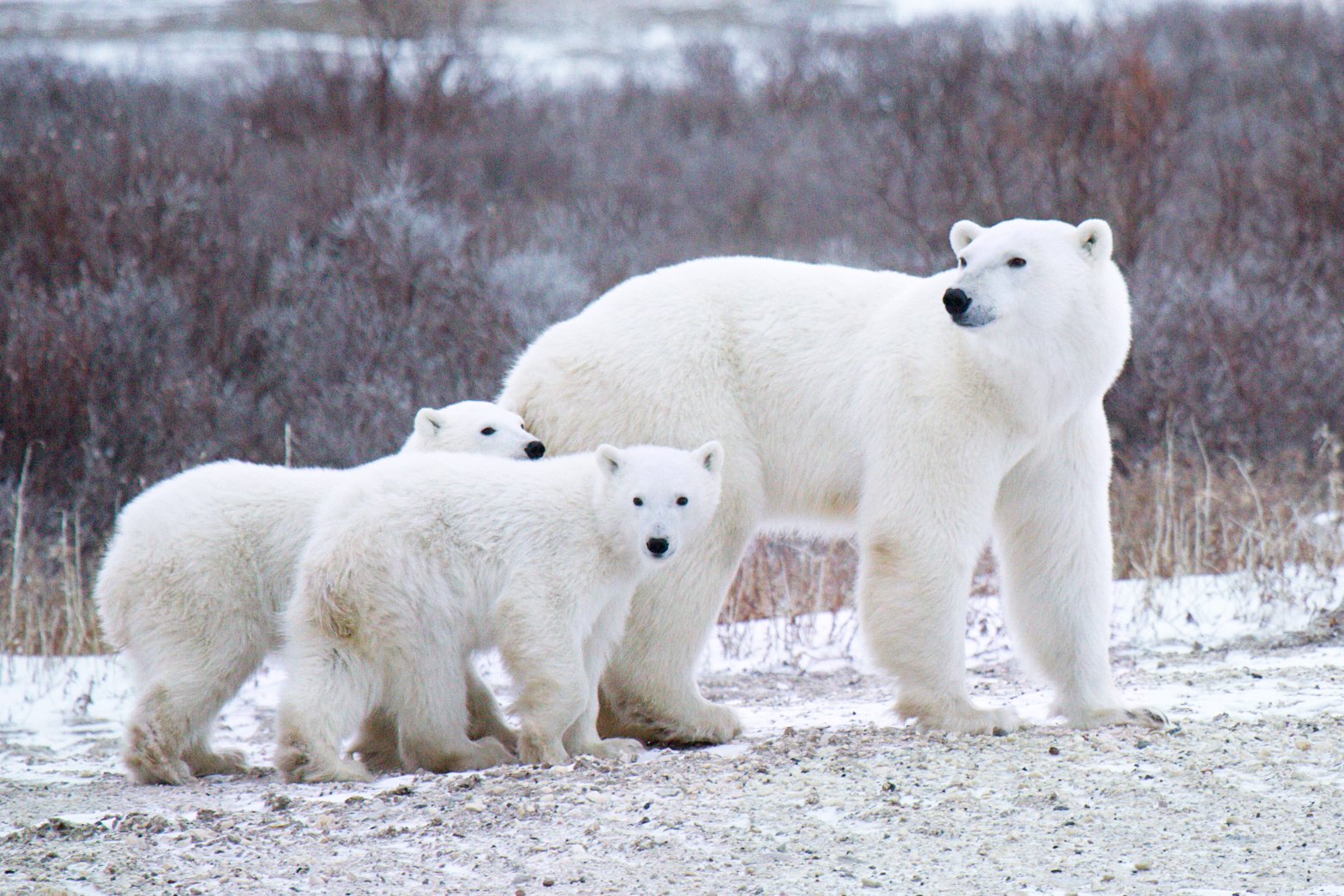
The coastal town of Churchill, Manitoba, long celebrated as the Polar Bear Capital of the World, is bracing for yet another autumn migration of apex predators. Each year as autumn descends upon the shores of the Hudson Bay, hundreds of polar bears (Ursus maritimus) migrate toward the coast, congregating in anticipation of the annual freeze. While typically solitary animals, these bears gather in significant numbers where freshwater inflows from the Churchill River and localized wind patterns cause the bay’s waters to ice over first. This seasonal gathering has become a major focal point for international conservation efforts, wildlife photography, and ecotourism. However, beneath the spectacle lies an escalating ecological crisis driven by rapid climate change, which has severely disrupted the delicate timing of the Arctic freeze and intensified the friction between human communities and displaced wildlife.
The Historical Context of the Western Hudson Bay Subpopulation
To understand the gravity of the current situation in Churchill, one must examine the unique ecological dynamics of the Western Hudson Bay polar bear subpopulation. Historically, this group of bears spent the late autumn, winter, and spring months roaming the sea ice platforms of the Hudson Bay, utilizing the frozen expanse as an essential hunting ground. Their primary caloric intake relies almost entirely on ringed and bearded seals, which they hunt by waiting at breathing holes or breaking through thin ice.
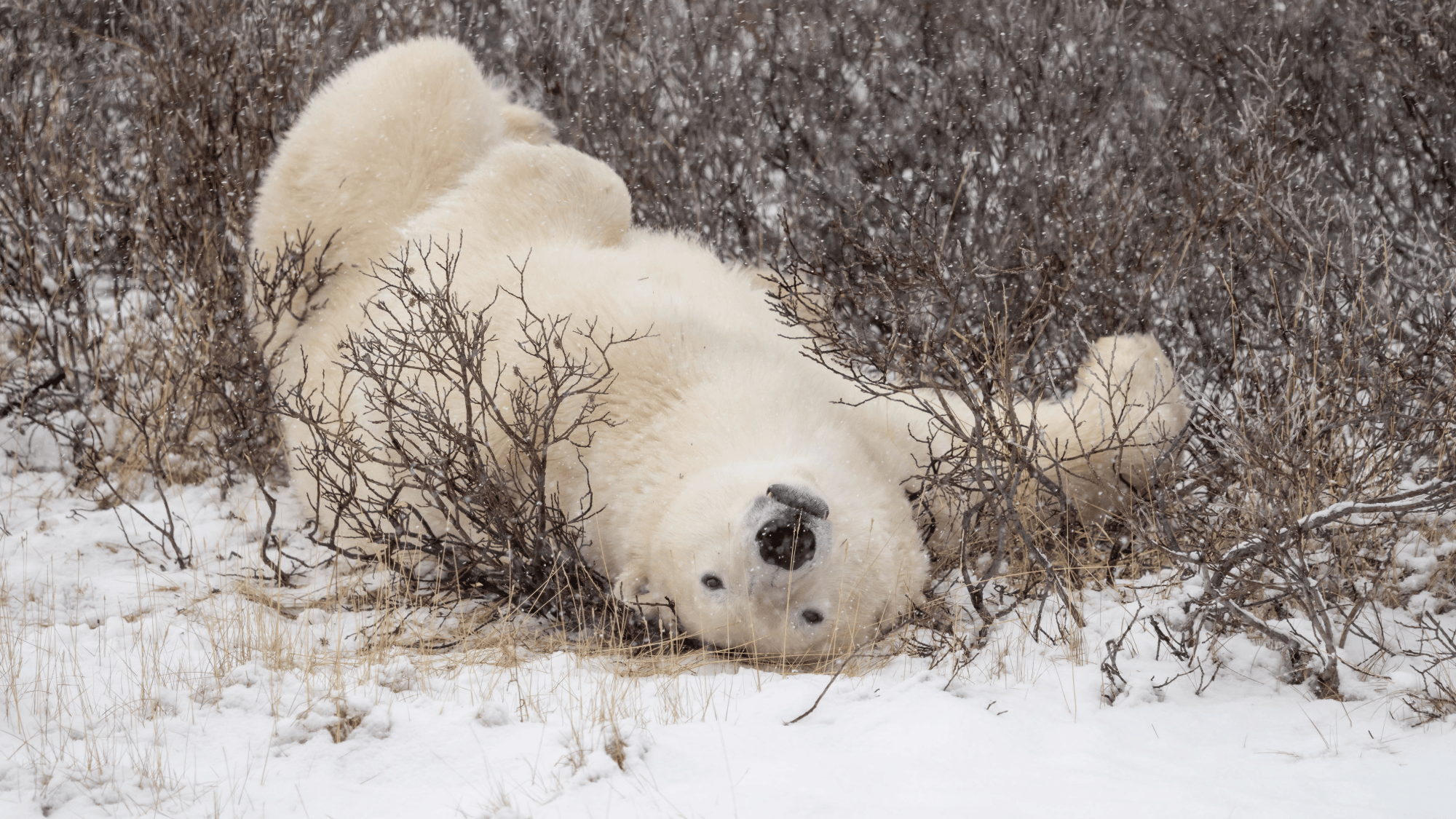
During the summer months, when the bay’s ice completely melts, the bears are forced ashore, where they undergo a prolonged period of fasting, subsisting primarily on stored body fat until the freeze returns in late autumn. For generations, this cycle of gorging on high-fat marine prey followed by terrestrial fasting functioned in a delicate biological equilibrium.
However, climate change has severely warped this seasonal rhythm. Scientific data compiled by organizations such as Polar Bears International (PBI) indicate that global temperature increases have disproportionately impacted the Arctic, causing sea ice to form later in the autumn and break up earlier in the spring. Consequently, polar bears in the Western Hudson Bay region are now forced to remain on land for approximately one month longer than their grandparents did just a few decades ago. This extended ice-free season deprives the bears of vital hunting opportunities, leading to nutritional stress, lower cub survival rates, and a measurable decline in overall population density. Studies reveal that the Western Hudson Bay polar bear population has approximately halved since 1979 due to sustained sea ice loss.
The Growing Threat of Human-Wildlife Conflict
As the duration of the ice-free season extends, hungry and food-deprived polar bears are spending more time roaming terrestrial landscapes in search of sustenance. This prolonged exposure inevitably leads them into closer proximity with human settlements. Churchill, a remote community of several hundred residents situated directly along the bears’ historical migratory path, finds itself on the front lines of this changing climate reality.

When polar bears come ashore, they are fundamentally fasting, yet their acute sense of smell draws them toward human habitation. Waste management facilities, municipal garbage bins, residential food odors, and even composting sites act as powerful magnets for curious and desperate predators. While municipal authorities in Churchill have long operated a specialized polar bear holding facility—often referred to informally as the polar bear "jail"—where problem bears are temporarily detained before being relocated or airlifted away from town, the sheer frequency of human-bear encounters has strained local resources.
The overlap between humans and bears is no longer confined to a brief, predictable window in late autumn. Instead, the shoulder seasons have widened, creating a protracted period of vulnerability. A single unsuccessful hunting attempt captured recently on video by PBI researchers—showing a stranded bear on the rocky shore fruitfully thrashing at water where a seal easily evaded capture—underscores the desperation of bears stranded on land without the structural advantage of sea ice.
Technological Innovations in Coexistence: Bear-dar and Bear-vision
Recognizing that traditional management strategies alone cannot keep pace with the accelerating impacts of climate change, conservationists, technologists, and local municipal leaders have accelerated efforts to develop proactive, technology-driven solutions. The goal is simple yet critical: to establish early-warning systems that foster safe coexistence by keeping humans and polar bears separated before conflict arises.
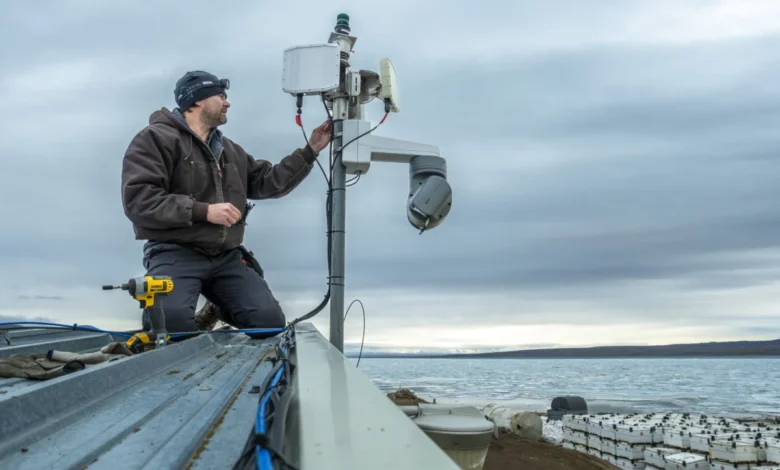
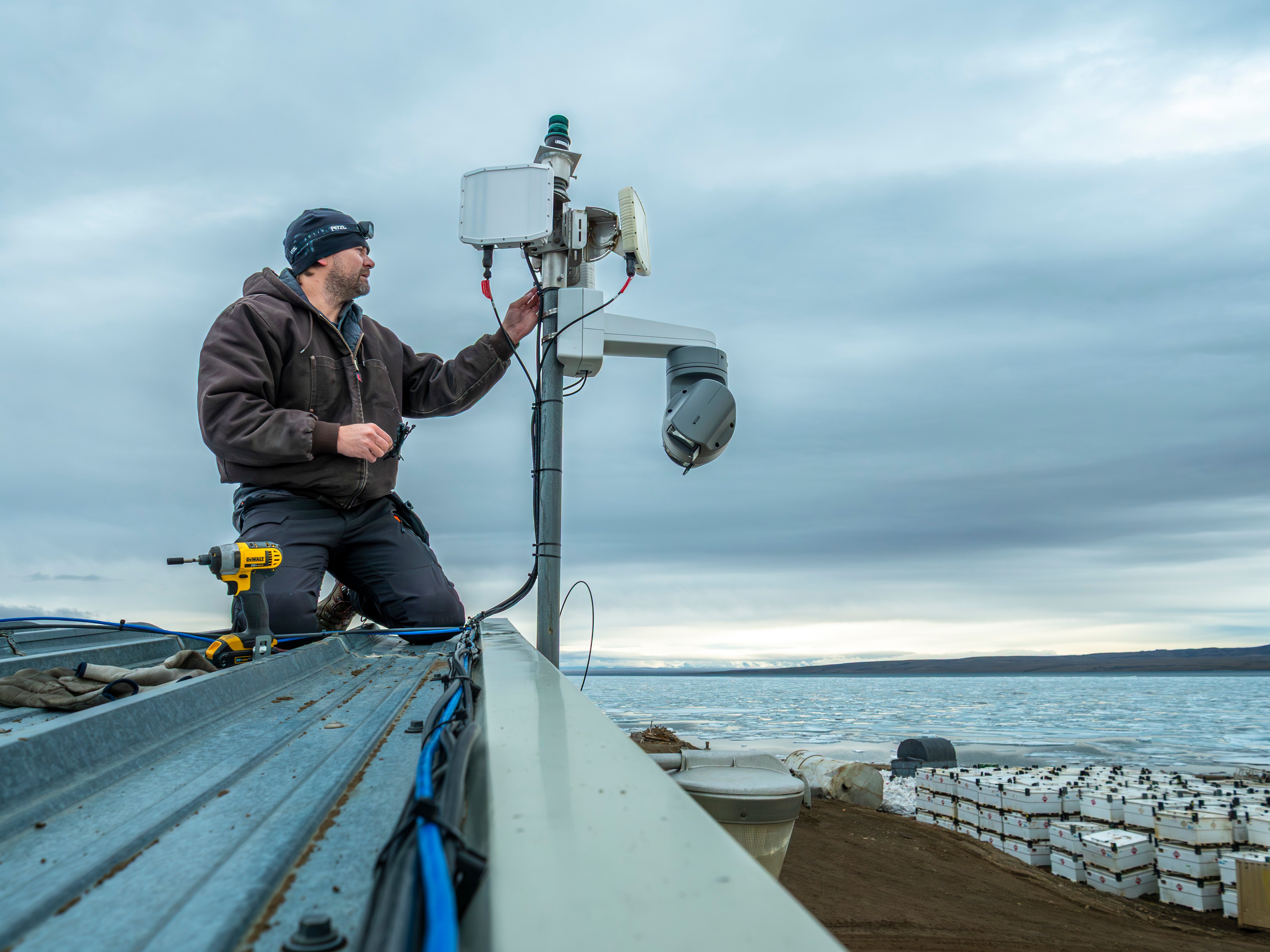
Led by researchers at Polar Bears International, field testing is currently underway for advanced surveillance technologies tailored specifically to harsh Arctic environments. Among these innovations is "Bear-dar," a medium-range polar bear detection radar system initially deployed at the Eureka Weather Station in Nunavut, Canada. Bear-dar utilizes specialized radar capabilities to scan vast expanses of rugged terrain, identifying the unique motion and signature of approaching bears long before they reach human infrastructure, thereby granting researchers and safety personnel vital minutes to react.
Complementing this industrial-grade radar is a more accessible, cost-effective tool currently being tested at Churchill’s municipal waste facility: "Bear-vision." Operating on a principle similar to a residential doorbell security camera, Bear-vision uses smart camera technology to monitor high-risk zones and automatically issue alerts when a polar bear enters the perimeter.
Alysa McCall, director of science at Polar Bears International, emphasizes the pragmatic utility of these initiatives. According to McCall, the objective of the PBI team is to make the underlying technology open-source and widely accessible to northern communities across the circumpolar Arctic. By deploying affordable, automated detection tools, remote villages and industrial outposts can drastically reduce negative encounters without causing harm to the vulnerable animals.
Broader Implications for Arctic Conservation
The challenges facing Churchill and its transient polar bear neighbors serve as a micro-cosm for the broader ecological shifts occurring across the entire polar north. As global greenhouse gas emissions continue to alter atmospheric and oceanic temperatures, the plight of Ursus maritimus stands as one of the most visible indicators of anthropogenic climate change.
The adaptation of Churchill from a traditional trapping and trading hub into a global center for proactive conservation technology highlights an evolving philosophy in wildlife management. Rather than merely reacting to crises as they unfold, scientists and local stakeholders are embracing data-driven resilience. Projects like Bear-vision and Bear-dar demonstrate that while halting the loss of Arctic sea ice requires global mitigation policies, local communities possess the capacity to innovate and protect both human lives and endangered wildlife in the interim.
Ultimately, the annual gathering of polar bears along the Hudson Bay remains a breathtaking testament to the resilience of nature. Yet, as the ice-free seasons grow longer and the margins for survival thinner, the future of these magnificent predators—and the safety of the communities that live alongside them—will increasingly depend on the integration of advanced technology, rigorous scientific monitoring, and global commitment to climate action.
Related posts: