The Great Digital Backlash: Voters Across America Overwhelmingly Reject Industrial-Scale Data Center Expansion in 2026 Midterms

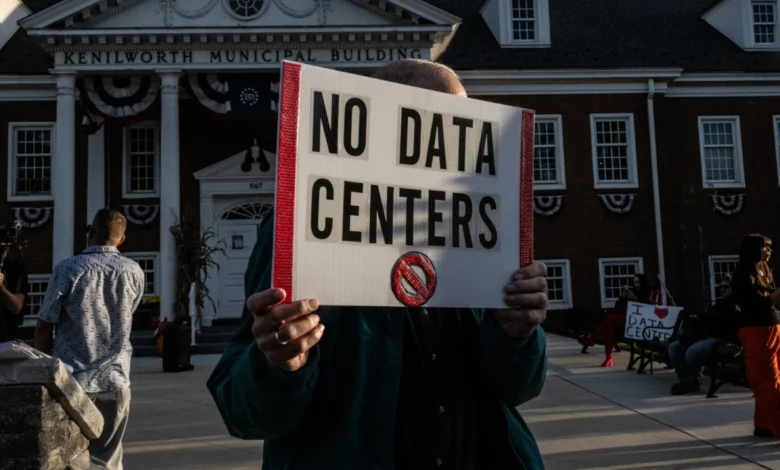
The landscape of American industrial policy underwent a profound transformation on November 3, 2026, as voters in ten states effectively halted the rapid, often clandestine, expansion of artificial intelligence infrastructure. In a series of nearly 40 ballot measures, citizens expressed a unified skepticism toward the "AI boom," resulting in the rejection of data center development in all but one municipality. This electoral outcome represents a significant shift in political power, pitting local community autonomy against the massive capital investment of Silicon Valley’s largest technology firms.
A Nationwide Referendum on Infrastructure
The 2026 midterm elections served as an unintentional, yet highly effective, national referendum on the environmental and economic costs of the AI revolution. From California to New Jersey, the ballot measures were largely driven by grassroots organizations concerned about the strain data centers place on local power grids, the depletion of local water tables, and the resulting increases in residential utility costs.
Of the nearly 40 measures considered, 39 resulted in either an outright ban or a mandatory moratorium on new facility construction. The only exception occurred in Harwood, North Dakota, where residents voted in favor of a proposed expansion. In every other instance—spanning Florida, Illinois, Kansas, Maine, Nevada, New Jersey, Ohio, and Wisconsin—the tech industry’s efforts to streamline development were soundly defeated. In some regions, such as Joliet, Illinois, the mandate was decisive, with nearly 80 percent of the electorate voting to restrict future development.
Chronology of the Movement
The rise of this resistance did not occur in a vacuum; it is the culmination of years of mounting tension between technology giants and marginalized communities.
- Early 2024–2025: Local advocacy groups, particularly in the South, began mobilizing against the lack of transparency in site selection. The xAI facility in Memphis, Tennessee, became the flashpoint for this movement, with local activists like Memphis Community Against Pollution challenging the environmental oversight of Elon Musk’s projects.
- Summer 2026: Recognizing the surge in local ordinances, tech interests significantly ramped up campaign spending, attempting to override municipal zoning laws through state-level lobbying and direct contributions to sympathetic candidates.
- October 2026: Financial disclosures revealed that tech conglomerates and their allies were outspending grassroots opposition by a ratio of 100 to 1, utilizing non-disclosure agreements (NDAs) to keep community members in the dark regarding the specifics of upcoming developments.
- November 3, 2026: The midterm results signaled a "political earthquake," with voter turnout in these specific districts largely driven by the promise of protecting local land and energy stability.
The Economics of Opposition: Data and Disparity
The primary driver of this electoral backlash is the tangible impact data centers have on the average American household. Data centers are notoriously power-hungry, requiring massive, consistent flows of electricity to cool their server racks. As these facilities have proliferated, local utility grids have struggled to maintain capacity, leading to rate hikes that disproportionately affect low-to-middle-income families.
Data from recent economic analyses indicate that in regions with high concentrations of AI infrastructure, residential utility costs have risen by an average of 12 percent over the last 24 months. Furthermore, the practice of locating these facilities in historically marginalized communities—often described by activists as "environmental racism"—has galvanized a diverse coalition of voters. In Joliet, Illinois, the opposition was led by Black and Latino residents who had spent decades contending with the pollution generated by heavy trucking and warehouse industries. For these voters, the data center issue was not merely about technology; it was a matter of survival and environmental justice.
Campaign Finance and Corporate Influence
The 2026 cycle witnessed an unprecedented influx of corporate capital into local and federal races. Elon Musk’s personal contribution of $474 million to Republican and pro-AI candidates represents the largest single-donor expenditure in the history of American elections. Despite this immense financial advantage, the industry failed to secure the public support necessary to override local zoning concerns.
In California, a state often considered the cradle of the tech industry, a CalMatters analysis found that Google, Meta, and other Big Tech interests provided at least 20 percent of all contributions for state legislative races. This aggressive spending backfired in many instances, as voters increasingly viewed the contributions as an attempt to purchase policy outcomes at the expense of local oversight.
Political Implications and the Trump Agenda
The election results act as a direct rebuke to the federal strategy championed by the Trump administration. With the White House having previously vowed to establish the United States as the "AI capital of the world," the administration’s focus on deregulation and federal funding for AI infrastructure found little support at the ballot box.
Analysts note that the opposition to data centers is a bipartisan phenomenon. Polling conducted on November 4 showed that a majority of Republican voters, despite their party’s platform, expressed opposition to the construction of data centers in their own neighborhoods. This creates a complex landscape for the incoming Congress, which must now reconcile its pro-AI economic agenda with a clear, localized mandate from the electorate to slow or stop such development.
Official Responses and Future Outlook
The League of Conservation Voters (LCV) and other environmental advocacy groups have hailed the election results as a landmark victory for democratic participation. In Alabama, the LCV’s targeted $300,000 digital ad campaign—which highlighted the correlation between data center expansion and increased electricity bills—is credited with contributing to the victory of U.S. Rep. Shomari Figures.
"This win is a huge victory, especially for Black communities in Alabama whose voices were attempted to be silenced by the racial gerrymandering efforts of the state legislature and Supreme Court earlier this year," said LCV President Pete Maysmith.
The tech industry, meanwhile, has remained largely silent regarding the electoral defeats, though industry analysts suggest that companies may pivot toward more "stealth" development strategies or focus their expansion efforts on international markets with fewer regulatory barriers. However, the precedent set by the 2026 midterms suggests that developers can no longer rely on quiet, backroom deals with municipal officials.
Conclusion: A New Era of Local Oversight
The 2026 midterms demonstrate that the American public is increasingly aware of the hidden costs of the digital age. As AI continues to integrate into every facet of modern life, the tension between the global demand for data processing and the local demand for sustainable, affordable living is likely to intensify.
The "political earthquake" of November 3 serves as a clear warning to both corporate leaders and elected officials: the era of unchecked industrial expansion, implemented without the consent of the people living in its shadow, is coming to a close. For the millions of voters who participated in this election, the message is that the benefits of the digital revolution cannot come at the cost of their utility bills, their local environment, or their right to decide the future of their own communities. As the dust settles, the focus now shifts to the incoming legislative sessions, where the real battle over energy policy and infrastructure accountability will continue.