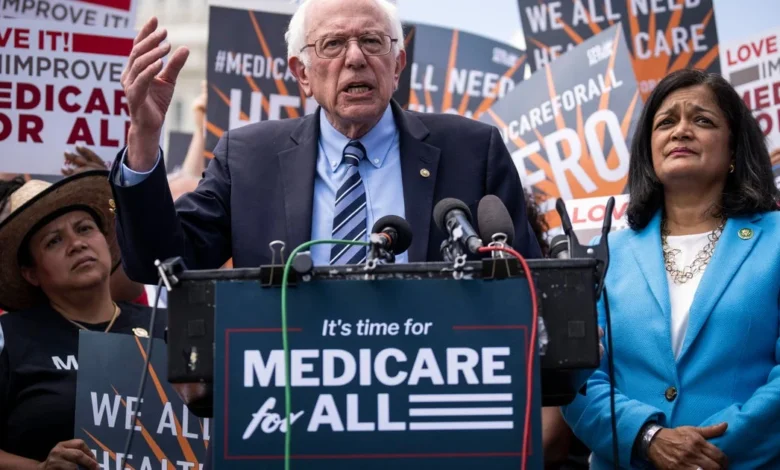
Fifteen years in an emergency room environment have left Kim Bogan, a nurse in Lansing, Michigan, with a singular, hardening conclusion: the current American healthcare architecture is fundamentally incapable of meeting the needs of its citizens. Her daily reality is defined by the triage of increasingly sicker patients, many of whom arrive with conditions exacerbated by their inability to afford basic pharmaceutical prescriptions. In the high-pressure environment of the ER, Bogan frequently finds herself forced to divide her attention among five or six critical cases simultaneously, leading to a persistent, haunting professional anxiety that better outcomes might have been possible under different circumstances. This conviction drove her to balance grueling 12-hour shifts at Sparrow Hospital with an intensive campaign for Abdul El-Sayed, the Democratic candidate who successfully pivoted his congressional platform on the cornerstone of "Medicare for All."
The 2026 midterm elections have fundamentally altered the landscape of federal policy, as a sweeping "blue wave" handed Democrats control of both chambers of Congress. Yet, despite the electoral success of candidates who championed single-payer or universal coverage, the path forward for such ambitious legislation remains fraught with political, economic, and logistical obstacles. The tension between the progressive wing’s mandate and the pragmatism of a divided electorate has set the stage for one of the most consequential policy battles of the next decade.
The Legislative Landscape and the 2026 Mandate
The 2026 midterm cycle was characterized by deep-seated voter frustration regarding economic instability, systemic corruption, and the lingering effects of the post-pandemic healthcare affordability crisis. While the Democratic Party saw significant gains, political analysts note that the electoral result was not a monolithic endorsement of a government-led health insurance overhaul. Jonathan Oberlander, a professor of health policy at the University of North Carolina-Chapel Hill, suggests that voters were primarily driven by immediate anxieties—inflation and the cost of living—rather than a specific directive to dismantle the private insurance industry.
Data from the election cycle reveals a nuanced reality: while progressive champions like El-Sayed successfully navigated the primary and general elections in states like Michigan, Maine, and Oregon, many of the most vocal advocates for total government-run healthcare won their seats by narrower margins than their more moderate counterparts. This discrepancy underscores the "red-leaning" electoral map that remains a significant barrier to radical systemic change. For Democrats holding slim majorities, the political risk of pursuing a policy that could jeopardize their standing in moderate or conservative-leaning districts is immense. Consequently, the party’s leadership is currently performing a delicate balancing act: acknowledging the grassroots pressure for reform while attempting to maintain the coalition that allowed them to flip key seats.
Economic Realities and the Cost of Reform
The urgency for reform is anchored in stark economic data. Following the expiration of enhanced Affordable Care Act (ACA) subsidies at the end of 2025, households across the country have faced a sharp spike in monthly premiums. For many, like Jaime Bardenhagen, a former nurse in northern Michigan, the impact has been immediate and devastating. Bardenhagen, who manages complex health challenges including Parkinson’s disease and a rare genetic condition known as sialidosis, saw her household premiums climb from $700 to $1,300 per month. Faced with a $7,500 deductible, the Bardenhagen family was forced to delay necessary medical testing—a narrative that is increasingly common in rural and middle-class America.
The financial strain is exacerbated by broader macroeconomic pressures. Premiums for employer-sponsored insurance are projected to rise by double digits in the coming year, while upcoming Medicaid funding cuts are expected to swell the ranks of the uninsured by an estimated 7.5 million people by 2034. These figures provide the backdrop for the current push toward universal healthcare. Proponents argue that the current system is not only inhumane but economically unsustainable, as the burden of uncompensated care continues to fall on hospitals and taxpayers.
The Opposition: A Multi-Front Battle
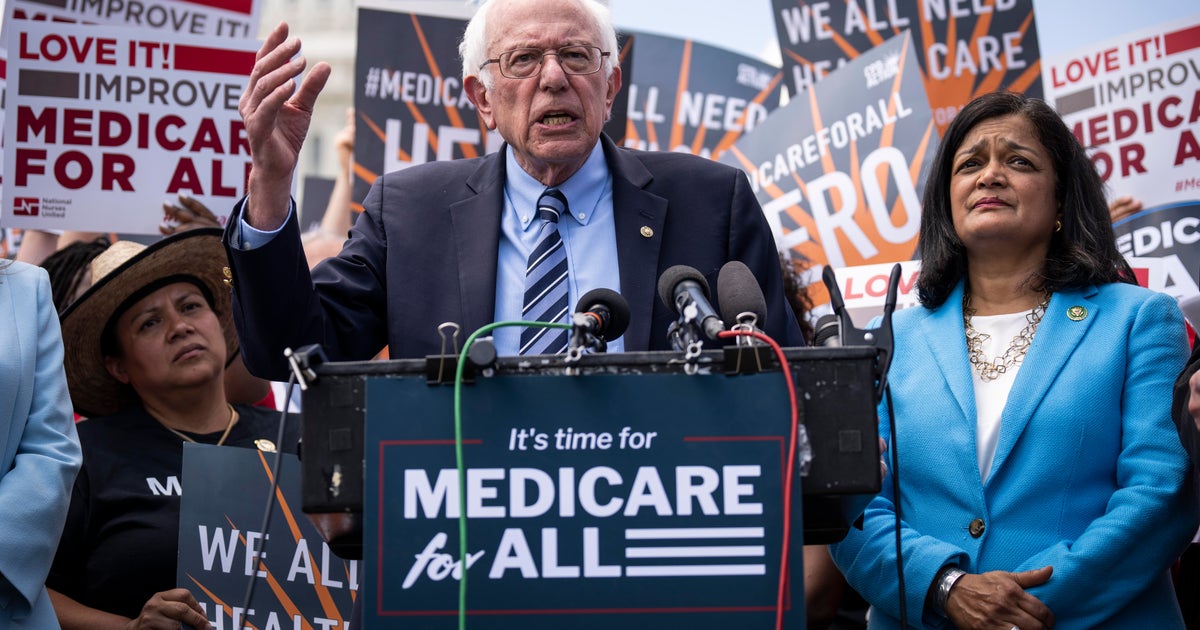
Resistance to "Medicare for All" is rooted in deep-seated concerns regarding fiscal sustainability and the potential for a massive disruption of the labor market. Michael Cannon, a healthcare economist at the Cato Institute, argues that the transition would trigger an unprecedented backlash from the healthcare industry. Cannon posits that if the government were to set price levels as low as those proposed by some progressive advocates, the private sector would effectively be decimated, potentially leading to a degradation of care.
Furthermore, public opinion remains volatile. While polls often show broad support for the concept of universal coverage, that support tends to erode when voters are presented with the specific trade-offs, such as potential tax increases or the loss of existing private plans. A recent KFF poll highlighted that the "Medicare for All" brand remains highly susceptible to messaging regarding bureaucratic overreach and the threat to personal choice. For critics, the government’s inability to manage existing entitlement programs at a sustainable cost serves as a primary argument against further expansion.
Strategic Alternatives: The Middle Path
As the 120th Congress prepares to convene, the focus is shifting from "all-or-nothing" proposals toward incremental, yet significant, legislative fixes. Legislative strategists point to several "low-hanging fruit" opportunities that could gain bipartisan traction. These include:
- Reinstating ACA Subsidies: Restoring the expired subsidies to stabilize the insurance exchange market and prevent further premium spikes.
- Curbing Prior Authorizations: Implementing federal standards to limit the power of insurance companies to require prior approval for treatments, a move that enjoys broad public and provider support.
- The Public Option: Developing a government-backed plan that exists alongside private insurance, allowing citizens to opt in without mandating the dissolution of employer-sponsored coverage.
This hybrid approach, favored by moderate Democrats, seeks to provide a "guaranteed baseline" of health insurance. Senator-elect Abdul El-Sayed has recently suggested that the goal should not be to outlaw private insurance, but to ensure that every American has access to a robust, government-provided safety net. This strategy aims to satisfy the base’s desire for systemic change while avoiding the political toxicity of a complete industry takeover.
Looking Ahead to 2028
The implications of the 2026 election results are likely to dominate the discourse leading into the 2028 presidential primaries. Healthcare affordability will remain the primary driver of political engagement. As Sara Collins of the Commonwealth Fund observes, the pressure on both parties to deliver tangible results has never been higher. With voters increasingly distrustful of institutional promises, the window for meaningful legislative action is narrowing.
For many in the medical field, like Kim Bogan, the policy debate is an abstraction compared to the daily struggle of patient care. The legislative path remains uncertain, but the consensus among policy analysts is clear: the status quo is no longer an option. Whether through a radical restructuring of the insurance market or a series of targeted, bipartisan reforms, the federal government is now under immense pressure to stabilize a system that millions of Americans find increasingly inaccessible.
Ultimately, the trajectory of healthcare reform will depend on whether policymakers can transform the rhetoric of the 2026 campaign trail into actionable, sustainable legislation. If they fail to address the underlying affordability crisis, the volatility witnessed in the 2026 midterms may only be a precursor to a more profound political realignment in the coming years. For now, the debate over "Medicare for All" continues to serve as the defining fault line in American politics, representing both the potential for a new social contract and the deep divisions that prevent its enactment.