California Deploying State Election Observers to Counter Influx of Federal DOJ Monitors Amid Ongoing Voting Integrity Disputes

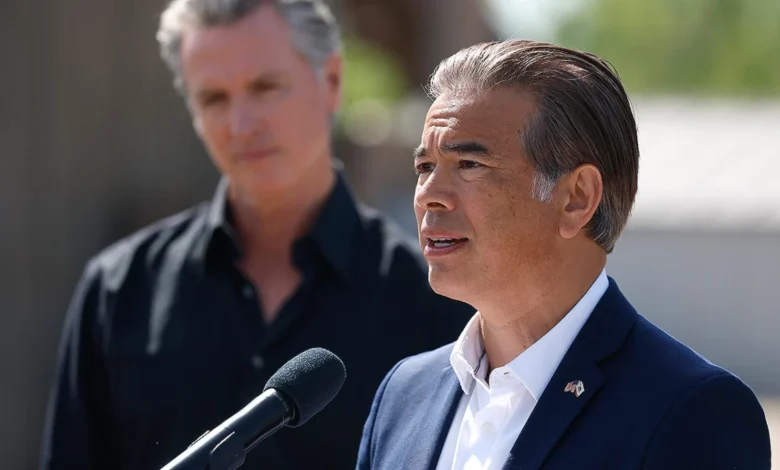
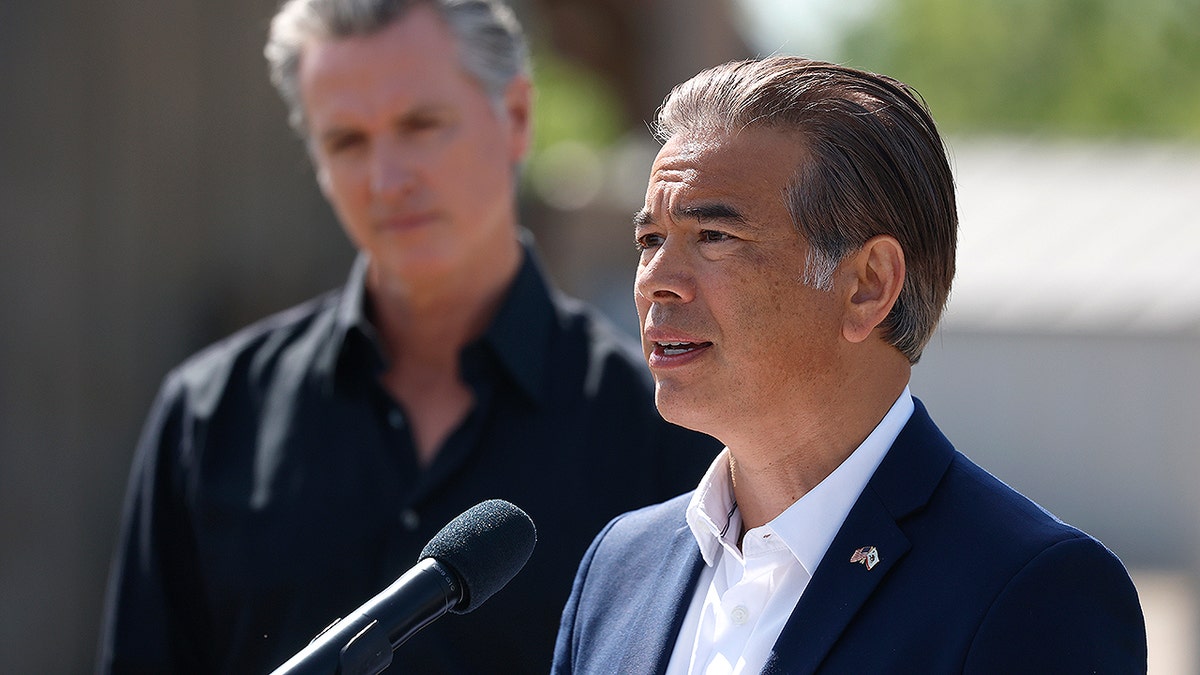
California Attorney General Rob Bonta announced Tuesday afternoon that the state will deploy its own official election observers to polling sites across the state, a move designed to counter potential voter intimidation and manage concerns arising from an unprecedented deployment of federal Justice Department monitors.
The state-level intervention mirrors strategies deployed during the past two election cycles, where California dispatched state personnel alongside federal officials. This year, however, the backdrop involves heightened tension between state leaders and federal authorities over election integrity, voter roll maintenance, and federal oversight.
The Department of Justice’s Civil Rights Division has orchestrated a nationwide deployment involving approximately 1,000 monitors dispatched to all 50 states for the first time in history. The operation encompasses personnel from various federal agencies, including U.S. Attorney’s Offices and the Office of Personnel Management, with targeted deployments in major California urban centers such as Los Angeles, Alameda, Sacramento, and San Diego.
Tensions Rise Over Historic Federal Deployment
The massive federal footprint has reignited a fierce debate over the boundaries of federal authority versus state control in administering elections. While federal election monitoring is a routine practice authorized under federal civil rights laws to protect the right to vote and ensure accessibility for individuals with disabilities, the scale of the current operation has drawn sharp criticism from state officials.
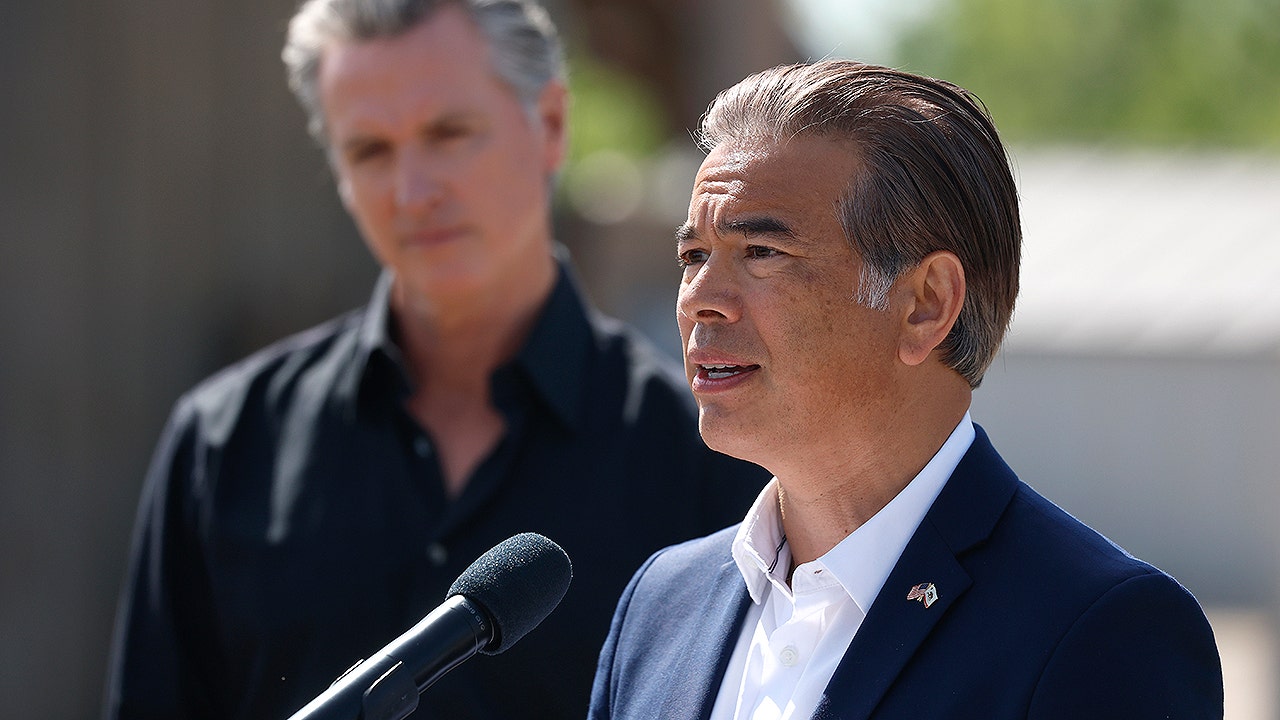
Attorney General Bonta and other state leaders argue that an unusually large federal presence could create an atmosphere of apprehension, potentially spooking voters or discouraging participation at the polls. Critics contend that heavy-handed federal oversight risks crossing the line from observation into intimidation, particularly in diverse communities with high immigrant populations.
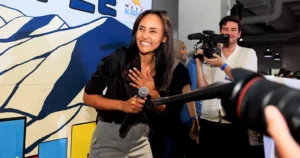
Conversely, federal officials have vigorously defended the scope of the operation. Assistant Attorney General Harmeet Dhillon, who leads the DOJ’s Civil Rights Division, emphasized in recent interviews that the role of the monitors is strictly observational. According to Dhillon, federal personnel are tasked with documenting voting practices, evaluating accessibility, and gathering facts to investigate potential irregularities after the polls close, rather than intervening directly with voters or polling operations in real time.
Furthermore, Dhillon stressed that federal monitors are strictly instructed to comply with state laws governing polling place perimeters. In states where laws prohibit monitors from entering voting facilities and mandate that they remain outside designated boundaries—such as 150 yards from the entrance—federal personnel are expected to adhere fully to those restrictions. The DOJ noted that similar monitoring efforts were successfully conducted during primary elections earlier in the year across seven states, including Michigan, Florida, Minnesota, and New Hampshire, without widespread disruption.
Background Context and Legal Battles
The deployment of federal monitors coincides with an escalating legal and political conflict between the Trump administration and California state officials over voter registration and election administration.
The friction reached a critical juncture when the DOJ filed a high-profile lawsuit against California concerning noncitizen voter eligibility. The federal government has actively pushed to crack down on individuals registered to vote who lack U.S. citizenship, arguing that rigorous roll maintenance is essential to preserving election integrity. Acting Deputy Attorney General Trent McCotter has publicly championed these enforcement efforts, detailing federal initiatives aimed at cleaning up state voter rolls.
Adding to the legal complexities, the Supreme Court issued a significant ruling just a day prior to the general election, rejecting an emergency bid by the Trump administration. The administration had sought to force California election officials to segregate provisional ballots cast by approximately 20,000 voters whom federal authorities believe may be noncitizens. The high court’s refusal to grant the request left existing state procedures intact for the immediate election cycle, highlighting the ongoing tension between federal directives and state-administered voting frameworks.
Chronology of Events Leading to the Election Day Clash
The events leading up to the current standoff reflect months of escalating regulatory and judicial maneuvering:
- Early 2026: The DOJ initiates heightened scrutiny of state voter registration databases, focusing heavily on states with progressive registration policies, leading to investigations and subsequent litigation against California.
- August 2026: Assistant Attorney General Harmeet Dhillon outlines the scope of the upcoming federal monitoring program in media interviews, emphasizing that the Civil Rights Division plans an expanded presence to ensure compliance with federal voting rights and disability access laws.
- Fall 2026: The DOJ publicly releases its monitoring blueprint, revealing plans to deploy personnel to all 50 states—marking the largest federal election observation effort in U.S. history. California officials express immediate concern over potential voter suppression tactics.
- Monday Prior to Election Day: The U.S. Supreme Court denies the Trump administration’s request to compel California to segregate ballots cast by roughly 20,000 contested voters.
- Tuesday Afternoon: California Attorney General Rob Bonta officially announces the deployment of state election observers to match federal monitors in key jurisdictions, while the DOJ confirms that its nationwide monitoring operation is proceeding smoothly without major reported confrontations.
Official Responses and Perspectives
The dueling deployments underscore a deep philosophical divide regarding who bears the primary responsibility for policing and protecting the ballot box.
Supporters of the federal monitoring program argue that robust oversight is a necessary safeguard to restore public confidence in democratic institutions. Proponents point to modern concerns regarding voter roll accuracy, administrative transparency, and the need to guarantee that every eligible American can exercise their franchise free from local administrative bias or physical barriers.
On the other end of the spectrum, state defenders view federal intervention as an unwarranted intrusion into traditional state sovereignty. Under the U.S. Constitution, states hold primary authority over the "Times, Places and Manner" of holding elections. California officials maintain that the state’s robust legal protections and existing local monitoring apparatus are more than sufficient to guarantee a fair, accessible, and secure election process, rendering heavy federal oversight redundant and potentially counterproductive.

Broader Implications for American Elections
As the dust settles on Election Day, the standoff in California serves as a bellwether for the future of American election administration. The intersection of aggressive federal enforcement regarding voter eligibility and state-level resistance to federal monitors highlights a growing national polarization over election rules.
Legal experts suggest that the friction between the DOJ and states like California will likely accelerate long-term litigation concerning the scope of federal civil rights enforcement versus state autonomy under the Tenth Amendment. Whether these historic federal monitoring efforts become a permanent fixture of future election cycles or prompt legislative reforms to restrict federal oversight will depend heavily on the judicial outcomes of ongoing legal battles and the shifting political landscape.
For now, despite the high-stakes rhetoric and conflicting directives from state and federal legal teams, election officials across California reported that voting proceeded largely without major incident, with both state and federal observers stationed to document the historic proceedings.