In the Company of Pandas: Exploring the Secrets of the World’s Favorite Bear Offers an Inside Look at Conservation Challenges

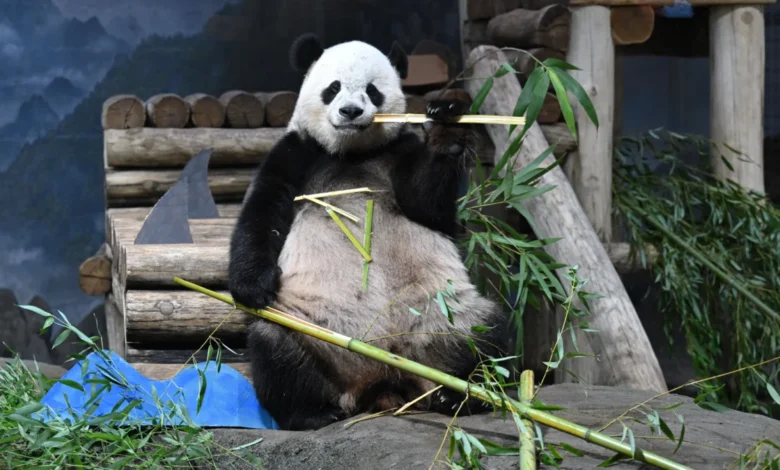
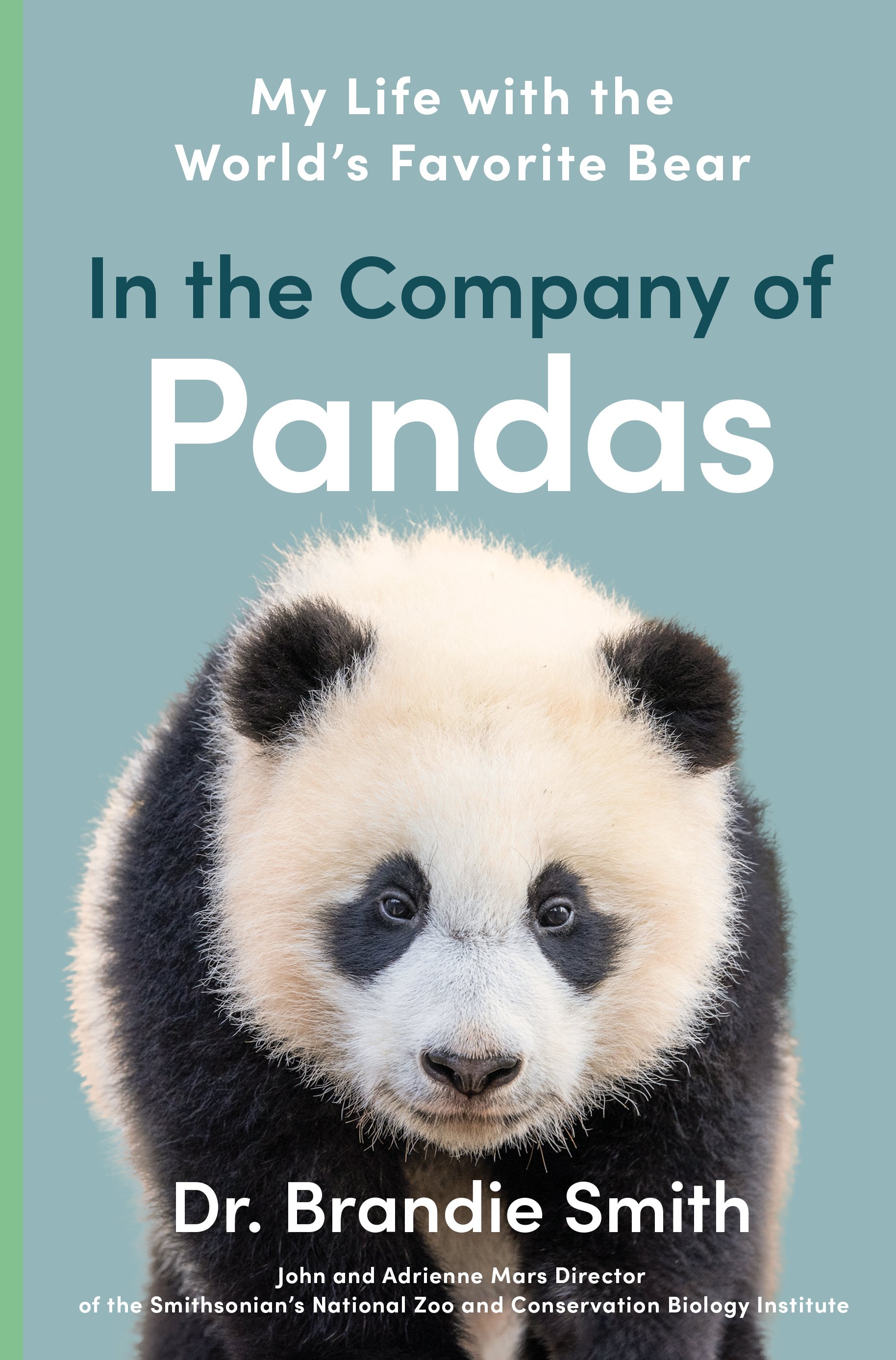
The intricate, high-stakes world of giant panda conservation involves far more than casual wildlife viewing, requiring decades of international diplomacy, rigorous population genetics, and intensive veterinary management. A forthcoming book by Dr. Brandie Smith, the John and Adrienne Mars Director of the Smithsonian’s National Zoo and Conservation Biology Institute, titled In the Company of Pandas: Exploring the Secrets of the World’s Favorite Bear, sheds light on the behind-the-scenes realities of managing one of the planet’s most beloved and vulnerable species. Published by Atria Books, the memoir provides a rare, expert perspective on the pressures, misconceptions, and bureaucratic hurdles inherent in modern zoological breeding programs.
The Mandate of Modern Conservation
When Dr. Smith stepped into her role as curator at the Smithsonian’s National Zoo, the expectations communicated to her were unambiguous. Armed with a PhD in population genetics and theoretical knowledge of endangered species reproduction, she faced a steep learning curve regarding the hands-on realities of captive management. Her primary directive was straightforward: facilitate successful breeding to ensure the survival of the species.
At the time of her arrival, roughly three years had passed since the historic birth of Tai Shan, the first surviving cub born to the zoo’s resident breeding pair, Mei Xiang and Tian Tian. Given that giant pandas typically experience a two-year interval between births, the atmosphere among the zoo’s staff was not one of panic, but rather of calculated determination. Weekly breeding and birthing strategy meetings brought together a multidisciplinary team—including curators, zookeepers, veterinarians, scientists, and zoo directors—to meticulously review every parameter affecting the reproductive process. Every environmental and physiological detail was fine-tuned to maximize the likelihood of a successful pregnancy and to provide the expectant mother with optimal conditions.
Historical Context: Diplomacy and the "Panda Sex Problem"
The fascination surrounding giant panda reproduction is not a modern phenomenon, nor is the institutional anxiety associated with it. The relationship between the United States and giant pandas officially began in 1972, following a historic state visit to China by President Richard Nixon. During a dinner in Beijing, First Lady Pat Nixon mentioned to Chinese Premier Zhou Enlai that she adored the giant pandas. Shortly thereafter, China gifted two giant pandas, Ling-Ling and Hsing-Hsing, to the American people.
Upon announcing the impending arrival of the bears in an interview with The Washington Star, President Nixon highlighted a prevailing anxiety: "The problem, however, with pandas is that they don’t know how to mate."
Recognizing this challenge long before the animals reached sexual maturity, then-Director Ted Reed took proactive steps. In anticipation of their arrival, Reed hired the zoo’s first female scientist, Devra Kleiman, specifically to serve as a reproductive zoologist. Archival correspondence between Reed and Smithsonian Secretary S. Dillon Ripley reveals the depth of the institution’s preoccupation with breeding the animals. Reed frequently and candidly documented the years-long failures, noting on one occasion that the inability to breed the pandas felt like "a defeat for machismo; an utter humiliation for all zoo males." These frank exchanges underscore the immense institutional pressure placed on 20th-century zoological pioneers to decode the biological complexities of a species under global scrutiny.
Public Perceptions Versus Biological Realities
One of the most persistent cultural myths surrounding Ailuropoda melanoleuca is that giant pandas are inherently inept at reproduction, bordering on a total lack of instinct. Dr. Smith’s work addresses this misconception directly, pointing out the chronological absurdity of the narrative. Giant pandas and their evolutionary precursors have inhabited the earth for millions of years. Given a wild lifespan averaging between 15 and 20 years, the species could not have survived into the twenty-first century without consistent, successful procreation.
Despite this evolutionary success, public fixation on the reproductive habits of pandas remains uniquely intense. Observers note a stark contrast in how the public reacts to the natural behaviors of different animals. While human visitors often exhibit modesty or attempt to shield children from observing the mating behaviors of other zoo species—such as dismissing an elephant’s physiological responses or rushing past amorous orangutans—giant pandas command an entirely different cultural response. When pandas attempt to mate, public areas frequently fill with crowds lining up to watch, document, and vocally encourage the animals.
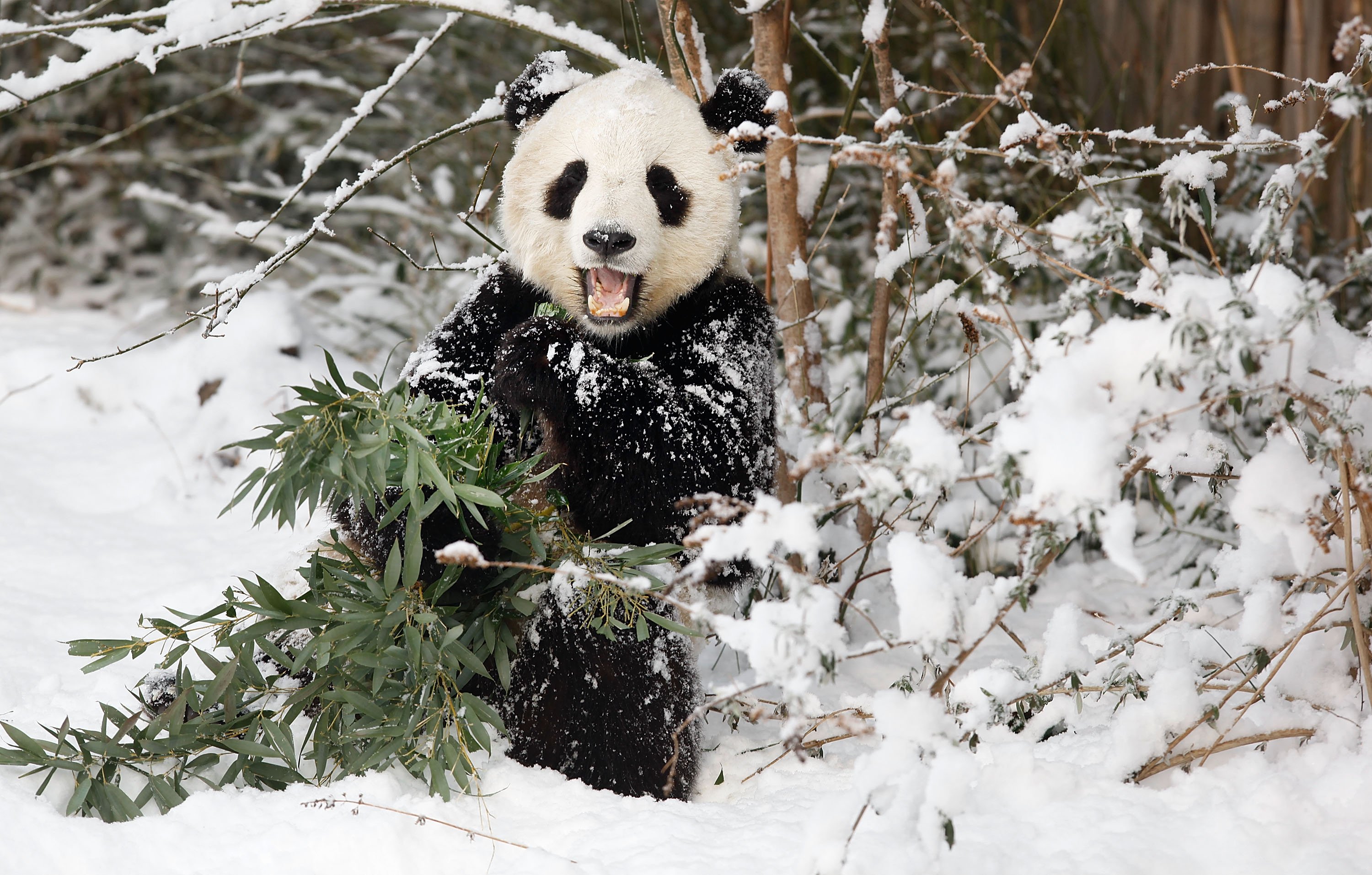
Experts attribute this phenomenon to the bear’s unique morphology. Their appearance, characterized by high-contrast markings, rounded features, and deliberate movements, evokes a sense of innocence that disarms typical human inhibitions regarding sexuality in the animal kingdom.
Evolution of Zoological Science and Breeding Protocols
Over the decades, the scientific approach to panda conservation has evolved from trial-and-error observation to sophisticated assisted reproductive technology (ART). When natural mating proves difficult due to behavioral incompatibilities or narrow physiological windows—female giant pandas are typically fertile for only 24 to 72 hours once a year—zoological institutions rely on artificial insemination (AI).
Veterinary teams must closely monitor hormonal fluctuations through daily urinalysis, timing interventions with pinpoint precision. The collaboration between American institutions and Chinese conservation specialists has standardized these protocols, resulting in significantly higher survival rates for newborn cubs globally.
Furthermore, the status of the giant panda has shifted positively in recent years. In 2016, the International Union for Conservation of Nature (IUCN) reclassified the giant panda from "Endangered" to "Vulnerable," reflecting a steady population increase in the wild due to decades of dedicated habitat protection and captive breeding initiatives. Despite this success, institutions like the Smithsonian National Zoo continue to play a vital role in maintaining genetic diversity, conducting ongoing research, and engaging the public in global conservation efforts.
Implications for the Future of Wildlife Conservation
As global biodiversity faces unprecedented threats from habitat fragmentation and climate change, the lessons learned from decades of panda conservation offer a valuable framework for other endangered species. The intensive, collaborative approach pioneered by Dr. Smith and her predecessors demonstrates that saving a species requires a synthesis of rigorous genetic science, adaptive management, and sustained public engagement.
Dr. Smith’s memoir, In the Company of Pandas, captures the intersection of scientific dedication and public fascination, providing readers with an unfiltered look at the realities behind the headlines. Through transparent accounts of institutional triumphs and setbacks, the book highlights the enduring dedication required to safeguard the future of the world’s most recognizable bear.
Related posts: