LeBron James and Luka Dončić Issue Cease-And-Desist Letters to AI Sports Betting Startup Over Unauthorized Likeness Usage in Marketing Campaign

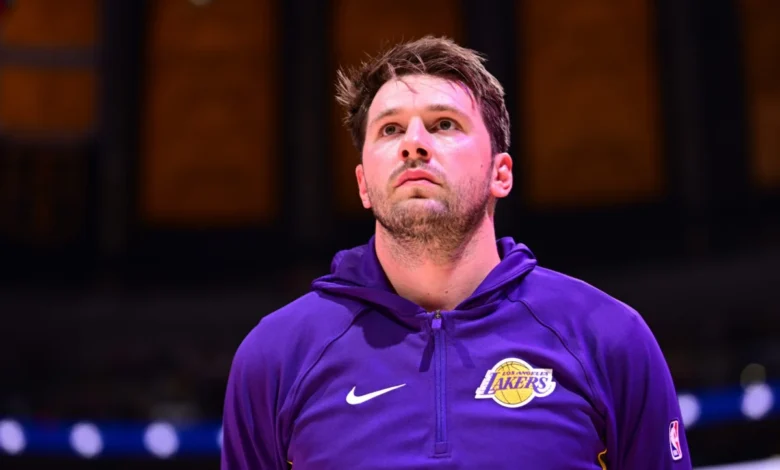
NBA superstars LeBron James and Luka Dončić have taken decisive legal action against PlayVision Inc., the sports technology startup behind the controversial AI-powered betting application "Bron AI." Representatives for both athletes confirmed that formal cease-and-desist letters were dispatched following the unauthorized deployment of their likenesses in a digital marketing campaign disseminated across various social media platforms.
The dispute highlights the escalating tension between prominent athletes and emerging artificial intelligence ventures that utilize generative media, deepfake technology, and unauthorized characterizations to drive user acquisition. As the intersection of sports betting, artificial intelligence, and digital marketing continues to expand rapidly, the unauthorized commercial exploitation of professional athletes has emerged as a critical legal battleground.
The Origin of the Dispute and Social Media Campaign
The controversy erupted when PlayVision Inc. launched a coordinated promotional campaign on social media, utilizing X (formerly Twitter) and other platforms to market its Bron AI application. The offending advertisement featured a computer-generated or heavily styled persona designed explicitly to evoke LeBron James. The individual in the promotional material wore a basketball jersey bearing the number 23 and the name "Bron," while interacting with the AI betting application on a mobile device.

In addition to the characterization resembling James, the promotional rollout incorporated references to several other high-profile National Basketball Association players, including Giannis Antetokounmpo, Donovan Mitchell, and Dillon Brooks. Within less than 24 hours of posting, the primary advertisement amassed more than 900,000 views, triggering immediate concern from the athletes’ legal and management teams.
Upon the intervention of legal counsel representing James—who departed the Los Angeles Lakers in free agency to sign with the Philadelphia 76ers—a formal cease-and-desist letter was issued to PlayVision Inc. A parallel legal notice was subsequently served on behalf of Los Angeles Lakers guard Luka Dončić, whose likeness was similarly leveraged within the startup’s broader promotional ecosystem. Facing imminent litigation regarding right-of-publicity violations, trademark infringement, and unfair competition, PlayVision Inc. removed the offending content from social media platforms.
Strategic and Commercial Context: Endorsement Portfolios
The unauthorized use of James’s and Dončić’s personas directly intersects with their respective commercial obligations and exclusive corporate partnerships. Professional athletes derive significant revenue from formal endorsement agreements, which grant corporate partners exclusive rights to utilize their names, images, and likenesses (NIL) for promotional purposes.
LeBron James maintains an exclusive, high-profile endorsement arrangement with Polymarket, a decentralized prediction market and betting platform. The unauthorized promotion of a competing artificial intelligence betting application not only infringes upon James’s right of publicity under state and federal laws but also creates potential conflicts with his existing contractual obligations to official corporate sponsors. By falsely implying an association or endorsement, such marketing campaigns threaten the integrity of authorized commercial partnerships.

Similarly, Luka Dončić maintains a robust portfolio of global brand endorsements. The exploitation of his reputation by an unlicensed startup underscores the vulnerability of elite athletes in the digital age, where AI tools can easily generate persuasive promotional materials without securing proper licensing agreements or compensating the subjects.
Official Reactions and Legal Analysis
Adam Mendelsohn, the longtime media advisor and strategist for LeBron James, issued a scathing critique of the tactics employed by the sports technology startup. In a formal statement provided to the press, Mendelsohn framed the incident as symptomatic of broader structural issues within contemporary sports media and digital marketing.
"It’s another example of the decline and lack of originality in sports media," Mendelsohn stated. "It’s all about cheap clicks and aggregation. A lot of pundits do it too. I’m sure their intent all along was for us to send a cease and desist in order to play the social media game. You would prefer not to respond, but you don’t have a choice in a situation like this."
Legal experts specializing in intellectual property and sports law note that companies utilizing generative AI or lookalike models often attempt to operate in legal gray areas. While parodies and transformative works receive certain protections under the First Amendment, commercial advertisements intended to promote a specific product or service—particularly in the heavily regulated sports betting sector—rarely qualify for such exemptions. When a marketing campaign explicitly uses a player’s jersey number, nickname, and visual identity to drive traffic to a commercial application, it constitutes a clear violation of right-of-publicity statutes, which protect individuals from the unauthorized commercial appropriation of their identity.

Chronology of Events
- Summer: LeBron James transitions from the Los Angeles Lakers to the Philadelphia 76ers during the NBA free agency period, maintaining his extensive commercial portfolio, including his partnership with Polymarket.
- Late October / Early November: PlayVision Inc. initiates a digital marketing campaign for its Bron AI sports betting application, deploying promotional materials across social media channels featuring likenesses of multiple NBA stars.
- Wednesday: PlayVision publishes the specific advertisement featuring a James lookalike, which rapidly gains traction and surpasses 900,000 views within 24 hours.
- Following Day: Industry outlets, including Front Office Sports, break the news regarding the impending legal action. Legal representatives for LeBron James issue a formal cease-and-desist letter to PlayVision Inc., prompting the startup to remove the posts from X and other platforms.
- Subsequent Hours: Representatives for Luka Dončić confirm that a separate cease-and-desist notice has also been served to PlayVision Inc. regarding unauthorized elements of the same campaign.
Broader Industry Implications and Future Outlook
The confrontation between James, Dončić, and PlayVision Inc. highlights the urgent need for regulatory and legal frameworks governing the use of artificial intelligence in digital advertising. As generative AI tools become more sophisticated and accessible, startups and marketing agencies are increasingly capable of producing hyper-realistic avatars, synthetic voices, and deceptive lookalike campaigns with minimal overhead costs.
For professional sports leagues, player associations, and individual athletes, policing unauthorized digital content has become an ongoing administrative and financial burden. Legal actions such as the cease-and-desist letters sent to PlayVision serve as a warning to other technology startups that unauthorized commercial exploitation will be met with swift legal repercussions.
As the legal landscape adapts to the challenges posed by artificial intelligence, courts and legislatures are expected to face mounting pressure to establish clearer boundaries regarding digital likenesses, deepfakes, and right-of-publicity protections in the digital economy. For now, James and Dončić have successfully forced the removal of the infringing material, but the broader debate over the ethics and legality of AI-driven sports marketing is only beginning.