American Airlines streamlines travel disruptions with new self-service standby options for passengers

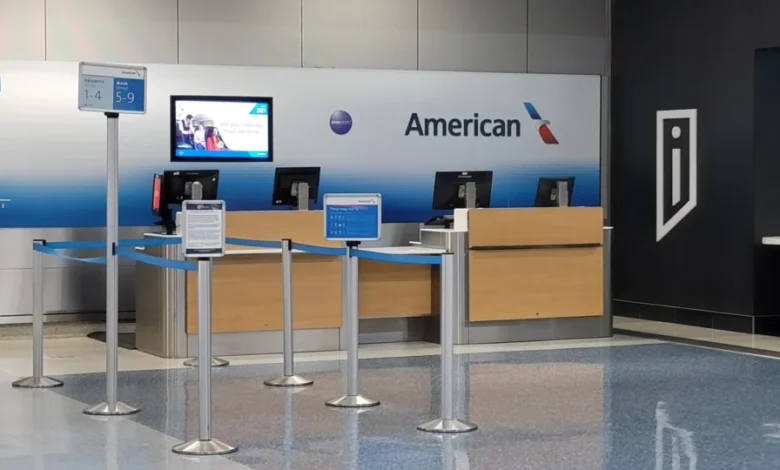
American Airlines has officially integrated a new standby functionality into its digital disruption management suite, empowering passengers to list themselves for earlier flights via the carrier’s mobile application and website without the need for manual agent intervention. This development, which went live earlier this week, allows travelers dealing with flight cancellations or significant delays to secure a spot on an earlier departure while maintaining their confirmed seat on a later flight as a safety net. The move represents a significant shift in how the airline handles irregular operations, moving away from labor-intensive, agent-dependent processes toward a seamless, automated self-service model.
The feature, internally branded as "Dynamic Rebooking," is designed to address the "wait-and-see" frustration often experienced by travelers during large-scale operational meltdowns. Under the previous protocol, passengers frequently found themselves rebooked on flights departing many hours, or even a full day, after their original scheduled time. While official policy previously permitted standby for earlier flights, the process often required a time-consuming interaction with customer service agents at the airport or over the phone. By embedding this directly into the disruption rebooking flow, American is effectively putting the power of flight management into the palms of its customers.
The Mechanics of Dynamic Rebooking
The operational logic behind the new tool is straightforward but highly effective for the end-user. When a flight is disrupted, the airline’s app will present available confirmed flight options. If the best available confirmed option is not ideal—for example, an 8 p.m. arrival when a 5 p.m. flight is still technically possible—the user can now elect to remain confirmed on the 8 p.m. flight while simultaneously joining the standby list for the 5 p.m. departure.
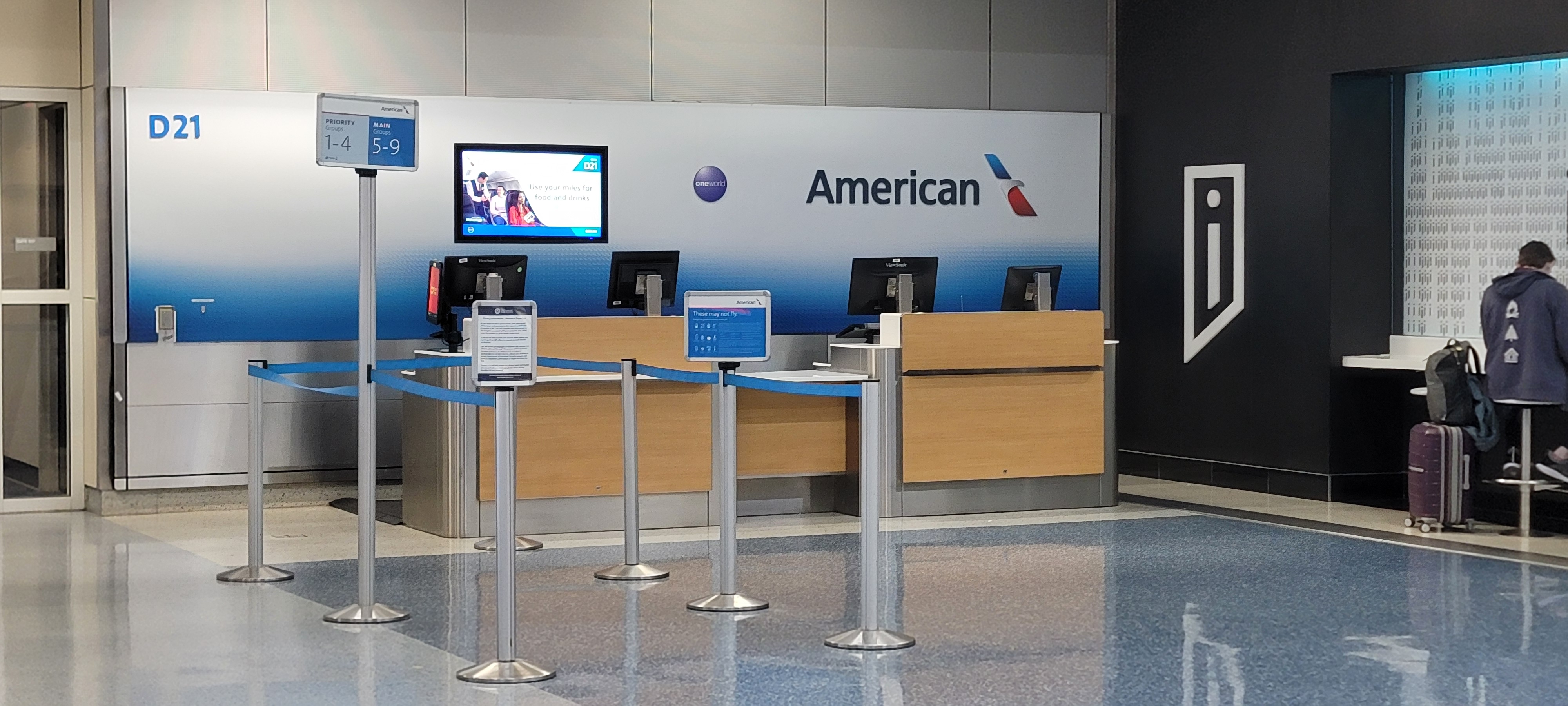
Critically, the system is designed to protect the passenger’s original itinerary. Internal company guidance explicitly instructs staff not to cancel the customer’s confirmed flight simply because the passenger has opted for standby. This is a vital safeguard; it ensures that if the passenger fails to clear the standby list for the earlier flight, they are not left stranded without a guaranteed way to reach their destination. However, passengers should be aware that if they do successfully clear standby and are assigned a seat on the earlier flight, the original confirmed booking is automatically released. Consequently, the airline advises that if a passenger is added to a standby list and subsequently realizes they cannot make the earlier departure, they must promptly remove themselves from the list to avoid complications with their reservation.
Historical Context and Evolution of Digital Tools
The introduction of this feature is the latest in a multi-year effort by American Airlines to digitize its customer service experience. Since 2017, the carrier has offered same-day flight changes and standby options through its app, but these were often siloed from the "disruption" or "rebooking" workflows. By consolidating these functions, American is addressing a long-standing pain point for frequent flyers.
The timeline of these improvements is reflective of a broader industry trend. In early 2026, American began rolling out enhanced disruption banners within its app, providing real-time status updates alongside tools for baggage tracking and the issuance of digital hotel and meal vouchers. This roadmap was accelerated following a difficult 2024, during which the airline faced criticism for restricting many passengers to digital-only standby processes at a time when the underlying software was not sufficiently robust to handle complex rebooking requests. The subsequent decision to restore widespread agent assistance in July 2025 was a necessary bridge, but the current iteration of "Dynamic Rebooking" signals that the airline’s technology has finally caught up to its operational ambitions.
Industry Comparison: A Competitive Landscape
The push for better self-service tools is not unique to American Airlines. In September 2026, United Airlines introduced a sophisticated iteration of this technology, allowing disrupted customers to select up to three eligible earlier flights. United’s system proactively monitors for open seats and notifies the passenger via text message if a spot becomes available, allowing them to confirm the switch while keeping their original reservation as a fallback.

While American’s current iteration is slightly more limited—typically allowing for one standby listing at a time—it serves as a powerful utility for travelers. Furthermore, American retains specific benefits for high-tier loyalty members, such as Executive Platinum members, who are permitted to hold multiple confirmed flight options simultaneously during significant irregular operations. This allows a level of tactical flexibility—such as booking a backup flight in the event of a potential misconnect—that remains a key differentiator for the airline’s most frequent travelers.
Fact-Based Analysis of Strategic Implications
The strategic intent behind this digital transformation is two-fold: operational efficiency and customer retention. From an operational perspective, every passenger who manages their own rebooking or standby request is one fewer person waiting in line at a customer service desk or clogging phone lines during a peak disruption event. This reduction in volume allows ground staff to focus their limited time and resources on passengers with more complex issues, such as those with special medical needs, international documentation requirements, or group travel logistics.
From a brand perspective, the "Net Promoter Score" (NPS) impact is substantial. Airline industry data consistently shows that the most significant factor in customer satisfaction during a delay or cancellation is not necessarily the speed at which the issue is resolved, but the perceived level of control the passenger has over their own destiny. A passenger who feels empowered to explore their options via a smartphone is statistically more likely to view the airline favorably than one who feels trapped by a lack of information or access to human staff. By providing transparent, self-service tools, American is attempting to build the "repeat purchaser" loyalty that is essential for maintaining premium product margins.
Limitations and Best Practices for Passengers
While this update is a significant step forward, passengers should remain cognizant of the limitations inherent in automated tools. The tool is currently restricted by the availability of inventory and the technical constraints of the airline’s reservation system. Not every disruption will allow for a standby option; for instance, if a flight is overbooked or if there are specific regulatory requirements associated with a route, the app may still require the user to consult an agent.
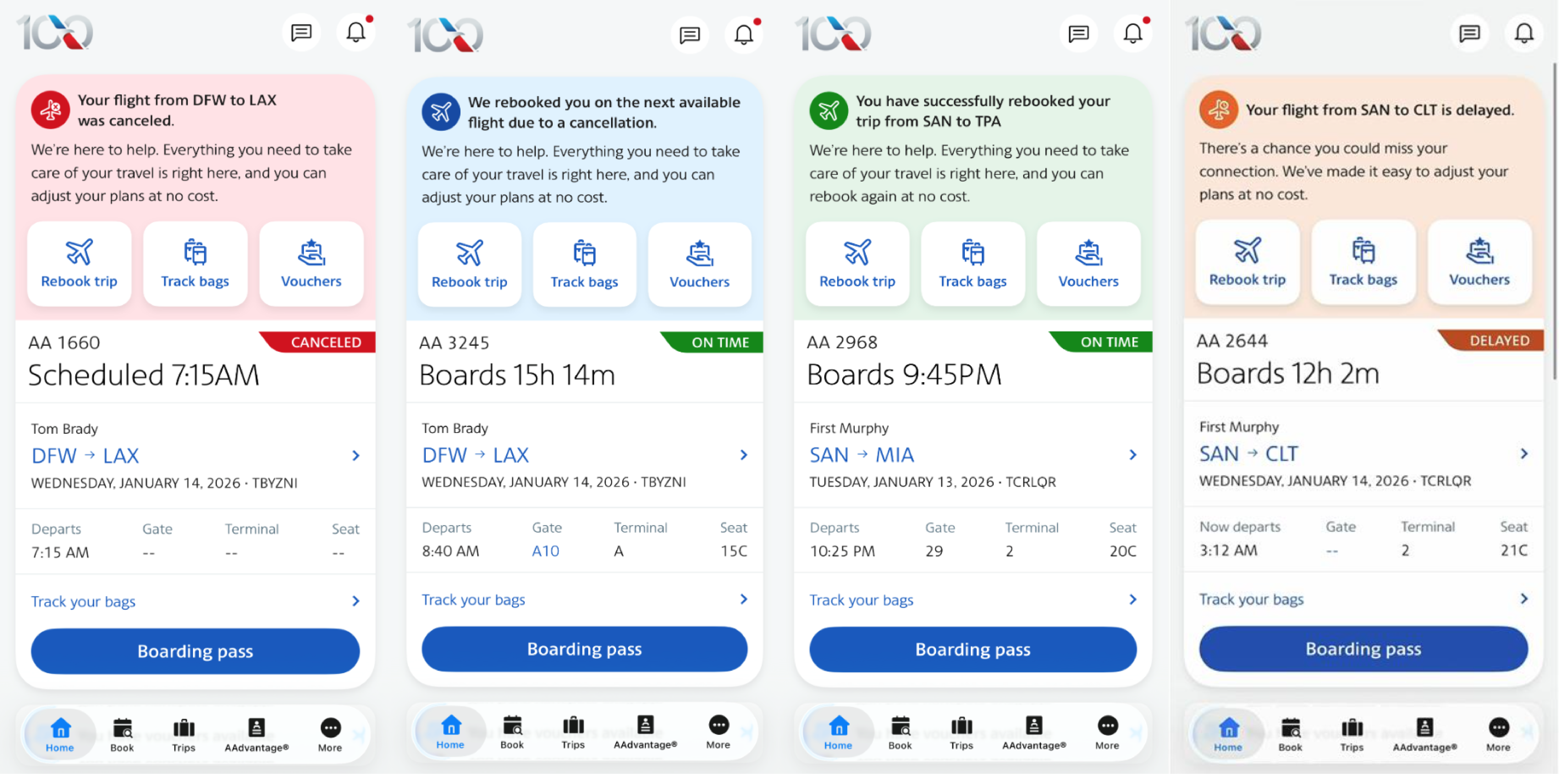
Moreover, the utility of the tool often extends beyond domestic flights. American has confirmed that in cases where the next available confirmed flight is the following day, passengers may still be able to request assistance with partner airlines, such as Alaska Airlines. This cross-carrier coordination is vital for long-haul or remote travel, and while the app might not always facilitate the booking, knowing that the option exists is a key piece of information for the savvy traveler.
As American continues to iterate on its digital offerings, the reliance on these automated systems will likely grow. For the average passenger, the "Dynamic Rebooking" tool is a welcome addition to the travel toolkit. By reducing the reliance on manual intervention, American Airlines is not just saving money; it is modernizing the travel experience to meet the expectations of a generation of passengers who demand autonomy, clarity, and speed when travel plans go awry. Whether this will ultimately replace the need for an airport gate agent remains to be seen, but for now, it represents a substantial improvement in the reliability and flexibility of air travel.