Passenger Forced To Pay ‘Employee Retention Fee’ For JFK Airport Self-Checkout Machines

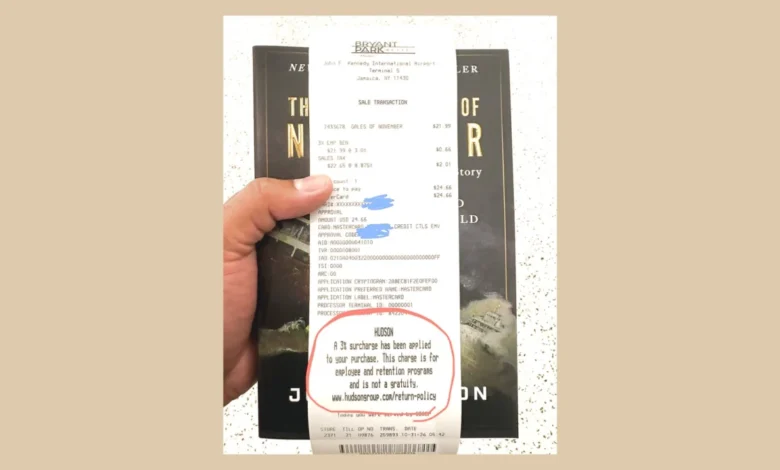
The Evolution of Airport Fee Structures
The imposition of these fees represents a growing trend in major travel hubs across the United States. While the Port Authority of New York and New Jersey (PANYNJ) maintains strict pricing guidelines for airport concessions—often capping prices at a percentage above "street price"—vendors have increasingly turned to surcharges as a workaround. By categorizing additional costs as "employee retention" or "wellness" fees rather than base price increases, vendors effectively bypass the limitations set by airport governing bodies.
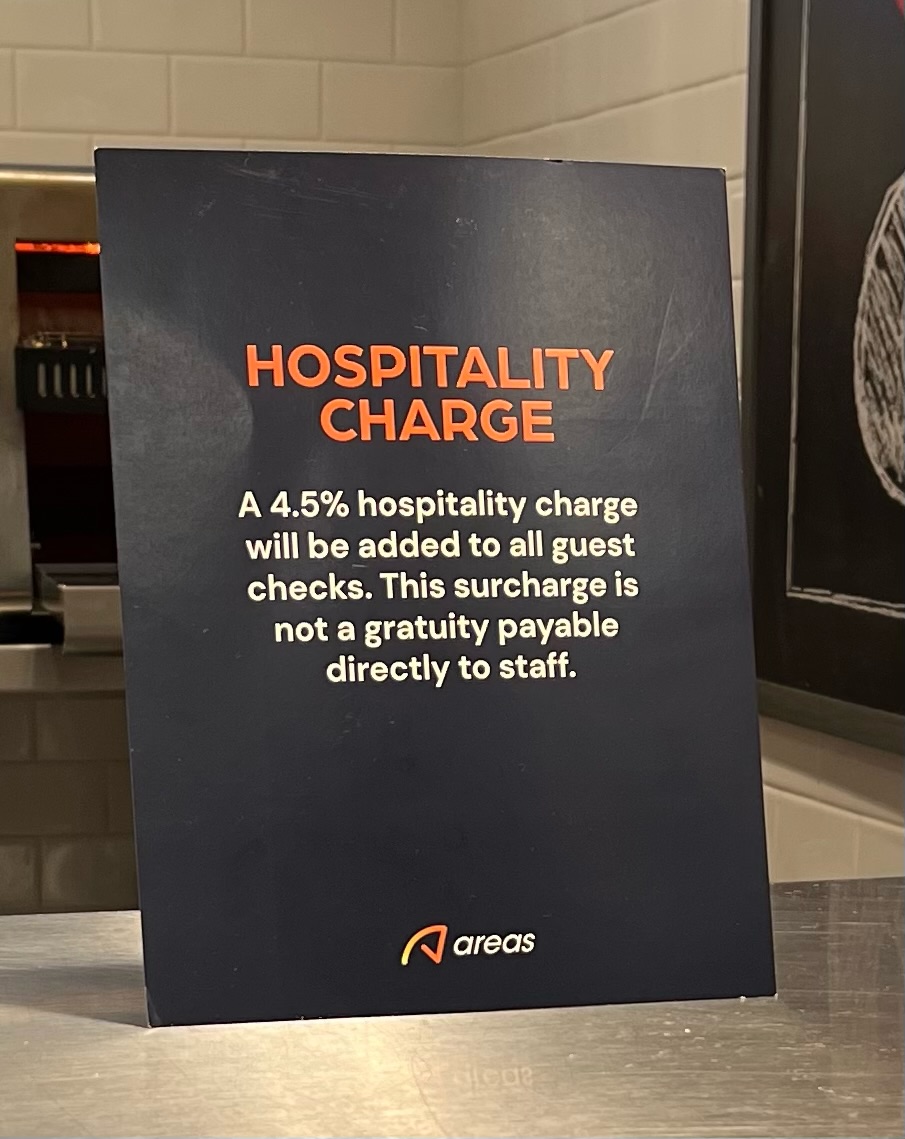
This phenomenon is not isolated to New York. In Philadelphia, the airport authority authorized a similar 3% add-on to combat rising labor costs while keeping base prices artificially low. Minneapolis-St. Paul International Airport has seen the implementation of a 4.5% "hospitality charge" on restaurant bills, which, despite its name, is frequently clarified by signage as a fee that does not go directly to the service staff.
Chronology of Hidden Fees in Travel Retail
The rise of the "convenience fee" and "retention surcharge" in airport retail can be traced back to the post-pandemic recovery period. As labor markets tightened and the cost of maintaining 24/7 airport operations increased, concessionaires sought ways to recover costs without triggering contract renegotiations with airport authorities.

- 2023: Reports began surfacing of 3% surcharges at Newark Liberty International Airport, particularly at self-checkout kiosks. Consumers raised concerns about the logic of paying an "employee retention" fee when no employees were involved in the transaction.
- 2024: The trend expanded to various terminals at JFK and LaGuardia, with retailers arguing that the fees help cover the costs of training, insurance, and the administrative burden of maintaining high-turnover retail positions.
- 2025–2026: The scope of these fees expanded to include digital "tipping" prompts at self-checkout machines. In Austin, travelers reported that self-checkout systems were configured to require a tip input for simple transactions, such as the purchase of a bottle of water, effectively forcing a minimum payment even when service was non-existent.
The Mechanics of the Surcharge
From a fiscal perspective, these surcharges serve as a "hidden" price hike. By keeping the sticker price of a book or a snack low, retailers ensure their products remain competitive or compliant with airport regulations. However, the final price paid by the consumer—once the surcharge and subsequent sales tax are applied—often exceeds what a customer would pay for the same item outside the airport terminal.
The taxation issue is particularly noteworthy. According to New York state tax guidelines, any mandatory charge added to a retail transaction is considered part of the "receipt" and is therefore subject to sales tax. Consequently, the consumer is not only paying a 3% fee to the retailer but is also paying the state government a percentage of that fee, further increasing the total cost of the transaction.
Consumer Backlash and Regulatory Scrutiny
The practice of applying an "employee retention" fee to an automated self-checkout machine has drawn significant criticism from consumer advocacy groups. Critics argue that these fees are misleading because they imply the funds are directly benefiting the staff member assisting the customer, when in fact, the customer is performing the labor themselves.
On forums such as Reddit, where the recent JFK receipt was shared, travelers have questioned the ethics of such charges. One recurring argument is that if a company needs to fund an employee retention program, that cost should be baked into the overhead and reflected in the retail price of the goods, rather than appended as a separate, mandatory line item.
The Role of Airport Authorities
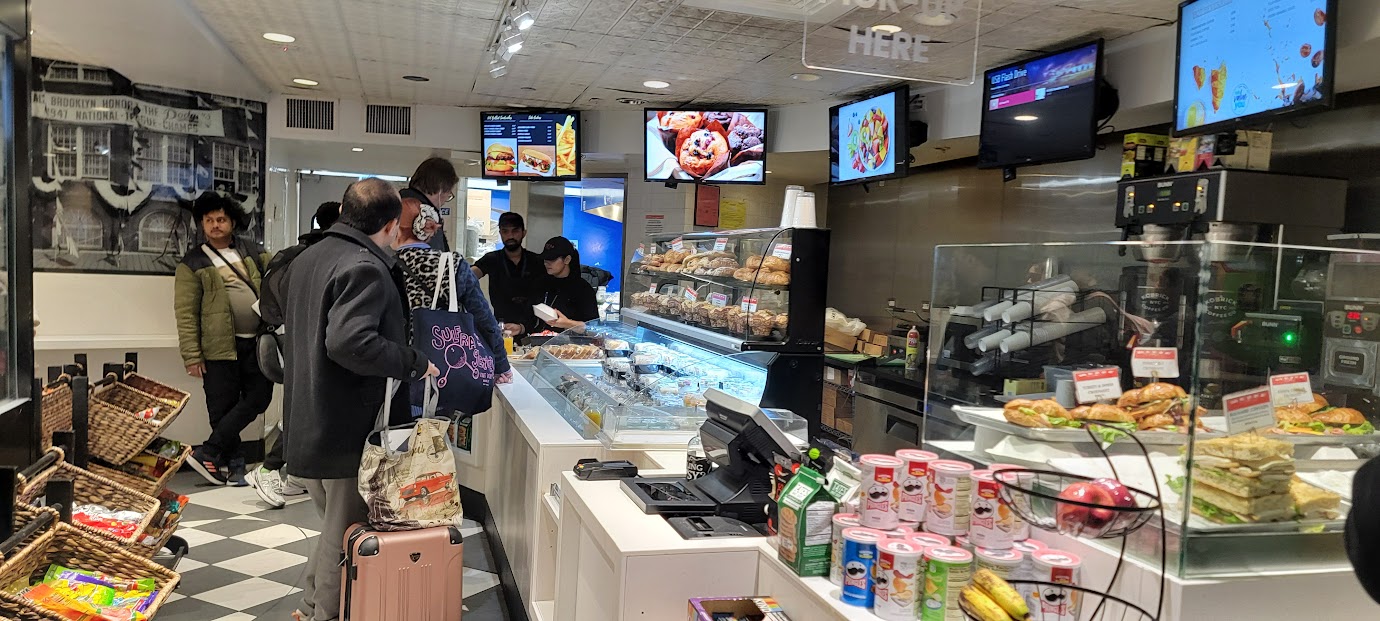
The Port Authority of New York and New Jersey has historically maintained a stance that concessionaires must abide by specific pricing structures. However, the proliferation of these surcharges suggests that airport authorities may be either tacitly approving these fees or struggling to enforce legacy pricing contracts in an inflationary economic environment.
When reached for comment in previous instances regarding similar fees, airport authorities have often deferred to the private contracts between concessionaires and their operators. For the retailers, the argument is simple: airport retail space is expensive, labor is difficult to retain, and these fees provide a necessary cushion to ensure the store remains open and adequately staffed.
Broader Economic Implications
The inclusion of these fees, combined with the aggressive implementation of digital tipping prompts, represents a significant shift in the consumer experience at transit hubs. Economists point to this as an example of "drip pricing," a strategy where a firm advertises a portion of a product’s price and reveals other charges later in the buying process.
For travelers, the implications are two-fold:
- Transparency Deficit: Consumers are often caught off guard by the final price, which can lead to a erosion of trust in the retailer and the airport brand.
- Inflationary Pressure: Because these fees are percentage-based, they scale with the price of goods. As inflation continues to drive up the cost of consumer items, the absolute dollar amount collected via these surcharges also increases, effectively creating an automated, compounding price increase.
Performance and Future Outlook
As travelers become more tech-savvy and aware of these charges, the pressure on airport authorities to demand greater transparency is likely to grow. Some industry analysts suggest that airports may eventually be forced to require that all surcharges be included in the advertised price of an item, effectively banning the practice of "add-on" fees at the register.
Until such mandates are enacted, the "employee retention" surcharge remains a fixture of the modern airport retail environment. For now, the traveler in Terminal 5 stands as a testament to the new reality of airport commerce: a world where the act of purchasing a book involves not just the item, but a hidden tax on the system that sold it to you, and an extra percentage point for the privilege of checking yourself out.
The disconnect between the "retention" label and the automated machine processing the sale remains the central point of contention. As one traveler noted regarding the recent JFK incident, if the customer is essentially acting as the store clerk, the justification for a retention fee loses its logical foundation, leaving passengers to wonder exactly what value these surcharges provide beyond the padding of the retailer’s bottom line.
Related posts: