American Muslim Reformers Condemn Wajahat Ali Over "Radicalization" Warning Surrounding Michigan Senate Bid

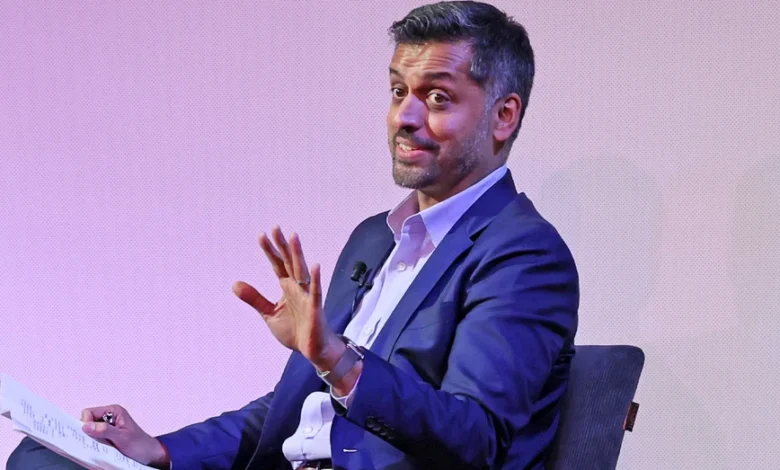
The political landscape in Michigan and across the wider Democratic Party has become the epicenter of an intense ideological clash, drawing sharp divisions not only between mainstream and progressive factions, but notably within the American Muslim community itself. At the heart of this controversy are recent remarks made by prominent political commentator Wajahat Ali regarding the Michigan Senate bid of Democratic candidate Abdul El-Sayed. Ali’s public warnings of a potential "reckoning" and widespread "radicalization" should El-Sayed lose the election have ignited immediate, vehement pushback from reform-minded Muslim leaders. These critics argue that such rhetoric relies on intimidation tactics historically utilized by religious and political extremists in the Middle East, while supporters maintain that the commentary reflects legitimate progressive anxieties over systemic political disenfranchisement.
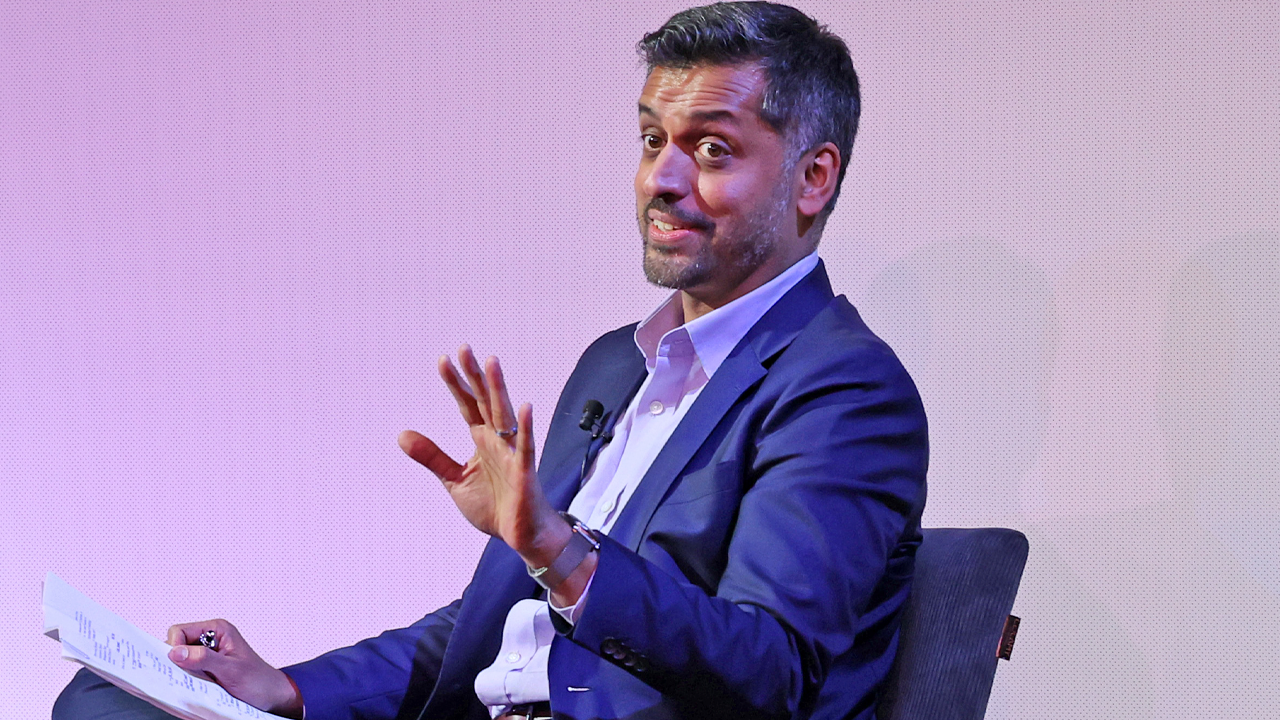
The controversy erupted on social media platform X, formerly known as Twitter, when Ali addressed the stakes of El-Sayed’s senatorial campaign. In his post, Ali warned that an electoral defeat for El-Sayed would serve as a watershed moment in Democratic politics, predicting that "the fire will rise" and that individuals would become "radicalized against corporate, pro-Israel Dems." He added that even if El-Sayed were to emerge victorious, a political reckoning would still be inevitable. The statements immediately drew intense scrutiny from political opponents and independent commentators, who interpreted the language as a thinly veiled threat of civil unrest or political extremism. Rather than walking back the comments or issuing a clarification, Ali doubled down in a subsequent post the following morning. He dismissed the criticism as evidence of underlying bigotry, writing that the backlash laid bare "Islamophobia and anti-Arab bigotry" in its most open and naked form. Ali’s office and representatives did not respond to subsequent requests for comment from media outlets seeking further elaboration.
The friction between Ali and reformist figures highlights a much deeper, long-standing ideological fissure within American Muslim political circles. This divide primarily separates establishment groups and figures who accommodate political Islam—the concept that religious tenets should directly dictate state governance and legislative frameworks—from reform-minded critics. These reformists actively challenge traditional orthodoxy, reject hostile anti-Western and anti-Israel narratives, and fiercely advocate for secular governance, including the strict separation of mosque and state.
Among the most vocal critics of Ali’s statements is Dalia Ziada, an Egyptian Muslim reformer and the Washington, D.C., director at the Institute for the Study of Global Antisemitism and Policy. Drawing parallels from her firsthand experiences with political movements in the Middle East, Ziada argued that Ali’s commentary mirrors familiar authoritarian playbooks. "What Wajahat Ali said on the eve of elections is actually the language we’ve seen Islamists use before elections in countries in the Middle East, including Egypt," Ziada stated. She noted that the underlying premise of such rhetoric is inherently coercive, operating under the warning that the electorate must choose a specific path or face the consequences of violence and radicalization.
Echoing these concerns is Soraya Deen, a Muslim reform activist, attorney, and co-founder of the Los Angeles Women’s Multifaith Alliance. Deen emphasized that Ali’s choice of words warrants profound institutional scrutiny rather than being dismissed as standard political hyperbole. "His words are deeply troubling," Deen remarked, pointing specifically to the phrases predicting that "the fire will rise" and that a "reckoning" is approaching. "Losing an election is not a license for radicalization. We must reject intimidation, political extremism and the politics of perpetual grievance."
The debate has also drawn commentary from figures such as Dr. Zuhdi Jasser, a prominent Muslim reformer, founder of the American Islamic Forum for Democracy, and a congressional candidate in Arizona’s 4th Congressional District. Jasser asserted that Ali’s commentary exemplifies what he terms a "Jihad First" perspective, wherein complex political, social, and military conflicts are filtered exclusively through an uncompromising ideological lens. According to Jasser, the rhetoric surrounding El-Sayed’s campaign underscores a broader alliance between far-left secular organizations and Islamist political networks—often referred to by critics as a "red-green" coalition. This alliance, Jasser contends, utilizes threats of domestic turmoil to advance policy objectives that run counter to traditional American democratic norms.
The scrutiny surrounding Ali’s comments directly intersects with the complex coalition supporting Abdul El-Sayed’s political aspirations. A comprehensive review of campaign disclosures, public endorsements, and voter-mobilization networks reveals that El-Sayed is backed by a diverse mosaic of approximately 70 Muslim advocacy groups, Palestinian solidarity organizations, progressive labor unions, and prominent political influencers. Notable entities within this orbit include CAIR Action, Americans for Justice in Palestine Action, Emgage Action, the US Campaign for Palestinian Rights, and various regional caucuses such as the Yemeni American Michigan Democratic Caucus and the Michigan Bangladeshi American Democratic Caucus. Furthermore, the campaign has received high-profile endorsements and amplification from progressive lawmakers and political commentators, including Representatives Ilhan Omar and Rashida Tlaib, as well as prominent digital media figures.

This extensive network shares a confluence of core priorities, most notably an aggressive opposition to United States military and financial aid to Israel, demands for immediate cease-fires and arms embargoes, and concerted efforts to redirect the platform of the Democratic Party away from centrist or moderate policies. Critics argue that the integration of these hardline foreign policy stances into domestic campaigns creates an environment ripe for polarization, dragging international conflicts into local electoral politics.
The implications of this rhetoric extend far beyond a single state senate race, raising fundamental questions about the tone of modern American political discourse. Political analysts note that as elections become increasingly existential for various ideological factions, the temptation to utilize apocalyptic or threatening language grows. However, reformers like Ziada warn that normalizing the suggestion that democratic defeats will inevitably lead to radicalization undermines the foundational stability of the republic. "Muslims like Wajahat Ali are just using the political movement backing Abdul El-Sayed as a staircase to bring them to the power of a chair they want to claim," Ziada asserted. "Once they get there, they don’t care what they may have promised. And if they don’t get there, they will turn it into fire."
As the political establishment grapples with these shifting alliances, reformist leaders are urging both Democratic Party officials and everyday voters to demand greater accountability from high-profile commentators and surrogates. They argue that safeguarding the democratic process requires an absolute rejection of coercive language, regardless of which political faction or ideological movement employs it. For American Muslim reformers, the ultimate goal remains carving out a space where civic participation is defined by democratic engagement, institutional respect, and adherence to the rule of law rather than perpetual grievance and veiled threats of civic unrest.