Guard Dogs Enlisted in Conservation Efforts to Protect Texas’s Smallest Fox from Coyotes

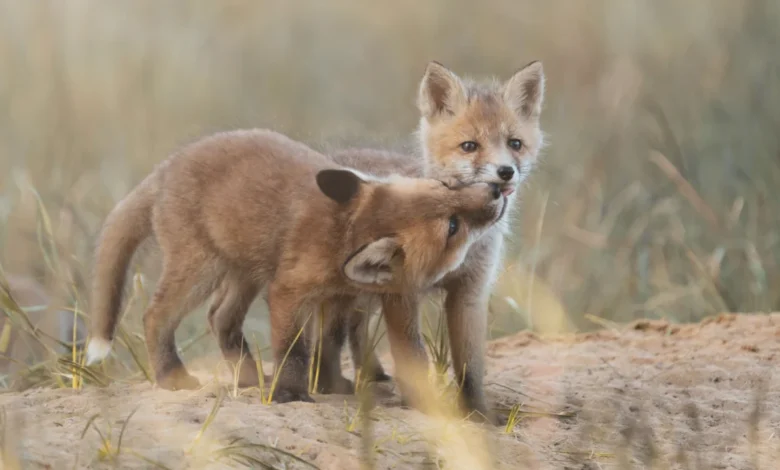
In the rugged expanses of the Texas Panhandle, a novel conservation experiment is underway that could secure a future for the Lone Star State’s smallest canid. Researchers and ranchers in Dallam County have deployed livestock guardian dogs alongside cattle herds, not merely to protect agricultural assets, but to inadvertently shield the elusive swift fox from its primary predator: the coyote. This multi-year initiative represents a unique intersection of sustainable ranching and endangered species management, offering a glimmer of hope for a population teetering on the brink of regional extirpation.
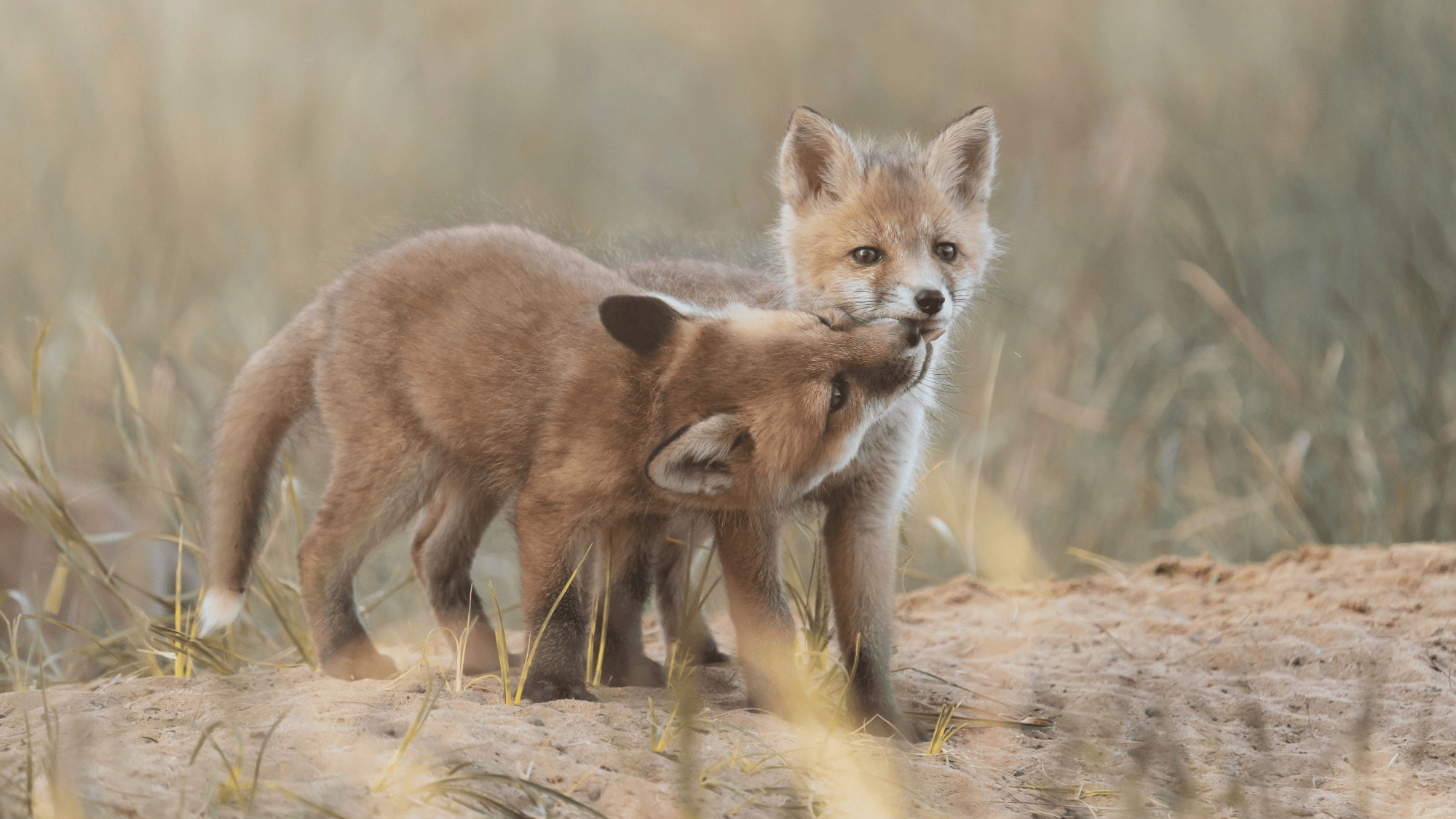
The swift fox (Vulpes velox), roughly comparable in size to an average house cat, is a historic resident of the shortgrass prairies that once blanketed the region from Texas northward into Alberta, Canada. Today, however, the species occupies a mere 40 percent of its historic range. Within Texas, the situation is particularly critical; conservationists estimate that fewer than 250 individual swift foxes remain in the entire state. Their survival is inextricably linked to the health of the shortgrass prairie ecosystem, a habitat increasingly disrupted by land-use changes and the encroachment of taller vegetation.
The Ecological Threat of Coyote Predation
The degradation of the shortgrass prairie has created cascading ecological consequences for Vulpes velox. As taller vegetation has invaded the landscape, it has provided ideal cover for larger mammalian predators—most notably, coyotes (Canis latrans). Unlike the swift fox, which relies on open vistas to spot danger and evade larger threats, coyotes thrive in these altered environments. Consequently, coyote predation has emerged as the leading cause of mortality among remaining swift fox populations in Texas.
Haley Sloan, a doctoral researcher at Texas A&M University studying the dynamics of this ecosystem, notes that the swift fox’s diminutive stature and specialized diet—consisting primarily of insects, small rodents, and native vegetation—leave it uniquely vulnerable. Because swift foxes pose zero threat to livestock such as cattle, sheep, or goats, they are entirely benign neighbors to local ranchers. However, sharing a habitat with coyotes places them directly in the crosshairs of a much larger, more aggressive carnivore.
A Multi-Year Conservation Strategy
To combat this trend, researchers have turned to a behavior-based intervention. This past summer, livestock guardian dogs were introduced into cattle herds operating within the Rita Blanca National Grasslands and surrounding private lands in Dallam County—currently the only known county in Texas maintaining a resident swift fox population.
The core hypothesis of the study is rooted in behavioral ecology. By introducing large, protective canines to graze with the cattle, researchers aim to alter the spatial behavior and habitat utilization of local coyotes. The presence of these guardian dogs effectively establishes a perimeter of perceived risk for the coyotes, theoretically driving them away from specific grazing zones.
"The hope is that the dogs’ presence will deter coyotes, thereby reducing swift fox mortality and allowing the foxes to start using areas where the coyotes are being excluded," Sloan explained in a recent project profile. If successful, the presence of the guard dogs will create safe havens or "refugia" where swift foxes can forage, den, and raise their kits without the constant threat of coyote ambushes.
Chronology of the Initiative
The groundwork for this ambitious conservation project was laid well before the first guardian dogs stepped foot in the pastures of Dallam County.
- Pre-Project Phase (Late 2025 to Early 2026): Researchers captured and collared swift foxes and coyotes using advanced GPS tracking technology. This telemetry data is essential for establishing baseline metrics regarding how both species navigate their shared habitat before any interventions take place.
- Summer 2026: Livestock guardian dogs were officially integrated into participating cattle herds in Dallam County. These dogs, specifically bred and trained to bond with livestock and deter apex predators, began working alongside the cattle.
- Ongoing Monitoring (2026–Present): The research team continues to track the movements of the collared wildlife. By comparing pre-intervention and post-intervention GPS data, scientists will be able to map shifts in coyote territories and measure any corresponding changes in swift fox survival rates.
- Project Timeline: The comprehensive study is designed to run for three years, allowing researchers to account for seasonal variations, changing weather patterns, and multi-generational shifts in wildlife behavior.
Initial Field Reports and Economic Implications
While it remains far too early in the multi-year study to draw definitive statistical conclusions, the preliminary qualitative data is highly encouraging. Beyond the ecological goals of the project, human-wildlife conflicts involving agricultural operations are also being mitigated.
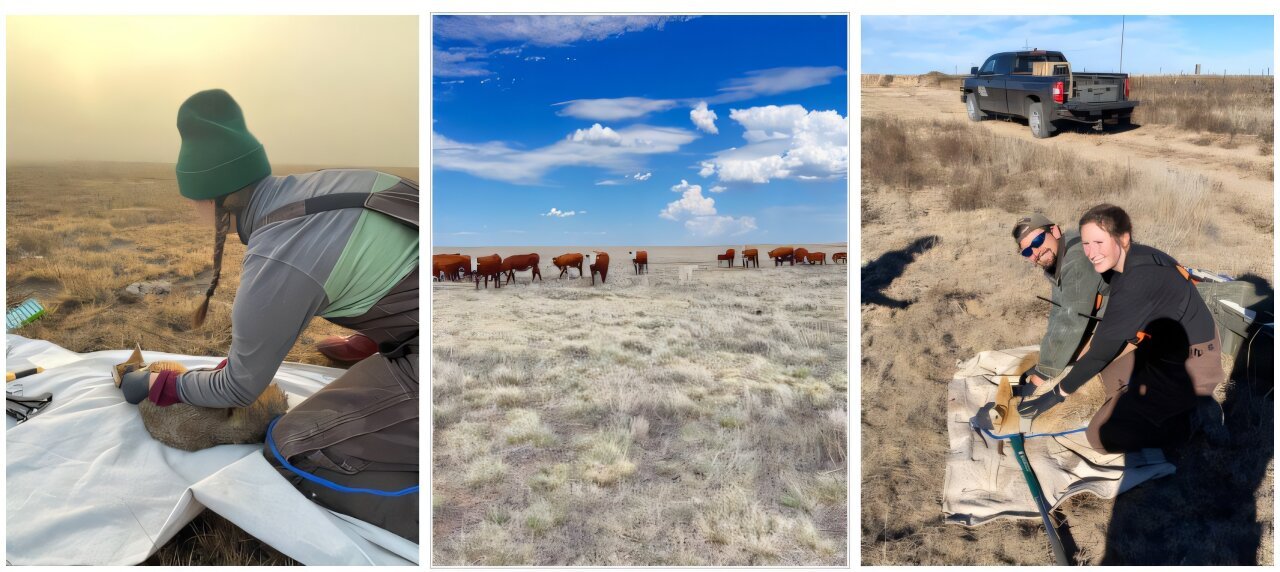
"I’m happy to report right now the dogs are doing great," Sloan said. "The producer involved in the project hasn’t lost any calves to predation, and I have hope we’ll have similar positive outcomes for swift foxes in the vicinity of the herd."
This dual-benefit outcome is central to the project’s long-term viability. Ranchers operating in Dallam County face persistent economic challenges from livestock predation, particularly during the vulnerable calving season when newborn calves are susceptible to coyote attacks. By utilizing livestock guardian dogs to suppress coyote activity, ranchers protect their economic livelihoods while simultaneously creating a protective buffer for an endangered state mammal. If the intervention successfully alters coyote behavior, it proves that agricultural profitability and wildlife conservation can coexist without relying on lethal predator control methods, which can sometimes disrupt local ecosystems further.
Broader Impacts and Future Outlook
The implications of the Texas A&M study extend far beyond the borders of Dallam County. Across the American West, conservationists are increasingly looking toward coexistence models that harness working animals and landscape-level behavioral modifications to protect vulnerable species.
As fragmentation and climate pressures continue to squeeze native wildlife into smaller pockets of suitable habitat, traditional conservation methods—such as captive breeding and strict fencing—are often insufficient or prohibitively expensive. By shifting the focus toward manipulating predator-prey dynamics through sustainable ranching practices, this project offers a scalable blueprint for carnivore conservation in working landscapes.
Over the next few years, as the GPS telemetry data accumulates and researchers analyze the shifting boundaries of coyote territories, the scientific community will gain unprecedented insight into the efficacy of livestock guardian dogs as conservation tools. For now, the small, cat-sized swift foxes of the Texas Panhandle have found unexpected allies in the very pastures they call home—guarded indirectly by massive working dogs whose presence helps level the ecological playing field.
Related posts: