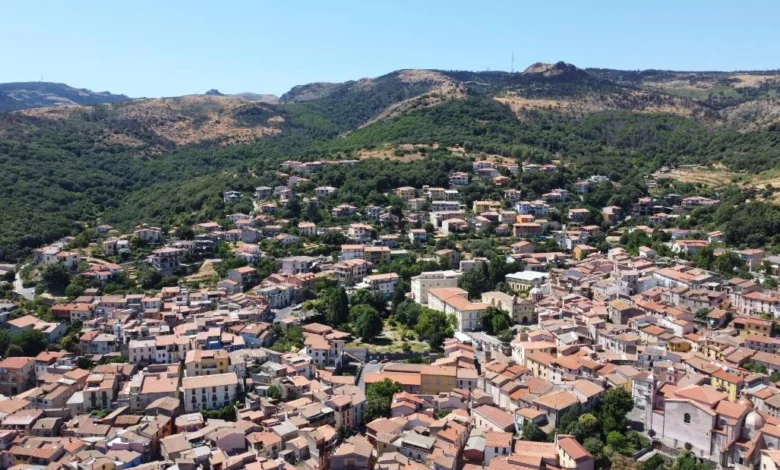
In the rugged, mountainous terrain of western Sardinia, specifically within the isolated town of Santu Lussurgiu, a centuries-old tradition thrives in the shadows of the law. Known locally as filu e ferru—literally translating to “iron wire”—this potent, fennel-infused spirit serves as more than just an alcoholic beverage; it is a cultural artifact of a region defined by its resistance to external authority and its unwavering commitment to ancestral practices. With an alcohol concentration often reaching or exceeding 45%, the spirit is a formidable distillate that has challenged both the tolerance of outsiders and the reach of the Italian state for generations.
The term “iron wire” is not merely a linguistic quirk; it is a vestige of a time when the production of the spirit was a clandestine, high-stakes affair. During the 19th century, the Italian royal house of Savoy imposed stringent taxes on alcohol production, effectively criminalizing the small-scale distillation that had sustained Sardinian households for centuries. To evade the tax police—who frequently patrolled the region—producers would bury their precious glass bottles underground in their gardens or hidden locations, marking the specific site with a strand of iron wire. This allowed them to retrieve their product without the risk of discovery. The name stuck, becoming a permanent moniker for a drink that remains, in many private households, a defiant symbol of autonomy.
A Chronology of Clandestine Distillation
The history of filu e ferru in Santu Lussurgiu dates back to the late 16th century, shortly after the establishment of local religious orders. Monks at the regional abbey introduced the distillation process, initially intended to create medicinal elixirs for the treatment of ailments ranging from toothaches to digestive distress. Over time, the local population transitioned the production from the apothecary to the kitchen. By the late 1800s, the village boasted approximately 40 active distilleries, exporting the product across the Italian peninsula.
The early 20th century, however, marked a turning point. As tax regulations tightened and central oversight increased, formal, large-scale commercial production in the village collapsed, forcing the craft entirely into the domestic sphere. This era of “prohibition-style” operations created a cat-and-mouse game between local families and state authorities. Well into the 1960s, the village employed a system of social alerts. A designated town messenger, who typically used a trumpet to announce municipal edicts, would employ a specific, non-official signal to warn residents of the arrival of police units. Upon hearing the alarm, families would scramble to conceal their copper alembics and caches of alcohol.
The Science of the Spirit: Wine vs. Marc
A critical distinction separates the filu e ferru of Santu Lussurgiu from other common Italian spirits, most notably grappa. While grappa is distilled from vinacce—the leftover grape skins, seeds, and stems remaining after wine production—Santu Lussurgiu’s traditional method utilizes the finished wine itself. This choice is rooted in the region’s agricultural history.

Sardinian vineyards historically produced high yields that often exceeded market demand. To prevent the spoilage of surplus wine, families distilled the liquid, resulting in a cleaner, more refined spirit. Carlo Psiche, the owner of Distillerie Lussurgesi and one of the few legally licensed producers in the area, emphasizes that this methodological difference is what gives the spirit its distinct character. “Our village has always used wine instead of marc,” Psiche explains. “It was the most efficient way to preserve the bounty of our land.”
The production process is a meticulous endeavor. The wine is heated in copper stills, with fennel seeds—a staple of the Sardinian landscape—added during the process to soften the raw, aggressive bite of the high-proof ethanol. This addition, while flavorful, occasionally acted as a double-edged sword; the pungent, sweet aroma of boiling fennel was so distinct that it occasionally betrayed the location of hidden stills to the authorities.
Modern Implications and Cultural Preservation
Today, the legal landscape surrounding home-distilled spirits in Italy is nuanced. While authorities no longer aggressively pursue individuals making small quantities for personal consumption, large-scale, tax-free commercial production remains illegal. This has created a bifurcated industry in Santu Lussurgiu: a legal, regulated market represented by producers like Psiche, and a vast, subterranean culture of home-brewers.
The economic and social implications of this practice are significant. For many families, the production of filu e ferru is a multi-generational rite of passage. It is not uncommon for modern-day families to use equipment passed down through decades—large copper pots once used for dairy, retrofitted for distillation. In some instances, this knowledge is now being passed from grandmothers to sons, signaling a shift in the traditional gender roles that once defined the industry, as women were historically the primary stewards of the distillation craft.
The cultural value of the spirit is best exemplified during times of mourning. In the village, it is customary to share a glass of filu e ferru during midnight wakes. This ritual is viewed as a means of honoring the deceased, bridging the gap between the living and the dead through a substance that is as "fiery as the Sardinians themselves," as one local observer noted.
Fact-Based Analysis of the Industry
The survival of such an industry in the 21st century provides a unique case study in European artisanal preservation. Despite the globalization of the spirits market, the demand for locally produced, "illegal" filu e ferru has not waned. This is partially due to the scarcity of the authentic, wine-based product, which contrasts sharply with the mass-produced, marc-based distillates found elsewhere.

Data suggests that the "underground" economy of the village is a vital component of its tourism appeal. Visitors are often drawn to the region specifically to experience the authentic,, non-industrialized versions of the spirit. However, this interest brings a paradox: as more outsiders seek the drink, the producers—who are already wary of legal scrutiny—often become more secretive. This cycle of demand and concealment continues to preserve the spirit’s status as a "forbidden" commodity.
Looking Toward the Future
The current state of the industry is a fragile balance between commercialization and tradition. For licensed distillers like Carlo Psiche, the challenge lies in scaling production without losing the essence of the craft. His distillery uses traditional copper alembics to maintain the integrity of the process, producing two distinct varieties: a clear, steel-aged version with notes of dried fruit and almonds, and an amber-colored, oak-aged version that evokes the flavor of honey and toasted bread.
For those outside the village, the spirit remains an exotic, often shocking introduction to Sardinian hospitality. As Rosa Maria Scrugli, who experienced the potency of the drink firsthand in 1970, noted, the impact of the spirit is immediate and unforgiving. It is a testament to the village’s resilience that, despite the risks of police raids, tax levies, and shifting social norms, the people of Santu Lussurgiu continue to distill their “burning water.” Whether consumed at breakfast by the most devout practitioners or served as a solemn digestif at a wake, filu e ferru remains the heartbeat of the region—an iron-willed tradition that refuses to be diluted by the pressures of the modern world.
As international interest in artisanal and heritage spirits grows, the story of Santu Lussurgiu serves as a reminder of the depth of European folkways. The village, with its rocky hills and volcanic origins—the Montiferru or “Iron Hill”—stands as a fortress of tradition. In this corner of Sardinia, the law may dictate the taxes, but the people dictate the culture, one copper still at a time.
Related posts: