The Fascinating Evolution and Linguistic Utility of Collective Nouns in the English Language


The English language possesses a unique linguistic tradition known as "terms of venery," or collective nouns for specific groups of animals. These descriptors, which date back to the late Middle Ages, have evolved from functional tools used by hunters and naturalists into a rich vein of cultural expression. While the core lexicon—such as a "pride of lions" or a "parliament of owls"—serves as standard biological terminology, the contemporary trend of inventing descriptive, whimsical collective nouns for human social gatherings has gained significant traction in both casual conversation and digital media.

Historical Origins and Etymological Development
The practice of assigning specific group names to animals traces its origins to the 15th-century manuscript, The Book of Saint Albans (1486), attributed to Juliana Berners. During this period, the nobility and gentry utilized these terms as a form of social shibboleth; knowing the correct terminology for a gathering of animals was a mark of high status and proper breeding.
Historically, these terms were often poetic or metaphorical. For example, a "murder of crows" likely stems from ancient folklore that associated crows with carrion and death, while a "parliament of owls" reflects the bird’s historical representation as a symbol of wisdom and solemnity in literature, most notably in Geoffrey Chaucer’s The Parliament of Fowls. Over the centuries, these terms transitioned from the hunting field to the literary canon, cementing themselves as a permanent fixture of English linguistic heritage.

The Modern Application of Collective Nouns
In the contemporary era, the use of these terms has expanded beyond the animal kingdom into the social sphere. Individuals are increasingly applying this creative taxonomy to describe human interactions, family dynamics, and social groups. This practice—often referred to as "creative linguistics"—serves to add nuance and color to everyday observations.
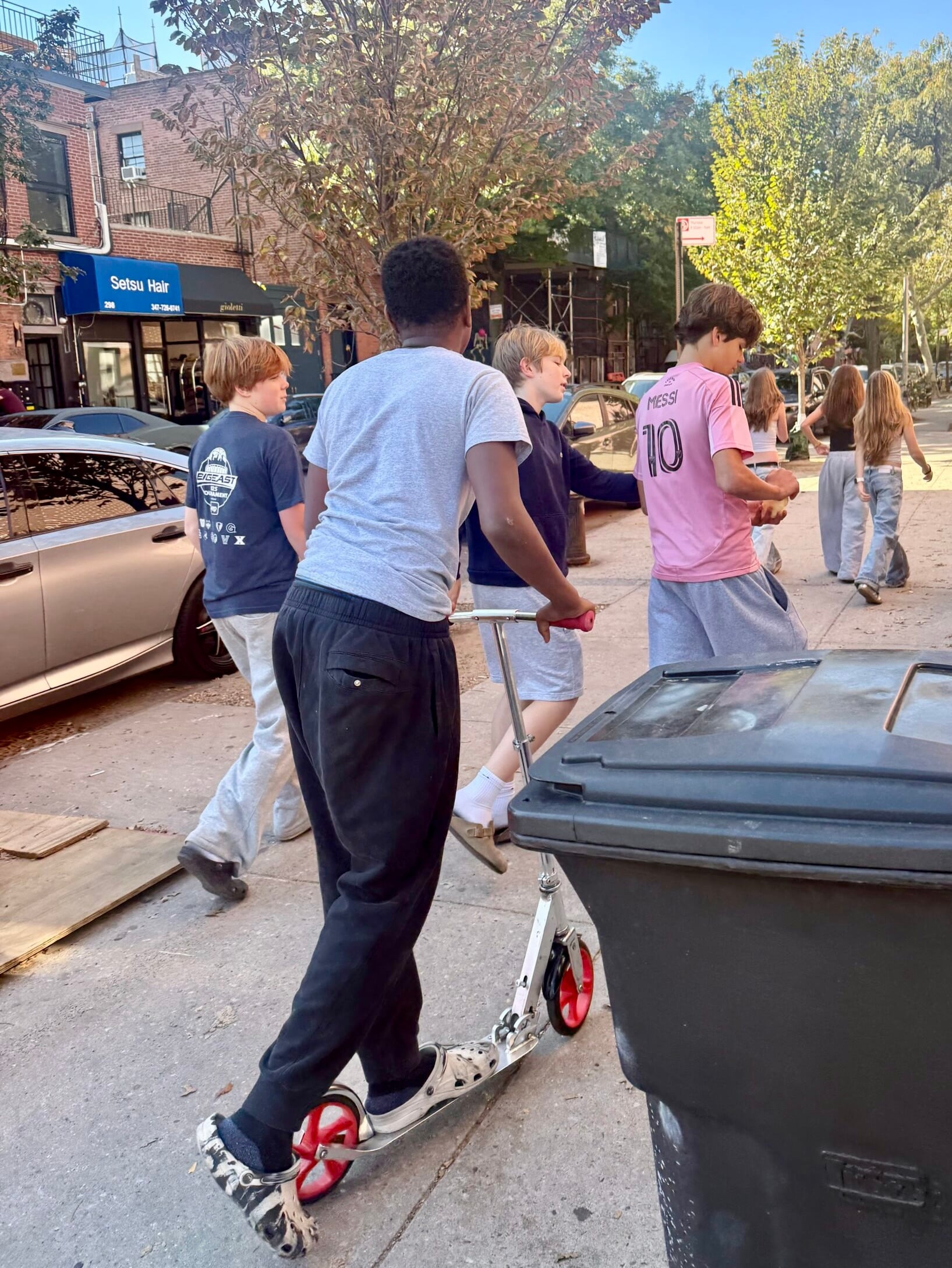
For instance, describing a group of teenagers as a "tornado" suggests a chaotic, high-energy environment, while labeling a gathering of close friends as a "hug" implies emotional warmth and cohesion. This trend reflects a broader cultural movement toward personalizing language to better capture the specific emotional tenor of a social event. Linguists suggest that such inventions are a natural evolution of language, where speakers manipulate existing structures to better reflect modern realities.

Linguistic Analysis of Social Taxonomy
The process of creating a new collective noun is not random; it typically follows a pattern of metaphorical association. When a speaker selects a word like "kaleidoscope" for butterflies, they are emphasizing the visual movement and shifting patterns of the group. Similarly, applying a "chinwag" (a colloquialism for conversation) to a large family gathering provides a descriptive, albeit informal, assessment of the group’s primary activity.
Data from recent linguistic studies suggest that digital platforms have accelerated the spread of these "folk terms." As social media users share lists of obscure or invented collective nouns, these terms gain rapid currency. This phenomenon indicates that, despite the increasing digitalization of communication, there remains a deep-seated human desire for evocative and descriptive language.
Timeline of Linguistic Adoption
- 1486: Publication of The Book of Saint Albans, which codified many of the traditional terms of venery still in use today.
- 18th–19th Century: Romantic poets and naturalists begin to adopt these terms in literature, moving them from the hunting grounds to the classroom.
- 20th Century: The rise of popular biology and nature writing makes these terms accessible to the general public, leading to the creation of "unofficial" terms.
- 21st Century: The digital age allows for the rapid circulation of creative collective nouns, turning them into a popular parlor game and a staple of lifestyle commentary.
Broader Implications and Cultural Impact
The persistence of these terms—both the traditional and the newly invented—highlights the intersection of science and creative expression. While scientists generally prefer standardized, neutral terminology for group behavior (such as "flocks," "herds," or "schools"), the public preference for more evocative language suggests that people value the storytelling potential of their vocabulary.
From a sociological perspective, the use of specialized terminology can create a sense of community. By adopting a specific term for their social circle or family dynamic, groups establish a shared vocabulary that strengthens internal bonds. This linguistic behavior is a marker of identity, signaling a connection to both the history of the English language and the specific personality of the group in question.

Expert Perspectives on Language Evolution
Linguists and educators often argue that while the formal scientific community may find these terms imprecise, they serve a vital role in maintaining the vitality of the English language. According to academic research in semantics, the ability to play with language and invent new descriptors is a sign of a healthy, adaptive linguistic system.
Furthermore, these creative expressions often bridge the gap between high-context literary tradition and low-context casual conversation. When someone refers to their family as a "chinwag," they are referencing a historical British colloquialism while simultaneously engaging in a modern, lighthearted social observation.

Conclusion: The Future of Descriptive Language
As English continues to evolve, the trend of inventing collective nouns is unlikely to dissipate. The human instinct to categorize and describe the world through metaphor remains constant. Whether it is a "dazzle of zebras" or a "blur of teenagers," the use of these terms provides a framework for understanding the complexity of groups in a way that is both intellectually stimulating and emotionally resonant.
By embracing these whimsical labels, speakers are not merely using words; they are participating in a long-standing tradition of linguistic creativity that honors the richness of the English lexicon. As technology continues to facilitate the sharing of ideas, it is expected that even more terms will emerge, further expanding the diverse and colorful ways in which we describe the gatherings that define our lives. The legacy of The Book of Saint Albans lives on, not just in the records of naturalists, but in the everyday, lived experience of individuals finding joy in the precise—and occasionally playful—application of language.