The Skincubator: A Wearable Medical Device Revolutionizing NICU Care by Bridging Technology and Skin-to-Skin Contact

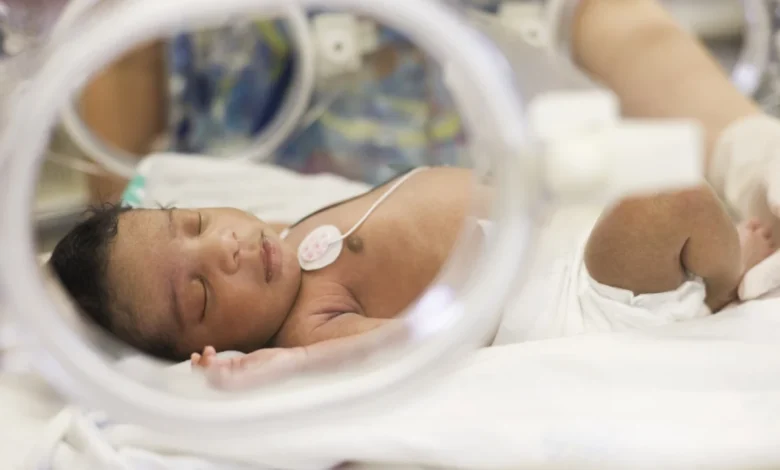
For families navigating the high-stakes environment of a neonatal intensive care unit (NICU), the birth of a premature infant introduces an immediate, heart-wrenching paradox. Traditional medical incubators are marvels of modern engineering, dramatically lowering premature infant mortality rates by tightly regulating oxygen, temperature, and humidity. Yet, these rigid glass-and-metal enclosures physically separate newborns from their parents, erecting a barrier against the foundational human experience of touch. For decades, neonatologists, nurses, and parents have wrestled with a difficult compromise: choosing between the vital life-support systems of a stationary incubator and the profound, scientifically proven healing benefits of skin-to-skin contact.
Now, a groundbreaking medical device known as the Skincubator is poised to eliminate that choice entirely. By functioning simultaneously as a portable, fully equipped neonatal incubator and a wearable apparatus, this innovative technology allows parents to hold their fragile newborns for hours at a time without ever disconnecting them from life-saving care. Following successful trials abroad and a recent milestone designation from the United States Food and Drug Administration (FDA), the Skincubator is moving closer to widespread clinical adoption, offering a paradigm shift in how neonatal care is delivered worldwide.
The Science and Necessity of Skin-to-Skin Contact
In the landscape of modern pediatrics, skin-to-skin contact—often referred to as kangaroo mother care—is no longer viewed merely as a tender emotional bonding ritual. Extensive clinical research underscores that close physical contact between an infant and a parent is a potent therapeutic intervention with profound physiological impacts.
When a newborn is placed directly against a parent’s bare chest, a biological dialogue begins between their bodies. The parent acts as an external regulatory system, helping stabilize the infant’s autonomic nervous system. Studies show that skin-to-skin contact significantly helps regulate an infant’s body temperature, keeping preemies warm more efficiently than some mechanical setups while reducing the risk of hypothermia. Furthermore, this physical closeness stimulates the infant’s developing immune system, encourages successful breastfeeding by prompting early latching behaviors, and stabilizes heart rates and oxygen saturation levels.
The benefits extend outward to the parents as well. The trauma of delivering a premature infant frequently triggers severe postpartum anxiety and depression. Holding a child close floods the parent’s brain with oxytocin, the neurochemical responsible for bonding and stress reduction, thereby mitigating issues of postpartum depression and fostering parental mental well-being during a deeply stressful period.
Recognizing these powerful outcomes, the World Health Organization (WHO) has established rigorous guidelines, recommending that every infant born before 37 weeks gestation receive at least eight hours of skin-to-skin contact every day. However, in a conventional NICU setting, meeting this recommendation is an extraordinary logistical hurdle. Preemies tethered to invasive mechanical ventilators, feeding tubes, intravenous lines, and arterial catheters cannot simply be lifted out of their stationary incubators without considerable risk of dislodging critical equipment. Consequently, the medical necessity of the incubator often supersedes the developmental necessity of human touch, leaving families to count down precious, highly restricted minutes of contact.
Engineering the Skincubator: Merging Life Support with Human Touch
The conceptualization and realization of the Skincubator represent a four-year engineering odyssey aimed at resolving this clinical impasse. Developed by a multidisciplinary team of medical researchers, neonatal specialists, and industrial designers, the Skincubator is a wearable, portable system that packs the core utility of a stationary NICU incubator into a flexible, ergonomic harness worn by the parent.
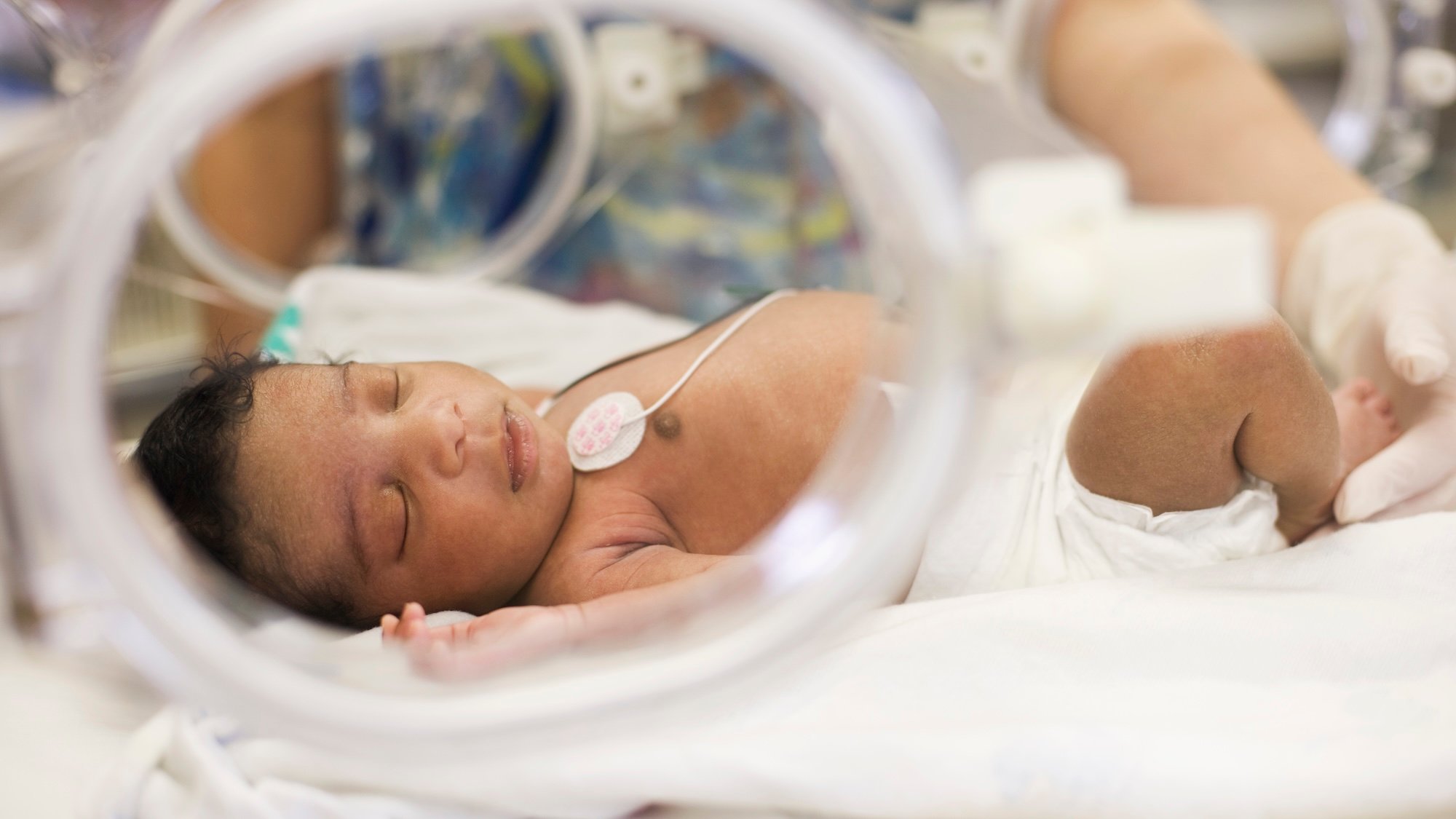
The device is meticulously engineered to accommodate the fragile physiology of micro-preemies—infants born weighing less than two pounds or before the 28th week of pregnancy. Despite its wearable form factor, the Skincubator does not compromise on medical acuity. It is fully integrated to house and protect all necessary, life-saving equipment, including ventilator tubing, central venous catheters, and arterial monitoring lines, ensuring that continuous clinical oversight is never interrupted.
Maintaining an optimal microclimate is critical for preterm infants, who lack the body fat and skin thickness required to retain heat and moisture. The Skincubator addresses this by generating a controlled environment featuring 70 to 90 percent relative humidity and temperatures ranging between 84.2 and 87.8 degrees Fahrenheit. Within this microclimate, the infant is cradled in a secure, stable, and ergonomically correct fetal position that supports healthy musculoskeletal development.
The defining mechanical innovation of the device is its specially engineered, retractable thermal pad. When a parent is ready to engage in skin-to-skin holding, this pad carefully and smoothly slides beneath the infant. The mechanism allows the baby to be transitioned seamlessly from the enclosed wearable environment directly against the parent’s chest, while maintaining the precise thermal and humidity parameters required to prevent thermal shock. This design enables uninterrupted holding sessions that can comfortably last for hours, transforming what was once a stressful, highly orchestrated medical transfer into a natural, extended bonding experience.
Chronology of Development and Regulatory Milestones
The path from a clinical concept to a regulatory-approved medical device has involved rigorous testing, iterative design refinements, and international clinical evaluations.
The foundational research and development phase spanned roughly four years, during which engineers and neonatologists tested various iterations of the wearable microclimate system. Early prototyping focused heavily on safety redundancies, ensuring that power failures, temperature fluctuations, or accidental dislodgements of monitoring lines could be instantly detected and mitigated by backup protocols.
Following successful bench testing, the Skincubator underwent initial clinical trials in European medical centers, most notably in Germany. These trials focused on evaluating the device’s safety, thermal stability, and impact on infant vital signs during prolonged holding periods. Data gathered from these European cohorts demonstrated that infants maintained stable physiological parameters—such as heart rate, blood pressure, and blood oxygen levels—while resting in the wearable device against a parent’s chest. Furthermore, nursing staff reported high usability scores, noting that the device did not encumber routine clinical interventions or emergency responses.
Building upon these international successes, the development team set their sights on the United States market. In December 2025, the device achieved a major regulatory milestone when the U.S. Food and Drug Administration (FDA) granted the Skincubator a Breakthrough Device designation.
The FDA’s Breakthrough Devices Program is intended to help patients receive more timely access to novel technologies that provide more effective treatment or diagnosis for life-threatening or irreversibly debilitating conditions. By granting this status, the agency acknowledged the unique potential of the Skincubator to address an unmet clinical need in neonatal care, thereby expediting the collaborative review process, prioritizing regulatory feedback, and clearing a path for domestic clinical trials.
Early Clinical Reception and Testimonials

As the Skincubator prepares for expanded deployment across American healthcare facilities, initial U.S. testing phases are already underway at select institutions, including Children’s Memorial Hermann Hospital in Houston, Texas.
Families participating in these early trials have offered overwhelmingly positive feedback, highlighting the emotional and psychological shift the device brings to the sterile, often intimidating environment of the NICU. Tiffany Ikwuagwu, a mother of twins and one of the pioneering U.S. trial participants, shared her perspective in a video released by the hospital following her experience with the device.
"This is a great invention," Ikwuagwu said. "I think the fact that I can help regulate the babies’ heart[s] and help the babies relax, and just have that connection to them, is very special."
For parents like Ikwuagwu, the psychological burden of watching a newborn struggle behind plexiglass walls is immense. The Skincubator replaces that distance with physical proximity, empowering parents to take an active, tactile role in their child’s stabilization and recovery process from the earliest days of life.
Broader Implications and Future Outlook for NICU Care
The introduction of the Skincubator arrives at a time of broader transformation within neonatal medicine, where hospitals are increasingly prioritizing family-centered care models. Historically, intensive care units were designed primarily around the needs of machinery and medical staff, often relegating parents to the role of visitors. Over the past two decades, however, a growing body of evidence has shown that active parental involvement correlates with shorter hospital stays, improved neurological outcomes, and reduced rates of infant rehospitalization.
From an institutional and economic perspective, devices that facilitate extended skin-to-skin contact may also yield significant long-term benefits. By naturally stabilizing infant vitals and supporting immune function, such interventions can potentially reduce the incidence of costly NICU complications, such as nosocomial infections, severe respiratory distress episodes, and prolonged developmental delays. Furthermore, by alleviating maternal postpartum depression and anxiety, hospitals can improve overall family mental health outcomes during a notoriously high-risk period.
Looking forward, the creators of the Skincubator are planning collaborative partnerships with additional leading medical centers and research universities across the United States. These upcoming phases will focus on multi-center clinical trials designed to gather comprehensive longitudinal data on infant growth trajectories, neurodevelopmental markers, and parent-infant bonding metrics.
As regulatory pathways continue to open following the FDA’s breakthrough designation, the medical community is watching closely. If the Skincubator successfully transitions into standard clinical practice, it promises to rewrite the operational playbook of the NICU—proving that advanced technological intervention and the most fundamental human instinct need not be mutually exclusive, but can instead work in tandem to give the world’s most vulnerable newborns the best possible start in life.
Related posts: