New York City Mayor Zohran Mamdani Faces Severe National Backlash Over Spanish-Language Video Advising Residents on ICE Interactions

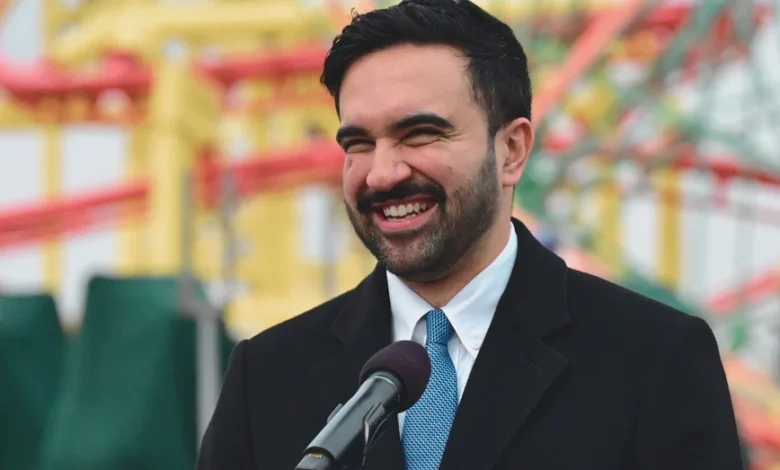
The political landscape of New York City became the epicenter of a fierce national debate this week following a high-profile social media post by Mayor Zohran Mamdani. The progressive mayor drew intense criticism from conservative lawmakers, legal analysts, and federal officials after publishing an instructional video in Spanish detailing how residents should handle encounters with U.S. Immigration and Customs Enforcement (ICE).
The digital controversy, which quickly amassed millions of views across various social media platforms, highlights the deep-seated ideological fractures concerning municipal sanctuary policies, federal immigration enforcement, and the constitutional boundaries of local governance in major metropolitan areas.
The Catalyst: A Viral Message in Spanish
The dispute began on a Friday when Mayor Mamdani utilized his official X (formerly Twitter) account to address New York City’s immigrant communities. Speaking directly to viewers in Spanish, the mayor outlined standard constitutional protections and tactical advice for individuals who might cross paths with federal immigration agents.
"If you encounter ICE, here’s what every New Yorker should know," Mamdani stated in the widely viewed post, which rapidly surpassed seven million impressions within hours of publication.
In the video, the mayor emphasized that federal immigration agents "cannot enter private spaces like your home, school, hospitals, or private areas of a workplace without a judicial warrant signed by a judge." Furthermore, the guidance reminded residents of their fundamental Fifth Amendment right to remain silent and offered practical steps on how to conduct themselves during interactions with federal authorities. Mamdani contextualized the release of the video by stating that these represent "very frightening times for many people," pointing to heightened anxiety among immigrant populations across the five boroughs.
Immediate National Condemnation
The mayor’s advisory sparked an immediate and ferocious reaction from conservative lawmakers and political commentators nationwide. Critics quickly framed the video not as a routine public education campaign, but as a deliberate effort by a municipal leader to obstruct federal law enforcement and encourage violations of federal immigration statutes.
Federal lawmakers led the charge in condemning the New York City executive. Rep. Brandon Gill, R-Texas, voiced profound indignation on social media, writing: "It should be insulting to every American that the mayor of our largest city is a guy who became a citizen less than a decade ago and now spends his time coaching illegal aliens in a foreign language on how they can avoid being lawfully deported."
Sen. Mike Lee, R-Utah, echoed these sentiments, drawing attention to the linguistic and legal focus of the broadcast. "At no point in this video is anyone urged to abide by the laws of the United States," Lee posted. "Because it was not made for the benefit of the people of the United States."
Other prominent figures joined the chorus of disapproval. Rep. Nancy Mace, R-S.C., asserted a strict territorial definition of civic identity, posting, "If you’re here illegally, you’re not a New Yorker. Period." Meanwhile, Sen. Bernie Moreno, R-Ohio, labeled the municipal advisory as "Treason," and Judicial Watch President Tom Fitton characterized the video as "dangerous incitement full of disturbing falsehoods by communist terrorist supporter @NYCMayor," warning that the statements could jeopardize public safety.
The incident also drew commentary from public figures outside traditional politics. Actor Dean Cain weighed in, writing, "Unless you’re here illegally, you’ve no reason to fear ICE," while media commentator Tomi Lahren criticized the involvement of foreign-born political figures in domestic legal disputes.
Background Context: A History of Anti-ICE Posture
Mayor Mamdani’s digital advisory did not occur in a vacuum; rather, it represents the latest chapter in a long-standing ideological battle between New York City’s municipal government and federal immigration enforcement agencies.
Throughout his electoral campaign and subsequent tenure in office, Mamdani has consistently positioned himself as a vocal opponent of ICE and the broader immigration enforcement agenda pursued by federal administrations. He has previously advocated for the complete abolition of ICE, arguing that its operations inflict systemic harm on immigrant neighborhoods and erode trust between local communities and public institutions.
Tensions reached a boiling point earlier in the year following a high-profile shooting incident in the Bronx involving an ICE agent during an enforcement operation. In the wake of that event, Mamdani publicly castigated the agency as a "rogue" organization, asserting that its personnel view the rule of law "merely as a suggestion." Department of Homeland Security (DHS) officials quickly pushed back against the mayor’s rhetoric, with DHS Secretary figures labeling his anti-ICE statements as reckless and dangerous to law enforcement officers operating in urban environments.
Sanctuary Policies and Municipal Governance

To understand the operational framework underlying Mayor Mamdani’s video, one must examine New York City’s robust sanctuary city framework. Shortly after assuming office, Mamdani signed an executive order designed to significantly reinforce and expand the city’s existing sanctuary protocols.
The executive order instituted several strict directives for municipal agencies:
- Limitation of Cooperation: City employees and agencies are barred from assisting federal immigration authorities in civil enforcement actions unless legally mandated by a judicial warrant.
- Data Privacy Protection: The order establishes rigorous protocols to safeguard the personal information of residents from being shared with federal databases.
- Property Access Restrictions: Clear procedures were established governing how and when ICE personnel may request or be granted access to city-owned property, schools, hospitals, and non-public areas of workplaces.
- Educational Initiatives: The policy mandated the creation and widespread distribution of expanded "know your rights" educational materials, along with specialized training programs for municipal staff.
Legal and Constitutional Implications
The clash between Mayor Mamdani and federal authorities underscores a persistent constitutional tension in American jurisprudence regarding the Tenth Amendment and the doctrine of federal preemption. While the federal government holds exclusive authority over immigration policy and the enforcement of federal immigration laws, local jurisdictions possess broad police powers to govern their own internal affairs, manage local municipal resources, and dictate the scope of cooperation between local police departments and federal agencies.
Legal scholars note that providing generalized legal information—such as reminding individuals of their Fourth Amendment protections against warrantless searches and seizures—is generally protected under the First Amendment. However, critics argue that when a municipal chief executive actively produces and disseminates foreign-language instructional media aimed at evading federal apprehensions, it crosses a line from public awareness into active non-cooperation and administrative obstruction.
Broader Economic and Social Impacts
The ongoing dispute carries profound implications for the social fabric and economic life of New York City. Proponents of the mayor’s policies argue that fostering trust between undocumented residents and local government is essential for public health and safety. They maintain that if immigrants fear that interacting with local police, hospitals, or social services will lead to deportation, they will be less likely to report crimes, seek medical care during public health crises, or send their children to school.
Conversely, opponents argue that normalizing and institutionalizing non-cooperation with federal immigration statutes undermines the rule of law, strains federal-local partnerships, and places an unfair financial and social burden on municipal infrastructure. Critics contend that sanctuary policies incentivize unlawful entry and detract from the primary responsibilities of local leadership, which include upholding national laws and ensuring public safety for all legal citizens.
As the political fallout from the viral video continues to reverberate through Washington and City Hall, the debate over the limits of local sanctuary policies shows no signs of abating, setting the stage for ongoing legal and legislative showdowns over the future of immigration enforcement in America’s urban centers.