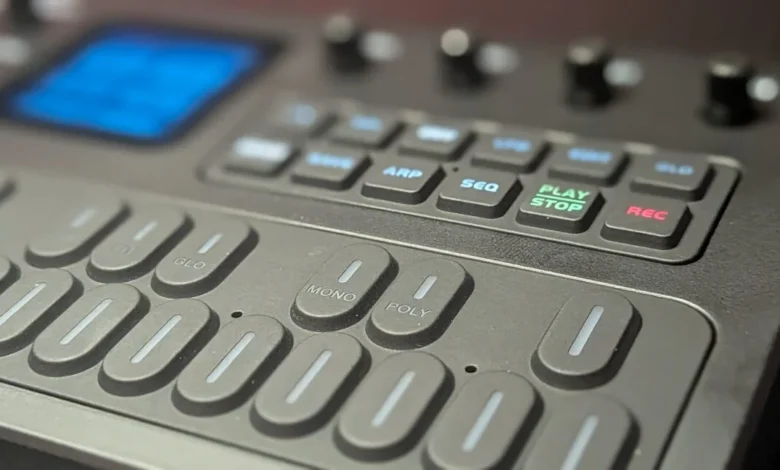
The M-Vave FM-1 has evolved from a niche $60 budget synthesizer into a focal point of open-source hardware experimentation, marking a significant shift in how manufacturers interact with enthusiast communities. Originally marketed as an affordable, portable frequency-modulation synthesizer inspired by the legendary Yamaha DX7, the device’s trajectory changed dramatically when developers began reverse-engineering its proprietary firmware. This grassroots movement has transformed a static piece of hardware into a versatile "pocket studio," capable of running custom sound engines, sequencers, and even ports of classic video games.
A Chronology of the Open-Source Pivot
The transformation of the FM-1 began in July 2026, when members of the r/synthdiy community on Reddit initiated an effort to bypass the limitations of the device’s factory-locked software. At the time, the FM-1 was viewed primarily as a curiosity—a low-cost alternative for hobbyists who desired the complex, bell-like tones of FM synthesis without the high entry barrier of vintage or professional-grade equipment.
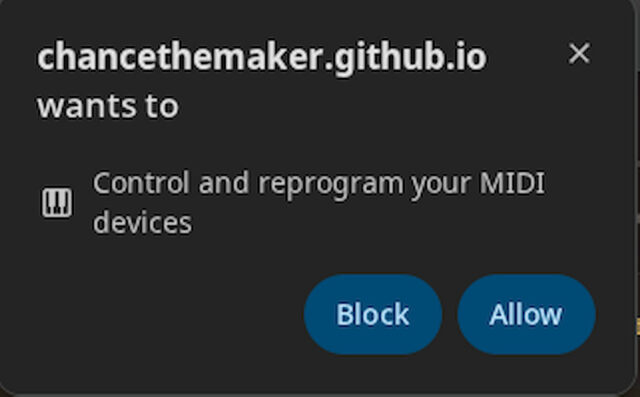
By August 2026, initial proof-of-concept builds surfaced, demonstrating that the device’s internal JieLi processor could be re-flashed with custom instructions. In a move that surprised industry observers, M-Vave did not attempt to litigate or patch out these modifications. Instead, on October 17, 2026, the company officially embraced the community by launching "FM1 Open." This initiative provided an official SDK, a browser-based firmware workbench, and a commitment to maintaining an open-platform version of their stock firmware (starting with v15). By providing an official path for custom development, M-Vave effectively sanctioned the modding scene, turning a potential security headache into a marketing asset.
Hardware Specifications and Technical Architecture
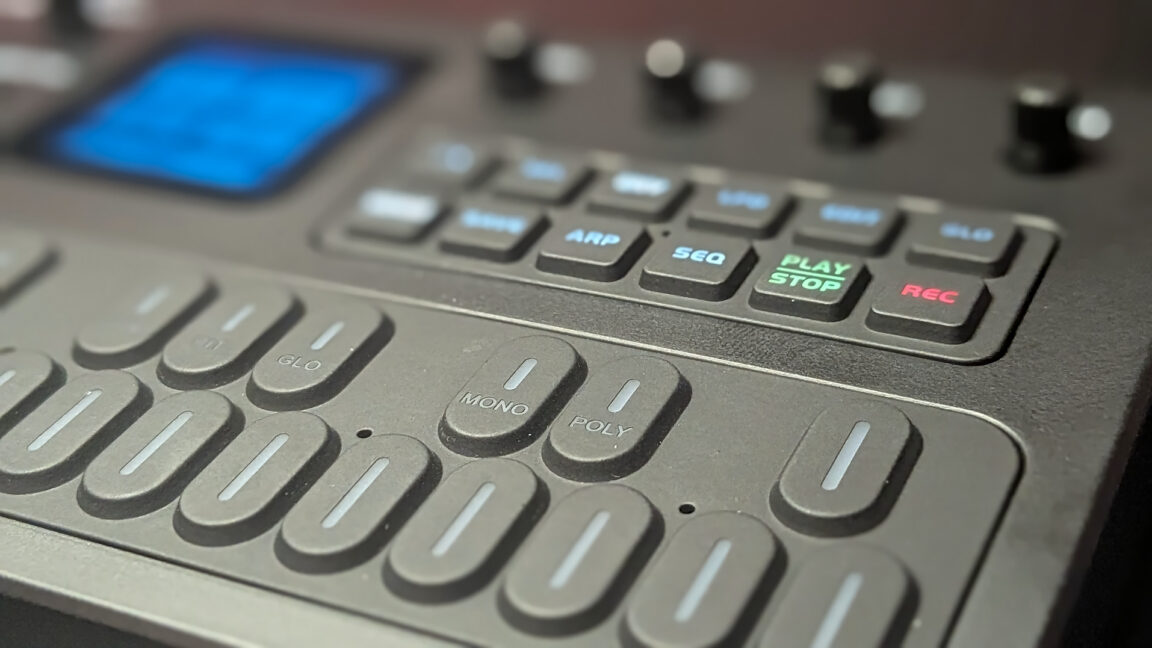
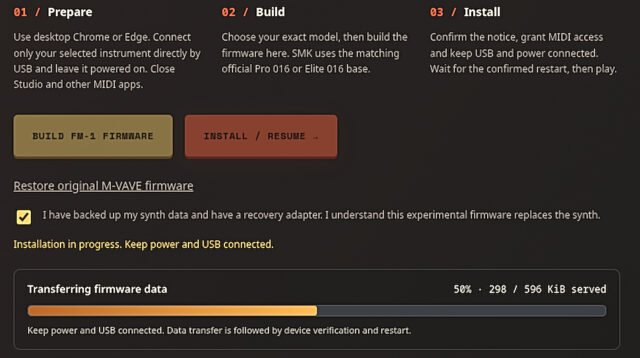
The FM-1 is built around a compact form factor, featuring 27 touch-sensitive piano keys and a 1.54-inch TFT display. Under the hood, the device relies on a JieLi microcontroller, which provides enough processing power to handle real-time synthesis and basic visual rendering. The decision to utilize a single flash bank for firmware means that while the device is highly moddable, it remains sensitive to improper update procedures. If a flash is interrupted, the device can enter a "bricked" state, though the company’s inclusion of a "force-flash" tool within the FM1 Workbench has mitigated much of the risk associated with these DIY projects.
From an engineering perspective, the "open" nature of the FM-1 is nuanced. While the application layer of the firmware—the interface, the sequencing logic, and the user-facing tools—is published under the GPLv3 license, the underlying synthesis engine remains a closed binary. This hybrid model allows for significant customization of how the user interacts with the device while protecting the core intellectual property that gives the FM-1 its distinct "DX7-like" sound profile.
The Rise of the Custom Firmware Ecosystem
The community has wasted no time in populating the device with software that expands its utility far beyond its original intent. Among the most notable projects are:
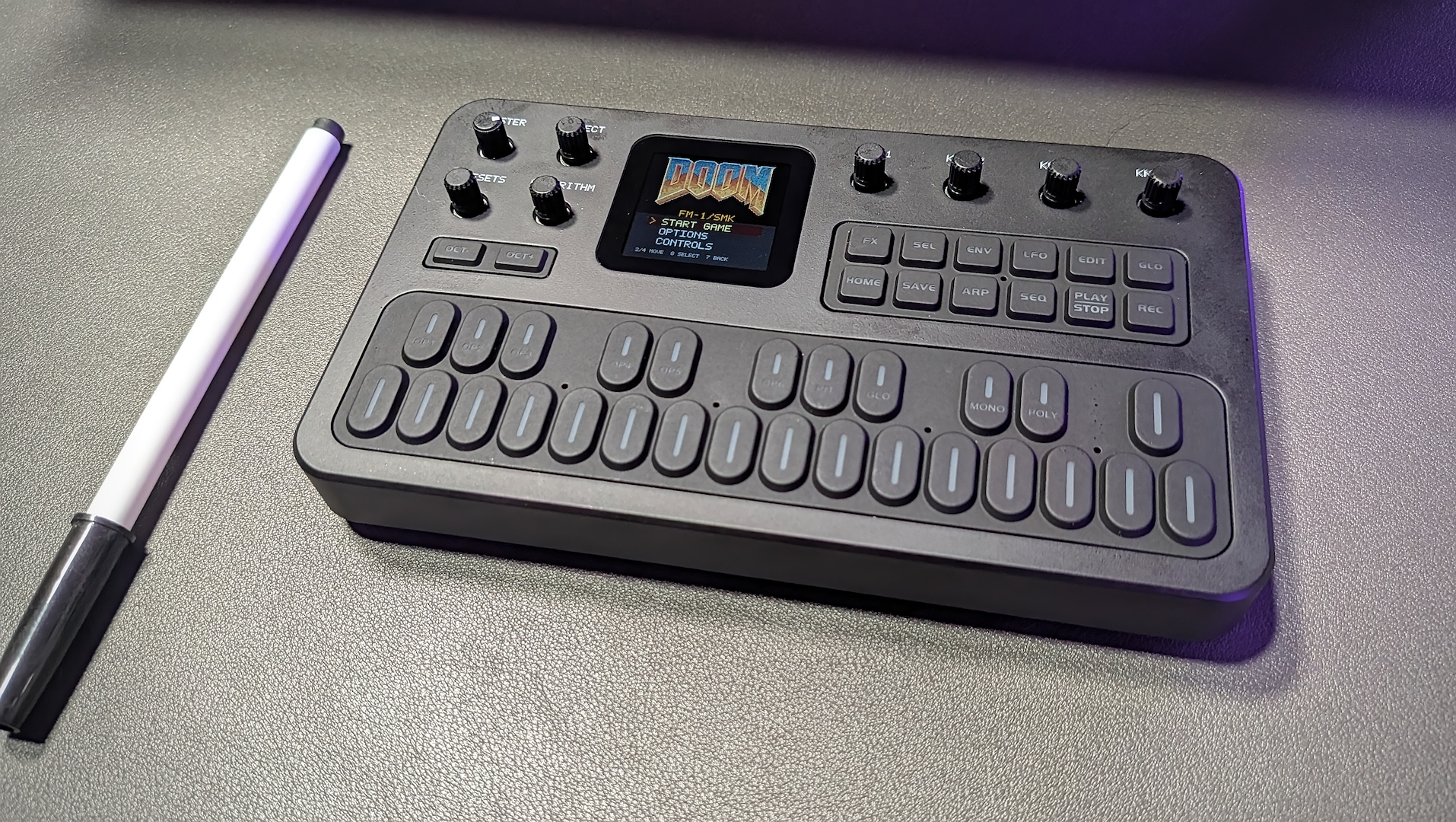
- Doom: The porting of the 1993 id Software classic to the FM-1 served as a community "rite of passage." While the hardware’s 240×240 resolution and limited controls make for a challenging gameplay experience, the project proved the viability of running complex C-based applications on the device’s modest hardware.
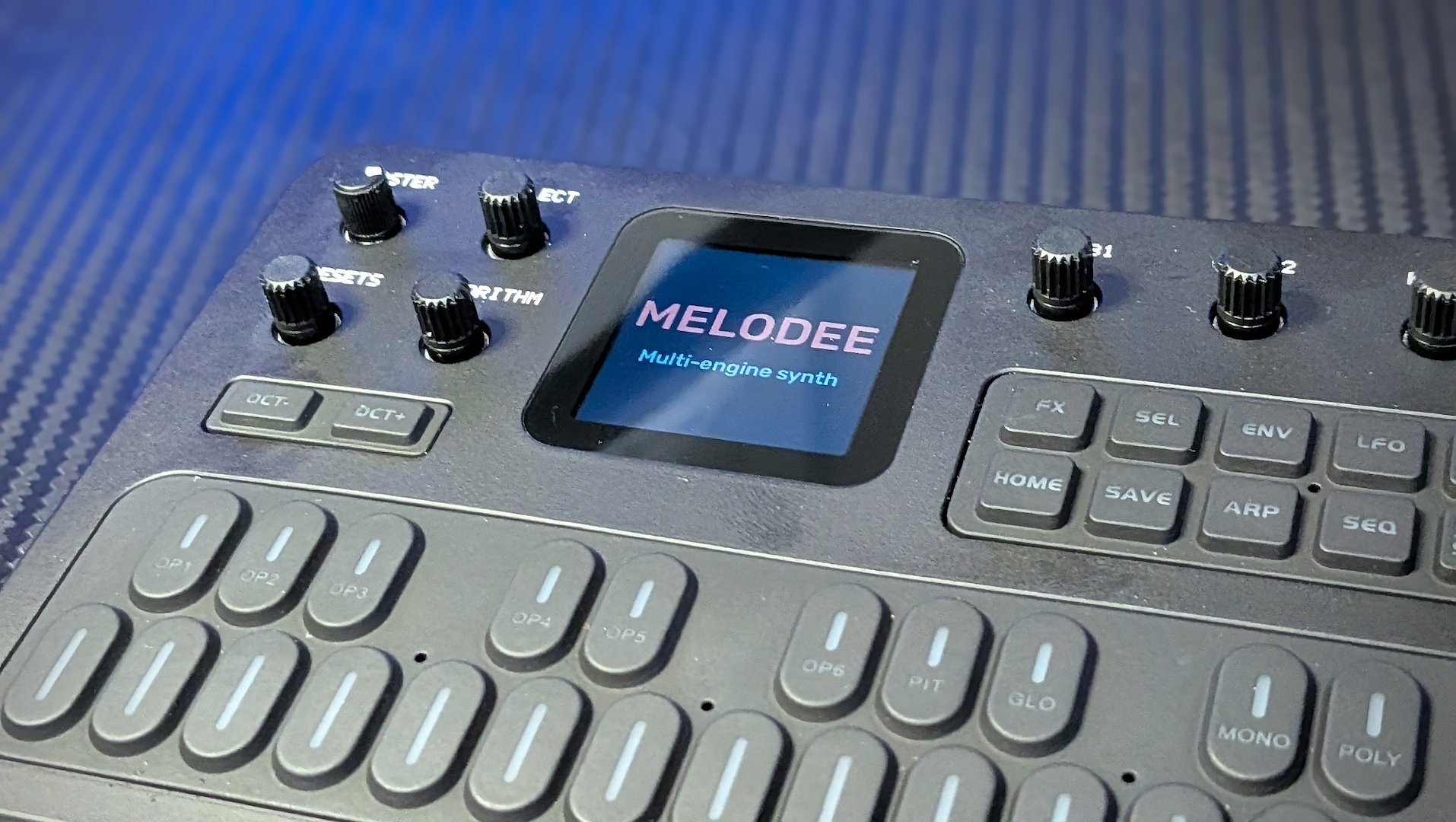
- Melodee: This firmware package shifts the device’s capabilities toward phase distortion and chiptune emulation. By including engines that mimic the Casio CZ-1 and the Commodore 64’s SID chip, Melodee has turned the FM-1 into a portable, battery-powered tool for retro-electronic music composition.
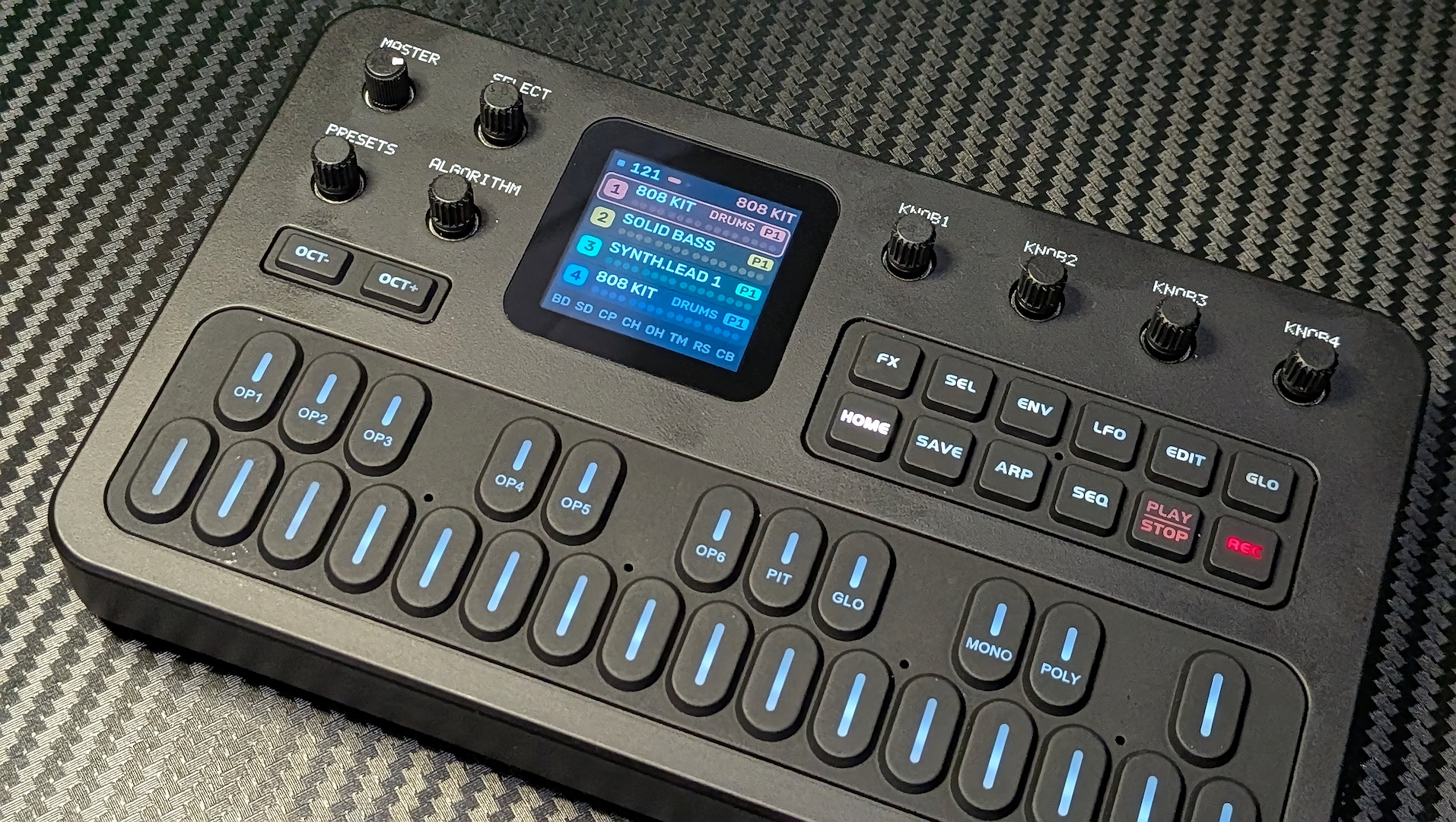
- Felucca: Perhaps the most significant project to date, Felucca transforms the FM-1 from a monophonic instrument into a multi-engine synthesizer. It supports simultaneous instrument layers and includes a built-in sampler, effectively turning the FM-1 into a standalone performance device.
- SLOOP: Positioned as a "groovebox" solution, SLOOP provides an eight-track sequencing environment. This allows users to program drums, basslines, and lead melodies independently, making the FM-1 a legitimate, albeit miniature, music production station.
Implications for the Consumer Electronics Industry
The success of the FM-1 highlights a growing trend in the "Right to Repair" and maker communities: the demand for devices that are "open by design." By pivoting to support the community, M-Vave has effectively extended the product lifecycle of the FM-1. A device that might have been discarded after a few months of casual use is now being used for daily music production, development, and hobbyist experimentation.
Furthermore, this model reduces the support burden on the manufacturer. When users encounter issues with community-developed firmware, they turn to community forums and GitHub repositories for troubleshooting, rather than opening official support tickets. This decentralization of support creates a sustainable ecosystem where the value of the product increases over time as the community releases more features.
However, the "Proceed at Your Own Risk" caveat remains a significant hurdle for mainstream adoption. The requirement to manually flash firmware, the potential for data loss (as all settings are wiped during the process), and the need to navigate technical documentation mean the FM-1 is still largely a tool for the technically inclined.
Best Practices for Enthusiasts
For those looking to enter the FM-1 ecosystem, community consensus emphasizes a specific workflow to minimize hardware failure. The most critical step is ensuring the device is updated to the latest official firmware (currently v16) before attempting any custom installations.
Industry analysts suggest that the "bridge" firmware approach—such as the "TransitFM1" tool—is the safest method for transitioning between different custom builds. By utilizing a "crash-guarded boot stub," users can swap between different experimental firmwares without the constant risk of bricking the device. This reflects a broader maturation of the hobbyist scene, which is moving from chaotic, individual experimentation toward more standardized, community-vetted tools.
Future Outlook and Market Impact
The M-Vave FM-1 is part of a larger trend of "democratized hardware." As microcontrollers become more powerful and cheap, the barrier to entry for creating specialized, high-quality hardware has lowered. When companies like M-Vave provide the infrastructure for developers to build upon their products, they foster a level of brand loyalty that traditional advertising cannot replicate.
The long-term impact of this project on the broader synth market remains to be seen. While the FM-1 is unlikely to replace professional-grade workstations, it serves as an excellent gateway device. It introduces users to the concepts of signal chains, multi-track sequencing, and synthesis parameters in a way that is approachable and, crucially, low-cost.
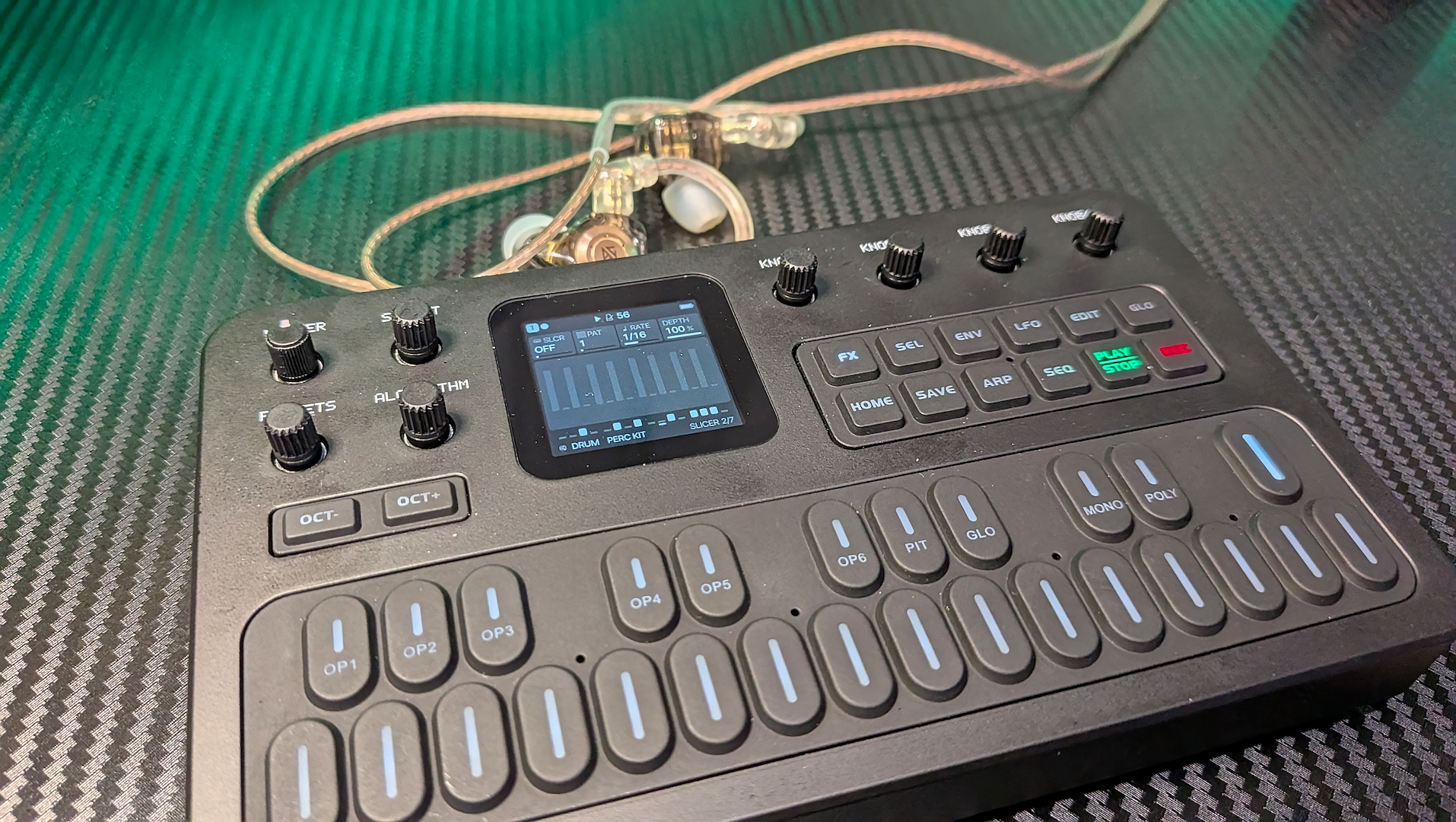
As we look toward the end of 2026, the FM-1 stands as a case study in how transparency can revitalize a product. By embracing the creative potential of their user base, M-Vave has demonstrated that a $60 piece of hardware can provide more utility and engagement than devices costing ten times as much, provided the manufacturer is willing to let the community steer the ship. Whether this will lead to a new category of "open-platform" musical instruments or remain an outlier in the budget hardware market, the M-Vave FM-1 has undoubtedly left a lasting impression on the landscape of modern digital music technology.
As users continue to push the hardware to its absolute limits—layering samples, creating complex sequences, and exploring the limitations of the processor—the FM-1 remains a testament to what happens when engineering curiosity meets a company that is willing to listen. For the average consumer, it is an inexpensive entry point into a world of creativity; for the developer, it is an open canvas; and for the industry, it is a reminder that the most valuable feature a device can have is an open door.