The annual tradition of Halloween, rooted in the ancient Celtic festival of Samhain, has evolved into a global phenomenon dominated by the commercial costume industry. However, a growing subset of participants is shifting away from mass-produced, synthetic store-bought ensembles in favor of bespoke, DIY, and conceptual designs. As the October 31st deadline approaches, individuals are increasingly utilizing social media platforms and community forums to crowdsource inspiration, resulting in a renaissance of artisanal costuming that emphasizes narrative, humor, and personal identity.
The Evolution of Halloween Costume Trends
Data from the National Retail Federation (NRF) suggests that consumer spending on Halloween costumes in the United States consistently reaches multi-billion dollar figures, with a significant portion of this expenditure moving toward adult participants. While pop culture references typically dictate the top-selling costumes—often mirroring the year’s most successful films and television series—there is a measurable trend toward "niche" or "pun-based" costumes. These designs often require significant lead time, sometimes weeks or months of preparation, signaling a move toward "slow fashion" within the holiday sector.
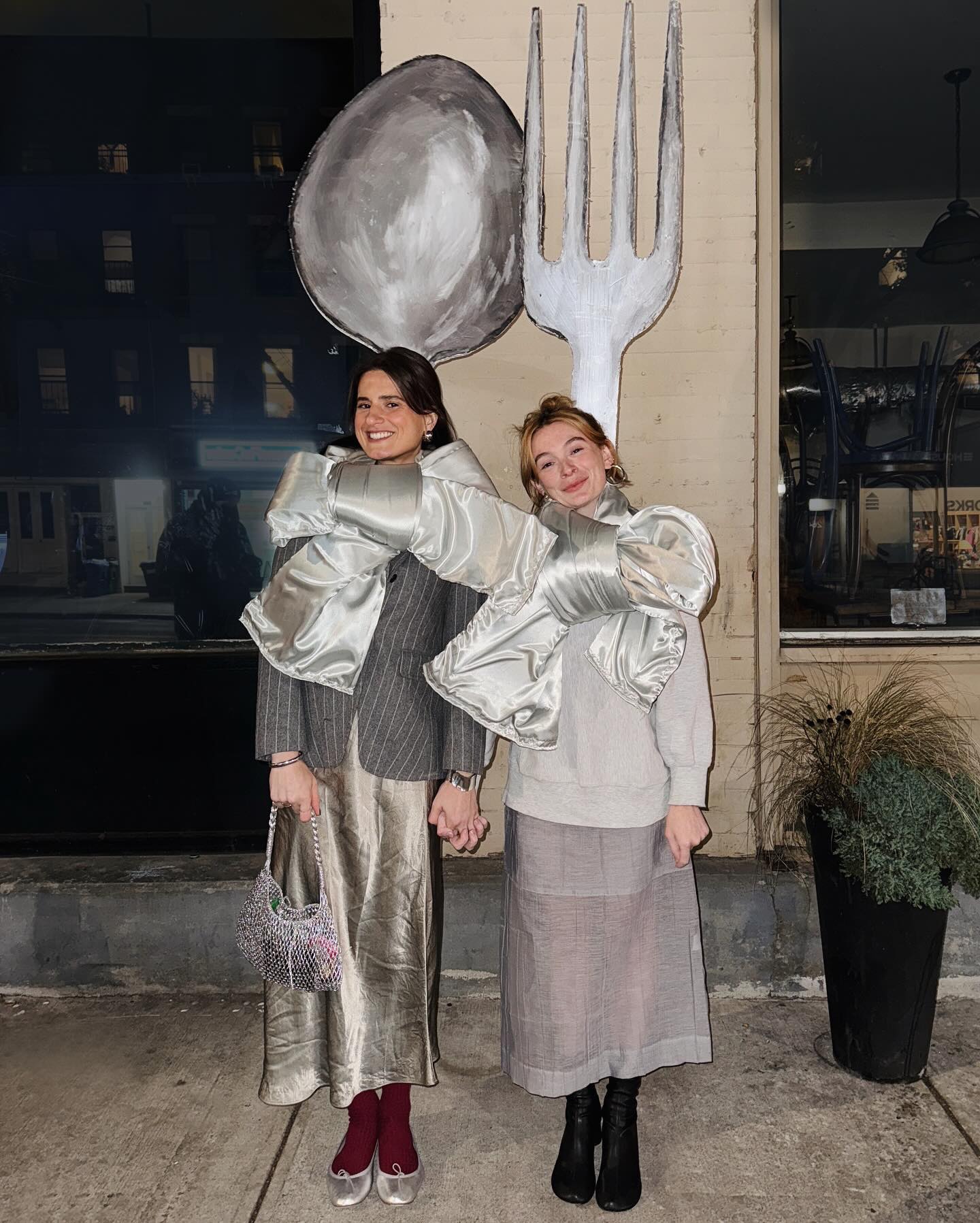
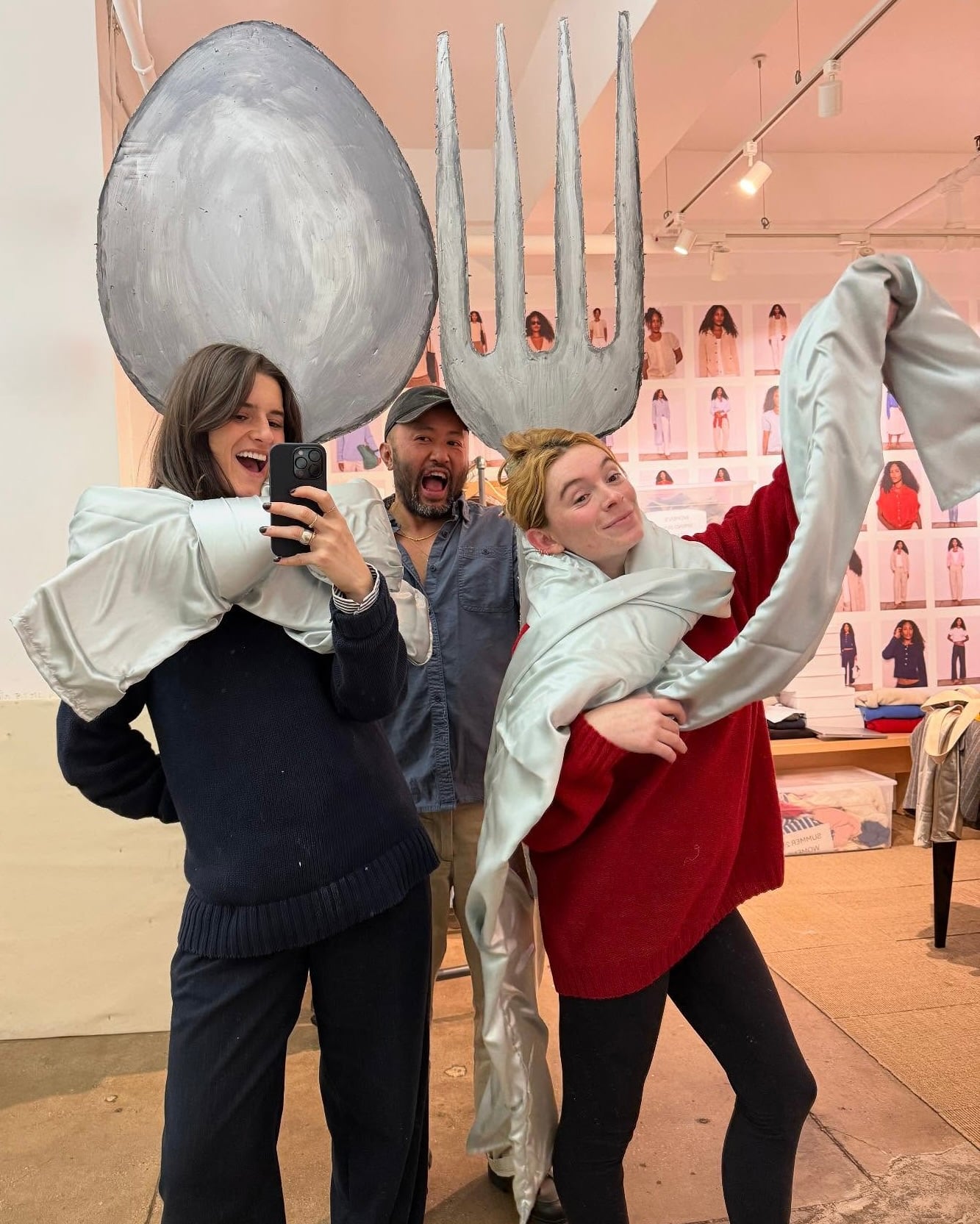
The creative process for these elaborate designs frequently involves professional collaboration. For instance, the transition from concept to execution has increasingly involved professional designers and creative directors, as seen in the collaborative efforts between hobbyists and industry professionals at firms like Alex Mill. This shift represents a broader cultural movement where the act of "making" is valued as highly as the final reveal at public events and costume competitions.
Chronology of Creative Execution
The preparation for high-effort costumes often follows a structured timeline. Industry experts note that the planning phase typically begins in late August or early September, allowing for the procurement of specialized materials.
- Ideation Phase (Early September): Individuals draw inspiration from diverse sources, ranging from vintage fashion archives to contemporary culinary trends and pop culture icons.
- Design and Prototyping (Mid-September): During this phase, individuals often prototype their designs. This is where, for example, office-based collaborations or home-studio builds occur.
- Execution and Refinement (October): The final assembly involves structural engineering, particularly for costumes involving unconventional materials such as balloons, rigid foam, or large-scale props.
- The Reveal (October 31st): The culmination of the effort, often showcased in high-stakes environments like professional costume contests or neighborhood gatherings.
Case Studies in Conceptual Design
Several notable examples from this season’s reader submissions highlight the breadth of modern creative expression.
Culinary-Inspired Narratives
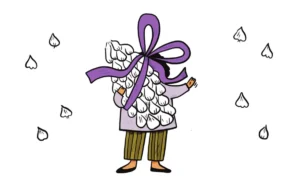
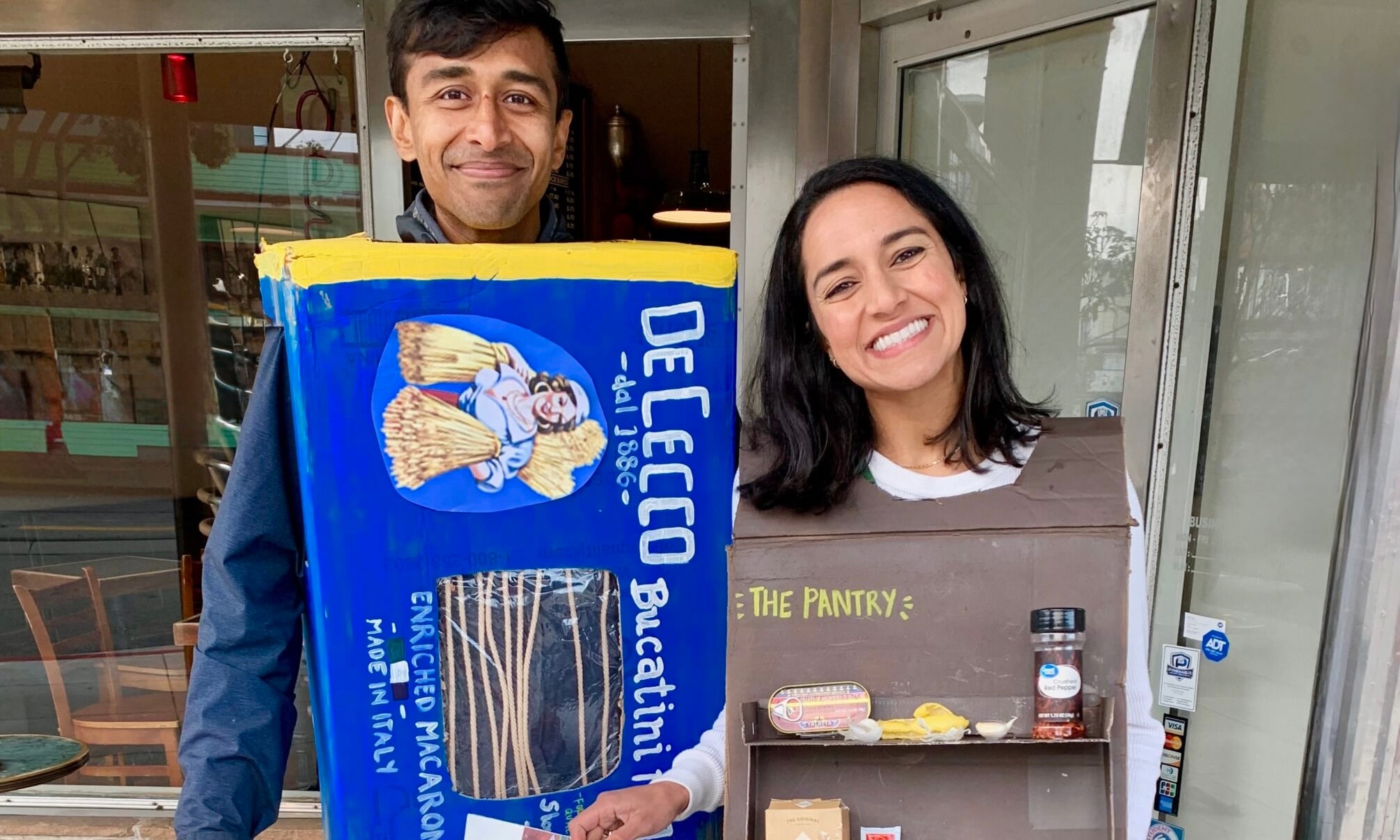
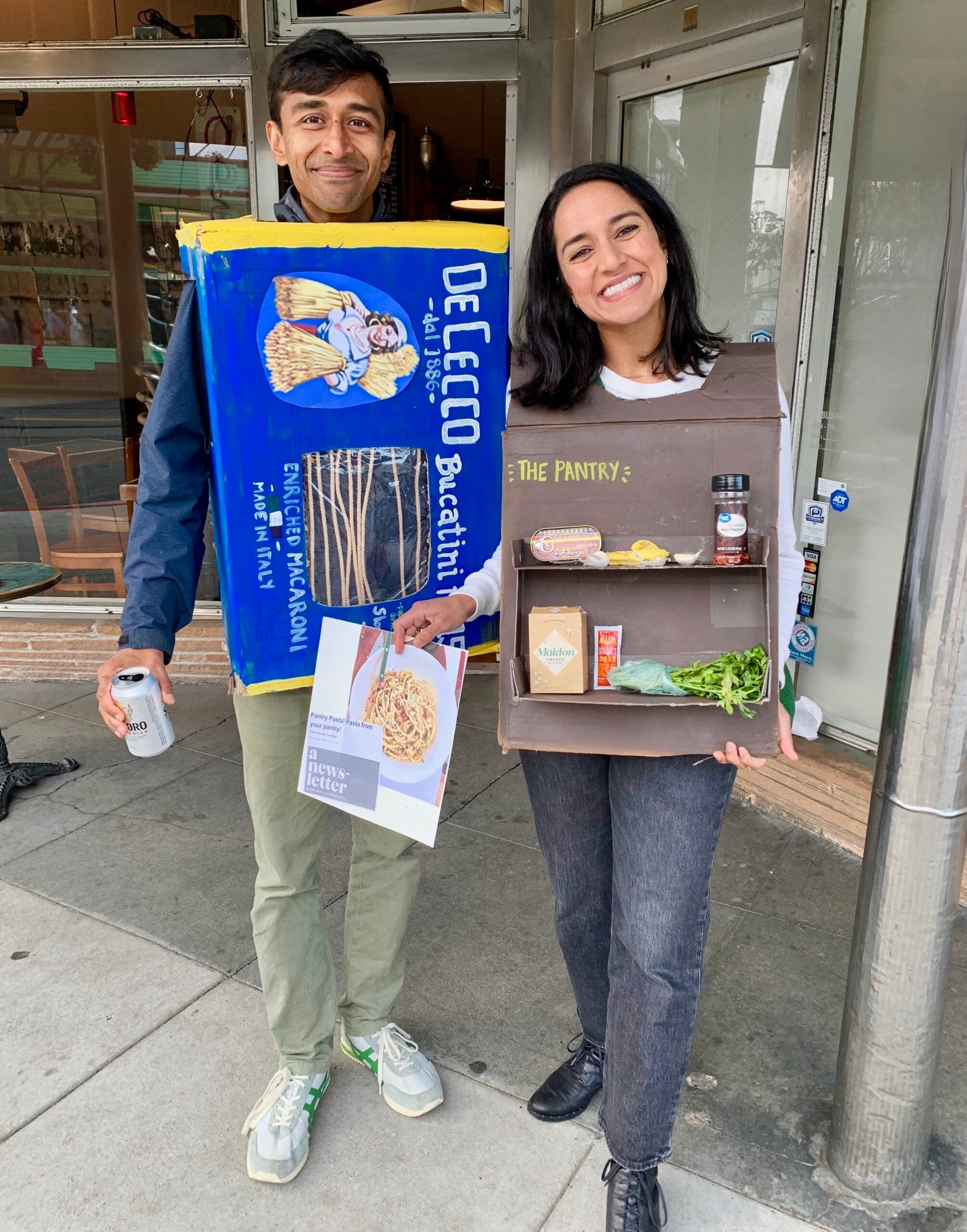
The trend of "foodie" costumes has moved beyond simple fruit-themed outfits to complex culinary references. For example, individuals have successfully interpreted specific viral recipes, such as the pantry pasta popularized by food writers like Alison Roman. By pairing individuals as "pasta" and "utensils," participants are creating interactive, duo-based costumes that function as a form of social performance art. These costumes often utilize textiles that mimic the texture of dried goods, requiring high-level sewing and structural skills.
Pop Culture and Meta-Commentary
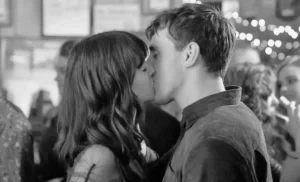
Modern costumes often rely on deep-cut references that act as a litmus test for social circles. References to cult-classic television shows, such as the Hulu series Pen15, demonstrate a move toward nostalgic, character-driven costuming. These outfits often require precise sourcing of specific period-accurate clothing—such as late-90s branded apparel—to achieve the necessary authenticity. Similarly, meticulous recreations of iconic film scenes, such as Kevin McCallister’s grocery shopping excursion in Home Alone, require not only period-appropriate clothing but also a commitment to "prop-heavy" execution, including the collection of authentic period-specific currency and items.
The "Pun" Aesthetic
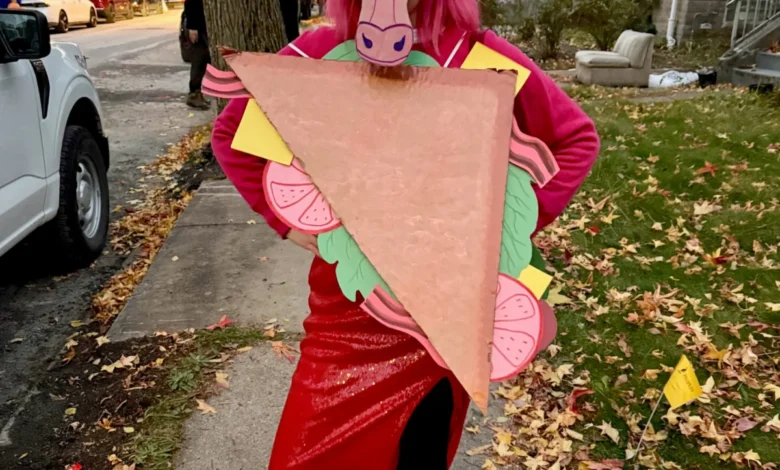
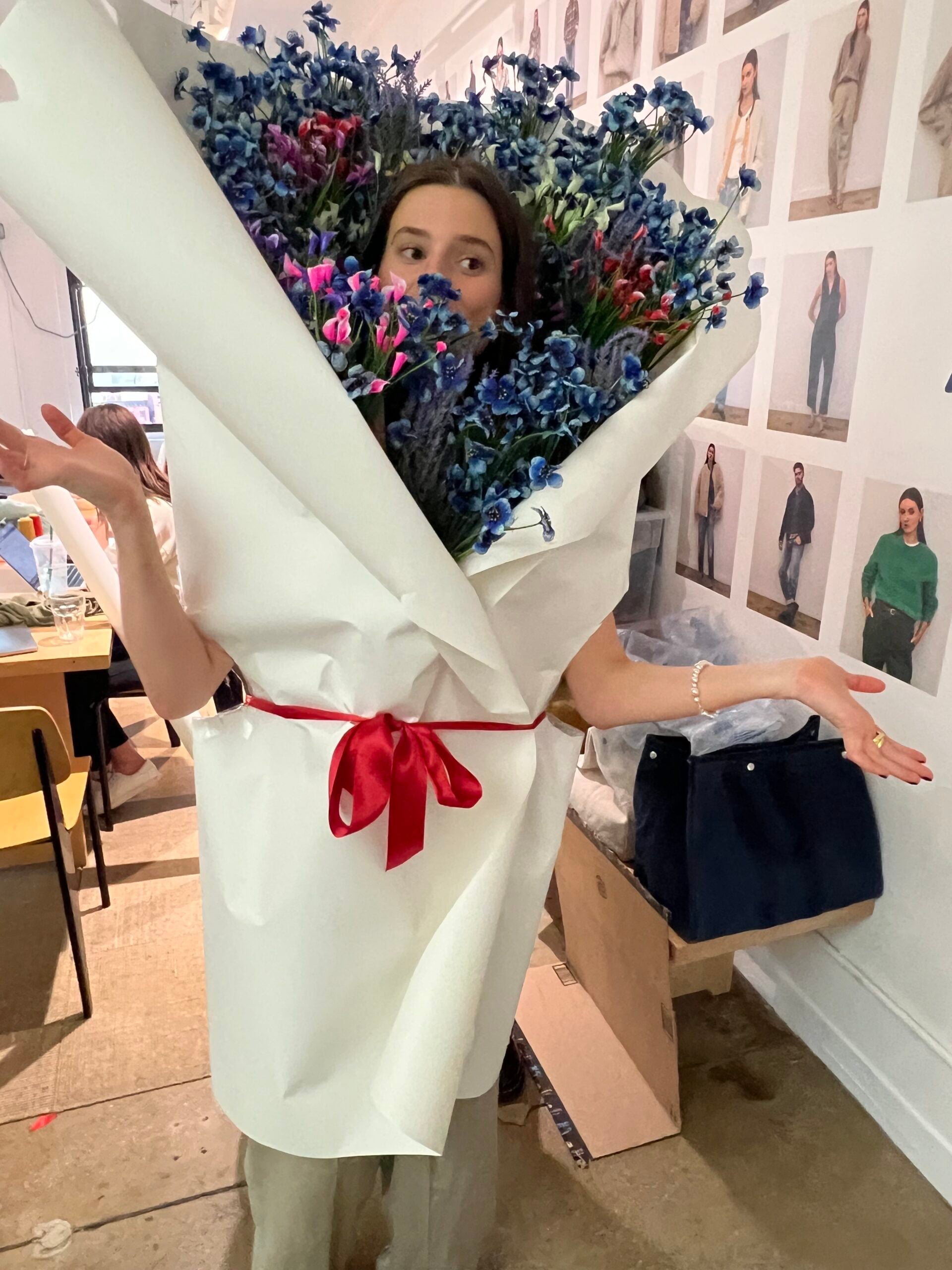
Puns remain a staple of the creative costume community. The "Pink Pony Club" costume serves as an example of a play on words that requires the wearer to balance abstract artistic intent with visual representation. These costumes often go unrecognized by the general public, a factor that creators cite as a deliberate choice rather than a failure of design. For these individuals, the internal satisfaction of the concept outweighs the need for mass recognition.
Technical Challenges and Structural Considerations
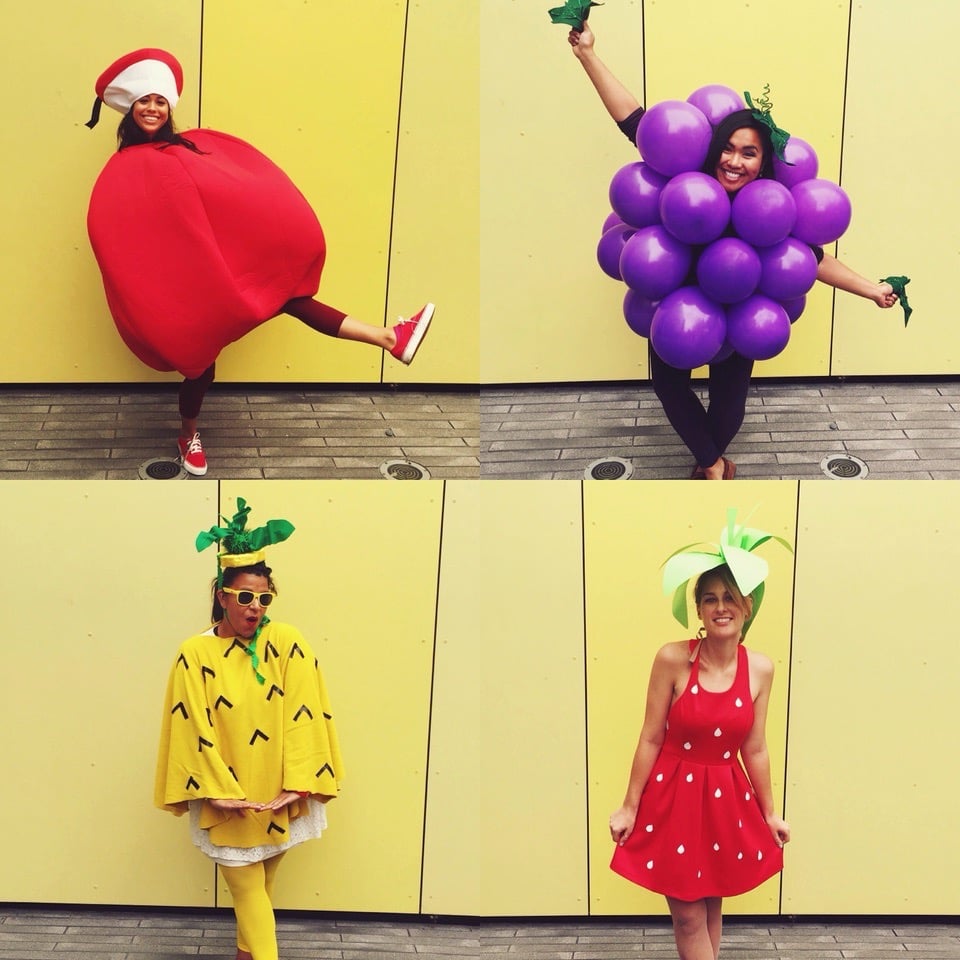
Designing a costume that is both aesthetically pleasing and functional remains a primary hurdle. A frequent issue identified by participants is the "ergonomic cost" of complex designs. For instance, costumes involving large quantities of balloons or rigid cardboard structures may inhibit mobility, social interaction, and basic tasks like sitting or eating.
Professionals in the costume design field emphasize that the most successful designs are those that balance visual impact with structural integrity. The use of lightweight, flexible materials—such as high-density foam, wire armatures, and specialized adhesives—has allowed DIY enthusiasts to achieve looks that previously would have required professional industrial fabrication.
Economic and Social Implications
The rise of the DIY costume movement has notable implications for the broader retail landscape. As more consumers opt for "upcycled" materials or source vintage clothing from thrift stores, there is a minor but discernible shift away from the "fast fashion" costume cycle. This trend aligns with broader consumer interest in sustainability and reduced environmental impact.
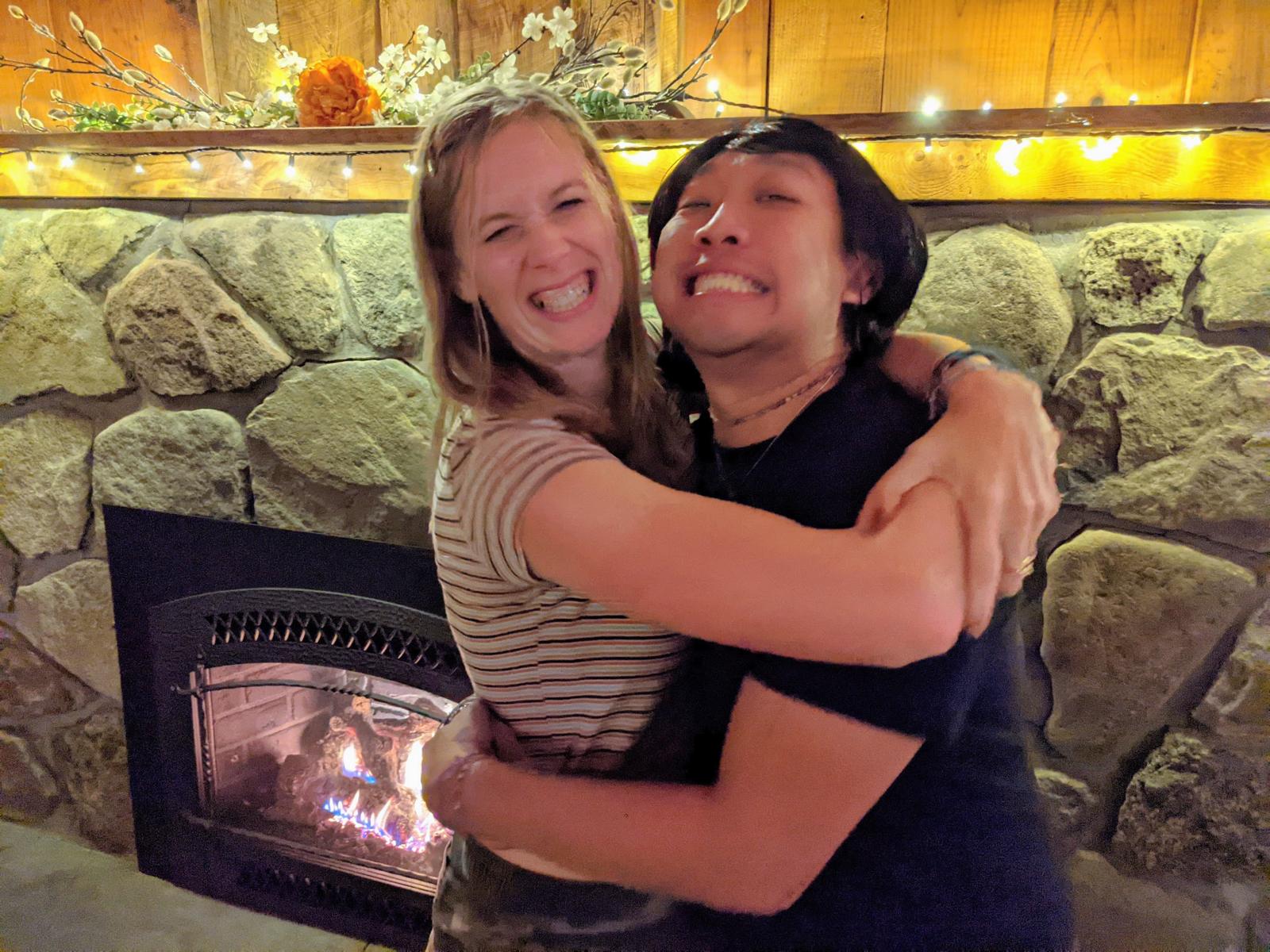
Furthermore, the social capital gained through these efforts is significant. Community costume contests, such as those held at neighborhood bars or offices, provide a platform for local creators to establish their status within a community. Winning these contests—which often offer prizes such as "free food for life" or local recognition—incentivizes continued innovation and higher-quality craftsmanship.
Expert Perspectives on Holiday Engagement
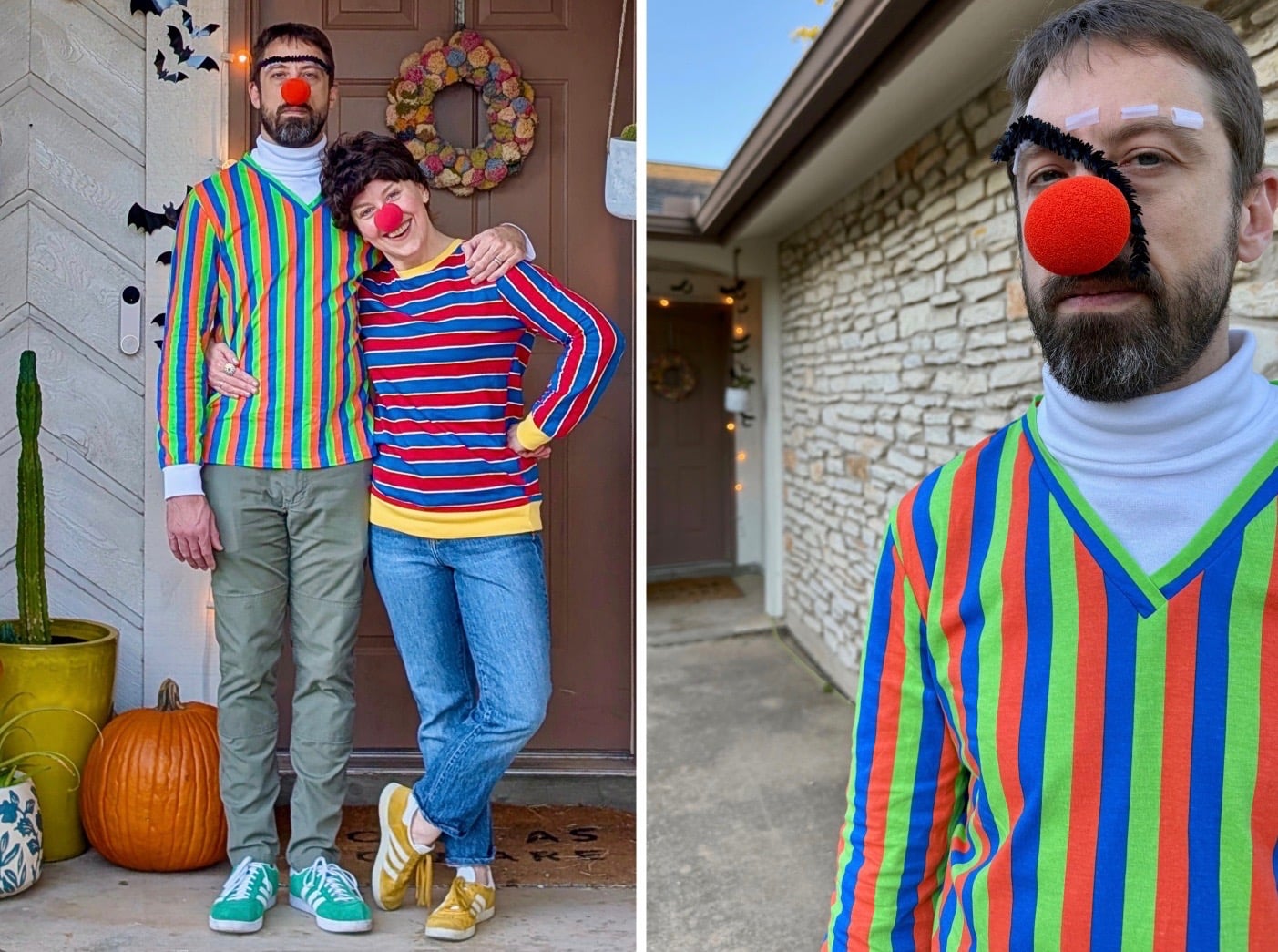
Psychologists suggest that the act of dressing up provides a unique psychological release. By adopting a persona, individuals can navigate social environments with a sense of anonymity or empowerment. This is particularly evident in group costumes, where the collective identity of the group—such as a "Fruit of the Loom" team or a "Bert and Ernie" duo—reinforces social bonds and encourages collaborative effort.
"The effort required to create a unique costume serves as a bonding agent," notes one behavioral analyst. "When a group spends weeks working on a shared vision, they are investing in a common narrative. The final product is merely the physical manifestation of that investment."
Looking Toward the Future
As we look toward future Halloween seasons, the trajectory of costume design appears to be moving toward even greater integration of technology and sustainability. While the "classic" costume will likely remain a fixture of the holiday, the emphasis on bespoke, labor-intensive, and conceptually dense designs is expected to grow.
Ultimately, the 2026 season has demonstrated that the most memorable costumes are rarely the most expensive ones. Instead, they are the ones that reflect a deep, personal connection to the subject matter, whether that is a favorite comfort food, a cherished piece of cinema, or a clever linguistic pun. By moving away from the "off-the-rack" mentality, participants are reclaiming the original spirit of the holiday—a celebration of creativity, transformation, and community engagement. As the cycle of preparation begins again for next year, the standard for "truly great" costumes continues to rise, driven by an audience that values authenticity over convenience.