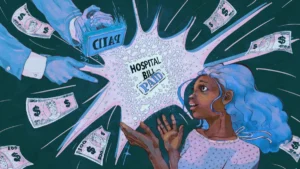
President Donald Trump Announces New Round of Financial Payments to Seniors Ahead of Midterm Elections

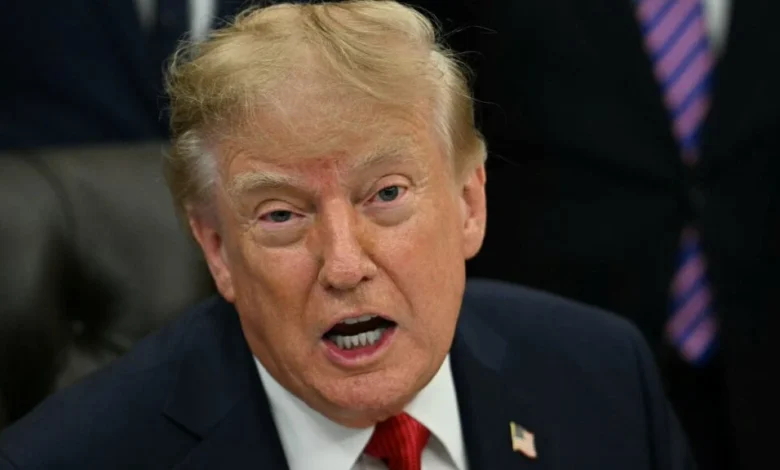
As the nation approaches the critical November 3 midterm elections, President Donald Trump has unveiled a new financial initiative aimed at a key demographic: seniors. In a late-night social media announcement, the President revealed that more than 20 million Medicare beneficiaries will receive a one-time $90 payment designed to assist with the cost of Part B premiums. This move represents the latest in a series of direct payment announcements from the administration, occurring in a political climate where the economy and the rising cost of living have become the central themes of the campaign cycle.
The announcement arrives as the administration faces persistent criticism regarding the rate of inflation and the affordability of essential goods. While the President maintains that the economy is performing at record levels, public polling data suggests that a significant portion of the electorate views the administration’s handling of fiscal policy with skepticism. With only 17% of Americans approving of his management of inflation, these targeted payments are being viewed by political analysts as a strategic attempt to bolster voter sentiment in the final stretch of the election season.
A Growing Pattern of Election-Year Financial Incentives
The $90 payments for seniors follow a broader pattern of "dividend" style promises and rebate programs that have characterized the President’s recent campaign rhetoric. Last month, the administration confirmed that approximately 1 million Americans would receive $500 rebate checks related to Affordable Care Act (ACA) premiums. During a campaign rally in Vandalia, Ohio, this past Saturday, the President highlighted this specific program, noting that 70,000 Ohioan families were slated to receive their rebates within days.
Furthermore, the President has made a high-stakes campaign promise to issue a $5,000 "dividend" payment to every American adult, contingent upon the Republican Party maintaining control of both the House and the Senate. This proposal, while popular among segments of his base, has drawn significant scrutiny from fiscal experts. A program of this magnitude would require legislative approval from Congress and, according to various budget projections, would cost the federal government in excess of $1 trillion. Economists warn that such an influx of cash, if financed through deficit spending, could exacerbate current inflationary pressures, potentially neutralizing the intended benefit for the average household.
The President’s rhetoric has increasingly leaned into the optics of these payments. Reflecting on a December announcement of $1,776 payments to military members, the President mused at his Ohio rally about the timing of such initiatives. "Maybe I should have waited a year," he remarked, suggesting a deliberate alignment between federal disbursements and the electoral calendar.
Mechanics and Eligibility of the Medicare Payment
The $90 payment is being drawn from the Medicare Improvement Fund (MIF), a legislative vehicle created by Congress in 2008. The fund was originally intended to provide the Department of Health and Human Services with the flexibility to improve program operations and manage payments to health care providers.
According to the White House, the payments are scheduled to be distributed throughout October. Beneficiaries will receive the funds via direct deposit or paper check, depending on their existing profile with the Social Security Administration or the Centers for Medicare and Medicaid Services (CMS).
However, the scope of the program is limited by several factors. To be eligible, seniors must reside within the United States. Furthermore, individuals who are already receiving premium assistance through Medicaid—often referred to as "dual-eligible" beneficiaries—are excluded from the payment. Those who pay income-adjusted premiums are also ineligible.
Perhaps most significantly, the program does not extend to the millions of seniors enrolled in Medicare Advantage plans. According to data from KFF, a nonpartisan health policy research organization, more than half of all eligible Medicare beneficiaries have opted into Medicare Advantage, a private-sector alternative to traditional Medicare. This means the actual reach of the $90 payment is narrower than the total population of Medicare enrollees, potentially leading to questions about the equity of the distribution.
Historical Context and Policy Precedent
The use of the Medicare Improvement Fund for direct payments to beneficiaries is unprecedented in terms of its specific application. While the fund has been tapped periodically by Congress to finance various healthcare priorities, it has traditionally been used to stabilize provider payment rates or fund specific research initiatives.
In 2010, the fund was notably utilized to provide $20.74 billion in support for the implementation of the Affordable Care Act. Larry Levitt, executive vice president for health policy at KFF, noted that the language governing the fund is broad, granting the executive branch substantial discretion in how the money is deployed. "The Medicare Improvement Fund language is quite broad and gives substantial discretion to the administration," Levitt observed.
Despite this discretion, the use of a fund intended for systemic improvements to provide direct cash rebates to individuals represents a departure from historical norms. Critics argue that while the funds are legally available, the timing of the distribution—just weeks before the midterms—raises ethical questions regarding the use of federal resources to influence election outcomes.
Economic Implications and Public Sentiment
The broader economic backdrop remains a source of tension. Throughout the campaign, the President has attempted to pivot the conversation away from the rising costs of gasoline and groceries, emphasizing instead the low unemployment rate and the strength of the stock market. However, consumer sentiment indices suggest that the "kitchen table" issues of inflation are the primary drivers of voter behavior this cycle.
The administration’s reliance on direct payments as a policy tool reflects an attempt to address the immediate liquidity concerns of the aging population, who are often on fixed incomes and are particularly vulnerable to price volatility. Yet, the cumulative effect of these payments—including the ACA rebates and the proposed $5,000 dividend—presents a complex fiscal picture.
Budget analysts point out that while these payments provide temporary relief, they do not address the structural causes of inflation, such as supply chain bottlenecks or the cost of energy production. There is also the risk of "election-cycle fatigue" among the public, where the announcement of successive payments may be perceived more as a campaign tactic than a sustainable economic strategy.
Future Outlook and Congressional Oversight
As the November 3 deadline approaches, all eyes will be on the distribution process. The logistics of issuing 20 million payments in a matter of weeks pose a significant administrative challenge for the agencies involved. Any technical delays or errors in distribution could create political fallout, potentially neutralizing the intended goodwill of the policy.
Furthermore, the promise of a $5,000 dividend remains the most contentious element of the President’s economic platform. Should the Republicans retain control of the House and Senate, the pressure to deliver on this promise will be immense. However, the legislative process will likely be fraught with difficulty. Even within the Republican caucus, there are fiscally conservative members who may express concern over the potential for increased national debt.
The interplay between executive action and congressional funding will remain a focal point of post-election analysis. Regardless of the outcome on November 3, the current strategy of utilizing federal funds for direct public disbursements has fundamentally altered the discourse around social safety nets and government fiscal intervention. For now, the administration continues to press forward with its strategy, aiming to solidify its base and sway undecided voters through a series of targeted financial actions, betting that the immediate benefit of these payments will outweigh long-term concerns regarding the national deficit and macroeconomic stability.