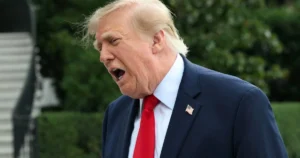
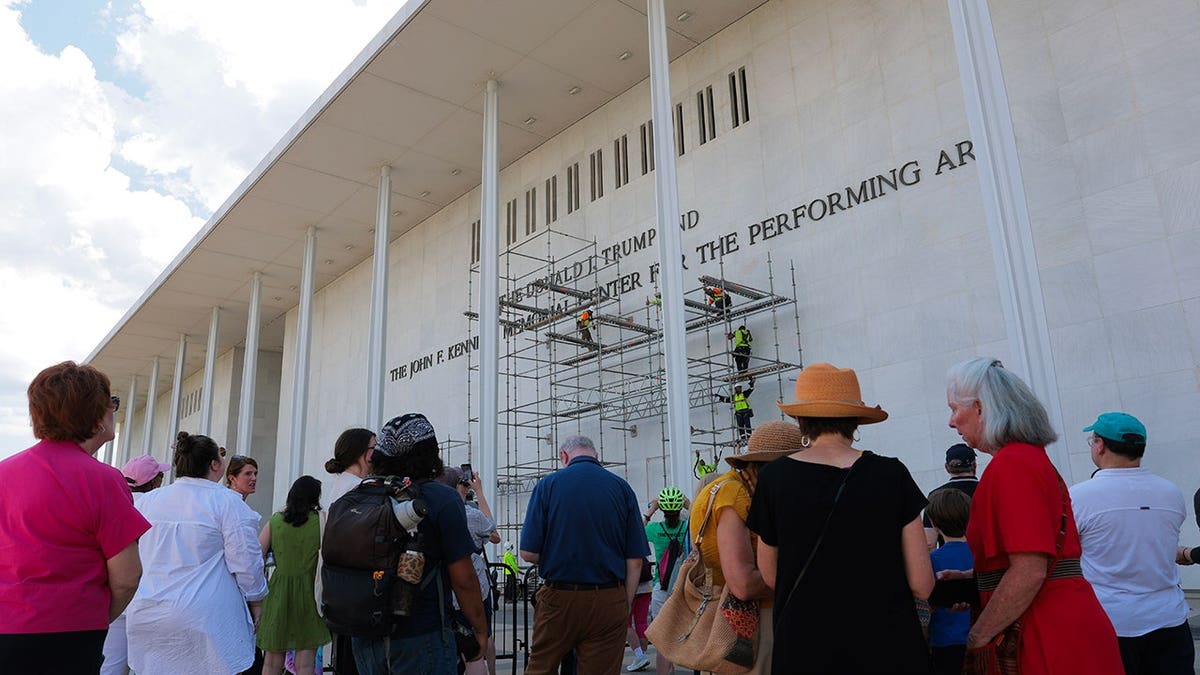
Construction crews in Washington, D.C., began the technical process of removing President Donald Trump’s name from the facade of the John F. Kennedy Memorial Center for the Performing Arts, a development that follows a decisive federal appeals court ruling. The judicial decision delivered a major legal setback to the administration’s ongoing initiatives to rebrand prominent federal properties. The appeals court denied a last-minute emergency request by the Kennedy Center’s board of directors to halt the dismantling of the signage, confirming an earlier lower-court determination that only Congress holds the explicit statutory authority to alter the official designations of federally chartered institutions.
The physical removal of the lettering brings a temporary, high-profile halt to a contentious chapter in the governance of the nation’s cultural landmark. It also intensifies a broader national debate over executive authority, federal property naming conventions, and the appropriate boundaries of commemorating living public officials.
Chronology of the Kennedy Center Naming Dispute
The controversy surrounding the executive rebranding of the Kennedy Center unfolded across a rapid succession of late-year administrative maneuvers and subsequent court battles:
- December 2025: Following a unanimous vote by a board of directors handpicked by the Trump administration, scaffolding was erected, and construction workers affixed signage to the exterior facade, changing the name to incorporate the sitting president alongside the slain former president.
- Early 2026: Legal challenges swiftly mounted from various civic preservation groups, former cultural administrators, and congressional members who argued that the board overstepped its legal mandate. Plaintiffs maintained that because the facility was established and funded through specific federal statutes, any change to its foundational nomenclature required congressional legislation rather than a simple board resolution.
- Spring 2026: A federal district court judge issued an injunction ordering the administration to halt the rebranding efforts and remove the disputed signage, ruling that the board’s actions bypassed the legislative branch entirely.
- June 2026: As the administration’s legal team pressed for emergency stays to preserve the updated signage, the federal appeals court definitively rejected the emergency motion. Within days, workers appeared on-site to dismantle the scaffolding and detach the letters, restoring the building’s original title.
Legislative Pushback and the "Live Politician" Rule Debate
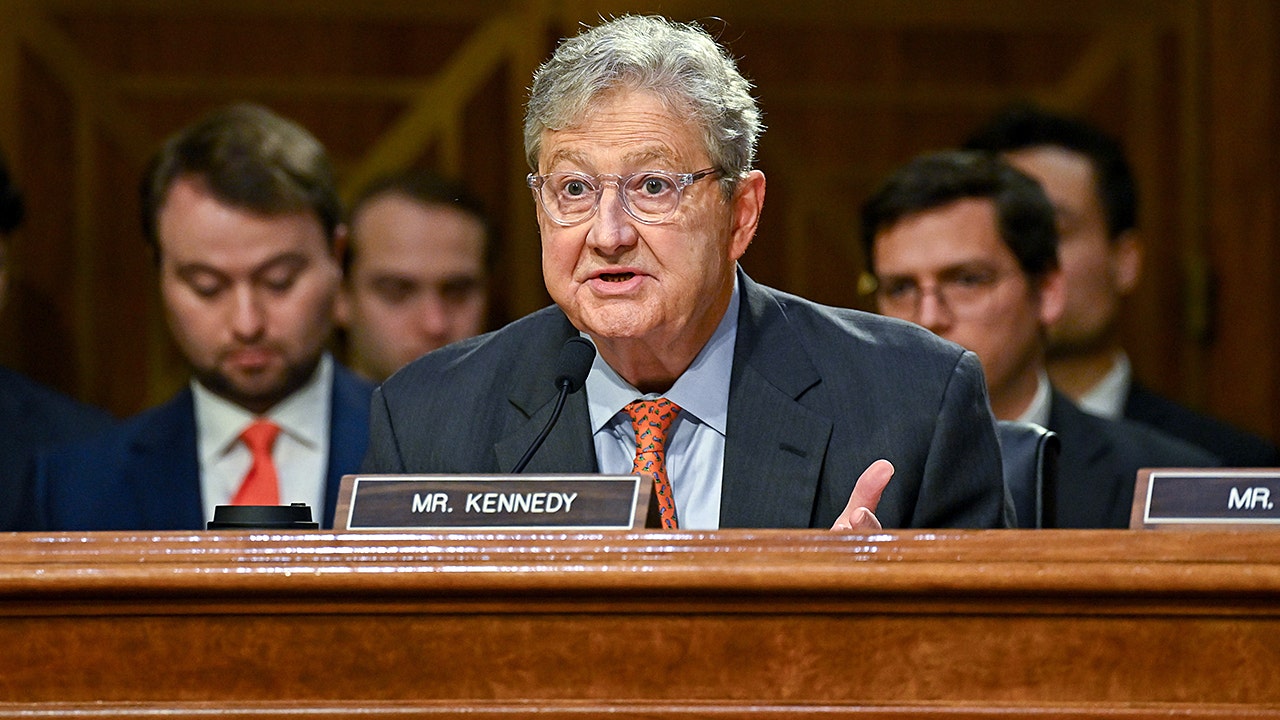
The legal battles in the capital have triggered legislative initiatives on Capitol Hill, where lawmakers are questioning the legality and ethical propriety of naming major public infrastructure after incumbent officials.
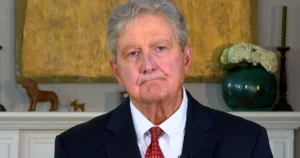
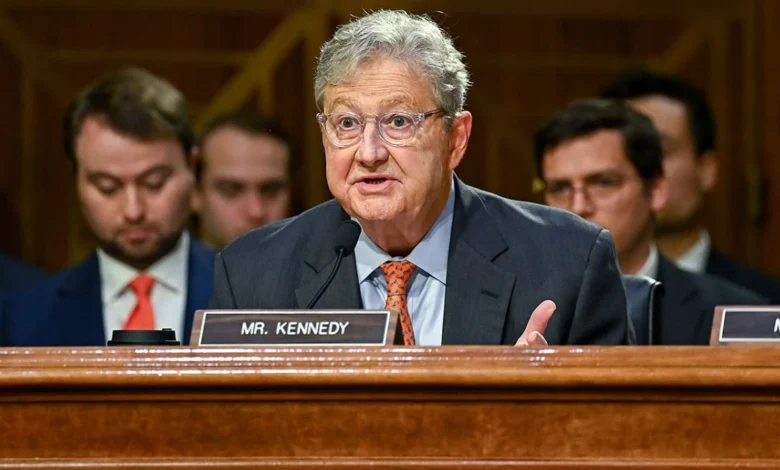
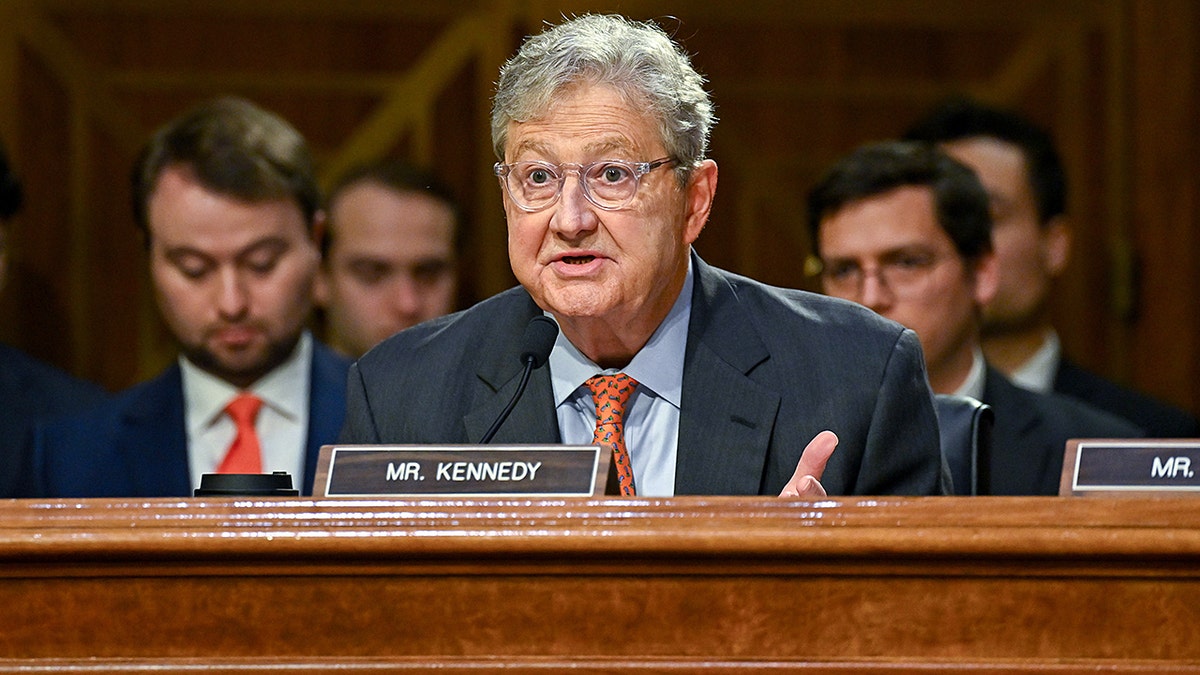
During an appearance on a national television broadcast, Senator John Kennedy, R-La., voiced sharp criticism regarding the administration’s broader push to rename federal assets. The senator announced his intention to introduce a formal legislative measure prohibiting the naming of federal buildings, monuments, and institutions after living public officials.
"Living public officials should not have buildings named after them," Senator Kennedy said during the interview, arguing against the expenditure of taxpayer money on projects that function as personal political promotion. "The White House sees it differently, but you can’t spend public money to promote yourself."
The Louisiana Republican utilized the moment to underscore broader concerns regarding transparency and the use of state resources. Commentators note that his proposal highlights a longstanding bipartisan discomfort with utilizing federal capital assets for contemporary political signaling, a practice that historically has been restricted or avoided out of respect for institutional neutrality.
A Pattern of Executive Rebranding Initiatives
The Kennedy Center dispute is not an isolated incident. Since returning to the White House, President Trump has actively sought to rename several other high-profile federal buildings and properties across the Washington, D.C., metropolitan area and nationwide, encountering resistance from both the judiciary and legacy stakeholders.
At the U.S. Institute of Peace, the State Department moved to update exterior signage to include the president’s name. However, that initiative faced immediate legal hurdles when former institute officials—who were dismissed by the current administration—filed emergency court motions to block construction crews from modifying the building’s exterior.
Furthermore, during negotiations over major infrastructure funding packages earlier in the year, the administration suggested tying financial allocations to the renaming of critical transit hubs, including New York’s historic Penn Station and Washington Dulles International Airport. While these proposals did not materialize into formal legislative language, they signaled a sustained executive interest in integrating presidential nomenclature into federal transit and civic infrastructure.
In another instance, the administration floated a capital improvement concept to construct an expansive pedestrian promenade extending from the rear of the Lincoln Memorial toward the Potomac River. While discussing the architectural design, administration officials indicated that supporters desired to name the planned walkway the "Trump Promenade." The president himself acknowledged the proposal publicly, maintaining a cautious stance while noting the aesthetic ambitions of the project.
Structural and Financial Pressures at the Kennedy Center
The controversy over the building’s moniker has unfolded concurrently with severe operational and structural challenges at the cultural center itself. Earlier in the year, portions of the facility’s interior ceiling suffered a partial structural collapse, prompting intense scrutiny over maintenance protocols, funding allocations, and physical safety.
In response to the deteriorating conditions, the Trump-led board advocated for an immediate, comprehensive two-year closure of the primary performance building to facilitate urgent safety repairs and financial restructuring. Critics of the board, however, alleged that the push for a prolonged shutdown was tied to the ongoing administrative overhaul and management battles, rather than purely infrastructural necessity. The convergence of physical decay, sudden board-level restructuring, and bitter legal fights over the building’s title has placed the institution under unprecedented public and congressional oversight.
Implications for Federal Governance and Executive Power
Legal scholars and constitutional analysts view the federal appeals court ruling as a significant check on unilateral executive action regarding federal property management. The judiciary’s insistence that federal renaming projects require explicit congressional authorization serves as a reminder of the separation of powers doctrine, particularly when executive agencies or appointed boards attempt to alter longstanding federal landmarks.
The unfolding events surrounding the Kennedy Center and other federal properties illustrate a growing tension between executive ambition and statutory limits. As Senator Kennedy and other lawmakers prepare to introduce guardrails preventing the naming of public assets after living politicians, the debate is expected to reverberate through future legislative sessions, potentially establishing permanent restrictions on how federal monuments, buildings, and cultural institutions are designated.
For now, the scaffolding outside the Kennedy Center has come down, the disputed lettering has been taken away, and the institution remains bound by its original legislative identity—underscoring the enduring power of statutory law in the face of executive rebranding efforts.