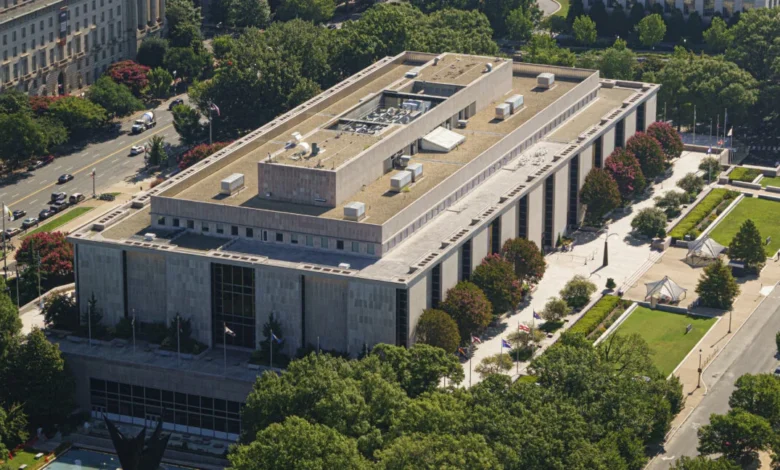
The Smithsonian Institution, the world’s largest museum, education, and research complex, finds itself at the center of a profound ideological battle that has fractured its traditional bipartisan support and cast a shadow over its mission to preserve the American narrative. For decades, the Smithsonian stood as a bastion of academic neutrality, drawing over 15 million visitors annually to its 21 museums. However, a recent and aggressive push by the Trump administration to reshape the institution—citing "ideological capture" and "extreme political activism"—has pushed the Smithsonian into a crisis of legitimacy, funding, and leadership that remains unresolved as the nation approaches the 250th anniversary of the Declaration of Independence.
The tension reached a breaking point in late 2026, culminating in the resignation of Smithsonian Secretary Lonnie Bunch and a series of contentious congressional hearings. The dispute reflects a fundamental disagreement over what role a taxpayer-funded institution should play in shaping national identity.
A Chronology of Institutional Friction
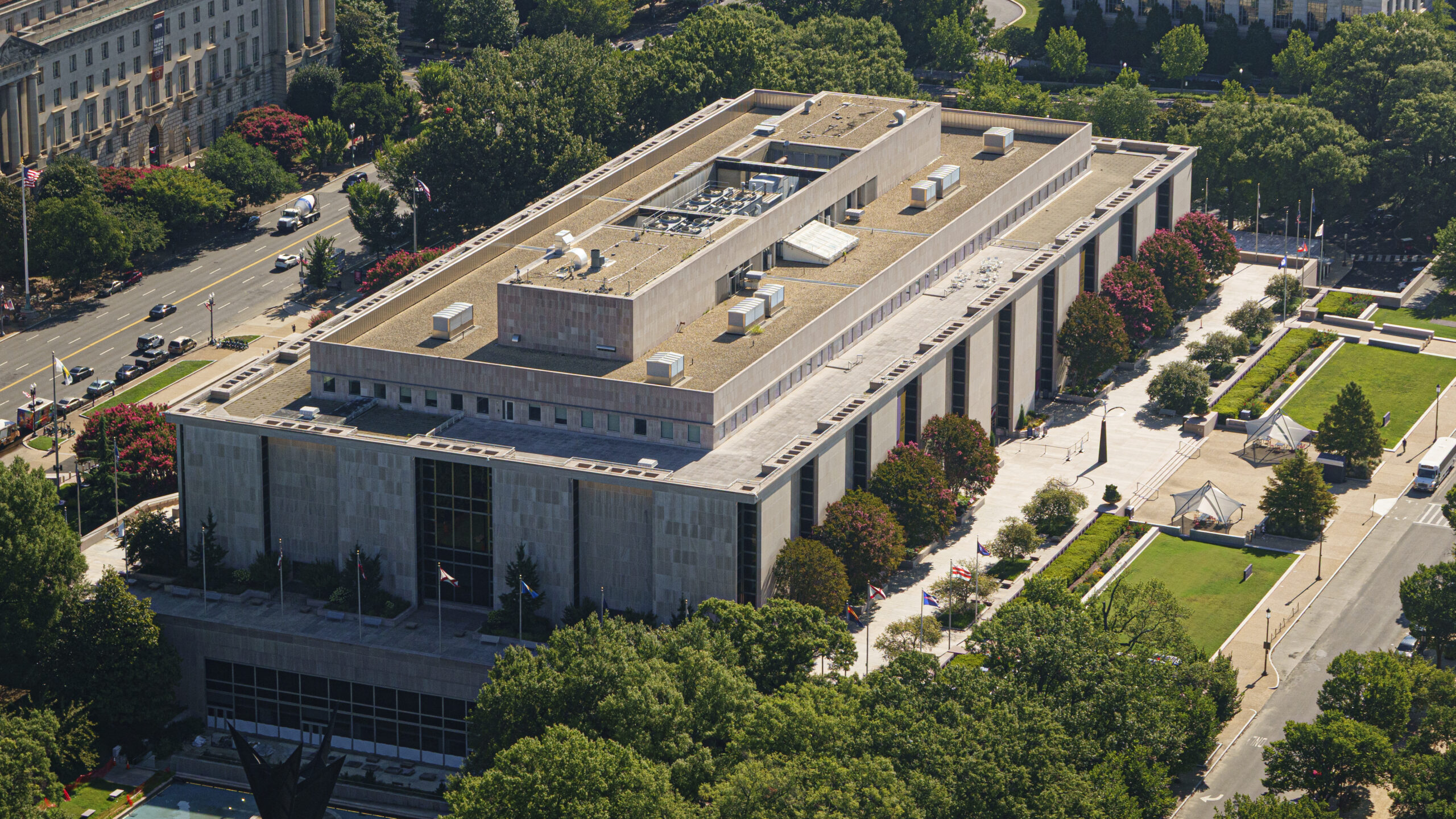
The roots of the current conflict precede the current administration, stemming from a multi-year internal struggle regarding how the National Museum of American History should present a unified national story. In 1999, critics like David Brooks argued that the museum had drifted into a "multicultural grievance" narrative, neglecting the central figures and defining moments of American history. A blue-ribbon commission in 2002 attempted to rectify these concerns by calling for a more coherent, chronological approach that balanced national achievements with historical failures.
However, the Smithsonian’s curators, influenced by shifts in museum science that favored episodic, thematic storytelling over "great-man" history, struggled to implement these changes. By 2020, the confluence of the COVID-19 pandemic and the national reckoning following the murder of George Floyd accelerated a pivot within the institution. Under Secretary Lonnie Bunch, the Smithsonian launched "Smithsonian Cares," a digital initiative focused on diversity, equity, access, and inclusion (DEAI).
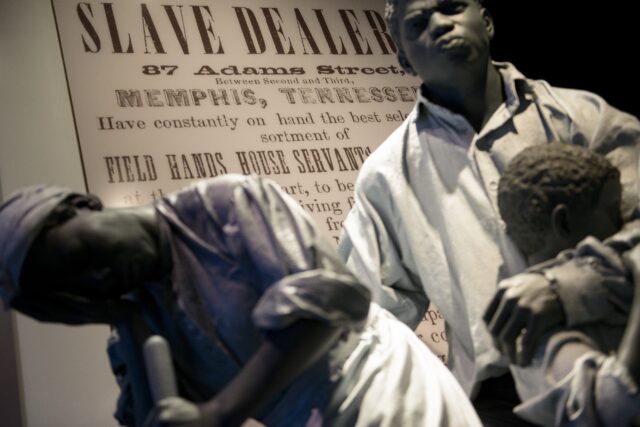
By 2025, the political climate had shifted significantly. In March, President Donald Trump signed an executive order accusing the Smithsonian of succumbing to "divisive, race-centered ideology." This was followed by a 162-page White House report in July 2026, which systematically cataloged exhibits deemed ideologically compromised. The report cited specific examples, such as the "Electric Dr. Franklin" exhibit, which suggested Benjamin Franklin may have used enslaved people in his scientific experiments, and the "Girlhood (It’s Complicated)" exhibit, which featured material regarding gender identity that drew sharp rebukes from conservative lawmakers.
The White House Report and Congressional Oversight
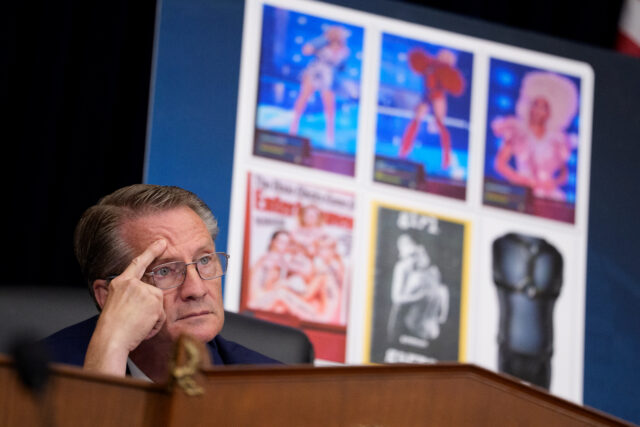
The White House report served as the catalyst for a series of high-stakes hearings in the House of Representatives. Republican lawmakers, led by members of the House Oversight and House Administration committees, grilled Smithsonian leadership on the presence of sexually explicit material—such as a crotch harness in an LGBTQ history display—and the use of training materials that linked "politeness" to "white supremacy culture."
Director of the National Museum of American History, Anthea Hartig, faced intense scrutiny during these sessions. While she maintained a conciliatory tone and emphasized her commitment to preserving American treasures, the political appetite for reform proved insurmountable. The bipartisan consensus that once insulated the Smithsonian from partisan volatility has effectively dissolved. Critics, including former board members, have argued that the museum’s staff, largely based in a politically homogeneous urban center, had become increasingly disconnected from the values of the broader American public.
The Economic and Structural Stakes
The Smithsonian’s independence is structurally precarious. While governed by a 17-member Board of Regents, the institution relies on the federal government for 62% of its funding, totaling over $1 billion annually. The threat of deep budget cuts, combined with the administration’s directive for the Department of the Interior to erect signs warning visitors of the museum’s "ideological capture," has created an atmosphere of extreme uncertainty.

The institution’s lack of a clear, codified charter for its narrative mission has left it vulnerable. Former board chair Ivan Selin has noted that there is no strategic framework dictating how the various Smithsonian museums—from the African American History Museum to the American Indian Museum—should exist in concert. Without this "unified theory," individual museums have been left to develop their own interpretive frameworks, often leading to an "incoherent" visitor experience that has seen attendance numbers fluctuate.
The Philosophical Divide: National Identity vs. Critical Inquiry
At the heart of the debate is a clash between two visions for American history. One side advocates for a "triumphalist" narrative that emphasizes the nation’s technological and political innovations, arguing that the Smithsonian’s primary duty is to inspire pride in the American experiment. The opposing side, represented by the institution’s recent curatorial direction, argues that a modern, responsible museum must confront the "grave sins" of the past—including slavery, colonization, and systemic inequality—to foster a more inclusive and honest national identity.
This ideological tug-of-war has been exacerbated by the perception that the museum is being used to propagate a specific political agenda. When the museum presents historical figures like Benjamin Franklin through the lens of their participation in slavery, some visitors feel the focus is being intentionally shifted away from their scientific contributions to satisfy a contemporary political agenda. Conversely, supporters of the museum’s recent direction argue that omitting these details would constitute a failure of historical scholarship and an erasure of the lived experiences of marginalized groups.
The Path Forward: A Question of Leadership
With the resignation of Lonnie Bunch, the Smithsonian is currently in a period of transition. The selection of a new secretary will be a definitive indicator of the institution’s future trajectory. The Board of Regents, which includes Chief Justice John Roberts and Vice President J.D. Vance, faces the task of filling several vacant citizen slots. These appointments will ultimately determine whether the Smithsonian pivots back toward a more traditional, consensus-based narrative or continues its path of critical historical inquiry.
The broader implications of this conflict extend beyond the National Mall. If the federal government successfully exerts control over the interpretive mission of a historically independent cultural institution, it sets a precedent for how history is curated in the public sphere. As David Blight, a Yale historian, noted during the hearings, the politicization of museums risks transforming them into instruments of state ideology—a scenario that scholars argue is detrimental to the pursuit of truth.
Conclusion
As the Smithsonian approaches its 250th anniversary, it faces an existential reckoning. The institution must determine how to balance its responsibility to serve the entire American public with its commitment to rigorous historical scholarship. The current impasse suggests that the days of the Smithsonian operating as an apolitical guardian of heritage are over. In a polarized climate, the museum has become a mirror of the nation’s internal divisions. Whether it can restore its status as a trusted, unifying source for all Americans, or whether it will remain a battleground for the ongoing culture war, remains one of the most significant challenges for Washington’s premier cultural institution in the modern era. The American people, as former director Kim Sajet suggested, will ultimately be the ones to decide what they want from their history: a celebration of a "net victory" for the world, or a complex, often uncomfortable examination of a country still struggling to live up to its own high standards.
Related posts: