A Super El Niño Event Is Projected to Cause Over 450,000 Excess Deaths by February 2027

As the global climate system grapples with an unprecedented meteorological phenomenon, scientific models have issued a sobering forecast: the current "super" El Niño event is expected to result in more than 450,000 additional deaths due to extreme heat between June 2026 and February 2027. This figure, calculated by researchers at the Climate Impact Lab, represents a significant surge in mortality that extends well beyond the baseline averages established over the past three decades. While El Niño is a naturally occurring climate pattern characterized by the warming of surface waters in the eastern Pacific Ocean, scientists emphasize that its current intensity is being amplified by the underlying trend of human-driven global heating.
The scale of this mortality projection is described by experts as "mind-blowing," with the event being categorized as a "Godzilla-level" occurrence. The impact is not limited to temperature-related illness alone; the secondary effects of this climate volatility—including prolonged droughts, catastrophic wildfires, and massive flooding—are expected to exacerbate the toll, threatening food security and regional stability across the globe.
A Chronology of Escalating Extremes
The current crisis did not emerge in a vacuum. It follows a series of record-breaking heat waves that have plagued various continents throughout the summer of 2026. In late August, European health authorities reported at least 35,000 excess deaths linked to back-to-back heat waves, a precursor to the broader global crisis now unfolding.
By mid-September 2026, the temperature anomalies associated with the current El Niño surpassed all previously recorded levels for the phenomenon. This shift occurred months ahead of the typical peak for such events, catching meteorological agencies off guard and accelerating the implementation of emergency climate modeling. According to researchers, the current heat levels are effectively providing a "postcard from the future," simulating conditions that were not projected to occur under standard climate models for another two decades.
The trajectory of the event is expected to remain severe through the winter months, with elevated mortality rates likely to persist until the summer of 2027. This timeline is critical, as it allows for a window of intervention where targeted policy measures could potentially mitigate the most severe outcomes.
Regional Vulnerabilities and Global Distribution
The geographic distribution of this mortality risk is widespread, though it hits tropical and developing nations with disproportionate severity. The Climate Impact Lab’s projections, which analyzed data across 24,378 distinct global regions, identified Nigeria, Indonesia, Sudan, India, and Brazil as the countries facing the highest risk.
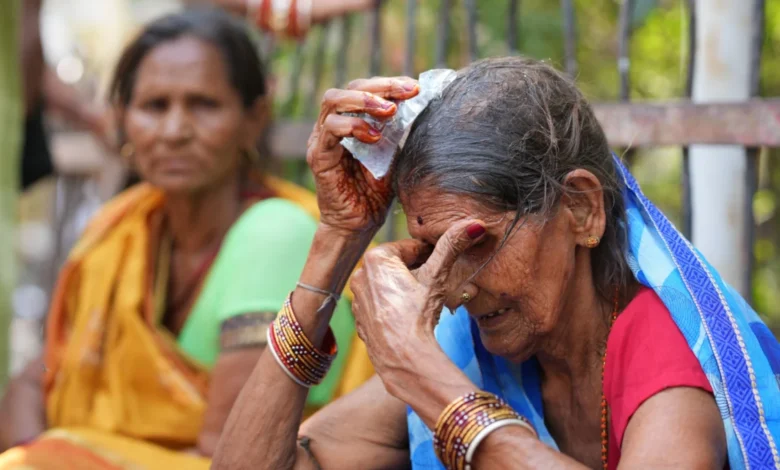
In India, the situation has become increasingly dire, with heat waves in states like Uttar Pradesh forcing residents to rely on improvised cooling methods as local infrastructure struggles to cope with the sustained thermal load. Meanwhile, the Sahel region in Africa is witnessing a convergence of heat-related mortality and agricultural failure, leading to concerns regarding long-term population displacement.
Even developed nations are not immune to these extreme shifts. The United States is currently ranked within the top 20 most affected nations, with an estimated 3,500 additional heat-related deaths projected by early 2027. These figures serve as a stark reminder that the climate crisis is not merely a regional challenge for the Global South, but a universal threat to public health infrastructure worldwide.
Scientific Methodology and Data Integrity
The researchers utilized peer-reviewed methodologies to correlate month-by-month temperature data with mortality rates, using a baseline period from 1996 to 2025. By overlaying these historical trends with current El Niño temperature forecasts, the team was able to isolate the "excess" deaths attributable specifically to this surge in heat.
Michael Greenstone, co-founder of the Climate Impact Lab and a professor at the University of Chicago, has been vocal about the necessity of releasing these findings despite the fact that the report is still undergoing the final stages of the formal peer-review process. "The estimate of 451,000 people is such a large number that it can be numbing," Greenstone stated. "But it is made up of parents and children, grandparents and neighbors… it would have been irresponsible to sit on it."
The report represents a departure from traditional climate reporting by focusing on the "human outcome" of climate change rather than abstract temperature averages. By quantifying deaths, the researchers hope to force a shift in how policymakers perceive climate risk, treating heat waves with the same urgency as natural disasters like earthquakes or hurricanes.
The Broader Economic and Humanitarian Implications
Beyond the immediate loss of life, the economic and humanitarian consequences of this El Niño are profound. The World Food Programme has issued multiple warnings since August 2026 regarding the impact of extreme weather on global crop yields. Current estimates suggest that roughly 50 million people could be pushed into acute hunger as a result of the disrupted agricultural cycles, which are being hampered by both drought and unseasonal precipitation.
History provides a grim precedent for such events. The El Niño of 1877–1878 resulted in more than 50 million deaths, largely due to the resulting famine and drought in India, China, and Brazil. While modern technological advancements, better logistics, and global aid networks provide a buffer that was unavailable in the 19th century, the sheer speed and intensity of the current warming raise questions about the efficacy of these modern safety nets.
Friederike Otto, a professor at Imperial College London, highlighted the dangerous synergy between natural cycles and human-caused warming. "The current event is a huge redistribution of energy in the climate system," Otto noted. "El Niño comes and goes, but as long as we continue to burn fossil fuels, it occurs on an increasingly hotter baseline, making it much more difficult for communities to deal with the consequences."
Policy Recommendations and the Path Forward
The report concludes with a call for immediate, actionable intervention. Tamma Carleton, a co-author of the study from the University of California, Berkeley, emphasized that while some deaths are inevitable, many can be prevented through systematic adaptation.
Key recommendations include:
- Enhanced Early Warning Systems: Improving the accuracy and reach of heat forecasts to allow local governments to prepare before temperatures peak.
- Expansion of Cooling Infrastructure: The establishment of accessible, climate-controlled cooling centers for vulnerable populations, including the elderly and those without consistent access to electricity.
- Medical Preparedness: Increasing staffing and resource allocation for healthcare facilities during periods of extreme heat to manage the surge in heat-related illnesses such as heatstroke and cardiovascular failure.
- Labor Protections: Implementing mandatory work breaks and safety standards for outdoor workers, who are among the most at-risk demographics during these events.
However, researchers also acknowledge that these are "stop-gap" measures. As the planet warms, the "new normal" will eventually render current emergency response strategies insufficient. The core of the issue remains the transition away from fossil fuel dependency. The researchers argue that by using these projections, governments can begin to mobilize the necessary resources to design urban spaces and energy grids capable of withstanding the temperature realities of the coming decades.
As the world heads toward the 2027 mark, the focus remains on whether international cooperation can bridge the gap between scientific warning and political implementation. The current projections are not merely statistical artifacts; they are a direct challenge to current global policy, suggesting that without significant structural change, the frequency of such catastrophic events will only increase, turning what was once a rare phenomenon into an annual struggle for survival.