Trump Administration Halts Over $1 Billion in Medicaid Payments to Minnesota and California Amidst Fraud Allegations

The Trump administration announced on Tuesday a significant deferral of more than $1 billion in Medicaid payments to Minnesota and California, citing "suspected fraud and noncompliance." This action represents the latest escalation in a series of punitive measures taken by the administration, which have been linked to broader allegations of fraudulent activity predominantly within Democratic-led states. Health Secretary Robert F. Kennedy Jr. characterized these latest moves, which follow previously announced funding deferrals in the same states, as a proactive strategy to "stop the fraud before it happens." This approach marks a departure from the practice of previous administrations, which typically focused on recouping misused funds after perpetrators were identified and prosecuted.
"We have a duty to stop the payments, demand answers and then follow the evidence wherever it leads," Secretary Kennedy stated at a press conference. This aggressive stance is positioned as a key component of the administration’s comprehensive campaign to demonstrate a robust crackdown on fraud and to emphasize taxpayer savings, particularly as rising healthcare costs and economic pressures have made affordability a central concern for voters in the lead-up to the November midterm elections. In March, Vice President JD Vance initiated a new anti-fraud task force at the behest of President Donald Trump. This interdepartmental initiative aims to leverage data analytics and advanced technology to pinpoint and investigate suspected instances of federal fund misappropriation.
However, state officials have voiced strong objections regarding the transparency and justification of these federal actions. John Connolly, the interim commissioner and state Medicaid director for Minnesota’s Department of Human Services, asserted that the federal government has failed to provide "data or explanation on how the deferral amount was calculated or what it was based on" to Minnesota. Connolly criticized the administration’s approach, stating, "Today’s actions show that the federal government is acting again in unprecedented and punitive ways as part of their war on Medicaid and its recipients." He emphasized the need for collaboration, adding, "Partnership – not politics – is required to stop criminals and protect services for the people who need them."
Political leaders in the affected states have also weighed in with sharp criticism. Minnesota’s Democratic Governor Tim Walz suggested that the Republican administration’s decision to withhold funds was politically motivated, potentially to offset the costs of tax cuts for affluent Americans. Similarly, California’s Democratic Governor Gavin Newsom accused the administration of targeting his state for political reasons. These accusations are underscored by a history of heightened federal scrutiny in these states. Earlier this year, the Trump administration intensified its anti-immigration enforcement in Minnesota, deploying a significant contingent of Immigration and Customs Enforcement officers, which led to weeks of counter-protests and tragically, the deaths of two civilians. President Trump has also been vocal in his criticism of California, frequently characterizing it as a poorly managed state.
States Grapple with Federal Actions and Funding Uncertainty
The administration’s strategy, while aiming to combat fraud, has encountered obstacles and created significant challenges for states. In April, the Centers for Medicare & Medicaid Services (CMS) admitted to The Associated Press that it had made a substantial error in the data used to justify a fraud probe in New York. More recently, California’s Medicaid director informed a congressional committee that CMS had not provided "any instances of fraud, waste or abuse" to the state as part of the justification for a $1.3 billion Medicaid funding deferral announced in May.
Minnesota, meanwhile, has been actively implementing a comprehensive corrective action plan designed to address concerns raised by CMS, which had already led to the deferral of approximately $260 million in federal funds and threats of future reductions. "We have cooperated in good faith and proactively engaged the Centers for Medicare and Medicaid Services to first raise the alarm on fraud in Minnesota’s Medicaid program, to effectively investigate fraud and to institute further safeguards against future misuse of funds," Connolly stated, highlighting the state’s efforts to collaborate.
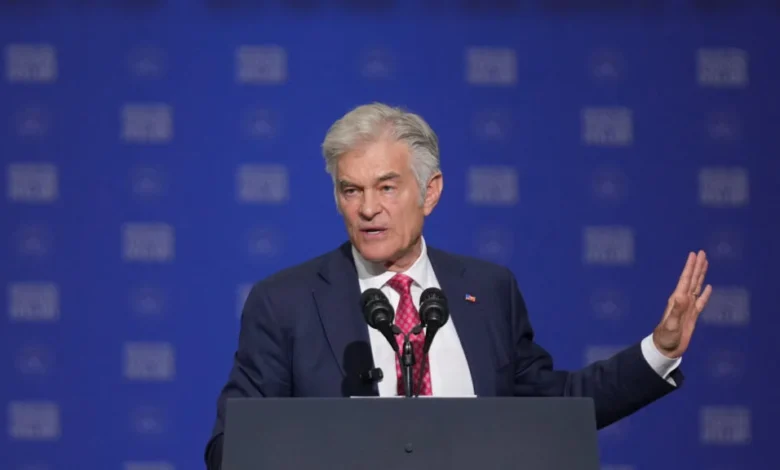
The latest deferrals, totaling $867.5 million for California and $199 million for Minnesota, were not explicitly defined by Secretary Kennedy as being in addition to or overlapping with earlier deferrals announced this year. CMS Administrator Dr. Mehmet Oz, while not presenting specific examples of fraud in the two states, did point to certain patterns that the agency found questionable. These included providers allegedly billing for four or more patients simultaneously or submitting claims after a Medicaid beneficiary’s death. Dr. Oz also cited the rapid growth of California’s home care program as a cause for concern. California officials have contested this assertion, explaining that the expansion of their home care services is a deliberate strategy to keep individuals out of more costly nursing home facilities.
Pathways to Restoring Funding Through Documentation and Accountability
Both Secretary Kennedy and Administrator Oz indicated that the flow of federal funding could be reinstated if the states provide documentation to substantiate the legitimacy of the payments in question. A representative for California’s Medicaid program did not immediately respond to a request for comment. State officials in California have previously acknowledged their cooperation with the federal government in providing the requested information.
Administrator Oz noted that Minnesota had already submitted documents to the federal government, which are currently undergoing "reevaluation very carefully." Secretary Kennedy also indicated that the authority to exclude providers from participating in Medicaid, Medicare, and other federal health programs would be extended to CMS. Previously, this power was exclusively held by his department’s Office of the Inspector General. HHS Inspector General Thomas March Bell remarked at the press conference, "This is going to be a full force multiplier. It’s going to create additional momentum, and it’s going to exclude additional bad actors."
Background and Context of Medicaid Oversight
Medicaid, a joint federal and state program, provides health coverage to millions of Americans, including low-income individuals, families, children, and seniors. The program’s vast scale and complex funding mechanisms make it a target for potential fraud and abuse. Federal oversight aims to ensure that taxpayer dollars are used efficiently and appropriately to deliver necessary healthcare services. Historically, the federal government has relied on a reactive approach to fraud detection, often initiating investigations and recoupment efforts after identifying suspicious patterns or receiving whistleblower complaints.
The Trump administration’s stated intent to shift towards a more proactive stance—"stopping fraud before it happens"—reflects a desire to enhance deterrence and minimize financial losses to the government. The establishment of the anti-fraud task force and the increased emphasis on data analytics are indicative of this new strategy. However, critics argue that the administration’s approach has been characterized by a lack of transparency and a tendency to employ punitive measures without sufficient evidence, potentially impacting vulnerable populations reliant on Medicaid services.
Previous Instances and Data Points
The concerns raised by the administration are not isolated incidents. Across the nation, states have faced scrutiny regarding their Medicaid programs. For instance, in fiscal year 2023, the Office of Inspector General (OIG) reported recovering over $2.4 billion in settlements and judgments from individuals and entities involved in healthcare fraud and misconduct. This figure underscores the pervasive nature of fraud within the healthcare system.
The specific figures cited for the deferrals in Minnesota and California are substantial:
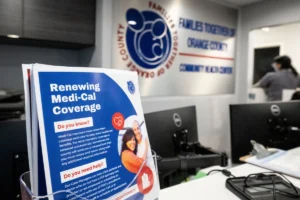
- California: $867.5 million deferred. California’s Medicaid program, Medi-Cal, is the largest in the nation, serving over 15 million individuals. The state’s home-based care services have seen significant growth, a factor the administration has flagged as potentially indicative of overbilling or improper service provision.
- Minnesota: $199 million deferred. Minnesota’s Medical Assistance program serves a significant portion of the state’s population, with a focus on providing comprehensive care.
The justification for these deferrals often hinges on identifying anomalies in billing practices, such as providers billing for an excessive number of services, billing for deceased beneficiaries, or inconsistencies in service delivery dates. The administration’s reliance on identifying such patterns, without always providing specific provider-level evidence to the states initially, has been a point of contention.
Analysis of Implications
The deferral of substantial Medicaid payments has immediate and far-reaching implications. For the states involved, it can create budgetary strains, potentially leading to cuts in services, reduced provider reimbursement rates, or increased administrative burdens as they work to contest the federal government’s decisions. For Medicaid beneficiaries, the uncertainty surrounding funding could lead to anxieties about the continuity of their healthcare services.
The administration’s strategy also raises questions about the balance between robust fraud enforcement and the potential for overreach. Critics argue that broad deferrals based on systemic patterns, rather than specific egregious cases, could inadvertently penalize legitimate providers and disrupt care for beneficiaries. The political dimension is also undeniable, with accusations of partisan motivation highlighting the sensitive nature of healthcare funding and its role in electoral politics. The success of this proactive approach will ultimately depend on the administration’s ability to provide clear, verifiable evidence of fraud and to engage in a transparent, collaborative process with state governments to address issues and protect the integrity of the Medicaid program without undermining its essential mission. The ongoing legal and administrative challenges, as well as the political discourse surrounding these actions, will likely continue to shape the future of Medicaid oversight and enforcement in the United States.