The Global Challenge of Microplastic Detection and the Scientific Quest for Accuracy in Human Health Studies

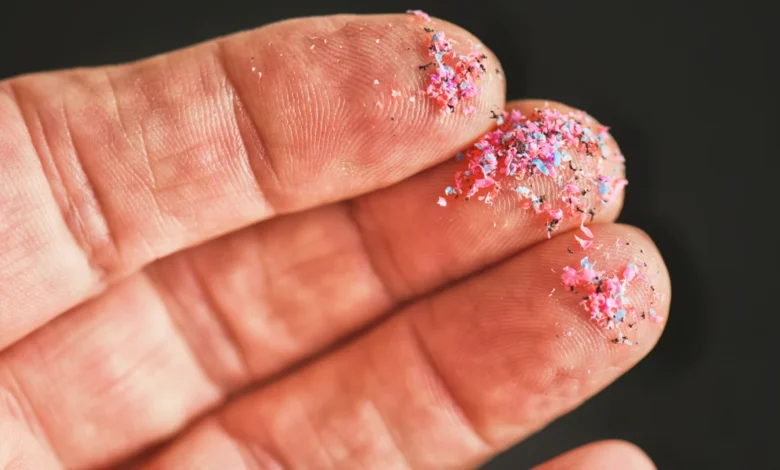
The scientific community is currently navigating a pivotal shift in its understanding of how microplastics—defined as plastic particles smaller than five millimeters—interact with the human body. For more than a decade, researchers have meticulously documented the infiltration of these synthetic polymers into the most remote corners of the globe, from the depths of the Mariana Trench to the pristine snow of the Pyrenees. However, as the focus shifts from environmental monitoring to human pathology, a new set of challenges has emerged regarding the accuracy of detection and the true scale of human exposure. Recent breakthroughs, led by researchers such as Cassandra Rauert at the University of Queensland, suggest that while the presence of plastic in the human body is undeniable, previous estimates of its concentration may have been inflated by methodological flaws and pervasive environmental contamination within laboratory settings.
The Evolution of Microplastic Research: A Chronological Overview
To understand the current state of microplastic science, it is essential to trace the chronology of how these particles became a global priority. While the mass production of plastics began in the mid-20th century, the scientific recognition of microplastics as a distinct environmental threat is relatively recent.
In the 1970s, marine biologists first reported the presence of "plastic spherules" in the North Atlantic, but these findings remained largely peripheral to mainstream environmental science for decades. It was not until 2004 that Professor Richard Thompson of the University of Plymouth coined the term "microplastics" in a landmark paper describing the accumulation of microscopic plastic fragments in marine sediments. This sparked a global wave of research focused on ocean health.
By the mid-2010s, the focus expanded from the oceans to terrestrial environments and the atmosphere. Scientists discovered microplastics in honey, salt, sugar, and bottled water. The narrative shifted toward human health in 2018, when researchers at the Medical University of Vienna and the Environment Agency Austria reported finding microplastics in human stool samples for the first time. This was followed in 2022 by a high-profile study in the Netherlands that detected plastic polymers in human blood. These milestones created a sense of urgency, leading to the current era of research where the primary goal is to determine the physiological consequences of internal plastic exposure.
The Challenge of Analytical Precision and the Lipid Complication
As the field of human microplastic research matures, scientists are identifying significant hurdles in the analytical techniques used to quantify exposure. Cassandra Rauert, an environmental chemist at the University of Queensland, has been at the forefront of identifying these technical discrepancies. Her research highlights a critical vulnerability in the way laboratories analyze human blood for plastic content.
One of the most significant findings in Rauert’s recent work involves the chemical similarity between lipids (fats) in the human body and polyethylene, the world’s most commonly produced plastic. Polyethylene is used in everything from grocery bags to shampoo bottles. During analysis, many laboratories use mass spectrometry or infrared spectroscopy to identify polymers. Rauert’s team discovered that the molecular building blocks of human lipids can produce a signal nearly identical to that of polyethylene, leading to frequent "false positives."
In a comprehensive review of 18 previous studies on microplastics in human blood, Rauert found that this lipid interference was a common, unaddressed variable. This revelation suggests that some of the most alarming reports regarding the concentration of plastic in human veins may be overestimations. The implication for the scientific community is clear: analytical protocols must be refined to distinguish between biological molecules and synthetic pollutants before definitive conclusions about human "plastic loads" can be drawn.
Rebuilding the Laboratory: Combatting Ubiquitous Contamination
The difficulty of studying microplastics is exacerbated by the fact that the very tools used to study them are often made of plastic. In a standard chemistry laboratory, plastic pipettes, Petri dishes, and storage containers are ubiquitous because they are sterile and cost-effective. However, these items constantly shed microscopic fibers and particles into the air and into samples.
To address this, the University of Queensland undertook a radical overhaul of its research facilities. Recognizing that even the paint on walls or the silicon sealant in windows could compromise a sample, Rauert worked with architects to design a "clean room" built almost entirely of stainless steel and glass. This facility utilizes positive pressure—a system where air is pushed out of the room when a door opens, preventing external dust and fibers from entering.
The effort required to achieve this level of purity is immense. Researchers must test every construction material, from flooring to adhesives, for the presence of phthalates and other plastic additives. In Rauert’s specialized lab, background levels of plastic contamination are roughly 100 times lower than in a standard laboratory. This level of rigor is now seen as the "gold standard" for researchers who wish to ensure that the plastic they find in a human lung or blood sample actually came from the patient, rather than the laboratory air.
Supporting Data: Debunking the "Credit Card" Narrative
For several years, one of the most cited statistics in environmental advocacy has been the claim that the average person consumes approximately five grams of plastic every week—the equivalent weight of a credit card. This figure originated from a 2019 report commissioned by the World Wide Fund for Nature (WWF).
However, more recent and refined data have largely debunked this "credit card" metric. While humans are undoubtedly ingesting and inhaling plastic, the mass is significantly lower than five grams per week. Modern studies focused on "shedding" from food containers and water bottles indicate that while millions of individual particles may be released, their total mass is negligible.
Data from the University of Queensland and other institutions suggest that the focus should shift from the mass of plastic to the particle count and size. The most dangerous particles are likely nanoplastics—particles smaller than one micrometer. These are small enough to cross biological barriers, such as the gut lining or the blood-brain barrier. Current data suggests that while we are not eating a "credit card" every week, we are being exposed to a constant "dusting" of particles that the body may not be equipped to process.
Sources of Exposure: From Cutting Boards to Synthetic Textiles
Enriching the understanding of human exposure requires identifying the primary pathways through which microplastics enter the body. Research indicates that the home environment is often a more significant source of exposure than the outdoor environment.
- Kitchenware: Plastic cutting boards are a major source of ingestion. As knives slice through the plastic surface, they create micro-shards that are incorporated into food. Similarly, heating food in plastic containers—even those labeled "microwave safe"—accelerates the leaching of both microplastics and chemical additives.
- Synthetic Textiles: Clothing made from polyester, nylon, and acrylic sheds millions of fibers during wear and laundering. Tumble dryers are particularly significant emitters, venting synthetic lint into the household air, which is then inhaled by occupants.
- Tire Wear: One of the most overlooked sources of environmental microplastics is tire wear particles. Composed of synthetic rubber and various polymers, these particles are ground into the road and become airborne, eventually settling in house dust or on residential balconies.
Official Responses and the Regulatory Landscape
The growing body of evidence regarding microplastic contamination has prompted responses from international health and regulatory bodies. The World Health Organization (WHO) released a report in 2019 calling for a "thorough assessment" of microplastics in the environment and their potential impacts on human health, though it noted that current evidence did not yet justify a move toward a ban based on human health risks alone.
In the United States, the Environmental Protection Agency (EPA) has begun incorporating microplastic monitoring into its water quality assessments, while the European Union has taken more aggressive steps. The EU’s "Restriction on Intentionally Added Microplastics," adopted in 2023, aims to prevent the release of approximately half a million tonnes of microplastics into the environment by banning their use in products like cosmetics, detergents, and artificial sports surfaces.
However, the corporate response remains cautious. Industry groups often point to the lack of definitive toxicological evidence as a reason to delay stringent regulations. They argue that until the "dose-response" relationship—the level at which plastic becomes toxic to humans—is established, sweeping bans are premature.
Analysis of Implications: Particles vs. Additives
A critical distinction in current research is the difference between the physical threat of the plastic particle and the chemical threat of its additives. Plastics are rarely pure polymers; they are "cocktails" of chemicals, including:
- Phthalates: Used to make plastics flexible, these are known endocrine disruptors linked to fertility issues.
- Bisphenols (BPA/BPS): Used in hard plastics and can linings, these have been linked to metabolic disorders and Type 2 diabetes.
While the human body may excrete many larger plastic particles through the digestive tract, the chemicals attached to those particles can "leach" into the bloodstream. This "Trojan Horse" effect means that even if the plastic particle itself is inert, it serves as a delivery vehicle for toxic substances. The long-term implication is that even if microplastic concentrations are lower than previously thought, the cumulative chemical exposure remains a significant public health concern.
Future Outlook and Scientific Priorities
The next decade of microplastic research will likely be defined by a shift from "detection" to "toxicology." Now that scientists know microplastics are in our bodies, the priority is determining what they do once they are there. This requires standardized testing methods—moving away from the use of perfect "lab-grade" polystyrene spheres and toward the "irregular fragments" and "fibers" that humans actually encounter in the real world.
As researchers like Cassandra Rauert continue to refine their methods, the goal is to provide policymakers with the high-quality data needed to craft effective regulations. Whether through the development of a Global Plastics Treaty or localized bans on specific high-shedding materials, the path forward involves a precautionary approach. Even in the absence of a "smoking gun" regarding immediate human mortality, the sheer ubiquity and persistence of microplastics suggest that reducing production and exposure is the only viable long-term strategy for safeguarding global health.