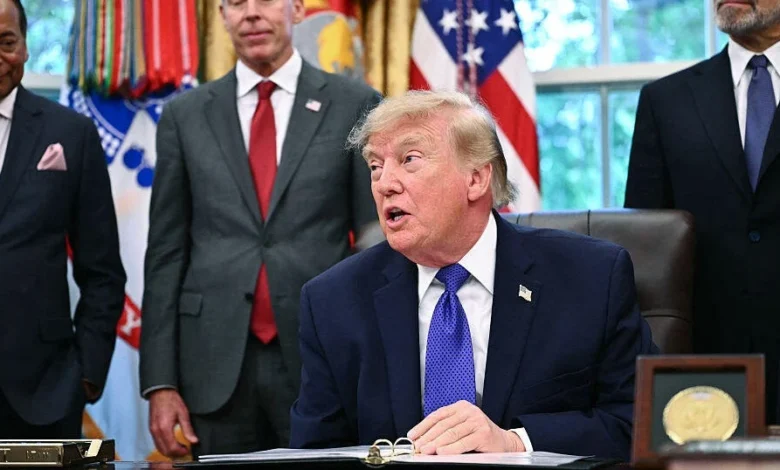
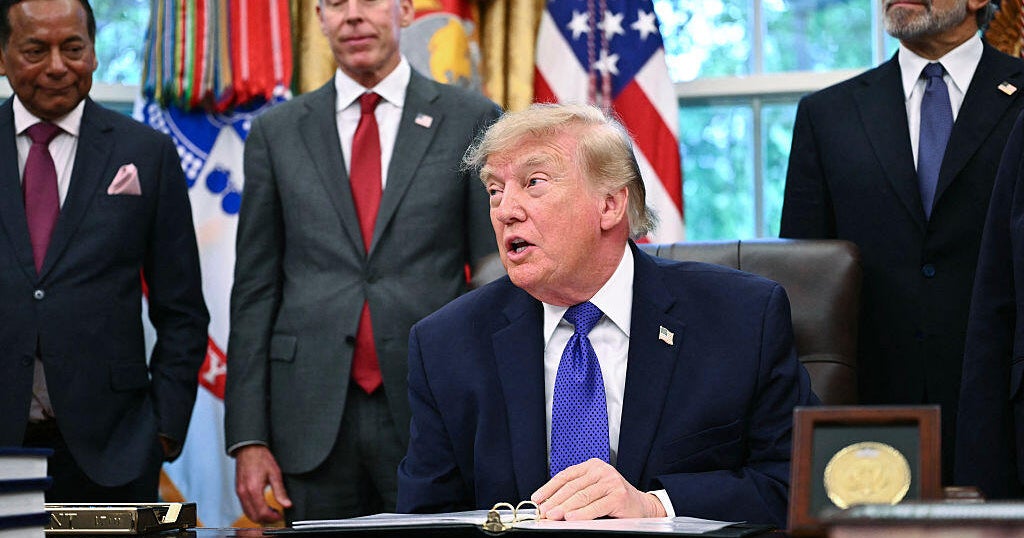
The announcement, delivered from the Oval Office on Monday, September 28, 2026, positions the proposed facility as a cornerstone of the administration’s broader trade and manufacturing agenda. According to White House officials, the plant is slated to reach full operational capacity by 2030, with an annual production target exceeding 7.5 million tons of steel. The project is expected to create 1,750 permanent high-skilled jobs in the region, a development the administration suggests will bolster domestic supply chains and enhance national security through localized defense-grade steel production.
A New Industrial Era for the Midwest
While the specific site within Iowa remains under wraps, Energy Secretary Chris Wright indicated that the facility would be situated in the southeastern region of the state. This project represents a historic shift in domestic manufacturing, as industry analysts note that the U.S. has not seen the construction of a “mega-scale” steel plant of this magnitude since the 1960s.
The announcement comes during a politically sensitive window, as Iowa Republicans prepare for highly competitive midterm contests. The administration’s focus on the “Hawkeye State” underscores the project’s dual role as both an economic engine and a potential catalyst for electoral momentum. During the briefing, President Trump praised Iowa’s role in his political coalition, dismissing polling data that suggests tight races for the state’s gubernatorial and Senate seats.
Historical Context and Corporate Background
The involvement of Mesabi Metallics, a subsidiary of the India-based Essar Group, brings a complex corporate history into the spotlight. The company’s trajectory in the American industrial sector has been marked by significant volatility.
In 2008, Essar Steel Minnesota launched an ambitious project to establish a massive iron mine and processing hub in the Iron Range. However, the project was plagued by a series of financial setbacks and missed operational deadlines, eventually culminating in a bankruptcy filing in 2016. The ensuing years saw friction between the company and the Minnesota Department of Natural Resources, which at one point sought to debar the organization from state business due to the lack of progress on promised economic development.
Though the entity eventually emerged from bankruptcy under new ownership and was later reclaimed by the Essar Group, the skepticism surrounding the company’s ability to execute such a large-scale project remains a point of interest for economic analysts. The administration’s decision to move forward with the partnership suggests a high level of confidence that the current iteration of the company—bolstered by renewed financing—can deliver on its production promises.
Financial Structure and Government Involvement
Commerce Secretary Howard Lutnick clarified that the federal government is not providing direct subsidies for the construction of the Iowa steel plant. However, he confirmed that the government-run Export-Import Bank (EXIM) has played a pivotal role in the project’s viability.
On September 24, 2026, the EXIM board approved a $770 million direct loan specifically tied to Mesabi Metallics’ iron ore operations in Minnesota. This facility is critical to the Iowa plant’s success, as it will serve as the primary supplier of the raw materials required for steel production. While the $770 million figure is substantial, it represents a fraction of the $10 billion in potential support that had been under discussion by the board earlier in the year.
The Broader Trade Landscape
The push for this new plant is consistent with the Trump administration’s long-standing protectionist trade policy. Over the past year, the White House has moved aggressively to limit reliance on foreign steel, doubling import tariffs to 50% and navigating complex disputes with trading partners such as Canada.
Additionally, the recent federal approval of the acquisition of U.S. Steel by Japan-based Nippon Steel—which includes provisions for significant domestic investment—serves as a backdrop to this latest announcement. By fostering the development of a brand-new, massive facility in Iowa, the administration aims to demonstrate a commitment to “re-industrializing” the American heartland, effectively insulating the defense and construction sectors from the fluctuations of international steel markets.
Political Implications and State-Level Support
The timing of the project announcement has drawn scrutiny regarding the upcoming November midterms. With Iowa’s legislative session potentially reconvening to discuss tax incentives for the project, the political stakes are high. The Des Moines Register has reported that state lawmakers are being prepared to consider specialized tax breaks to attract the project to Lee County or surrounding areas, a move that could provide a significant fiscal boost to the region but might also trigger debates over corporate welfare.
Republican candidates, including those vying for the Senate seat vacated by Joni Ernst, have largely welcomed the announcement. Senator Ernst herself issued a statement expressing enthusiasm for the project. However, Democrats have raised questions about why the facility is being built in Iowa—which lacks an existing iron ore infrastructure—rather than expanding upon the existing operations in Minnesota.
Analysts suggest that the choice of Iowa reflects a strategic effort to consolidate Republican support in a state that has become increasingly competitive. As the political rhetoric intensifies, the project will likely face rigorous scrutiny regarding its environmental impact, labor practices, and the long-term feasibility of the $15 billion investment.
Economic Analysis: Impact and Outlook
From an macroeconomic perspective, the development of a mega-plant has the potential to alter the regional labor market in southeastern Iowa. Beyond the 1,750 direct permanent jobs, economists often point to a "multiplier effect," where the establishment of a massive industrial base supports thousands of additional indirect jobs in logistics, construction, services, and local infrastructure.
However, the steel industry is notoriously sensitive to global demand cycles. If the global market experiences a surplus of steel production, or if the transition toward "green steel" (using hydrogen or electric arc furnaces) accelerates faster than the plant’s technology can adapt, the facility could face long-term profitability challenges.
The administration maintains that the plant is designed to be future-proof, emphasizing that its production will be essential for U.S. defense projects and large-scale domestic infrastructure. As the timeline toward the 2030 operational date begins, the progress of the Mesabi Metallics plant will serve as a bellwether for the efficacy of the current administration’s industrial policy.
For the residents of Iowa, the promise of $15 billion in investment represents the largest industrial project in state history. Whether this initiative translates into a sustained economic renaissance or becomes another chapter in a long history of industrial boom-and-bust cycles remains the central question facing the project as it moves from the drawing board to the groundbreaking phase.