A Comprehensive Guide to Traditional German Cuisine Exploring the Regional Diversity and Historical Evolution of the Nations Iconic Dishes

German gastronomy is frequently characterized by its hearty, rich, and comforting nature, yet such a description only scratches the surface of a culinary landscape defined by deep agricultural roots and centuries of cultural exchange. Far from being a monolithic diet of sausage and beer, the cuisine of the Federal Republic of Germany is a sophisticated tapestry woven from local sourcing, high-quality ingredients, and the significant influence of immigrant communities. From the maritime traditions of the North Sea to the alpine flavors of the south, German food reflects the country’s complex history, including its division during the Cold War and its post-war economic transformation. Today, Germany stands as a nation of vibrant food markets, historic beer gardens, prestigious wine festivals, and a growing number of high-end restaurants that honor traditional recipes while embracing modern techniques.
The Historical and Cultural Evolution of German Gastronomy
To understand German food is to understand the history of the European continent. The nation’s culinary identity has been shaped by its geography—the fertile plains of the north, the Rhine and Mosel river valleys, and the dense forests of the south. However, external influences have been equally transformative. In the 18th and 19th centuries, the expansion of the railway system allowed for the transport of fresh and preserved goods, such as the pickled herring of the coast, to the interior.
The 20th century brought even more dramatic shifts. The division of Germany into East (GDR) and West (FRG) led to linguistic and culinary divergence, as seen in the renaming of dishes to avoid political associations. Later, the "Wirtschaftswunder" or economic miracle of the 1950s and 60s brought millions of "Gastarbeiter" (guest workers) from Italy, Greece, and Turkey. These immigrants did not just provide labor; they introduced flavors that are now considered quintessentially German, such as the Döner Kebab, which has arguably become the nation’s favorite street food.
Culinary Diplomacy and the Politics of the Plate
Food in Germany has often served a purpose beyond sustenance, acting as a tool for political messaging and regional pride. Perhaps no dish illustrates this better than Saumagen, or "sow’s stomach." While the name may seem unappealing to the uninitiated, the dish—a mixture of pork, potatoes, and spices encased in a pig’s stomach—attained international fame through former Chancellor Helmut Kohl. A native of the Palatinate region, Kohl utilized Saumagen as a form of culinary diplomacy, serving it to world leaders including Margaret Thatcher, Mikhail Gorbachev, Ronald Reagan, and Bill Clinton.
Similarly, the Königsberger Klopse—veal meatballs in a caper-cream sauce—became a point of contention in the former East Germany. Named after the East Prussian capital of Königsberg, the dish was renamed "Kochklopse" (boiled meatballs) by GDR officials to obscure its connection to a city that had been annexed by the Soviet Union. Today, the dish has reclaimed its original name and remains a staple in Berlin and Brandenburg, representing a bridge between Germany’s past and present.

Regional Specialties: From Swabian Ravioli to Northern Porridge
The regional diversity of Germany is most evident in its various interpretations of dumplings and stews. In the southwestern state of Baden-Württemberg, Maultaschen reign supreme. These large, square pockets of dough, often filled with minced meat, spinach, and onions, are frequently compared to Italian ravioli. Their cultural significance was formally recognized in 2009 when the European Union granted Maultaschen "Protected Geographical Indication" (PGI) status, marking them as essential to the cultural heritage of Swabia.
In contrast, the northern regions of Bremen, Kiel, and Hamburg offer Labskaus, a dish that embodies the seafaring traditions of the Baltic and North Seas. Originally a way to utilize preserved ship provisions in the 18th century, this "delectable mess" of salted beef, potatoes, and pickled beetroot mashed together is traditionally served with fried eggs, gherkins, and rollmops (pickled herring). While modern refrigeration has changed shipboard diets, Labskaus remains a beloved local specialty and a legendary cure for hangovers.
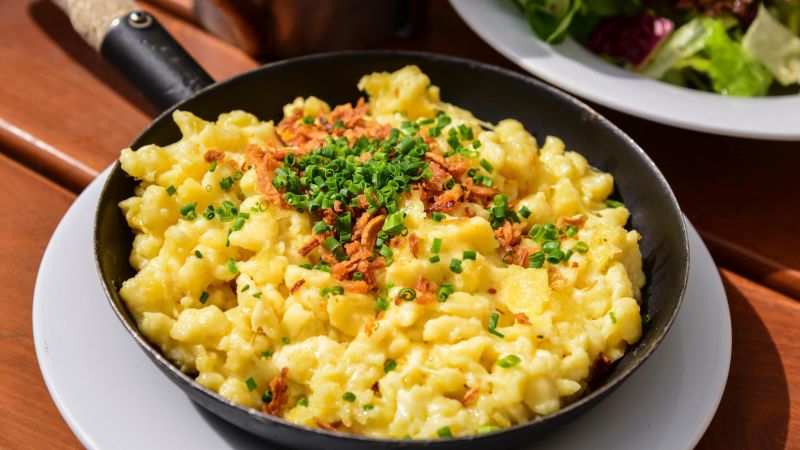
The southern regions of Bavaria and Swabia are also home to Spätzle, a simple egg noodle that serves as the foundation for Käsepätzle. This dish, layered with grated granular cheese and topped with fried onions, is a cornerstone of beer garden culture. The process of layering and baking ensures the cheese melts into a rich, cohesive meal that provides the necessary substance for the region’s famous liter-sized lagers.

The Street Food Revolution: Currywurst and Döner Kebab
While traditional sit-down meals remain important, Germany’s street food culture is a global phenomenon. The Currywurst, a sliced grilled sausage drowned in a sauce of ketchup and curry powder, is a testament to post-war ingenuity. Invented in 1949 by Herta Heuwer in Berlin, the dish was born when she obtained ketchup and curry powder from British soldiers. Today, it is estimated that Germans consume approximately 800 million Currywursts annually, with Berlin and the Ruhr region serving as the epicenters of this culinary obsession.
Equally significant is the Döner Kebab. Introduced by Turkish immigrants like Kadir Nurman in the early 1970s, the dish originally consisted of simple meat and onions in a flatbread. Over decades, it evolved to include a variety of salads, vegetables, and sauces, reflecting the integration and adaptation of Turkish culture within Germany. Today, Döner stands are more numerous in Berlin than in many Turkish cities, symbolizing the multicultural reality of modern Germany.
The "White Gold" and Seasonal Gastronomy
German cuisine is also deeply seasonal, with few events rivaling "Spargelzeit"—the white asparagus season. From mid-April until June 24 (St. John the Baptist Day), the nation is gripped by a fervor for white asparagus, often referred to as "white gold." During this window, the average German consumer participates in a national feast that sees over 70,000 tons of the vegetable consumed.

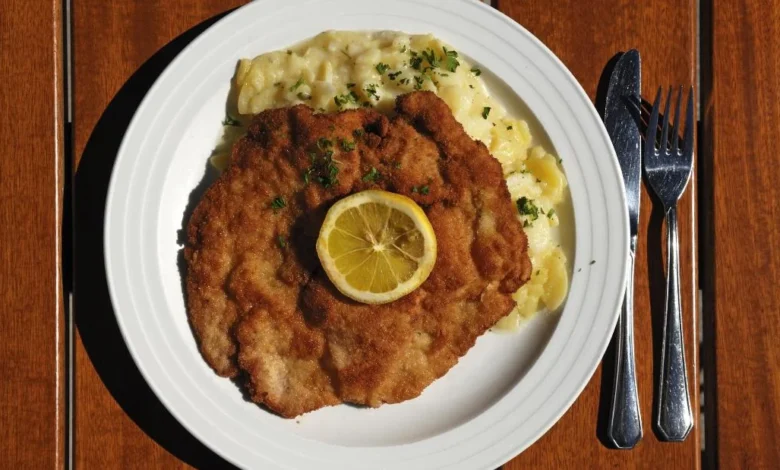
Asparagus is typically steamed and served with hollandaise sauce or melted butter, often accompanied by ham or Schnitzel. The cultivation of asparagus in Germany dates back at least to 1686 in Stuttgart, and today, "Spargel" festivals and dedicated tourist routes celebrate the harvest. The end of the season is met with a genuine sense of national mourning, as restaurants remove the specialty menus until the following spring.
In the autumn, the focus shifts to the wine regions of the Mosel and Rhine. This is the time for "Federweisser und Zwiebelkuchen"—a partially fermented young white wine paired with a savory onion tart. Because Federweisser ferments so rapidly, it cannot be transported in airtight bottles and must be consumed locally, making it a true seasonal and regional treasure.
The German Konditorei: A Legacy of Sweets
No exploration of German food is complete without the "Kaffee und Kuchen" (coffee and cake) tradition. The Schwarzwälder Kirschtorte, or Black Forest Gateau, is perhaps the most famous export of the German bakery. Contrary to popular belief, it is named not after the mountain range, but after "Schwarzwälder Kirschwasser," the cherry schnapps that gives the cake its distinctive kick.

Furthermore, German cheesecake (Käsekuchen) offers a distinct departure from its American counterpart. Utilizing "Quark"—a low-fat, curd-like dairy product—instead of cream cheese, the result is a fluffier, lighter cake that emphasizes the purity of its ingredients.
Innovation in the dessert sector continued into the late 20th century with the invention of Spaghettieis in 1969. Created by Dario Fontanella, the son of an Italian immigrant, the dish uses a potato ricer to turn vanilla ice cream into "noodles," topped with strawberry "tomato sauce" and white chocolate "parmesan." Though Fontanella never patented the idea, his contribution was recognized by the city of Mannheim with a medal of honor in 2014.
Conclusion: The Broader Impact of German Culinary Identity
The evolution of German cuisine reflects a nation that is both deeply traditional and remarkably adaptable. The integration of immigrant flavors, the protection of regional specialties, and the obsessive celebration of seasonal harvests all point to a culture that views food as a vital component of identity. As Germany continues to grow as a destination for international tourism, its culinary offerings serve as a primary draw, proving that the nation’s kitchen is as diverse and complex as its history. From the coastal Rollmops to the Bavarian Schweinshaxe, the food of Germany remains a testament to the power of high-quality, locally sourced ingredients and the enduring appeal of comfort eating.