Global Momentum Builds for Social Media Bans on Minors as Nations Prioritize Youth Mental Health and Safety

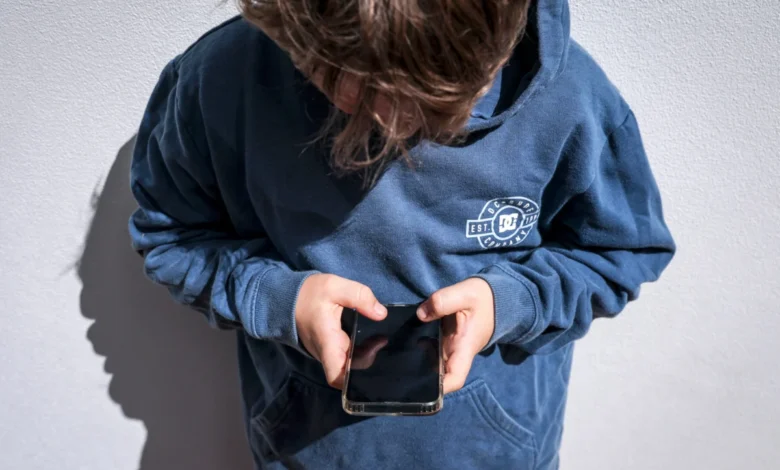
Over the past several months, a growing number of countries have signaled a decisive shift in their approach to digital youth protection, announcing and, in some cases, implementing plans to restrict social media access for children and teenagers. This global movement, spearheaded by Australia’s landmark legislation in late 2025, reflects escalating governmental concern over the pervasive pressures and inherent risks young users face online. As nations grapple with rising rates of cyberbullying, addiction, mental health issues, and exposure to harmful content and predators, a consensus is emerging that stronger regulatory measures are urgently needed. However, this protective impulse is not without its critics, who raise significant concerns about privacy, the efficacy of age verification technologies, and the potential for excessive government intervention into digital freedoms.
The Catalyst: Escalating Concerns Over Youth Well-being in the Digital Age
The impetus behind this global regulatory wave stems from a confluence of factors, primarily centered on the alarming deterioration of youth mental health. Numerous studies and public health warnings have highlighted a correlation between extensive social media use and increased rates of anxiety, depression, body image issues, and sleep disturbances among adolescents. The U.S. Surgeon General, for instance, issued an advisory in 2023 emphasizing the profound risks social media poses to young people’s mental health, citing its potential to exacerbate feelings of inadequacy, foster social comparison, and expose users to harmful content.
Social media platforms are often designed with addictive algorithms that prioritize engagement, leading to compulsive usage patterns among young, developing brains. Constant notifications, endless scrolling feeds, and the pursuit of likes and validation can create a dopamine loop that is difficult for minors to disengage from. Beyond addiction, the digital landscape presents significant dangers such as cyberbullying, where online harassment can have severe psychological impacts, and exposure to age-inappropriate content, from violent imagery to sexual exploitation, and even direct interaction with online predators. These multifaceted threats have prompted governments worldwide to reassess the balance between digital access and the paramount need to safeguard the well-being of their youngest citizens.
A Global Regulatory Wave: Chronology and Key Implementations
The trajectory of social media regulation for minors gained significant momentum in late 2025, setting a precedent that many nations are now closely observing and emulating.
Australia: The Pioneer in Comprehensive Bans
Australia emerged as the world’s first country to implement a comprehensive ban on social media for children under 16, with the legislation taking effect in December 2025. This groundbreaking measure prohibits minors from accessing a broad spectrum of popular platforms including Facebook, Instagram, Snapchat, Threads, TikTok, X, YouTube, Reddit, Twitch, and Kick. Notably, the ban carves out exceptions for messaging services like WhatsApp and educational content platforms such as YouTube Kids, acknowledging their distinct utility. The Australian government has placed a stringent onus on social media companies, mandating that they implement robust age verification processes to prevent underage access. Non-compliance carries substantial financial penalties, with fines reaching up to AUD $49.5 million (approximately USD $34.4 million). The government explicitly stated that platforms cannot rely solely on self-declared age but must employ multiple, verifiable methods to ensure users are indeed over 16, pushing the boundaries of age assurance technology.
France: Swift Action and Broader Digital Restrictions
Following Australia’s lead, France demonstrated rapid legislative action, passing a law on July 21, 2026, to prohibit social media access for anyone under 15. This law is slated to come into effect as early as September 1, 2026, marking one of the quickest transitions from proposal to implementation. Beyond social media, France’s new legislation also extends an existing ban on cellphones in primary and middle schools to include high schools, underscoring a broader governmental strategy to reduce digital device dependency among young people across educational settings.
Denmark: Parliamentary Consensus and Digital Verification Tools
In November 2025, Denmark announced its intention to ban social media platforms for children under 15, having secured broad cross-party support from three governing coalition parties and two opposition parties in parliament. The Danish government anticipates the plans could become law by mid-2026. Complementing this ban, the Danish digital affairs ministry is developing a "digital evidence" app, designed to incorporate advanced age verification tools, which could play a crucial role in the enforcement of the new regulations.
Austria: Draft Legislation Underway
Austria joined the movement in late March 2026, declaring its intent to ban social media for children up to the age of 14. Draft legislation for this measure is expected to be finalized by June 2026, indicating a swift legislative process.
Indonesia: Targeting a Wide Range of Platforms
In early March 2026, Indonesia announced its plan to ban children under 16 from using social media and other popular online platforms. The country specified an initial focus on platforms such as YouTube, TikTok, Facebook, Instagram, Threads, X, Bigo Live, and Roblox, indicating a comprehensive approach to safeguarding minors across various digital entertainment and communication channels.
Malaysia: Anticipating 2026 Implementation
The Malaysian government confirmed its plans in November 2025 to ban social media for children under 16, with an ambitious target to implement the ban within 2026. This move aligns Malaysia with other Southeast Asian nations in prioritizing youth online safety.
Poland: Drafting Legislation for Under-15s
In February 2026, reports indicated that Poland’s ruling party was actively drafting new legislation that would prohibit children under 15 from using social media. This development signals a proactive stance by Polish lawmakers to address digital harms affecting their youth.
Slovenia: Focusing on Content-Sharing Networks
Slovenia’s deputy prime minister announced in early February 2026 that the country is drafting legislation to prohibit children under 15 from accessing social media. The government specifically highlighted its intent to regulate social networks where content is extensively shared, citing platforms such as TikTok, Snapchat, and Instagram as key targets.
Spain: Broadening Accountability and Parliamentary Approval
Spain’s prime minister declared in early February 2026 the country’s intention to ban social media for children under 16. This proposal requires parliamentary approval. Furthermore, the Spanish government is concurrently working on legislation to hold social media executives personally accountable for illegal and hateful content disseminated on their platforms, indicating a multi-pronged approach to online safety and platform responsibility.
Germany: Internal Debates Amidst Coalition Hesitation
In early February 2026, German Chancellor Friedrich Merz’s conservatives discussed a proposal to bar children under 16 from using social media. However, signs emerged that his center-left coalition partners were hesitant to support an outright ban, suggesting a more complex political landscape for such legislation in Germany.
Canada: Digital Safety Bill and Conditional Access
The Canadian government introduced a digital safety bill in early June 2026, which includes provisions to ban social media for children under 16. Uniquely, the legislation offers social media giants a potential pathway to sidestep the ban if they can demonstrably prove they have robust policies and mechanisms in place to protect young users. Officials estimate that the bill could take up to a year to pass through the legislative process.
UK: A Proposed Ban with Acknowledged Challenges
On June 15, 2026, UK Prime Minister Keir Starmer announced his government’s intention to impose a ban on social media use for children under 16. This ban would encompass a range of prominent platforms, including Snapchat, TikTok, YouTube, Instagram, Facebook, and X. Similar to Australia, messaging services like WhatsApp and Signal would be excluded. The UK’s proposal also includes limitations on AI tools, specifically mandating that AI "romantic companion" chatbots be restricted to users over 18. While Starmer acknowledged the inherent challenges in enforcing such a blanket ban, he expressed confidence in its feasibility, aiming for implementation by spring 2027.
Greece: Tackling Addiction and Mental Health Explicitly
Greek Prime Minister Kyriakos Mitsotakis announced in April 2026 that the country would ban social media access for children under 15, starting January 2027. Mitsotakis explicitly framed this move as a direct response to rising anxiety and sleep problems among children, as well as the addictive design principles inherent in many social media platforms.
Turkey: Awaiting Presidential Assent
In April 2026, the Turkish parliament passed a bill to restrict social media access for children under 15. The legislation now awaits the acceptance of Turkish President Recep Tayyip Erdogan to officially pass into law, signaling a near-final stage for this regulatory measure.
Challenges and Controversies: The Debate Over Implementation and Rights
Despite the growing consensus among governments regarding the need for action, these social media bans are not without significant controversy. Critics, including organizations like Amnesty Tech, have voiced strong opposition, arguing that such bans represent an "ineffective quick fix" that fails to address the underlying complexities of online harms and ignores the realities of younger generations who are digitally native.
Privacy Concerns and Invasive Age Verification:
A primary point of contention revolves around age verification. To enforce these bans, platforms would need to implement robust systems to verify users’ ages. This often involves intrusive methods such as facial recognition scans, uploading government-issued IDs, or even linking to credit card information. Privacy advocates warn that these methods could lead to vast databases of biometric or personal information, creating new avenues for data breaches and surveillance, and potentially compromising the privacy of all users, not just minors. The balance between protection and privacy becomes a delicate tightrope walk.
Government Overreach and Parental Rights:
Another critique posits that these bans constitute excessive government intervention into personal and digital lives, potentially infringing on fundamental rights to freedom of expression and access to information for young people. Some argue that such decisions should primarily rest with parents, who can implement their own rules and foster digital literacy within their households. A blanket ban, critics suggest, undermines parental autonomy and the opportunity for guided digital education.
Efficacy and Enforceability:
Questions abound regarding the practical enforceability of these bans. Young people are often adept at circumventing restrictions through various means, including using VPNs, creating fake accounts with altered birthdates, borrowing older siblings’ or parents’ accounts, or even purchasing pre-verified accounts on the black market. If the bans are easily sidestepped, their effectiveness in truly protecting children could be severely undermined, potentially fostering a culture of clandestine online activity rather than genuine safety.
Impact on Tech Companies:
The onus of enforcement places a significant technological and financial burden on social media companies. They are compelled to invest heavily in developing and implementing sophisticated age verification technologies, which are both costly and technically challenging to perfect. Non-compliance, as seen with Australia’s substantial fines, carries severe financial penalties, pushing these companies to innovate in an area fraught with privacy concerns and technical hurdles.
Reactions from Stakeholders:
Governments: Governments champion these bans as essential public health measures, akin to regulating tobacco or alcohol, necessary to shield developing minds from detrimental influences and foster healthier childhoods. Their rhetoric often emphasizes child protection and the mitigation of societal costs associated with mental health crises.
Child Advocacy Groups: Many child advocacy groups generally support the bans, viewing them as a crucial step in safeguarding children from online exploitation, cyberbullying, and the pressures of social media. They often highlight statistics on youth mental health decline as justification for these interventions.
Tech Companies: While publicly committing to child safety, many tech companies express reservations about the feasibility and privacy implications of universal age verification. They often advocate for a multi-pronged approach that includes parental controls, digital literacy education, and content moderation, rather than outright bans.
Privacy Advocates: Groups like Amnesty Tech remain vocal critics, emphasizing the risks of mass surveillance, data collection, and the potential for discriminatory enforcement inherent in invasive age verification systems. They argue for less intrusive methods and a focus on empowering users and parents.
Parents and Educators: Reactions from parents are mixed. Some express relief, hoping the bans will alleviate the constant battle over screen time and reduce their children’s exposure to harmful content. Others worry about the practicalities of enforcement and the potential for their children to feel excluded or to find riskier, unregulated online spaces. Educators, while acknowledging potential benefits like reduced classroom distractions, stress the ongoing importance of teaching digital citizenship and critical thinking skills.
Broader Implications and The Path Forward
The global push for social media bans on minors represents a significant shift in the relationship between governments, technology platforms, and young digital citizens. This trend suggests a growing impatience with self-regulation by tech companies and a determination by states to assert greater control over the digital environment for the sake of public health.
The potential for a "domino effect" is substantial, as successful implementation in one country could galvanize others to adopt similar measures. This could lead to a fragmented global digital landscape, where age restrictions vary significantly by nation, posing complex compliance challenges for international tech companies.
Looking ahead, the effectiveness of these bans will hinge on several factors: the robustness and privacy-friendliness of age verification technologies, the willingness of young people to comply, and the resources dedicated to enforcement. It also underscores the need for a multi-faceted approach that extends beyond mere prohibition. This includes enhancing digital literacy programs in schools, providing better parental guidance tools, fostering open communication within families about online experiences, and holding platforms accountable for their algorithmic designs and content moderation practices.
Ultimately, these regulatory actions reflect a profound societal reckoning with the pervasive influence of social media on the youngest generations. The long-term impact on youth development, digital citizenship, and the future evolution of social media platforms themselves will be a critical area of observation as these policies mature and face the test of real-world implementation. This global movement signals a new era where the digital well-being of children is increasingly seen as a public health imperative, prompting governments to take unprecedented steps to reshape the online world for the next generation.
Related posts: