QueerFrames Screenwriting Lab expands into Southeast Asia for 2026 edition to foster emerging queer and trans storytelling

The QueerFrames Screenwriting Lab, an influential training initiative dedicated to the professional development of emerging queer, trans, and nonbinary filmmakers, has officially announced a significant expansion for its fourth annual edition. By extending its reach into Southeast Asia, the program is poised to create a more robust pan-Asian network of storytellers, bridging the cultural and cinematic landscapes of India, the Philippines, Vietnam, Singapore, Indonesia, and the global diaspora. This move represents a strategic pivot for the organization, which has operated primarily as a hub for South Asian talent since its inception in 2023, and signals a broader ambition to centralize queer voices within the international independent film circuit.
A New Chapter in Regional Storytelling
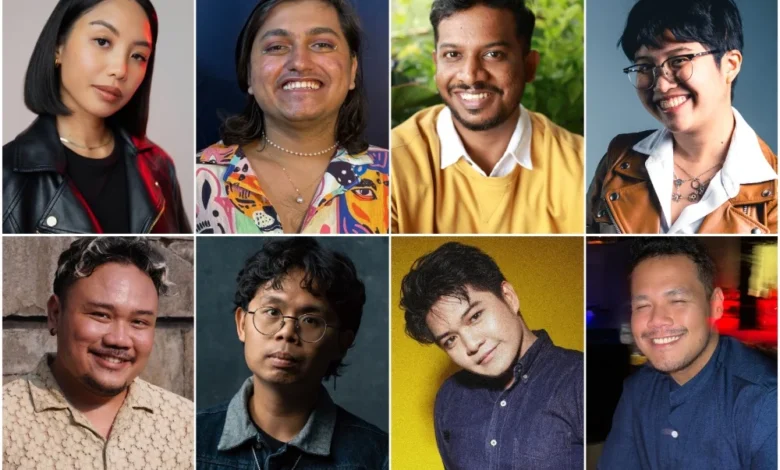
The 2026 cohort comprises eight ambitious fiction feature projects, each characterized by a distinct integration of queer identity into the narrative core. The selected participants—Alec Berame and Joshua Caesar Medroso from the Philippines, Saurav Mahind and Sanju Kadu from India, Minh-Anh Vo Dinh (representing the Vietnam-Canada diaspora), Megan Teo from Singapore, Kurnia Alexander from Indonesia, and Rachel Leyco from the U.S.—have been chosen for their ability to weave complex themes of masculinity, belonging, and personal agency into diverse genres. Their scripts range from high-stakes political thrillers and atmospheric horror to nuanced dramedies, illustrating a shift away from traditional tropes toward more intersectional and multifaceted queer representation.
The program’s expansion is not merely geographic; it is an effort to harmonize regional filmmaking infrastructure. Since its founding in 2023, QueerFrames has successfully shepherded 22 filmmakers through rigorous developmental cycles. By pairing script-doctoring sessions with mentorship from high-level industry figures—including producers, festival programmers, and established directors—the Lab facilitates a transition from embryonic drafts to market-ready industry assets.
Chronology of the 2026 Lab
The upcoming edition will follow a structured, multi-phase timeline designed to maximize creative output and networking opportunities:
- September 23 – October 2, 2026: The program kicks off with an intensive in-person screenwriting retreat in Hua Hin, Thailand. This residential phase is designed to immerse filmmakers in a collaborative environment, allowing for deep-dive script revisions and peer-to-peer feedback.
- October 3, 2026: Following the retreat, the participants will relocate to Bangkok for an "Industry Day." This event is organized in partnership with the French Embassy in Thailand, Alliance Française Bangkok, and the French Regional Audiovisual Cooperation, providing a platform for filmmakers to pitch their works to international distributors and production houses.
- October 2026 – March 2027: The curriculum continues through a series of virtual sessions. This hybrid approach ensures that the mentorship remains consistent throughout the winter months, allowing for long-term refinement of the scripts as they prepare for the festival and funding circuit.
Strategic Alliances and Institutional Support
The sustainability of the QueerFrames project is underpinned by a diverse coalition of global supporters. Netflix and the French Institute in India serve as the primary institutional backers for the 2026 cycle, highlighting the growing corporate and diplomatic interest in supporting underrepresented cinematic voices. Additionally, the Purin Film Fund in Thailand and Momo Film Co in Singapore provide essential regional expertise, ensuring that the Lab’s curriculum remains sensitive to the specific legal, social, and cultural realities of Southeast Asian filmmaking.
The mentorship lineup for 2026 reflects a pedigree of excellence in global cinema. Among those guiding the fellows are Anup Poudel, the producer behind the Oscar-contending "Elephants in the Fog," which secured the Un Certain Regard Jury Prize at the Cannes Film Festival. The return of Berlinale director Tricia Tuttle to the mentorship faculty underscores the program’s alignment with major international film market standards. They are joined by acclaimed Filipino filmmaker and actor Isabel Sandoval, director Ratchapoom Boonbunchachoke, veteran Indian screenwriter Gazal Dhaliwal, and Tan Si En of Momo Film Co. Long-term instructors Vishnu Sinha, an adjunct faculty member at Columbia University, and Paromita Dhar will continue to provide the pedagogical foundation for the Lab’s craft-focused approach.
Thematic Focus and Project Profiles
The projects selected for 2026 demonstrate a sophisticated engagement with global issues through a local lens. The script "Hisap Sebatang Before Ciao! (Each/Other)" by Alec Berame explores the intersection of geopolitics and clandestine romance, following a Filipino diplomat in a high-stakes regional crisis. Minh-Anh Vo Dinh’s "Anglerfish" ventures into genre-bending territory, using a seaside thriller aesthetic to examine isolation and the intrusion of the "other."
In Singapore, Megan Teo’s "Pack" tackles the intersection of body politics and sports, documenting the journey of a closeted professional boxer entering the underground fighting circuit to fund their transition. Rachel Leyco’s "Winning" offers a sharp-witted look at the cycle of trauma, centering on a broke queer artist who hits the lottery, only to find herself mirroring the self-destructive gambling habits of her father.
Other projects emphasize the diversity of the queer experience in South and Southeast Asia. Saurav Mahind’s "Starvation" and Sanju Kadu’s "Under Such a Sky" explore the nuances of desire and intimacy in India, while Joshua Caesar Medroso’s "Lasto (Last Two)" provides a gritty, character-driven narrative set against the backdrop of debt and survival. Finally, Kurnia Alexander’s "Jatuh Cinta yang Lurus (A Straight Way to Love)" brings a poignant reflection on the cost of return, following a filmmaker who faces the consequences of revisiting a past that once rejected them.
Industry Implications and Future Outlook
Rafiul Alom Rahman, director of the QueerFrames Screenwriting Lab, emphasized that the shift to a broader Southeast Asian focus is a deliberate attempt to dismantle the "familiar narratives" that have historically dominated the regional discourse. By fostering a cross-pollination of ideas, Rahman believes the Lab is building the necessary infrastructure for queer filmmakers to bypass traditional gatekeepers.
"Our hope is to build not just stronger projects, but lasting connections and infrastructure that enable these filmmakers to thrive," Rahman stated. This sentiment is echoed by institutional partners. Mathieu Béjot, cultural attaché for film at the French Institute in India, noted that the longevity of the partnership between the Institute and QueerFrames is a testament to the importance of the "international film ecosystem." For the participants, this ecosystem is vital; in many of the represented regions, the path to financing and distributing queer-centric content is fraught with both economic and censorship-related hurdles.
The Lab acts as a critical intervention in this space. By providing the tools for "courage, specificity, and creative freedom"—as noted by mentor Anup Poudel—QueerFrames is effectively equipping the next generation of directors with the professional validation and strategic industry access needed to compete on the world stage. As the 2026 cohort prepares to embark on their journey from Hua Hin to the global market, the expansion of the Lab serves as a bellwether for a more inclusive, globally connected future for independent cinema, proving that the most resonant stories are often those that have historically been excluded from the dominant cultural frame.
Related posts: