FX expands the Far Cry ensemble with an elite roster of veteran actors including Brendan Gleeson and Jennifer Jason Leigh

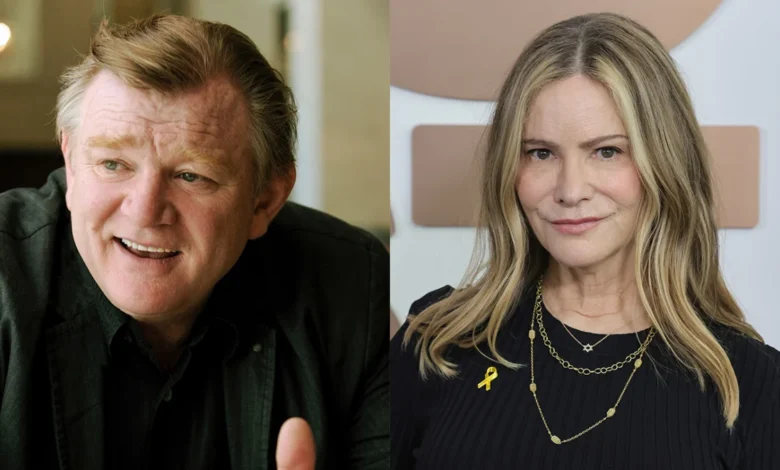
The highly anticipated television adaptation of the acclaimed Ubisoft video game franchise Far Cry has officially moved into a new phase of production, bolstered by a significant expansion of its core cast. FX, the network spearheading the ambitious project, announced that industry stalwarts Brendan Gleeson, Jennifer Jason Leigh, Hamish Linklater, Sam Spruell, and Jamie Demetriou have joined the series. This infusion of talent elevates the prestige of the anthology, which is being shepherded by visionary showrunners Noah Hawley and Rob Mac.
The Evolution of the Far Cry Adaptation
The transition of the Far Cry intellectual property from interactive gaming to scripted television represents one of the most significant strategic moves for FX in recent years. First conceptualized as a collaborative effort between Hawley’s 26 Keys Productions and Mac’s More Better Productions, the series aims to replicate the core tenets of the Ubisoft franchise: high-stakes survival, morally complex protagonists, and immersive, exotic environments.
By adopting an anthology format, the production team has granted itself a degree of creative freedom rarely seen in mainstream adaptations. Much like the game series, which shifts locales and character rosters with every new iteration, the television version will treat each season as a standalone narrative. This structure allows the show to explore different genres, historical periods, and cultural contexts, effectively insulating the show from the narrative constraints of a single, linear storyline.
A Reunion of Hawley’s Collaborative Inner Circle
The casting choices announced this week highlight a deliberate strategy to leverage established professional relationships. Hawley, known for his signature auteur style on series such as Fargo and Legion, has opted to populate the Far Cry universe with actors who are already well-versed in his unique narrative rhythms.
Jennifer Jason Leigh and Sam Spruell, both of whom delivered critically acclaimed performances in the fifth season of Fargo, bring a level of gravitas to the production. Hamish Linklater’s inclusion is particularly notable given his extensive history with the showrunner; having appeared in Legion and the third season of Fargo, he has proven his ability to navigate the surreal and often brutal tonal shifts that define Hawley’s work. Furthermore, Spruell’s upcoming role in the second season of Alien: Earth suggests that the creative team is consolidating a "repertory company" of performers capable of executing high-concept material with precision.
Profiling the New Ensemble Members
The addition of Brendan Gleeson, an Academy Award nominee known for his work in The Banshees of Inisherin and a prolific career spanning decades, adds significant weight to the cast. Gleeson’s recent involvement in major genre projects, such as Prime Video’s Spider-Noir and the upcoming Peacock limited series The Good Daughter, positions him as a cornerstone for the series’ dramatic foundation.
Jennifer Jason Leigh, whose career includes iconic performances in The Hateful Eight, continues her trajectory of choosing complex, character-driven projects. Her involvement, alongside upcoming roles in Netflix’s Something Very Bad Is Going to Happen and the procedural High Potential, underscores her status as one of the industry’s most versatile performers.
Hamish Linklater, fresh off an Emmy-nominated guest turn in Widow’s Bay and a role in the Gen V universe, brings a distinct, grounded energy to the project. Sam Spruell, whose portfolio includes the upcoming A Knight of the Seven Kingdoms and Ridley Scott’s The Dog Stars, adds a rugged, visceral quality that aligns perfectly with the survivalist themes inherent in the Far Cry source material. Jamie Demetriou, whose comedic and dramatic range will be on display in the upcoming Pride and Prejudice adaptation and the sixth season of Only Murders in the Building, represents the younger, highly dynamic generation of talent that will likely bridge the gap between character study and high-octane thriller.
Contextualizing the Production Scale
The production is backed by a powerhouse group of executive producers, including Monica Macer, Peter Calloway, and John Campisi, working alongside representatives from Ubisoft Film & Television, including Gerard Guillemot, Margaret Boykin, and Austin Dill. This level of institutional support from the original game developers is a vital component in ensuring the series remains faithful to the spirit of the source material while evolving into a compelling television experience.
The budget and scope of the series are expected to rival major prestige dramas currently airing on platforms like Hulu and FX. Given the historical success of video game adaptations in the current market—most notably the success of HBO’s The Last of Us and Amazon’s Fallout—FX is positioning Far Cry as a flagship property. The investment in top-tier talent indicates that the network is prioritizing narrative depth over mere spectacle, aiming to capture both the dedicated gaming audience and the broader critical-prestige TV demographic.
Analysis of Implications for the Anthology Genre
The anthology format presents specific challenges and opportunities for FX. By changing the cast and setting every season, the show avoids the "stale premise" trap that often plagues multi-season dramas. However, it requires the audience to "re-buy" into the show with every cycle. The choice of actors who possess broad, crossover appeal—like Gleeson and Leigh—is a calculated risk mitigation strategy designed to provide a familiar anchor for the audience even as the settings shift.
From a production standpoint, the timeline for the series remains fluid. While no specific release date has been confirmed, the current stage of casting suggests that principal photography is either imminent or already underway. The industry expectation is that the first season will serve as a pilot for the anthology’s potential, setting a standard for production design and visual effects that future seasons must maintain.
The Role of Ubisoft and Transmedia Strategy
The involvement of Ubisoft Film & Television is central to the project’s legitimacy. For years, the gaming industry has struggled with the "curse" of mediocre adaptations, but the current era of "prestige gaming adaptations" suggests a shift in methodology. By involving the creative leads of the game franchise in the executive production process, the show avoids the common pitfalls of alienating the core fanbase.
The series is also expected to benefit from a synergistic marketing approach. As Ubisoft continues to release new entries in the Far Cry video game franchise, the TV series will serve as a high-visibility companion, reinforcing the brand identity across multiple media channels. This cross-platform strategy is increasingly standard in Hollywood, as major studios seek to maximize the value of their intellectual property portfolios.
Looking Ahead
As the cast list continues to grow, the industry will be watching closely to see who will be announced next and whether the show will retain its current creative direction under the heavy influence of the Hawley-Mac partnership. The inclusion of actors who have worked extensively with the showrunners suggests that the tone of Far Cry will likely be dark, psychologically complex, and visually arresting—hallmarks of the FX brand.
With the production currently operating in a shroud of secrecy regarding individual character roles, the anticipation among fans continues to mount. The mix of veteran Academy Award nominees and rising stars creates a balanced, multi-generational cast that is well-equipped to handle the intense, often harrowing subject matter that has defined the Far Cry brand for over a decade.
In summary, the addition of this new cohort to the Far Cry production is more than just a casting update; it is a signal of the project’s ambition. By securing actors with such high critical acclaim, FX has ensured that the series will be treated as a serious work of television, regardless of its origins in interactive entertainment. As the production moves into its next phase, the focus will shift from the personnel behind the camera and in front of it to the narrative world they are building, a world that promises to be as volatile and immersive as the game franchise that inspired it.
Related posts: