Nobody Wants This Creator Erin Foster Eyes Potential Season 4 While Navigating Creative Realities and Real-World Controversies

The television landscape is continually defined by the delicate balance between creative ambition and viewer demand, a dynamic currently exemplified by the ongoing success of Netflix’s romantic-comedy series Nobody Wants This. Following the narrative developments of the show’s third season, series creator Erin Foster has indicated that she possesses substantial material and conceptual frameworks for a potential fourth installment, contingent upon a formal renewal from the streaming platform. While the creative path forward remains open, Foster has emphasized a pragmatic approach to the television industry, maintaining that production decisions ultimately rest on audience engagement and market responsiveness rather than purely personal storytelling desires.
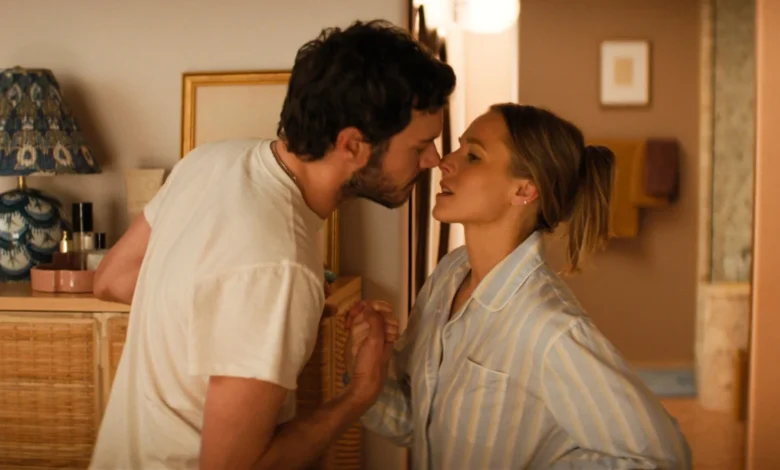
The hit series, which stars Kristen Bell as agnostic podcaster Joanne Williams and Adam Brody as Rabbi Noah Roklov, has captured a dedicated global audience since its inception. Inspired by Foster’s real-life relationship with her music executive husband, Simon Tikhman, the narrative explores the cross-cultural and interfaith relationship between a non-religious woman and an observant rabbi. The complex dynamics of their romance, compounded by familial expectations and Joanne’s journey toward converting to Judaism, have driven the core thematic tension of the series across its initial seasons, establishing it as one of Netflix’s standout romantic comedies.
Expanding the Narrative: The Real-Life Inspirations Behind the Story
At the heart of Nobody Wants This is a semi-autobiographical examination of modern romance, identity, and the complications of building a life outside the conventional timelines often depicted in media. In recent interviews, Foster elaborated on why she believes the narrative arc warrants continuation beyond the third season, pointing specifically to the unique social and emotional milestones experienced by individuals who enter serious, lifelong partnerships later in life.
According to Foster, navigating marriage, community integration, and the transition into domestic life outside of one’s twenties introduces a distinct set of cultural and personal hurdles. Drawing directly from her own experience of marrying at age thirty-seven, the creator noted that entering adulthood milestones already feeling slightly behind conventional societal timelines provides a rich thematic vein for future episodes. This perspective has heavily influenced the tone of the series, allowing it to resonate with viewers who appreciate a more grounded, albeit comedic, look at modern relationships.
Despite her enthusiasm for continuing Joanne and Noah’s story, Foster maintains a measured perspective regarding the ultimate fate of the series. Industry veterans frequently face the uncertainty of network renewals, and Foster has publicly expressed a desire to avoid the common television pitfall of stretching a narrative past its natural expiration date. By prioritizing quality and audience sentiment, the creator aims to ensure that the series concludes gracefully rather than lingering simply for the sake of additional content.
Chronology of a Streaming Success
The trajectory of Nobody Wants This reflects the rapid and unpredictable nature of modern television distribution. Developed under Netflix’s expansive comedy slate, the series quickly gained traction upon its debut, drawing praise for the undeniable chemistry between its leads and its sharp, witty dialogue. The swift conversion of casual viewers into a dedicated fandom positioned the show as a priority asset for the streaming service.
As the series progressed through subsequent seasons, the production expanded its scope, delving deeper into the nuances of interfaith relationships and the intricate social structures surrounding religious communities. The transition from initial courtship to deeper commitment provided fertile ground for character development, setting the stage for the narrative developments seen in Season 3. Throughout this timeline, Netflix has closely monitored engagement metrics, viewership retention, and social media discourse to evaluate the long-term viability of the franchise.
The announcement regarding a potential fourth season arrives at a critical juncture for the platform, which continually recalibrates its programming strategy to balance high-budget genre spectacles with reliable, culturally resonant romantic comedies and sitcoms. While Netflix has not yet issued an official statement regarding a Season 4 renewal, industry analysts suggest that the strong performance of previous chapters makes continued investment a logical consideration.
Navigating Off-Screen Complexities and Public Discourse
While the creative team evaluates the future of the fictional universe, the production has recently had to navigate the complexities of real-world discourse involving its principal cast members. In late 2026, the series found itself at the intersection of entertainment and geopolitical commentary following public statements made by lead actor Adam Brody.
Brody’s expression of support for "Free Palestine" generated considerable public attention, igniting spirited discussions and polarized reactions among the show’s diverse viewership base. Because the series centers heavily on Jewish identity, cultural traditions, and interfaith dialogue, the actor’s political stance prompted intense debate online, particularly among pro-Israel fans who engage deeply with the cultural themes of the show.
Addressing the controversy directly, Erin Foster offered a measured response that emphasized the distinction between artistic collaboration and personal viewpoints. Acknowledging her deep professional appreciation for Brody’s talent and contribution to the series, Foster candidly noted her disagreement with his public statements, while simultaneously defending the principle of individual expression. "While I love Adam, I also disagree with him. And that’s okay," Foster remarked.
This measured approach highlights a broader trend in contemporary entertainment, where creators and network executives must frequently manage the friction between personal off-screen politics and collective artistic endeavors. The ability of a creative team to separate individual ideological differences from collaborative storytelling is often tested when working on culturally sensitive or identity-driven projects.
Industry Implications and the Future of the Franchise
As stakeholders await a definitive decision from Netflix regarding the future of Nobody Wants This, several broader industry implications come to light. Romantic comedies have experienced a renaissance in the streaming era, moving away from traditional studio-released feature films toward serialized television formats that allow for deeper character arcs. Shows like Nobody Wants This demonstrate the enduring market appetite for character-driven romantic narratives that engage with contemporary social and cultural realities.
Furthermore, the show’s success underscores the growing value of creator-driven, semi-autobiographical storytelling. By grounding fictional narratives in authentic personal experiences, creators can achieve a level of specificity that resonates universally. Whether this formula will be granted the runway for a fourth season remains to be seen, but the groundwork laid by Foster and her cast ensures that the series has already secured a notable place in recent television history.
Ultimately, the trajectory of Nobody Wants This will be determined by a complex interplay of viewership metrics, creative vision, and corporate strategy. If the streaming platform grants the green light for Season 4, audiences can expect a continuation of the sharp wit, cultural exploration, and interpersonal dynamics that defined the earlier chapters. Until then, the series stands as a testament to the viability of smart, contemporary romantic comedy in a crowded digital marketplace.