Texas Solar Power Set to Overtake Coal Generation for the First Time in Historic Energy Shift

The energy landscape of the United States is undergoing a fundamental transformation, and nowhere is this shift more visible than in the state of Texas. Long synonymous with oil derricks and coal-fired power plants, the Lone Star State is on the verge of a historic milestone: for the first time in history, solar energy is projected to generate more electricity than coal across the state’s primary power grid. This transition, documented in recent forecasts from the U.S. Energy Information Administration (EIA), signals a definitive decoupling of economic growth from carbon-intensive power generation in one of the world’s most significant energy markets.
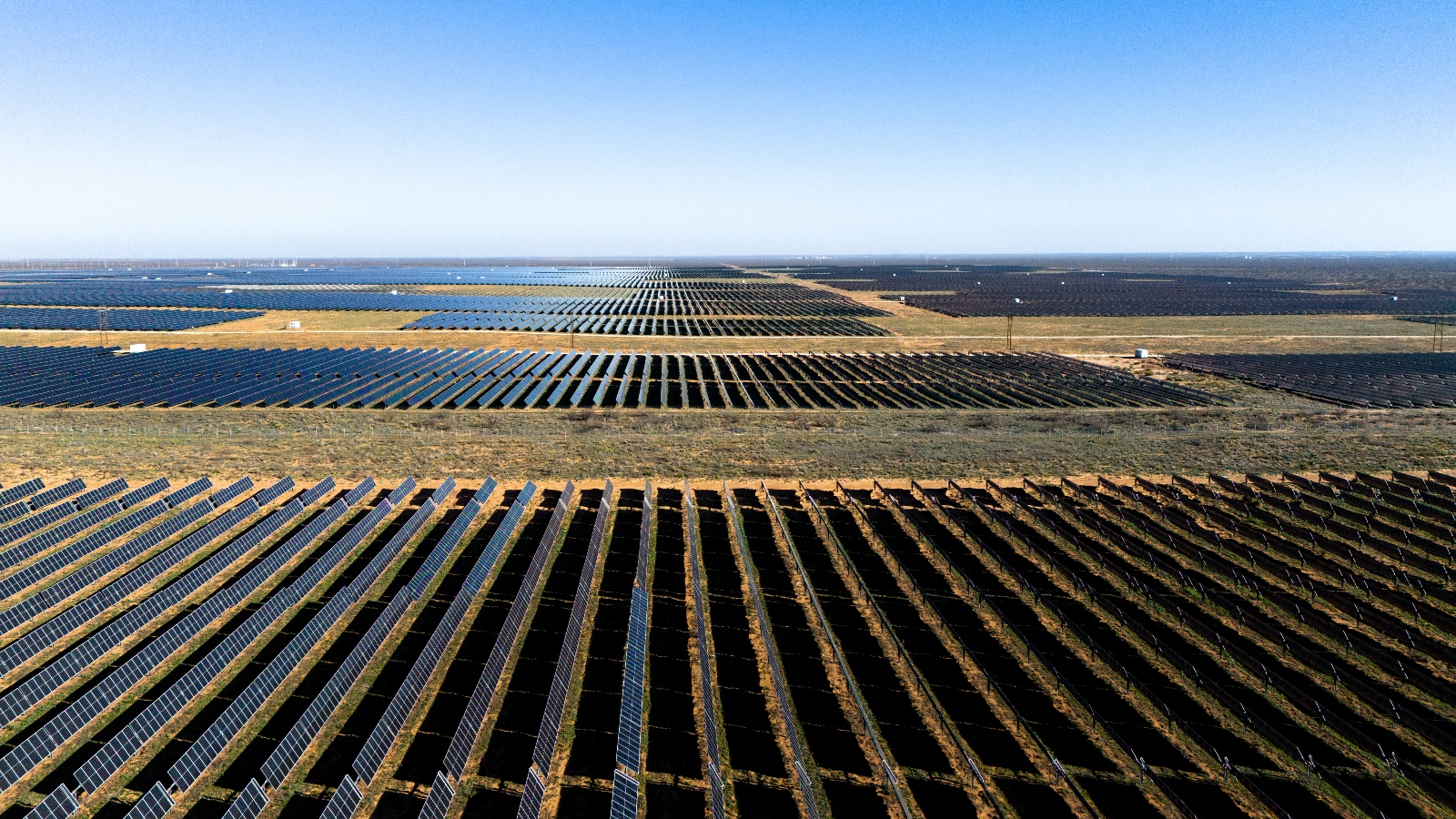
The Electric Reliability Council of Texas (ERCOT), which manages the flow of electric power to more than 26 million Texas customers, is witnessing a rapid inversion of its generation hierarchy. According to federal data, ERCOT is expected to receive approximately 78 billion kilowatt-hours (kWh) of electricity from solar installations in 2026, compared to just 60 billion kWh from coal-fired plants. By 2027, the gap is expected to widen further, with solar production climbing to an estimated 99 billion kWh—a 27 percent increase in just one year—leaving the aging coal fleet effectively sidelined as a secondary power source.
The Anatomy of an Energy Transition
The decline of coal in Texas is not the result of a single policy or mandate, but rather a convergence of market forces, technological advancement, and geographic advantages. While no new coal-fired plants are being constructed in the state, developers are currently adding more solar capacity in Texas than in any other state in the nation. This surge is driven by the decreasing cost of photovoltaic (PV) technology and the unique structure of the Texas electricity market, which incentivizes low-cost, high-yield generation.
The seasonal data already reflects this momentum. In 2023, solar output outperformed coal on a monthly basis from March through August. In 2024, that window expanded significantly, with solar expected to outpace coal from March through December. This trend suggests that solar is no longer merely a "supplemental" source of power used to shave off peak demand during summer heatwaves; it has become a foundational pillar of the Texas energy mix.
Nationally, the trend is mirrored by the combined output of wind and solar, which surpassed coal generation across the entire United States in 2024. However, Texas is moving faster than the national average. While the rest of the country navigates a complex web of regional regulations and aging infrastructure, Texas has leveraged its deregulated market to accelerate the deployment of renewables at an unprecedented scale.
A Chronology of Change: From Wind to Solar
The path to solar dominance in Texas began decades ago with the deregulation of the state’s electricity market in the late 1990s and early 2000s. Under the administration of then-Governor George W. Bush, Texas established the first Renewable Portfolio Standard and invested in Competitive Renewable Energy Zones (CREZ). These zones involved the construction of massive transmission lines designed to carry wind power from the gusty plains of West Texas to the high-demand urban centers of Dallas, Houston, and San Antonio.
Initially, wind power was the primary beneficiary of this infrastructure. For years, Texas has led the nation in wind generation, often producing more wind energy than most countries. However, the last five years have seen a pivot toward solar. Solar power offers a distinct advantage in Texas: its generation profile aligns almost perfectly with the state’s peak demand periods. When the Texas sun is at its hottest in the mid-afternoon, air conditioning use spikes, and solar panels reach their maximum output.
The timeline of solar growth in ERCOT is staggering:
- 2010–2015: Solar remained a marginal player, contributing less than 1% of the state’s total energy.
- 2019: Utility-scale solar began to gain traction as costs plummeted and federal tax credits provided a stable investment environment.
- 2021–2023: Solar capacity in Texas doubled and then tripled, frequently setting new records for instantaneous generation during summer months.
- 2024–2026: Projections indicate solar will move from a "growth" phase to a "dominant" phase, officially overtaking coal as the state’s second-largest source of carbon-free energy after wind.
Economic Realities vs. Political Narratives
The rapid ascent of solar power in Texas presents a sharp contrast to the prevailing energy narratives often seen at the federal level. Recent federal administrations have frequently emphasized "energy dominance" through the promotion of coal and natural gas, sometimes attempting to shield struggling coal plants from market realities. The Department of Energy has, at various times, explored mechanisms to keep non-competitive coal plants operational under the guise of national security or grid reliability, often at a significant expense to taxpayers.
Simultaneously, federal land management policies have occasionally slowed the development of renewable projects on public lands in the Western United States. However, Texas—where the vast majority of land is privately owned—has largely bypassed these federal hurdles. In the Lone Star State, the transition is being driven by the "bottom line." Solar power now has a lower marginal cost than coal. Once a solar farm is built, the fuel is free, whereas coal plants must continually purchase, transport, and burn fuel, while also maintaining complex mechanical systems and complying with environmental regulations.
"The market is speaking, and it is speaking clearly," says one industry analyst familiar with ERCOT operations. "In a competitive environment like Texas, the cheapest electron wins. Right now, and for the foreseeable future, those electrons are coming from the sun and the wind."
Solving the Reliability Puzzle
A common criticism of solar energy is its intermittency—the fact that it does not produce power at night or during heavy cloud cover. Proponents of coal have long argued that "baseload" power from coal and nuclear is essential for maintaining a stable grid. However, Texas is disproving the notion that a grid cannot function without heavy reliance on coal.
ERCOT manages reliability through a diverse and increasingly flexible portfolio. When solar production drops off in the evening, the grid transitions to a combination of natural gas, nuclear, and wind. Perhaps most importantly, Texas is currently leading a secondary revolution in battery energy storage. These massive battery installations store excess solar power generated during the day and discharge it into the grid during the evening ramp-down or in times of unexpected demand.
By integrating batteries, ERCOT has created a buffer that mitigates the variability of solar. This "solar-plus-storage" model is becoming the new standard for reliability, providing a faster response to grid fluctuations than traditional coal plants, which can take hours or even days to "ramp up" to full capacity.
Lessons for the National Landscape
The Texas experience offers a compelling case study for other states, particularly those with ambitious climate goals that have struggled to build infrastructure quickly. While Texas does not share the same political rhetoric as states like California or New York, it has outpaced them in the actual construction of renewable capacity.
Several factors contribute to this "Texas Model":
- Permitting Speed: Texas has a streamlined process for siting and permitting energy projects on private land, allowing developers to move from proposal to completion in a fraction of the time required in more regulated states.
- Market Competition: The ERCOT market is designed to reward efficiency. Without the protection of monopoly utility structures, older, more expensive plants (like coal) are naturally phased out by cheaper alternatives.
- Grid Investment: The early decision to build the CREZ transmission lines proved visionary, ensuring that remote solar and wind farms could actually deliver their power to the people who need it.
For liberal states looking to accelerate their green transitions, the lesson from Texas is that market structure and permitting reform are often more effective than mandates alone. By reducing the "soft costs" of development and ensuring fair market access, Texas has created a blueprint for rapid decarbonization driven by private capital.
The Future: Leaving Coal in the Dust
As 2026 approaches, the symbolic weight of solar overtaking coal cannot be overstated. For more than a century, coal was the bedrock of industrial civilization and the primary driver of the American electrical grid. Its displacement by solar in a state as central to the energy industry as Texas marks the end of an era.
The implications for the environment are significant. The retirement or reduced utilization of coal plants leads to a direct reduction in carbon dioxide emissions, as well as a decrease in sulfur dioxide, nitrogen oxides, and particulate matter, improving local air quality and public health outcomes.
Looking ahead to 2027 and beyond, the EIA’s projection of 99 billion kWh of solar generation suggests that the gap between solar and coal will only continue to grow. As the solar fleet expands and battery technology matures, the "well-established" coal industry is being left in the dust, unable to compete with the plummeting costs and increasing efficiency of the renewable sector. In Texas, the sun is not just rising on a new day; it is rising on a new era of American energy.
Related posts: