
Chicago Winter Warm Weather
Chicago Winter Warm Weather: Unveiling Unexpected Opportunities
The notion of "warm weather" in Chicago during winter often conjures images of a paradox, a stark contrast to the city’s well-earned reputation for biting winds and frigid temperatures. However, a closer examination reveals that "warm weather" in this context transcends mere thermometric readings; it encompasses a spectrum of experiences and opportunities that emerge when winter’s grip loosens, even incrementally, or when ingenuity transforms perceived cold into something more inviting. This article delves into the multifaceted nature of Chicago’s winter "warm weather," exploring its manifestations in both meteorological shifts and human-created environments, and highlighting how residents and visitors can capitalize on these periods for unique urban exploration and enjoyment. Understanding these less-advertised facets of a Chicago winter can unlock a wealth of activities and perspectives that might otherwise remain undiscovered.
Meteorological Anomalies: The Fleeting Thaw
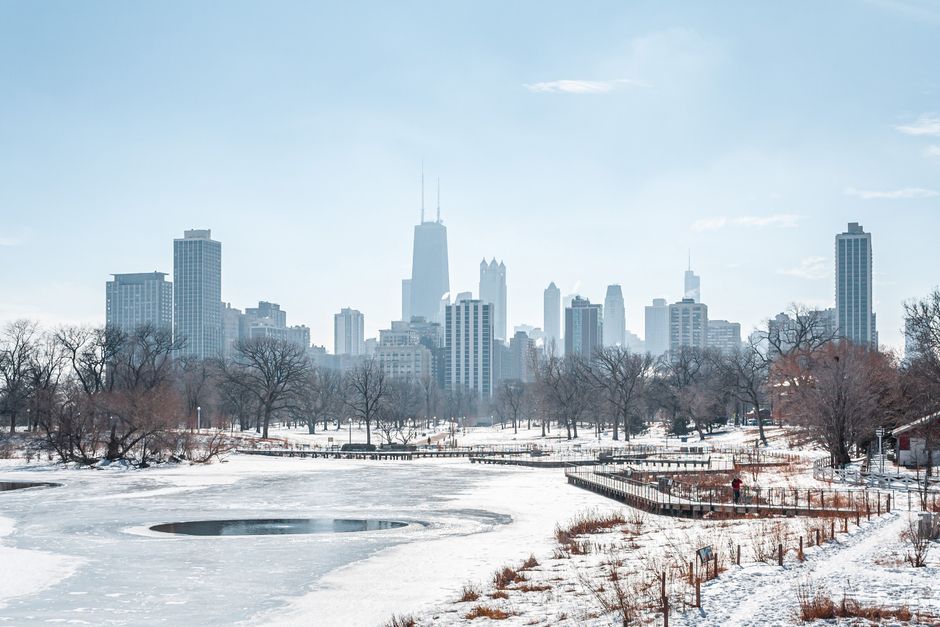
While consistently frigid temperatures are a hallmark of Chicago winters, meteorological data and anecdotal evidence point to recurring periods, often termed "Indian Summers" or "January Thaws," where temperatures can unexpectedly climb, offering a temporary reprieve from the deep freeze. These anomalies, though unpredictable, are significant enough to warrant attention for those seeking to experience the city in a slightly more temperate state. Such thaws can bring daytime temperatures into the 40s and even occasionally the 50s Fahrenheit, transforming the urban landscape and its possibilities. During these fleeting warm spells, the ice on Lake Michigan may recede from the immediate shoreline, revealing the vast expanse of the Great Lake with a less intimidating demeanor. Parks, often blanketed in snow and ice, can become more accessible, their pathways cleared by the melt, allowing for leisurely strolls with surprisingly pleasant ambient temperatures. The typical hustle and bustle of winter, characterized by hurried movements and bundled figures, can soften. People emerge from their indoor sanctuaries, and a noticeable increase in outdoor activity, from dog walkers to cyclists braving the less harsh conditions, becomes apparent. These periods are particularly conducive to exploring Chicago’s extensive network of public parks, such as Lincoln Park or Millennium Park, where the absence of extreme cold allows for a more comfortable appreciation of their architectural features and natural beauty. The Chicago Riverwalk, often a formidable stretch to navigate in sub-zero temperatures, becomes a viable option for a more relaxed exploration, offering unobstructed views of the city’s iconic architecture without the sting of icy winds. The change in light, too, can be remarkable. When the sun breaks through during a thaw, it casts a different hue on the snow-covered (or melting) city, creating a visually distinct and often beautiful urban panorama.
Embracing Indoor "Warmth": Climate-Controlled Havens
Beyond meteorological fluctuations, Chicago’s most reliable and consistent "warm weather" experiences are found within its meticulously crafted climate-controlled environments. The city boasts an impressive array of indoor attractions that offer a refuge from the elements, allowing for year-round enjoyment of culture, entertainment, and culinary delights. These spaces effectively create an artificial "warm weather" bubble, shielding visitors from the external chill and providing a comfortable and engaging experience. The Museum Campus, a collection of world-class institutions including the Field Museum, Shedd Aquarium, and Adler Planetarium, offers an immersive escape. The Field Museum, with its dinosaur exhibits and vast natural history collections, can easily occupy an entire day, providing a journey through time and across continents without ever feeling the winter air. The Shedd Aquarium, with its dazzling array of aquatic life, transports visitors to underwater worlds, the humidity and ambient warmth creating a palpable sense of being elsewhere. The Adler Planetarium, with its celestial shows and astronomical exhibits, offers a different kind of escape, a journey through the cosmos from the comfort of a warm, dark theater. Beyond the Museum Campus, Chicago’s theater district buzzes with activity. Broadway in Chicago brings world-class productions to the city, offering an evening of entertainment and warmth in a beautifully appointed venue. The Art Institute of Chicago, a treasure trove of artistic masterpieces, provides hours of contemplation and appreciation in its temperature-controlled galleries. The city’s extensive network of shopping malls, from the iconic Magnificent Mile establishments to more localized retail centers, also serves as a significant contributor to indoor "warm weather" opportunities, offering not just retail therapy but also a warm respite, dining options, and often, a vibrant social atmosphere. The Chicago Public Library system, with its architecturally significant branches, offers quiet, warm spaces for reading, studying, or simply enjoying the ambiance. These institutions collectively ensure that even during the coldest weeks, Chicago remains a city of abundant and accessible "warm weather" experiences.
Culinary Escapes: Savoring Warmth from Within
The concept of "warm weather" in a Chicago winter is intrinsically linked to its renowned culinary scene. Restaurants, cafes, and bars serve as vital centers of warmth and social gathering, offering a sensory experience that combats the external chill. The act of seeking out and enjoying a hot meal or beverage becomes an integral part of winter life, transforming the simple act of dining into an occasion of comfort and warmth. Chicago’s diverse culinary landscape offers an endless array of options, from cozy, dimly lit bistros serving rich, hearty stews and braised meats, to bustling ethnic eateries offering spicy curries and warming broths. The city’s burgeoning craft cocktail scene provides another avenue for embracing indoor warmth, with bartenders crafting intricate and warming libations, often featuring seasonal ingredients and spices. Coffee shops and bakeries become havens, their interiors filled with the comforting aroma of freshly brewed coffee and baked goods. These establishments are not merely places to grab a quick bite; they are social hubs where individuals can linger, converse, and escape the elements in a convivial atmosphere. The concept of "hygge," the Danish notion of coziness and contentment, finds its perfect expression in these Chicago establishments during winter. The warmth emanating from hearths, the clinking of glasses, the murmur of conversation – all contribute to a palpable sense of indoor warmth and well-being. Exploring the city’s diverse neighborhoods offers opportunities to discover hidden culinary gems, from authentic Italian trattorias in Lincoln Square to vibrant Mexican taquerias in Pilsen, each offering its own unique brand of warmth and flavor. The proliferation of speakeasies and hidden bars further adds to this sense of discovery and warmth, offering intimate settings for enjoying expertly crafted drinks and small plates.
Active Pursuits in Controlled Environments
For those who seek more active engagement during Chicago’s colder months, the city offers a wealth of opportunities for physical activity within climate-controlled environments. These indoor havens allow individuals to maintain fitness routines and engage in sports without succumbing to the frigid outdoor temperatures. Indoor ice skating rinks, such as the popular McCormick Tribune Ice Rink in Millennium Park (though this is an outdoor experience, its managed environment and the sheer joy it brings can feel like a warm respite from the wider cold), or the many community centers offering indoor facilities, provide a classic winter activity. Beyond ice sports, Chicago boasts numerous indoor rock-climbing gyms, offering challenging and rewarding experiences for all skill levels. Fitness studios catering to a wide range of disciplines, from yoga and Pilates to high-intensity interval training and cycling, are abundant, providing a constant source of exercise and social interaction. The city’s universities and colleges often have athletic facilities that are accessible to the public through memberships or day passes, offering access to swimming pools, basketball courts, and weight rooms. Even seemingly outdoor activities can be adapted. For instance, the Chicago Lakefront Trail, while exposed, can still be enjoyed on a milder winter day for running or cycling, especially if dressed appropriately. However, the true "warm weather" active pursuits are undeniably found indoors. These controlled environments not only provide the physical benefits of exercise but also a mental lift, a sense of accomplishment, and a vital social connection, all of which contribute to a positive winter experience. The availability of these facilities ensures that a Chicago winter does not necessitate a complete cessation of an active lifestyle, offering instead a different, and often equally invigorating, set of options.
Reimagining Outdoor Exploration: Layering and Strategic Timing
While the most consistent "warm weather" experiences in Chicago during winter are indoors, strategic planning and appropriate attire can unlock opportunities for outdoor exploration during the less severe periods. The key lies in understanding and embracing the concept of "layering" and being attuned to the nuances of the winter climate. When a forecast predicts a temporary thaw, with temperatures rising into the 30s or 40s, it presents an opportune window for experiencing Chicago’s outdoor offerings with a reduced sense of discomfort. This involves dressing in multiple, thin layers that can be added or removed as needed. A base layer of moisture-wicking material, an insulating mid-layer (such as fleece or down), and a windproof and water-resistant outer shell are essential. Gloves, a hat, and a scarf are non-negotiable for protecting extremities from the residual chill and wind. With this preparation, activities that might seem daunting in the peak of winter become feasible and even enjoyable. A walk through the Magnificent Mile, traditionally a shopping mecca, can be appreciated for its festive decorations and the vibrant energy of the city, with the added bonus of being able to pop into shops for warmth as needed. Exploring the architecture of the Loop becomes more accessible, allowing for a slower pace and a more thorough appreciation of the city’s iconic buildings. Parks, as mentioned, can be particularly rewarding during these milder spells. The frozen surface of Lake Michigan, when safe and accessible, can offer a unique perspective of the city skyline. Boat tours, while less frequent, may operate on select days with warmer temperatures, providing a different vantage point of the urban landscape. The key is to remain flexible and opportunistic, capitalizing on the fleeting periods of relative warmth. This approach transforms the perception of winter from an insurmountable obstacle to a dynamic environment with its own set of challenges and rewards.
The Social Fabric of Indoor Warmth
Beyond the physical warmth, Chicago’s winter "warm weather" is deeply intertwined with its vibrant social fabric. The city’s numerous community centers, libraries, and public spaces transform into hubs of activity during the colder months, fostering a sense of connection and shared experience. These institutions often host a variety of programming, from workshops and lectures to book clubs and art classes, providing opportunities for residents to engage with one another and combat the isolation that winter can sometimes bring. Local cafes and pubs become informal gathering places, where friends meet to warm up over a drink and conversation. The sense of community is palpable, and these social interactions are a crucial element of what makes Chicago’s winter feel less harsh. The city’s diverse neighborhoods each possess their own unique character and community spirit, and during winter, these local areas often become even more intimate and inviting. Exploring these neighborhoods can lead to discovering small, independent businesses that serve as social anchors, fostering a strong sense of local pride and belonging. The performing arts scene, with its numerous theaters and music venues, also plays a vital role in bringing people together, offering shared experiences that transcend the cold. The shared anticipation of a performance, the collective enjoyment of music, or the communal laughter at a comedy show all contribute to a feeling of warmth and connection. This emphasis on social interaction and shared experience is a fundamental aspect of how Chicago mitigates the challenges of its winter climate, transforming what could be a period of isolation into one of connection and communal warmth.
Conclusion: A Winter of Unexpected Comfort
Chicago’s winter, while undeniably cold, is far from an uninviting season. The concept of "warm weather" in this context is a multifaceted one, encompassing meteorological anomalies, expertly crafted indoor environments, and a vibrant social scene that thrives even in sub-zero temperatures. By understanding and embracing these various facets, residents and visitors can unlock a wealth of experiences that offer comfort, engagement, and a unique appreciation for the city. Whether it’s a fleeting thaw that allows for an unexpected park stroll, a world-class museum that transports you to warmer climes, a culinary adventure that warms you from the inside out, or a lively social gathering that combats the chill of isolation, Chicago’s winter offers its own brand of warmth. The SEO keywords integrated throughout this article, such as "Chicago winter," "warm weather Chicago," "indoor attractions Chicago," "Chicago restaurants winter," and "Chicago activities winter," are designed to make this information accessible to those seeking to understand and experience the less-obvious, yet undeniably present, warmth within a Chicago winter.
