The Environmental Protection Agency Plans to Shutter Its Online Archive by Year’s End

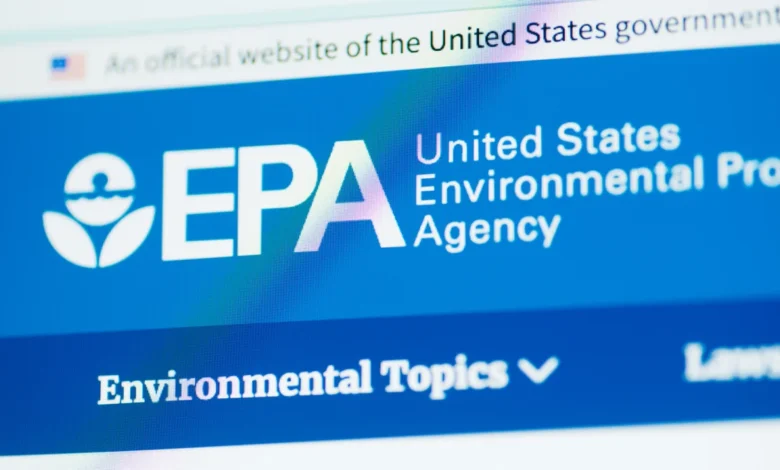
In a move that has drawn sharp criticism from transparency advocates, researchers, and environmental historians, the United States Environmental Protection Agency (EPA) has quietly signaled its intent to permanently decommission its online web archive on December 31, 2026. This administrative decision, tucked away in a low-profile banner notice on the agency’s website, threatens to erase a digital repository containing tens of thousands of historical documents, regulatory records, and environmental policy assessments dating back over two decades. The move marks the latest chapter in a multi-year tug-of-war over the accessibility of federal data, occurring against a backdrop of broader agency-wide shifts in regulatory priorities under the current administration.
The archive, which has served as a vital bridge between past environmental policies and current scientific inquiry, houses information that is frequently cited in legislative oversight and public interest reporting. By removing this repository, the agency risks creating a significant "information vacuum," according to experts who warn that the loss of this digital footprint will hinder the public’s ability to hold federal institutions accountable for their long-term environmental stewardship.
A Chronology of Retrenchment
The threat to the EPA’s digital archives is not a new development, but rather the culmination of a recurring policy debate regarding the costs and necessity of historical record-keeping in a digital age.
The conflict first surfaced in early 2022, when the EPA initially announced plans to discontinue the repository. At that time, agency officials cited the financial and technical burden of maintaining the legacy platform, with internal estimates suggesting an annual upkeep cost of approximately $2 million. That announcement triggered immediate pushback from a coalition of librarians, academic historians, and advocacy groups, including the Environmental Data and Governance Initiative (EDGI). The outcry was driven by concerns that the deletion of such records would represent a profound setback for democratic transparency.
Following five months of intense public pressure, the agency retreated, announcing a one-year stay of execution that extended the archive’s life to July 2023. However, the respite proved to be more of a delay than a resolution. In March 2023, the agency again adjusted its communication strategy, labeling the archive as "retiring" without providing a specific sunset date. For three and a half years, the site remained in a state of suspended animation—no longer being actively updated, yet still accessible to the public—until the recent update confirmed the hard deadline of December 31, 2026.
The Value of the Historical Record
The EPA’s online archive has functioned as a central library for major political and regulatory inflection points in American environmental history. Researchers and policymakers rely on the platform to access primary source documentation regarding initiatives that shaped the current energy and environmental landscape.
Key documents hosted within the archive include materials related to the 2003 Clear Skies Initiative, a cornerstone of the George W. Bush administration’s air quality strategy, and the 2015 Clean Power Plan, which formed the regulatory basis for the Obama administration’s efforts to reduce greenhouse gas emissions from power plants. Perhaps most crucially, the archive served as a critical preservation site during the first Trump administration, when substantial portions of the EPA’s active website—specifically those detailing climate change science and policy—were removed or significantly altered. During that period, the archive acted as a secondary repository, ensuring that the public could still access data that had been scrubbed from the live agency site.
Beyond broad policy initiatives, the archive contains site-specific technical reports that are essential for environmental justice efforts. For example, documents related to the toxic water contamination at Camp Lejeune in North Carolina have been archived for decades. These files provide the foundational record for investigations into the chemical exposure of service members and residents, allowing affected families to evaluate the agency’s investigative history and historical oversight failures.

Implications for Transparency and FOIA
The decision to shutter the archive comes at a time when public trust in government agencies is hovering at historic lows, according to data from the Pew Research Center. Critics argue that the removal of these resources will place an undue burden on the Freedom of Information Act (FOIA) process.
"The EPA’s insistence on decommissioning its web archive will only continue to erode public trust—at the exact time the public and lawmakers need agency information the most," says Lauren Harper, the first Daniel Ellsberg chair on government secrecy for the Freedom of the Press Foundation. Harper notes that when information is easily accessible, it serves as a check on executive power. When that information is relegated to the FOIA process, it creates a bottleneck where requests can languish for months or years, effectively hiding records behind bureaucratic red tape.
By forcing researchers to submit individual FOIA requests for documents that were previously accessible with a few clicks, the agency is effectively privatizing the cost of oversight—transferring the burden of research from the agency’s digital infrastructure to the public’s time and administrative resources.
The "Snapshot" Controversy
In its advisory notice, the EPA suggests that users should instead rely on the agency’s "snapshot collections" for historical information. However, experts like Gretchen Gehrke, co-founder of EDGI, argue that these snapshots are insufficient replacements for a fully searchable, indexed archive.
"EPA should expand and systematize the archive, not throw it away and expect that three discrete snapshots will suffice," Gehrke stated. The primary concern is that snapshots—which are periodic, static captures of the website—lack the depth and connectivity of the current archive. They are often fragmented and fail to preserve the relational data that allows researchers to trace how policies evolved over time. Furthermore, in an era where the current administration has been criticized for the alteration or deletion of various federal datasets, there is widespread skepticism regarding whether these snapshots will be curated with the same level of integrity as the existing archive.
Broader Context: A Pattern of Regulatory Rollback
The push to end the archive follows a series of recent policy shifts under EPA Administrator Lee Zeldin. These include the high-profile public rollbacks of power plant pollution standards and the dismantling of the federal methane regulatory system—a program designed to track and limit emissions from oil and gas operations.
These policy moves have set the stage for a broader contraction of the agency’s footprint. Observers note that the decommissioning of the archive fits into a larger, coherent pattern of reducing the visibility and accessibility of environmental regulatory data. As the agency pivots toward a more deregulatory stance, the removal of historical evidence of past oversight—or the failure thereof—becomes a strategic move in the broader effort to minimize the regulatory burden on industrial sectors.
Conclusion: A Future in the Dark?
As the December 31 deadline approaches, the future of the EPA’s digital legacy remains uncertain. The agency has not provided a detailed plan for the migration of these records to the National Archives and Records Administration (NARA), nor has it addressed how it intends to assist academic institutions or public libraries in preserving the data that will be lost.
For the scientific community, the loss of this archive represents more than just a reduction in server costs; it signifies a retreat from the principle of open government. As the digital landscape continues to be the primary medium through which the public understands the risks to their water, air, and climate, the destruction of these records will make it significantly harder for future generations to understand the history of environmental protection in the United States. Without an eleventh-hour intervention or a change in policy, the end of 2026 will mark the silencing of a vital, two-decade-long conversation between the EPA and the public it serves.