Rural Idaho County Weighs Energy Future as Commissioners Consider Overturning Renewable Ban

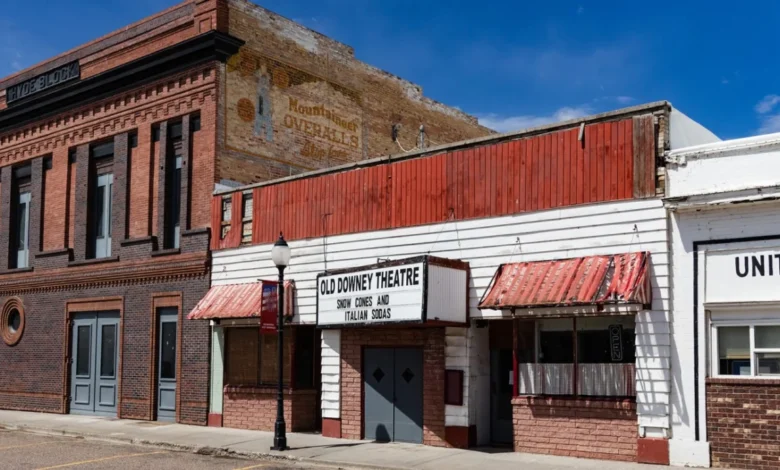
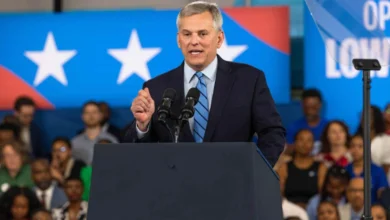
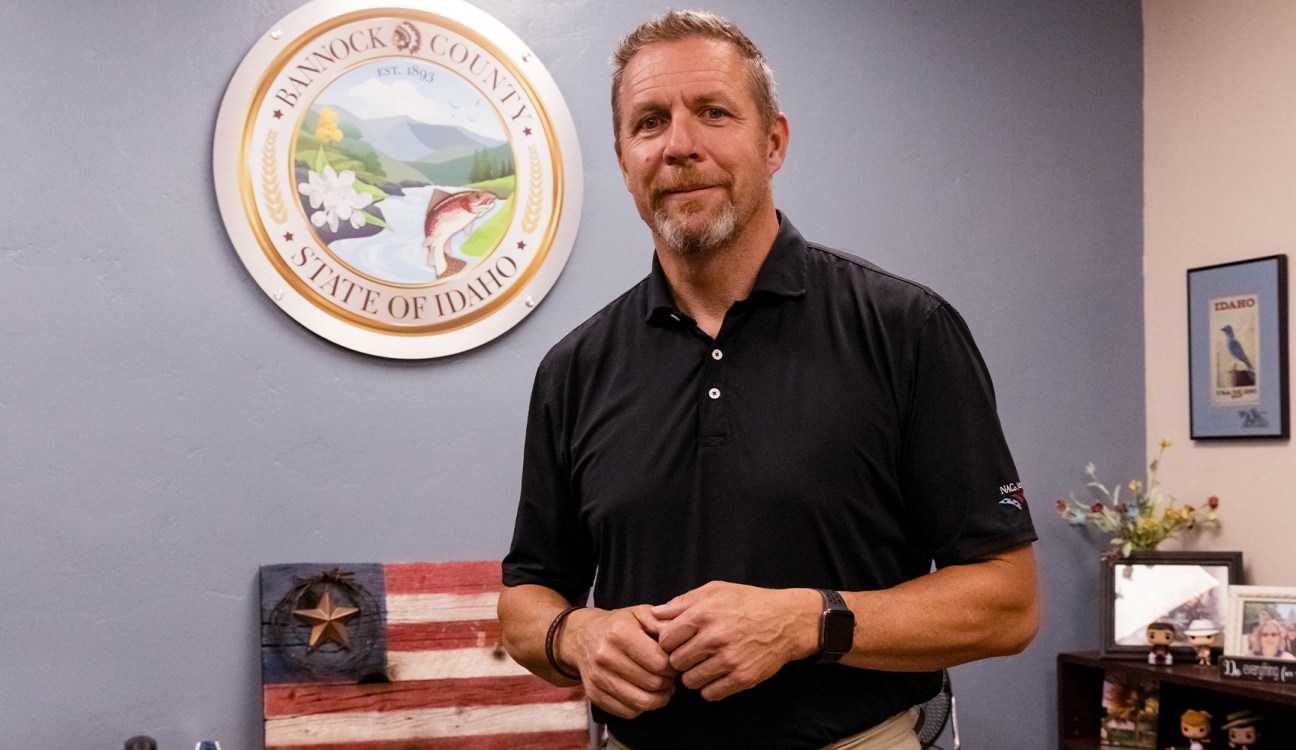
In the spring of 2024, a packed courthouse in Bannock County, Idaho, became the battleground for a fiercely contested vote that would ban utility-scale solar and wind developments. Jeff Hough, then a county commissioner who quoted the Declaration of Independence to defend private property rights, found himself the lone dissenter as his fellow commissioners passed a strict moratorium. Today, Hough has risen to chair the county commission, and he is leading a concerted push to reverse the landmark ban. This autumn, Bannock County’s three-person commission is scheduled to review and vote on a revised land-use ordinance that would reintroduce solar and wind energy development alongside emerging nuclear technologies.
The impending decision serves as a bellwether for rural communities across the United States grappling with the intersection of clean energy expansion, local autonomy, and economic survival. As energy demands skyrocket across the Pacific Northwest and agricultural economies face mounting pressures from climate change, Bannock County’s reconsideration highlights the complex negotiations shaping the nation’s rural grid transition.
The National Context of Clean Energy Restrictions
The debate in Bannock County mirrors a broader national trend regarding renewable energy infrastructure. According to analyses by the Daily Yonder, Canary Media, USA Today, and the Sabin Center for Climate Change Law at Columbia University, nearly one in four U.S. counties implemented a ban, moratorium, or significant impediment to clean energy development by 2025, marking an increase from 15 percent in 2023. More than 60 percent of these restrictive counties are classified as rural under criteria established by the U.S. Office of Management and Budget.
These local pushbacks often stem from concerns over land use, agricultural preservation, industrial aesthetics, and emergency response capabilities. However, bucking this restrictive national movement could prove vital for regions experiencing surging electricity consumption. Idaho Power, the state’s largest electric utility, projects that regional electricity demand will grow by approximately one gigawatt—a 26 percent leap—by 2030. Industry advocates emphasize that regional infrastructure expansion is no longer optional. Aaron Menenberg, Idaho policy manager for Renewable Northwest, noted that the imperative to construct new generation capacity is critical for the state’s economic vitality, leaving little margin to refuse viable energy sources.
Chronology of the Bannock County Debate
The legislative trajectory in Bannock County unfolded rapidly over a multi-year period:
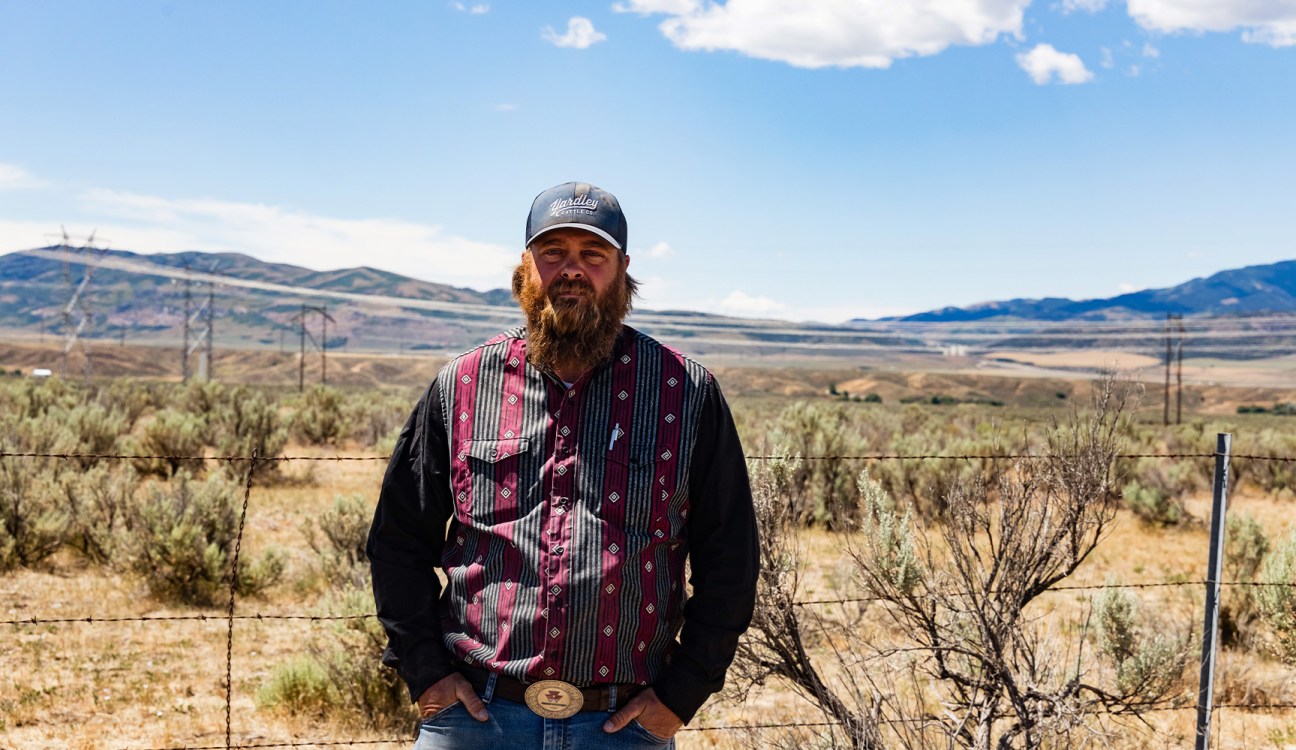
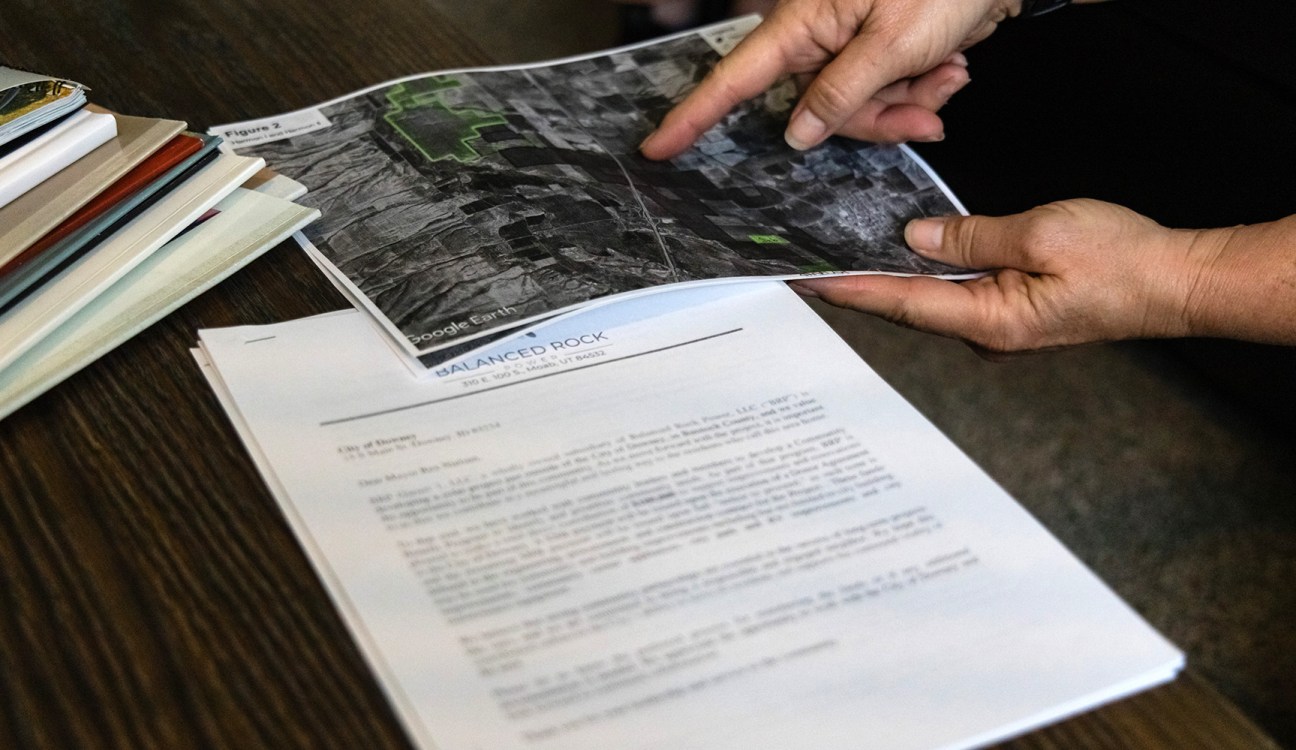
- Late 2021: Local landowner Lytton Bastian signs a five-year preliminary land lease with Balanced Rock Power for a portion of his acreage near the strategic Populus substation.
- Fall 2023: Following the Idaho Association of Counties conference in Boise—where large-scale developments like the canceled Lava Ridge Wind Project dominated discussions—County Commissioner Jeff Hough acts to prevent unregulated development. On October 12, 2023, the commission enacts a six-month moratorium on utility-scale energy projects to draft regulatory oversight.
- February 2024: Public opposition intensifies. A highly attended public hearing moves from the courthouse to a local high school auditorium, where residents overwhelmingly testify against solar development.
- March 2024: The county commission votes 2–1 to extend the moratorium and effectively enact a ban on utility-scale wind and solar projects, with Hough casting the sole dissenting vote. Hecate Energy subsequently terminates its local land-option contracts and withdraws from the county.
- May 2024: Former Commissioner John Crowder, who supported the ban, wins strong support in rural Downey during primary elections, though pro-solar candidate Ken Bullock secures an open commission seat.
- May 2026: Commissioner Hough successfully defends his seat against an anti-solar primary challenger, winning 70 percent of the vote in Downey despite localized opposition.
- August 2025–2026: Balanced Rock Power formally withdraws its federal application for a secondary public-land project (Harmon II) to focus entirely on private parcels, pending the county’s upcoming ordinance revision.
- Fall 2026: The Bannock County Commission prepares to vote on a comprehensive land-use ordinance allowing wind, solar, and nuclear energy development.
Economic Realities and Agricultural Pressures
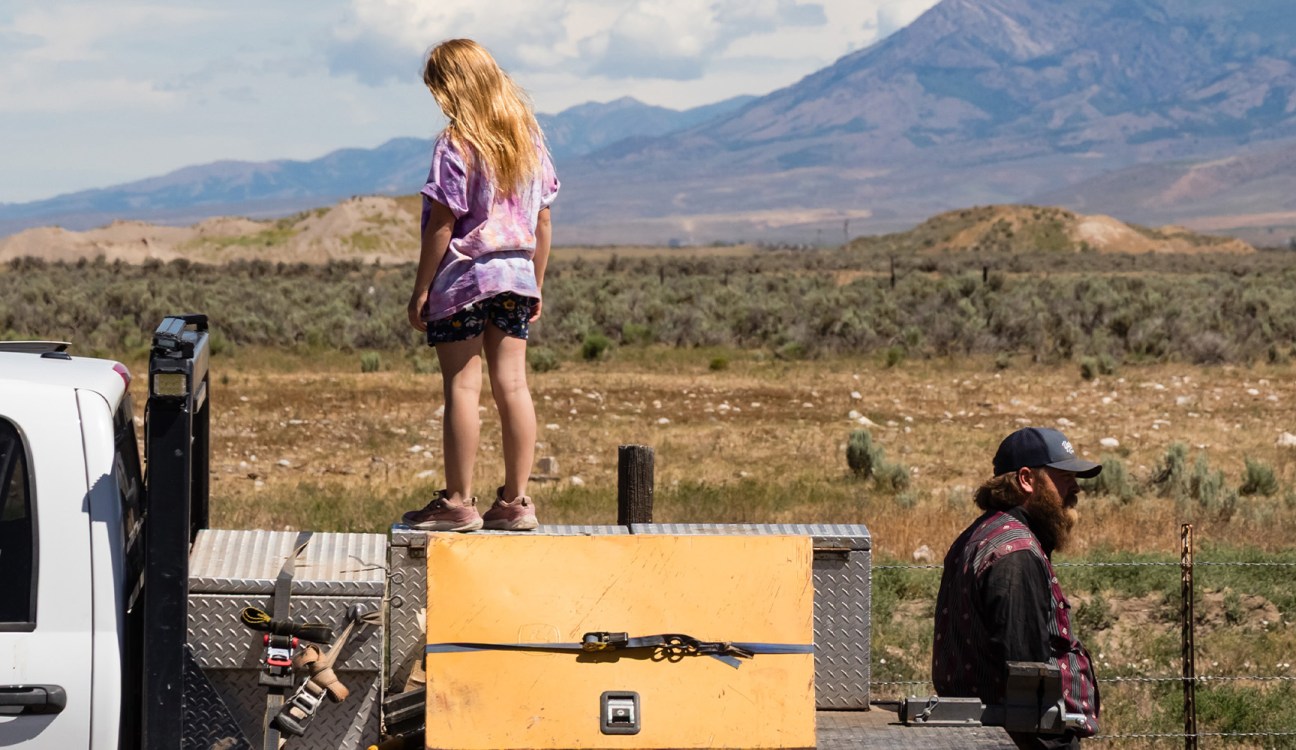
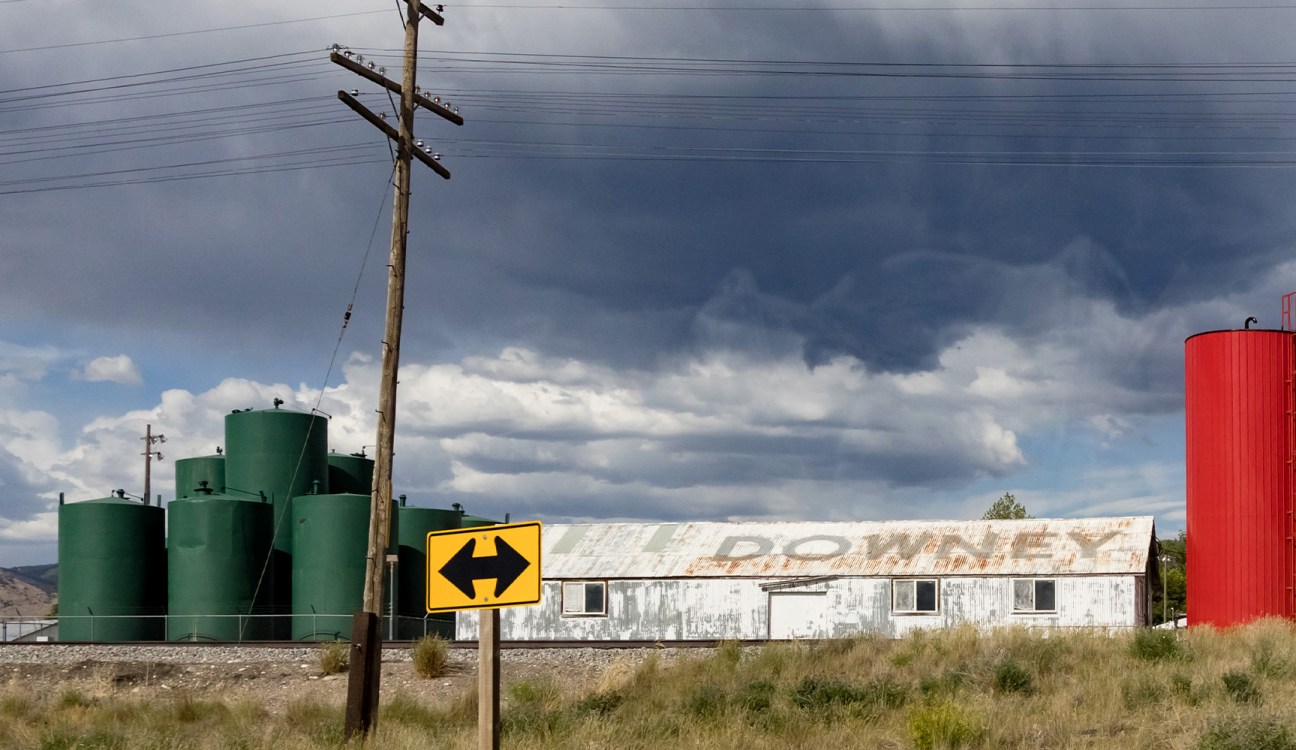
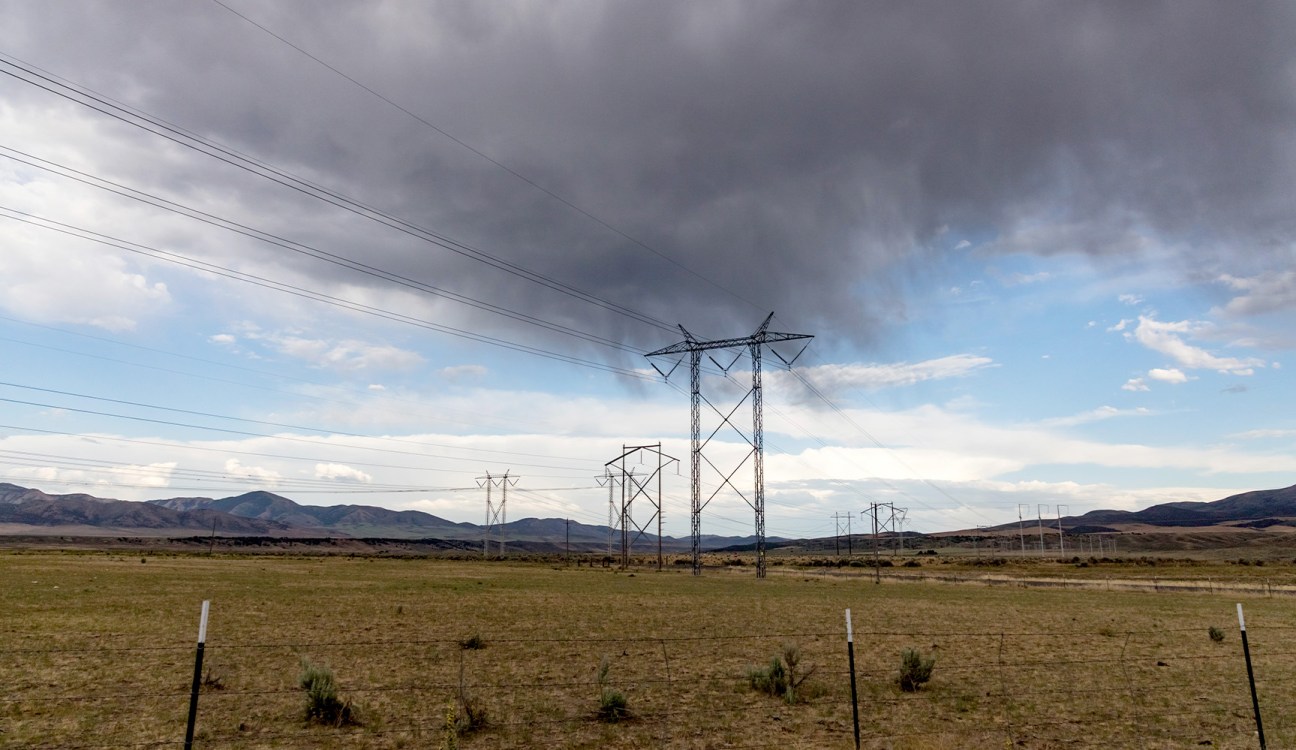
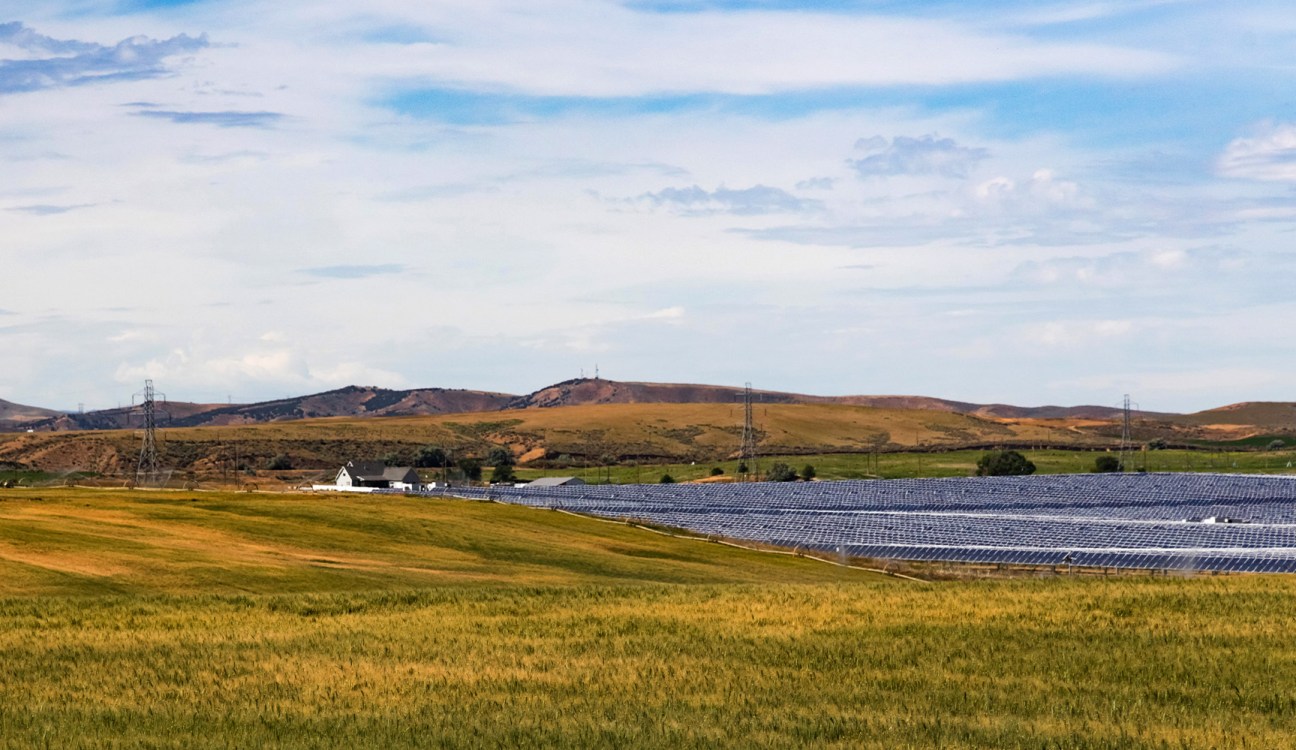
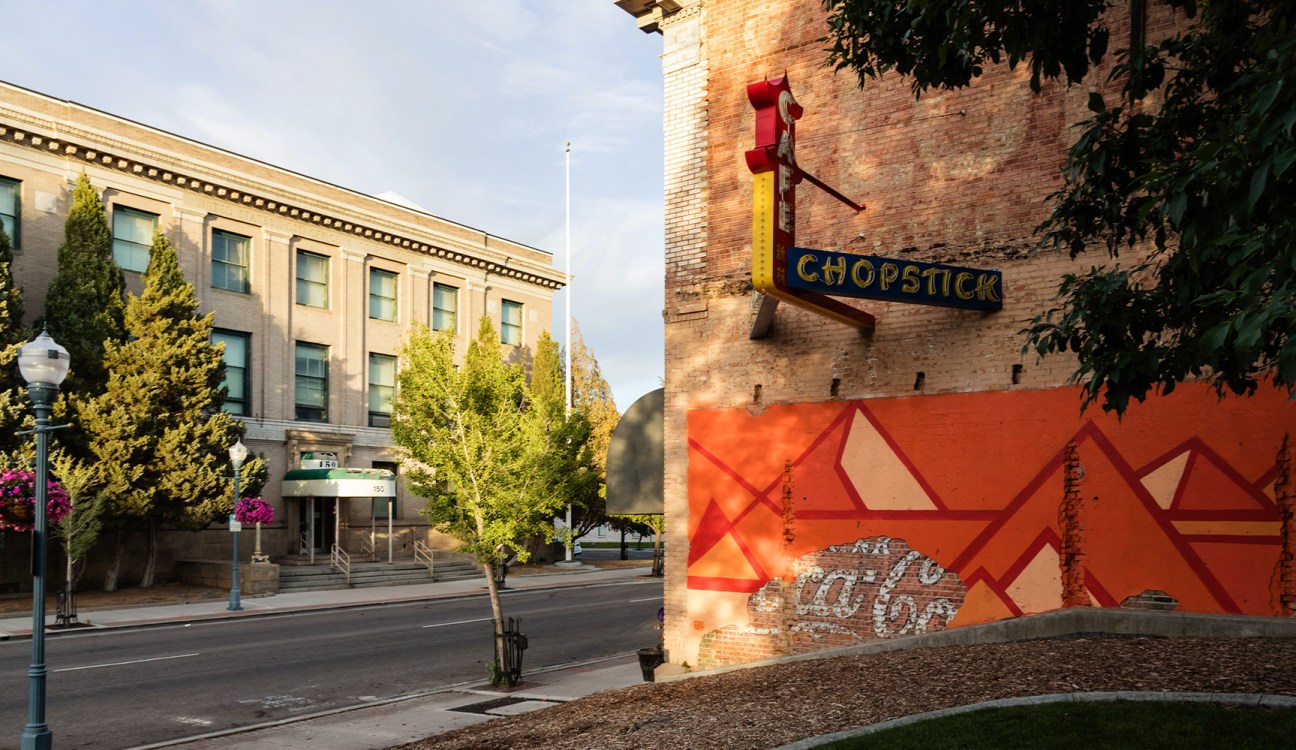
At the heart of the Bannock County schism is the changing economic viability of traditional family farming. Located in a scenic valley north of Salt Lake City, the county features the Populus substation—a major electrical grid intersection connecting Idaho, Utah, Wyoming, and the Pacific Northwest. Siting power generation near existing transmission infrastructure significantly reduces connection costs, offering potential savings for utility ratepayers.
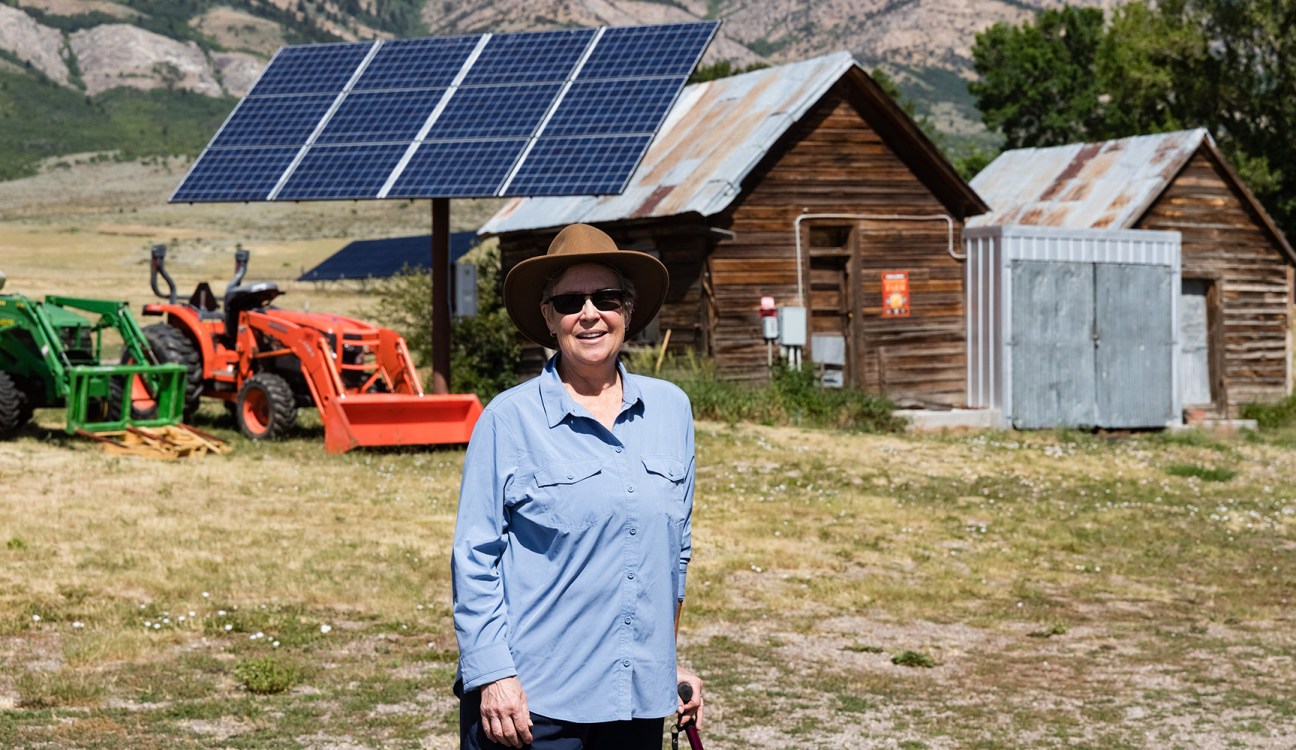
Yet, local proponents of renewable leases emphasize an even more pressing motivation: financial survival in an era of worsening drought and climate stress. Lifelong Downey grain farmer Steve Criddle, whose family history in the area dates back to 1876, notes that declining moisture levels have severely impacted dryland farming. Fields that previously yielded hundreds of bales of hay now produce a fraction of that amount, forcing farmers to purchase supplemental feed and seek external income sources.
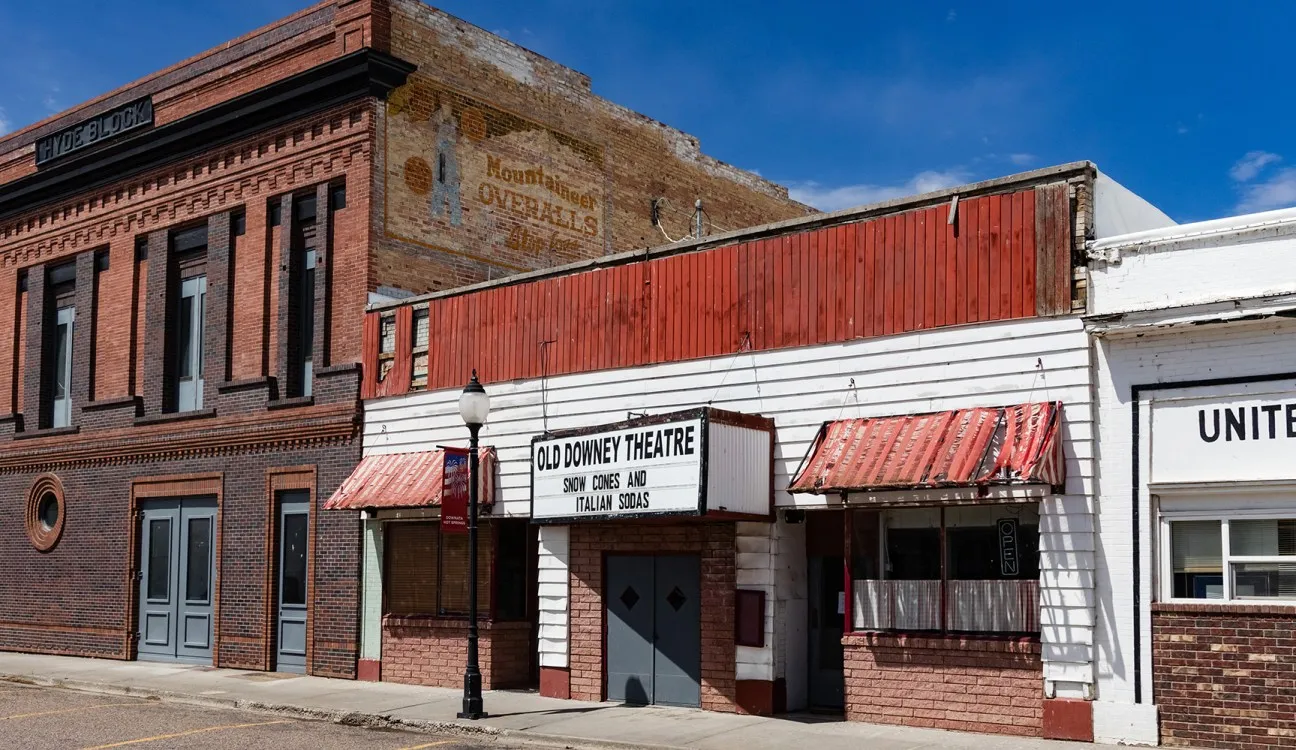
Neighboring counties illustrate the fiscal incentives of renewable installations. In 2024, clean energy projects in Power and Bingham counties generated approximately $909,000 and $639,000, respectively, in local tax revenues. Proponents argue that similar funds could help revitalize Downey, which has steadily lost essential community services, including its grocery store, pharmacy, bank, and rural hospital. Landowners who signed option contracts with developers like Hecate Energy and Balanced Rock Power report projected per-acre incomes four to five times higher than traditional wheat cultivation alone.
Community Division and Property Rights
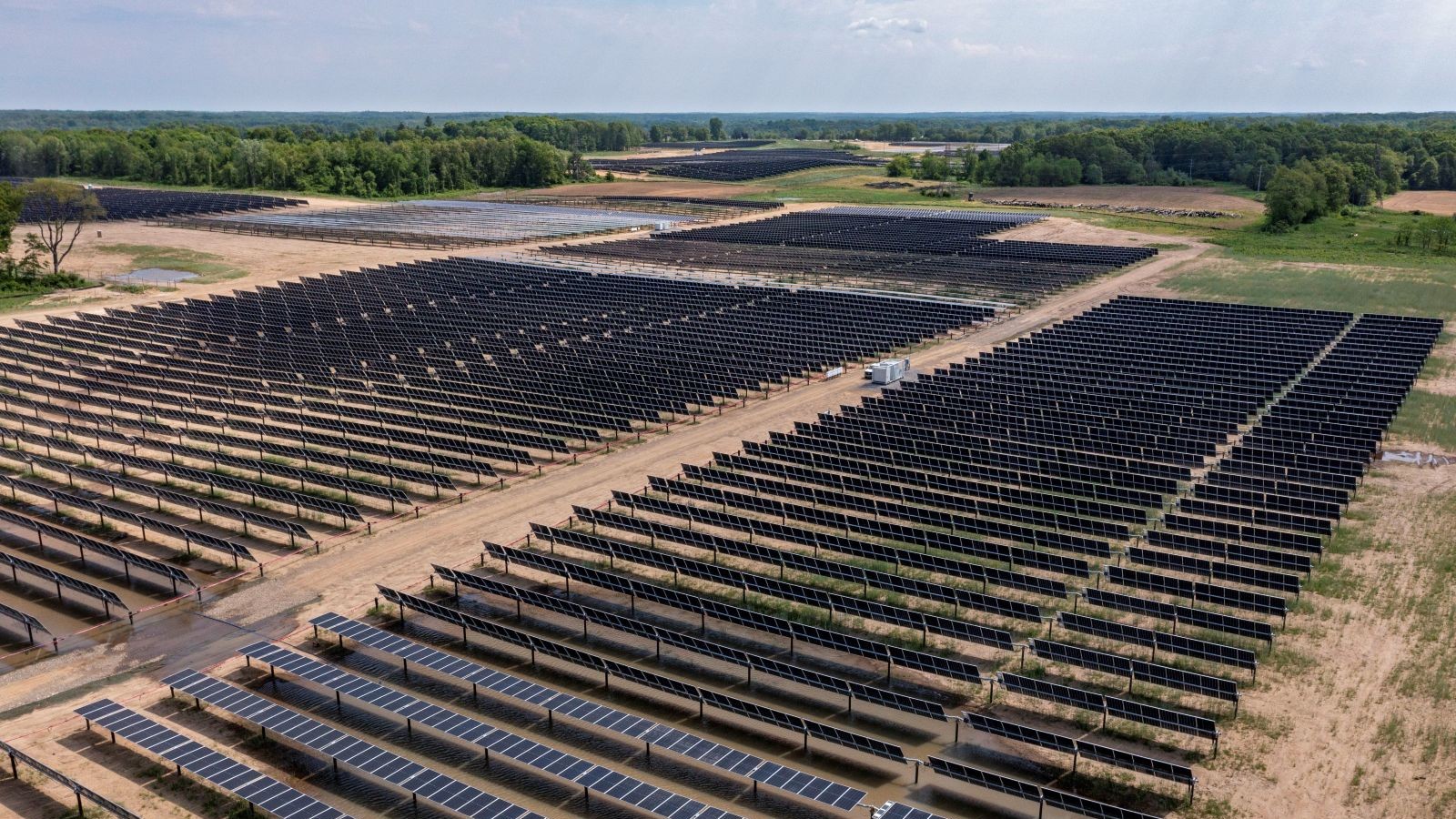
Despite the potential financial windfall, a vocal segment of rural Bannock County residents remains deeply opposed to utility-scale solar installations. Led by community organizers such as Rebecca Falcon and Dez Hauser, anti-solar advocates argue that industrial energy projects permanently alter the agricultural character of the valley and diminish scenic rural views already impacted by high-voltage transmission lines and the Populus substation.
Opponents have also raised concerns regarding long-term site decommissioning guarantees, potential groundwater depletion, and emergency response readiness for lithium-ion battery energy storage system (BESS) fires. Volunteer fire departments in Downey and neighboring Lava Hot Springs previously communicated concerns regarding their preparedness to manage large-scale battery incidents without specialized equipment.
In response, developers and local officials have integrated strict regulatory guardrails into the draft ordinance slated for the autumn vote. The proposed framework mandates that developers post decommissioning bonds, submit comprehensive land restoration plans to return sites to pre-construction conditions after an estimated 35-to-40-year lifespan, and financially assist local fire districts with specialized training and safety equipment.
The Nuclear Consensus and Future Outlook
Interestingly, public opinion surveys within Bannock County reveal an overwhelmingly favorable perspective toward advanced nuclear energy, with roughly 90 percent of survey respondents expressing support. Given the region’s proximity to the Idaho National Laboratory (INL)—a premier center for advanced nuclear research—and major regional nuclear initiatives like Bill Gates-backed TerraPower’s Natrium reactor project under construction in neighboring Wyoming, local stakeholders view nuclear technology as a preferable alternative to solar land footprints.
However, industry analysts note that commercial small modular reactors (SMRs) and advanced microreactors remain years—if not a decade—away from widespread commercial deployment, facing substantial engineering, regulatory, and fuel supply chain hurdles. Recognizing this timeline, Commissioner Hough and other supporters argue that Bannock County cannot afford to reject immediate economic opportunities like solar and wind while waiting for nuclear infrastructure to mature.
As the Bannock County Commission approaches its definitive vote this fall, the outcome will depend heavily on the shifting perspectives of commissioners like Ernie Moser, who has acknowledged that initial apprehensions regarding renewable safety have subsided through continued education and dialogue. Whether Bannock County ultimately opens its doors to a diversified energy portfolio or maintains its restrictive stance will set a significant precedent for rural counties nationwide attempting to balance heritage, property rights, and the evolving demands of the American energy grid.
Related posts: