MIPCOM Evolution: How the Cannes TV Market Is Reinventing Itself for the Creator Economy and AI Era

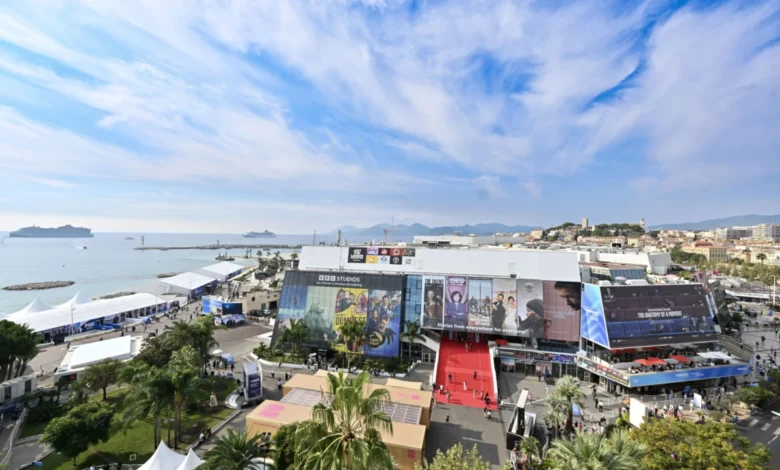
The global television and entertainment landscape is undergoing a massive structural transformation, and the industry’s premier annual gathering in the South of France is determined to keep pace. As October approaches, bringing thousands of international delegates to the Palais des Festivals, MIPCOM is aggressively shedding its old reputation as a traditional buy-and-sell market for television programs. Under the leadership of Lucy Smith, the event’s organizers at RX France are engineering a strategic pivot. While program distribution remains the foundational backbone of the market, the modern reality of the media business demands a far broader remit—one that actively embraces the creator economy, advanced artificial intelligence, branded entertainment, and innovative IP sourcing.
For decades, the standard pilgrimage to Cannes in October was straightforward: studio executives, network buyers, and global distributors converged on the Croisette to acquire finished tapes, pre-fund scripted dramas, and lock in broadcast rights. However, a confluence of macroeconomic pressures, corporate consolidation, and shifting consumer habits has permanently disrupted this traditional pipeline. Today, acquiring executives walk the halls of the Palais with tighter budgets and constrained purchasing power, while major media conglomerates face mounting pressures to streamline operations. Recognizing that survival depends on anticipation rather than reaction, Smith and her team are positioning MIPCOM not merely as a marketplace, but as a comprehensive ecosystem designed to navigate the turbulent waters of modern media finance and digital disruption.
The Historical Context: Two Decades of Industry Shifts
To understand the magnitude of MIPCOM’s current strategic pivot, one must examine the evolution of the event over the past two decades. Lucy Smith, who attended her first MIPCOM in 2006 and now oversees the entire operation, has witnessed firsthand the cyclical nature of the television industry. In the years following the 2008 financial crisis, the market adapted to the rise of multi-channel networks and early digital syndication. By the mid-2010s, the explosive growth of subscription video-on-demand (SVOD) streaming services catalyzed a golden age of high-budget content production, inflating budgets and driving unprecedented demand for proprietary intellectual property.
However, the post-pandemic landscape of 2023 and 2024 brought a sobering reality check. Wall Street’s pivot from subscriber growth to profitability squeezed traditional funding sources, leading to widespread contractions, layoffs, and a sharp reduction in greenlit scripted projects. Traditional studios began pulling back on expansive, isolated activations, signaling the dawn of an era defined by efficiency and consolidation. Industry watchers note that corporate mergers and joint ventures—such as the evolving footprints of major players like Warner Bros., Paramount, Banijay, and All3Media—mean that the physical exhibition floor of Cannes will look significantly different by the time MIPCOM 2027 arrives. Medium and small-scale distributors, long the lifeblood of the international indie market, have felt the squeeze acutely, forcing them to seek alternative revenue models and collaborative co-production structures just to maintain viability.
Embracing the Creator Economy and Digital Powerhouses
In response to these shrinking traditional budgets and the migration of audiences to digital platforms, RX France has systematically expanded MIPCOM’s scope. The initial phase of this evolution involved deep dives into co-production models and Free Ad-supported Streaming TV (FAST) channels, addressing the industry’s desperate need for alternative monetization strategies. Soon after, the focus widened to encompass branded entertainment and the burgeoning creator economy, a move validated by digital giants recognizing the necessity of traditional industry connectivity.
The watershed moment for this digital integration arrived when YouTube established its largest-ever presence at MIPCOM, signaling a mutual desire to bridge the gap between Silicon Valley-style content creation and traditional Hollywood production pipelines. This trajectory reaches a new milestone this year with Dhar Mann Studios kicking off the pre-market proceedings. Renowned digital powerhouse Dhar Mann and DMS CEO Sean Atkins are set to jointly deliver a headline keynote session on the Sunday before the official market launch on Monday.
This high-profile inclusion underscores a profound industry truth: creator-led businesses are no longer a peripheral novelty; they are actively reshaping the global media landscape. Traditional studios, facing audience fragmentation and changing consumption habits among younger demographics, are actively seeking partnerships with digital-first creators who possess direct, highly engaged fanbases. By serving as the connective tissue between legacy media companies and creator-led studios, MIPCOM is positioning itself as the indispensable nexus where digital innovation meets institutional scale.
The Rise of Branded Entertainment and MIP BrandWorks
As traditional advertising models fracture, brands are increasingly looking to embed themselves directly into compelling content to maintain cultural relevance. Recognizing this multi-billion-dollar shift, RX France is launching MIP BrandWorks this year, building upon a successful initial partnership with BrandStorytelling established last year. Dentsu has signed on as the headline partner for this new venture, which aims to institutionalize branded entertainment discussions within the Cannes framework.
The strategy is clear: if content creators need brands for funding and visibility, and brands need content for cultural cut-through, MIPCOM intends to act as the primary gateway. Smith emphasizes that the event aims to become the definitive global home for branded entertainment. By facilitating direct dialogues between marketing executives, brand managers, and traditional content producers, the market opens up vital alternative revenue streams at a time when conventional television funding remains under intense pressure.
Navigating the Artificial Intelligence Frontier
No discussion of modern media transformation is complete without addressing artificial intelligence, a technology reshaping every facet of the entertainment supply chain from scriptwriting and pre-visualization to localization and workflow optimization. To address this head-on, MIPCOM is introducing the MIP AI Entertainment Forum, operating in strategic partnership with Versos AI and Protégé.
The forum is structured around three core pillars designed to demystify and integrate AI within the traditional entertainment framework: the production side (encompassing studios and independent producers), the operational workflow piece, and the complex legal landscape of rights and licensing. Rather than viewing AI as an existential threat or a mere tech-sector novelty, the forum provides a dedicated space for content professionals to engage with tech innovators, ensuring that the integration of artificial intelligence respects intellectual property rights while unlocking new efficiencies in content creation and distribution.
The Power of Critical Mass in a Hybrid World
Despite the proliferation of virtual pitching, remote video conferences, and digital screeners, MIPCOM continues to command a unique position in the global events calendar. While travel budgets remain tightly monitored and overall delegate numbers may not match the historical peaks of the pre-streaming boom, no other international event successfully gathers roughly 10,000 key decision-makers in a single location for an intensive week of networking and dealmaking.
This critical mass remains the ultimate Unique Selling Proposition (USP) for Cannes in October. In an industry defined by rapid evolution and high financial risk, face-to-face interaction remains irreplaceable when forging complex co-productions, multi-platform brand partnerships, and cross-sector alliances between legacy studios and digital disruptors.
Looking Ahead: Dealmaking at the Crossroads of Media
While the film festival and the Cannes Lions advertising festival have long defined the Croisette through high-profile glamour, glittering photocalls, and star-studded evening galas, MIPCOM retains a distinctly pragmatic, business-first identity. The glittering backdrop of the French Riviera provides an inspiring venue, but the fundamental metric of success for the thousands of executives walking the Palais des Festivals remains tangible, forward-moving transactions.
As the television industry continues its rapid metamorphosis into a hybrid ecosystem encompassing traditional broadcast, streaming, branded content, creator-driven digital video, and AI-assisted workflows, the mandate for MIPCOM is unambiguous. By continuously redefining its scope and expanding its infrastructure to welcome new market segments, the event seeks to ensure that October in Cannes remains the absolute epicenter where the future of global entertainment is forged, negotiated, and set into motion.