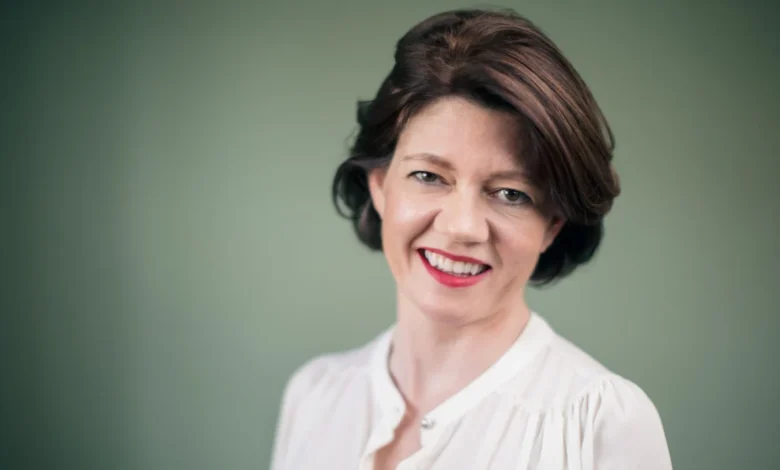
London, UK – In a significant move set to shape the future of British independent cinema, Isabel Davis has been appointed the new Director of the BFI Filmmaking Fund. Davis, a highly respected figure with a deep understanding of the UK film landscape, will officially take up her five-year fixed-term position in October 2026, marking a return to the BFI after a successful eight-year tenure as Executive Director of Screen Scotland. Her appointment signals a renewed focus on nurturing homegrown talent and bolstering the economic and creative resilience of the UK’s vibrant independent film sector.
Davis’s extensive experience at Screen Scotland saw her play a pivotal role in developing and implementing strategies to support Scottish film production, talent development, and international promotion. Prior to her impactful leadership in Scotland, she served a considerable period at the BFI itself, including holding the crucial position of Head of International. This dual experience provides her with a unique vantage point, understanding both the specific needs of regional film bodies and the global reach and ambitions of British filmmaking. Her return to the BFI Filmmaking Fund, a cornerstone of UK independent film funding, is widely seen as a strategic appointment aimed at navigating the current challenges and opportunities within the industry.
She succeeds Mia Bays, who has led the Filmmaking Fund since October 2021. During Bays’s tenure, the fund supported a diverse range of critically acclaimed and commercially successful projects. Notable films backed by the BFI under her direction include the Irish-language musical comedy Kneecap, which garnered significant international attention, the poignant drama My Father’s Shadow, and the BAFTA-winning animated short Two Black Boys in Paradise. These selections underscore the BFI’s commitment to supporting bold, diverse, and innovative storytelling, a legacy Davis is poised to continue and build upon.
BFI CEO Ben Roberts lauded the appointment, emphasizing Davis’s dedication to the independent film sector. "Isabel is tenacious when it comes to doing the right thing for UK independent film and filmmakers," Roberts stated. "This is such a huge job, a cornerstone of UK independent film, and Isabel brings experience, passion, and a national and a global outlook, and a firm commitment to fairness and public service. She will be an asset to the film community and the BFI." Roberts’ endorsement highlights Davis’s perceived ability to champion the interests of filmmakers, foster a supportive ecosystem, and ensure the BFI’s funding mechanisms remain equitable and effective.
The recruitment process was a comprehensive undertaking, spearheaded by BFI CEO Ben Roberts and Deputy CEO Harriet Finney. The selection panel included esteemed industry professionals, reflecting a commitment to rigorous and well-informed decision-making. Producers Elizabeth Karlsen and Hakan Kousetta, both BFI board members, contributed their expertise, alongside Nicky Bentham, co-chair of Pact’s Film Producers’ Group. This multi-faceted approach ensured a thorough evaluation of candidates, drawing on diverse perspectives from production, industry policy, and strategic oversight.
In her own statement, Davis expressed her profound honour and sense of responsibility upon accepting the role. "I am honoured to be stepping into this role at a time when this public funding is critical to building a successful future for UK film and the public value it represents," she remarked. Her words convey a clear understanding of the BFI Filmmaking Fund’s vital function as a public service, essential for fostering creative independence and ensuring the cultural and economic contributions of British cinema.
Davis candidly addressed the current climate for independent film. "It’s a challenging moment for UK independent film, economically and structurally," she acknowledged. This sentiment resonates with industry observers who have noted the pressures on independent production due to rising costs, shifts in distribution models, and evolving audience consumption habits. However, she quickly pivoted to a more optimistic outlook, highlighting the enduring strength of the sector. "But audience appetite for great stories, and for the communal experience of cinema-going, is strikingly resurgent and our filmmaking talent continues to be among the world’s best." This dual acknowledgment of challenges and opportunities underscores her pragmatic yet ambitious approach.
Her vision for the Filmmaking Fund centers on empowering filmmakers to create impactful work. "Enabling filmmakers to produce work that connects with a broad range of audiences across the UK – through ambition, inventiveness and heart – has to be at the core of our response," Davis articulated. This focus on audience engagement, coupled with an emphasis on creative ambition and innovation, suggests a strategic direction aimed at ensuring British films not only achieve artistic merit but also resonate widely with domestic and international viewers. She concluded her forward-looking statement with a balanced perspective: "Daunting, yes, but exciting too."
A key aspect of Davis’s commitment is her pledge to bring a truly pan-UK perspective to her role. "I’ll bring my experience in Scotland to this role, and with it a truly UK-wide perspective on the BFI’s support of independent film," she stated. "So Scotland hasn’t seen the last of me – nor indeed have Northern Ireland, Wales and the English regions." This explicit commitment signals an intention to foster greater collaboration and support for filmmakers and production across all constituent nations of the United Kingdom, addressing potential regional disparities and ensuring that opportunities are accessible nationwide. This focus on a unified, yet regionally sensitive, approach to funding is likely to be a defining feature of her directorship.
The BFI Filmmaking Fund has a proven track record of identifying and nurturing talent, consistently backing films that achieve critical acclaim and festival success. Recent examples of films supported by the fund include Shalini Adnani’s Our Share of Sand, slated for screening at the prestigious Venice Film Festival, Theo Rhys’s Stuffed, which premiered at the Toronto International Film Festival and stars Jodie Comer and Harry Melling, and Clio Barnard’s I See Building Fall Like Lightning, which earned the People’s Choice award in the Directors’ Fortnight at Cannes. These diverse projects highlight the fund’s commitment to a wide spectrum of genres, styles, and thematic concerns, from intimate dramas to ambitious international productions.
Supporting Data and Industry Context
The appointment of Isabel Davis comes at a critical juncture for the UK film industry. Recent industry reports and analyses highlight both significant strengths and considerable challenges.
- Economic Contribution: The UK film and TV industry is a major economic driver. In 2022, the British film industry generated an estimated £6.27 billion in gross value added (GVA), with inward investment continuing to be a substantial component. However, the independent sector, which the BFI Filmmaking Fund primarily supports, faces unique funding pressures distinct from high-budget inward investment productions.
- Funding Landscape: Public funding, primarily through the BFI, remains indispensable for independent British films, which often struggle to secure significant private investment. The BFI Filmmaking Fund plays a crucial role in de-risking projects for other financiers and enabling films that might otherwise not get made.
- Talent Pipeline: The UK boasts a world-renowned talent pool, from emerging directors and writers to experienced craftspeople. Ensuring a sustainable pipeline of opportunities and development support is vital for retaining this talent within the UK.
- Audience Trends: While cinema attendance has shown resilience and recovery post-pandemic, the rise of streaming services has altered distribution and consumption patterns. Independent films often rely on theatrical releases to build cultural impact and generate revenue, making effective distribution strategies crucial.
- Structural Challenges: The industry continues to grapple with issues such as diversity and inclusion, regional inequalities in production and talent development, and the impact of global economic fluctuations on production budgets.
Implications of the Appointment
Isabel Davis’s appointment is likely to have several significant implications for UK independent film:
- Renewed Emphasis on UK-Wide Support: Her commitment to a pan-UK perspective suggests a potential strengthening of support for filmmakers and production across Scotland, Wales, Northern Ireland, and the English regions. This could translate into more targeted initiatives and increased funding accessibility for diverse geographical areas.
- Strategic Navigational Skills: Her experience at both a national body (BFI) and a regional one (Screen Scotland) positions her well to understand and address the intricate funding and distribution challenges faced by independent filmmakers in the current climate.
- Focus on Audience Engagement and Ambition: Davis’s stated priority of enabling filmmakers to connect with broad audiences through ambition, inventiveness, and heart indicates a strategic direction that balances artistic integrity with commercial viability and cultural impact.
- Continuity and Evolution: While she succeeds Mia Bays, Davis’s own extensive background at the BFI suggests a degree of continuity in the fund’s core mission, coupled with the potential for new strategic directions informed by her recent experiences.
The BFI Filmmaking Fund’s role is more critical than ever. As the industry navigates economic headwinds and evolving audience behaviours, leadership that combines deep industry knowledge, a commitment to public service, and a forward-looking vision is paramount. Isabel Davis’s appointment signals a strategic strengthening of the BFI’s commitment to fostering a thriving and diverse UK independent film sector for years to come.