Honoring Otis: A Tribute to the Legendary Brown Bear Whose Zen Fishing Style Captured the World

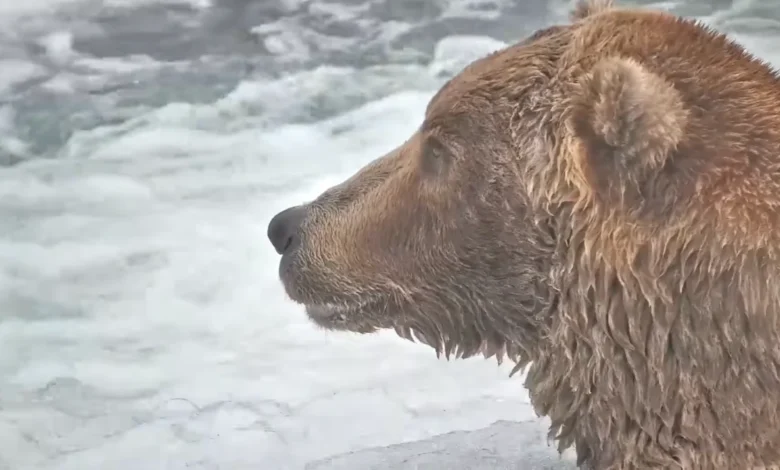
The wilderness of Alaska’s Katmai National Park and Preserve is vast, rugged, and defined by the raw, unyielding power of nature. Yet, for over a decade, a single brown bear (Ursus arctos) managed to captivate millions of screens worldwide, offering a tranquil window into the brutal yet majestic cycle of the Alaskan ecosystem. Bear #480, universally known and adored as Otis, became a global icon of patience, survival, and internet-era conservation. Years after his passing in 2024, his enduring legacy is being celebrated through a newly released video tribute, Love Letters to Otis, distributed by explore.org. This retrospective not only honors the ursine ambassador but also highlights the profound cultural and ecological impact of a bear who taught millions to appreciate the delicate balance of the Bristol Bay watershed.
The Genesis of a Global Phenomenon
Otis first stepped into the public eye in 2013, early in the operational history of explore.org’s live-streaming webcams at Brooks Falls. At the time, online wildlife streaming was still a relatively novel medium, but the intimate, uninterrupted view of Katmai’s brown bear population quickly garnered a dedicated following. Among the dozens of bears frequenting the rushing waters of the river, Otis stood out.
Unlike the younger, more aggressive males who dominated prime fishing spots through sheer force and intimidation, Otis relied on a different strategy. Possessing a steadfast, almost meditative patience, he would claim a specific spot on the left side of the falls—affectionately dubbed "Otis’s Office"—and wait for hours. His distinct, remarkably zen approach to fishing involved minimal movement and maximum efficiency, conserving precious energy while securing ample calories for the upcoming winter hibernation.
This calm demeanor resonated deeply with audiences around the world. For many viewers, watching Otis navigate the river provided a soothing psychological anchor, a dynamic that reached unprecedented heights during the COVID-19 pandemic lockdowns in 2020. Confined to their homes, millions turned to the Katmai webcams as a virtual escape, finding solace in the rhythmic splashing of the waterfall and the unflappable focus of an aging brown bear securing his meals.
A Dynasty Built on Blubber: Fat Bear Week History
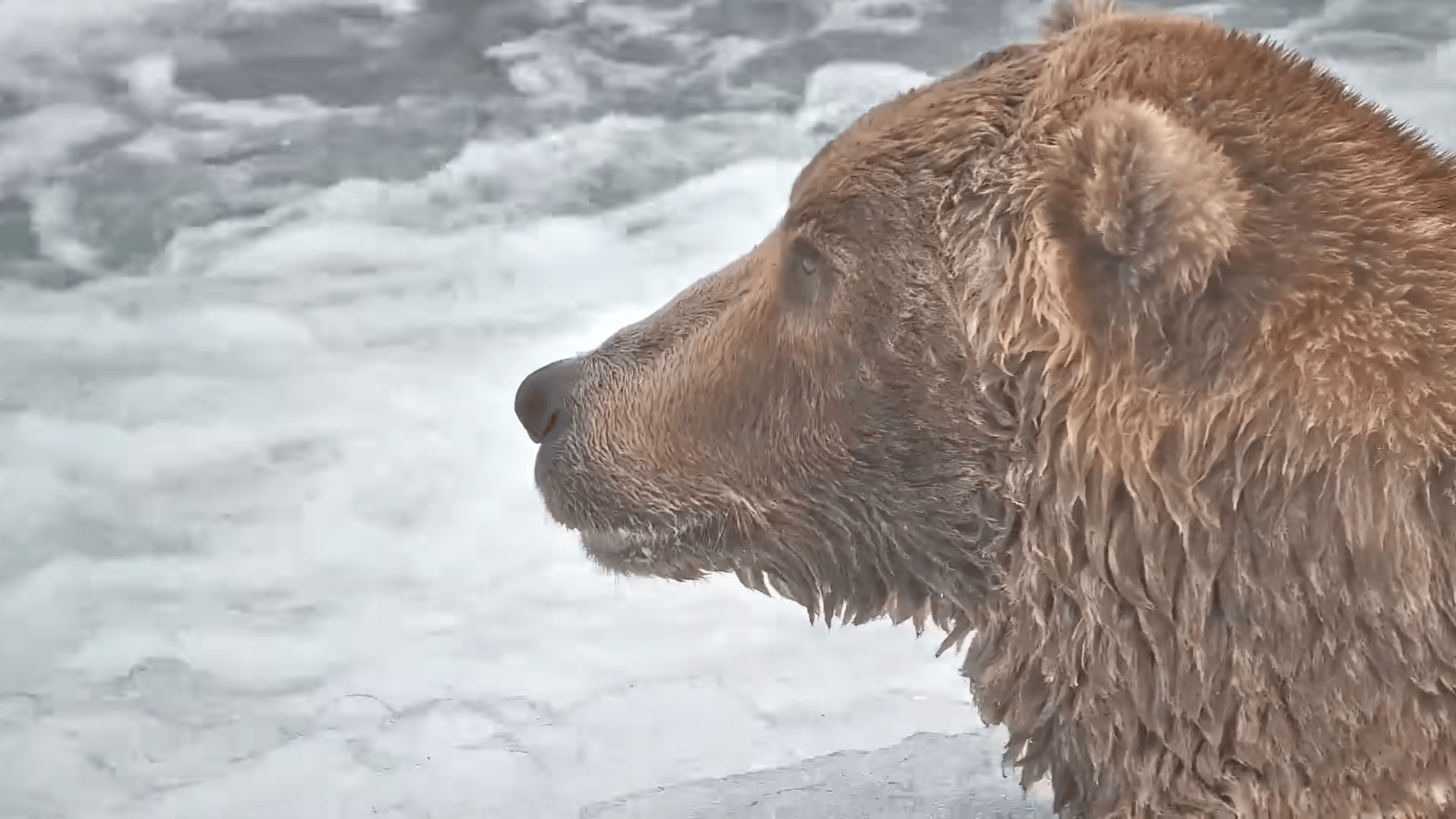
Otis’s cultural footprint expanded exponentially with the creation of Fat Bear Week, an annual tournament-style event hosted by Katmai National Park and Explore.org to celebrate the bears’ successful foraging efforts prior to denning. In 2014, during the competition’s early iterations—then known as Fat Bear Tuesday—Otis claimed the inaugural crown.
His knack for dramatic seasonal transformations made him a perennial favorite. Entering the summer as a lean, weathered survivor and emerging in the autumn as an absolute titan of mass, Otis demonstrated the biological pinnacle of ursine preparation. He went on to secure the coveted Fat Bear Week championship title three additional times: in 2016, 2017, and a historic, highly celebrated victory in 2021.
By his later years, Otis had visibly aged. Fans and park rangers watched with tender concern as he returned to the river missing teeth and displaying the physical wear and tear typical of an elderly wild animal. Yet, season after season, he adapted. Candice Rusch, Director of New Media at explore.org, vividly recalled an October 2021 encounter when a severe snowstorm blanketed the park and sent most other bears retreating into the forest. Otis remained unfazed, sitting calmly in the freezing river amidst falling snow, patiently fishing until the very end of the season.
The Life Cycle of Katmai’s Brown Bears
To understand Otis is to understand the rigorous environmental pressures faced by brown bears in southwest Alaska. Katmai National Park and Preserve supports one of the densest and healthiest populations of brown bears in the world, largely due to the region’s prolific salmon runs.
Beginning in late June, millions of Pacific salmon migrate from the ocean up the Bristol Bay watershed to spawn in freshwater streams, including the Brooks River. This biological bonanza provides the high-fat, high-protein nutrition that bears require to survive the winter months, during which they enter a state of dormancy known as torpor, living entirely off their accumulated fat reserves.
While male brown bears in the wild have an average lifespan of approximately 22 years, exceptional individuals can live up to 34 years under optimal conditions. Otis managed to survive to an advanced age, navigating the intense competition for fishing territory, shifting climate patterns, and the physical decline of senescence. When Otis passed away in 2024, exact biological confirmation of his cause of death was impossible—as wildlife managers refrain from outfitting Katmai’s protected bears with tracking collars or invasive monitoring devices—but rangers concluded that he likely succumbed to natural causes associated with old age.

Ecosystem Ambassador and Conservation Impact
While Otis provided immeasurable entertainment and emotional comfort to his human admirers, his most significant role was that of an ecological ambassador. Mike Fitz, a former National Park Service ranger and resident naturalist for explore.org, noted that Otis’s immense popularity served as a gateway for public education regarding broader environmental issues.
“His steadfast patience and determination when fishing at Brooks Falls gave many people a sense of calm,” Fitz remarked. “He was an ambassador for his species who helped people fall in love with Brooks River and its bears and, in turn, [worked] to protect the salmon runs that sustain the Bristol Bay ecosystem.”
The affection generated by Otis and his fellow bears directly translates into tangible conservation support. The Katmai Conservancy established the Otis Fund, a dedicated annual autumn fundraiser designed to support scientific research, habitat conservation, and educational outreach programs within the national park. Since its inception in 2020, the initiative has mobilized remarkable public generosity, raising over $4 million to safeguard the pristine wilderness that allowed Otis to thrive.
Preserving a Legacy Through Love Letters to Otis
The newly released documentary short, Love Letters to Otis, synthesizes the emotional archive of a decade’s worth of streaming data, fan art, and ranger commentary. The film features physical letters and creative tributes sent by dedicated viewers from across the globe, illustrating the deep, parasocial bonds formed between humans sitting behind computer screens and a wild animal surviving in the remote Alaskan wilderness.
Even years after his final season at Brooks Falls, Otis’s presence looms large over Katmai National Park. He remains a gold standard for what Fat Bear Week represents: not merely a celebration of sheer biological mass, but a testament to resilience, adaptation, and the complex beauty of a thriving natural world. As future generations of bears return to the rushing waters of the Brooks River each summer, the legacy of Bear #480 endures, reminding humanity of the profound tranquility found in the wild and the shared responsibility to protect it.
Related posts: