Eight Years After California’s Deadliest Wildfire, the Paradise Unified School District Experiences an Unlikely Demographic Rebound

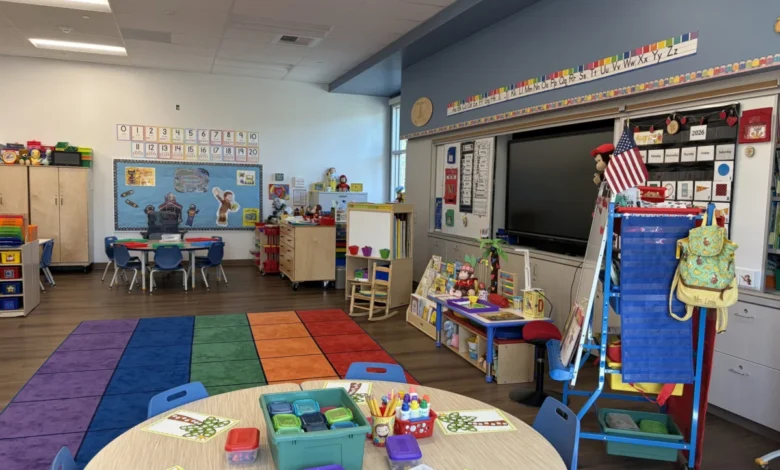
In the smoke-choked weeks following the catastrophic Camp Fire of November 2018—California’s deadliest and most destructive wildfire on record—assessing the future of the Northern California community felt nearly impossible. For Jake Timm, the director of facilities, maintenance, and operations for the Paradise Unified School District (PUSD), surveying a landscape where 85 percent of the town’s buildings had been reduced to ash and nearly every district campus had sustained severe damage, the horizon was bleak. At the time, Timm estimated it could take 15 to 20 years for the local student population to recover sufficiently to justify refilling the district’s schools.
“I don’t think we knew exactly what we were stepping into,” Timm recalled, reflecting on the initial damage assessments conducted while parts of the mountain town were still smoldering.
Yet, nearly eight years later, the trajectory of PUSD has defied those grim initial projections. While nationwide school districts face severe enrollment declines driven primarily by plummeting birthrates—with California experiencing some of the most pronounced drops in the country—Paradise is seeing a steady, unexpected influx of younger families. Today, district enrollment stands at 1,817 students. Though this figure represents roughly 53 percent of pre-fire numbers, it has triggered a rapid acceleration in rebuilding efforts, shifting a community once characterized as a retirement haven into a magnet for affordable mountain living and new housing development.
Chronology of Destruction and Displacement
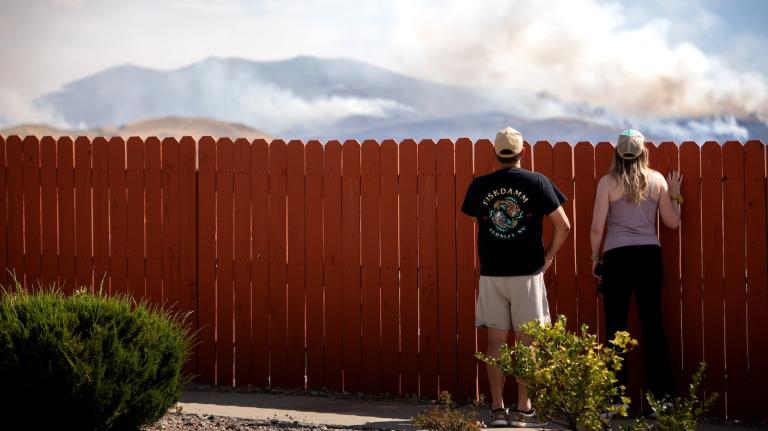
The 2018 Camp Fire fundamentally reshaped Butte County in a matter of hours, moving with a ferocity supercharged by high winds and bone-dry vegetation. Just two days prior to the blaze, local residents had passed a $61 million general obligation bond aimed at modernizing aging facilities and completing routine maintenance. That fleeting moment of civic optimism was instantly replaced by mass evacuation orders.
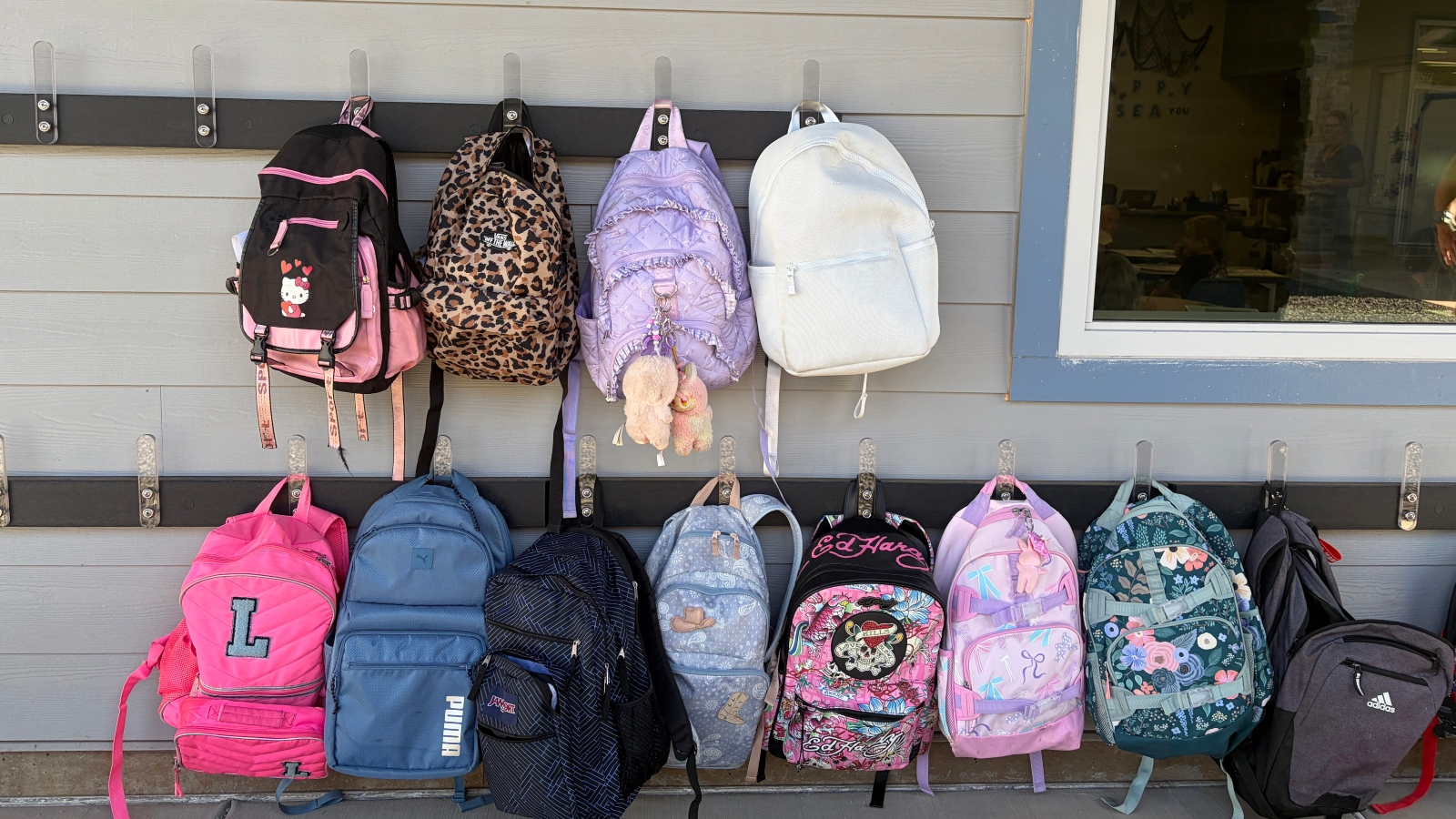
In the immediate aftermath, the displacement was absolute. Tens of thousands of residents lost their homes, and students were scattered across Butte County in makeshift learning environments. The junior high school operated out of a local hardware store, while the town’s two high schools transitioned to independent study programs housed in drop-in hours at a regional shopping mall. Meanwhile, displaced elementary students from Paradise Elementary and Ponderosa Elementary were absorbed by neighboring school districts in classrooms located 20 miles away.
Only two district campuses—Pine Ridge Elementary and Cedarwood Elementary, located in the neighboring community of Magalia to the northeast—survived the fire largely unscathed and were able to reopen quickly. For the rest of the district, the path to physical reconstruction required a multi-phase master plan approved by the school board in April 2020. Initially, rebuilding Paradise Elementary was deferred indefinitely, pending a verifiable return of families to the burn scar.
Demographic Shifts and the Draw of Affordability
The demographic makeup of Paradise has shifted significantly in the wake of the disaster. Historically known as a quiet community with a high concentration of senior citizens, the town’s post-fire reality opened up vast swaths of vacant land and empty lots as older residents and homeowners opted not to rebuild.
This inventory of available property, combined with relatively affordable real estate prices compared to nearby urban centers like Chico, began to attract a younger demographic. City officials and the Paradise Ridge Chamber of Commerce capitalized on this shift, launching aggressive marketing campaigns—such as "Make It Paradise"—that emphasized attainable homeownership, advanced fire-preparedness infrastructure, and brand-new educational facilities.
By 2021, demographic data indicated that the majority of newly constructed homes were being purchased by households moving to the area for the first time. Surveys of these new arrivals reveal a shared sense of excitement about participating in a civic "blank slate," alongside a belief that the risk of another catastrophic fire is diminished following the clearing of millions of dead trees and heavy vegetation from the burn scar. More than 97,200 total trees were officially removed from the burn area by state and local agencies in the years following the disaster.
Rebuilding the Physical Infrastructure
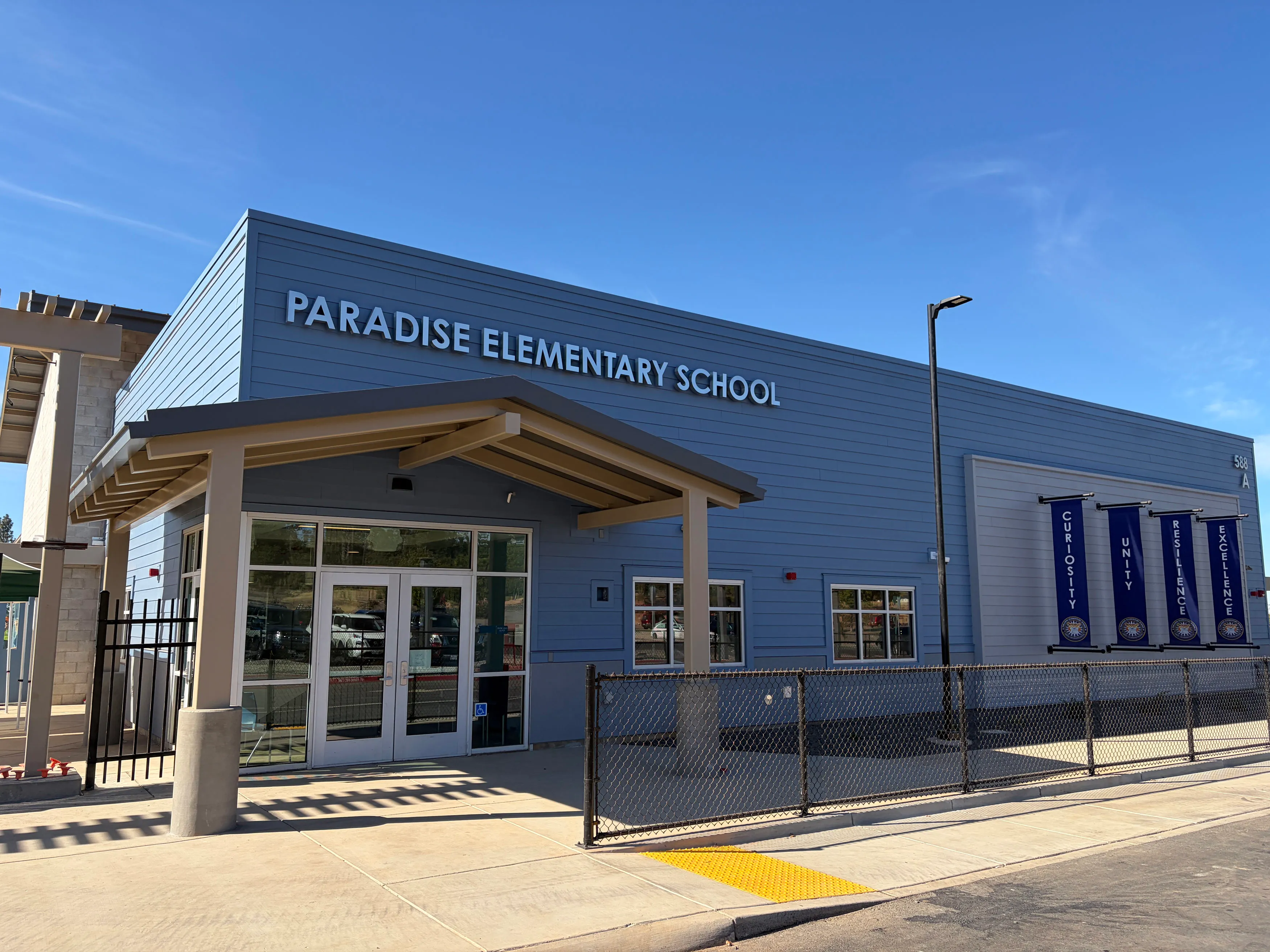
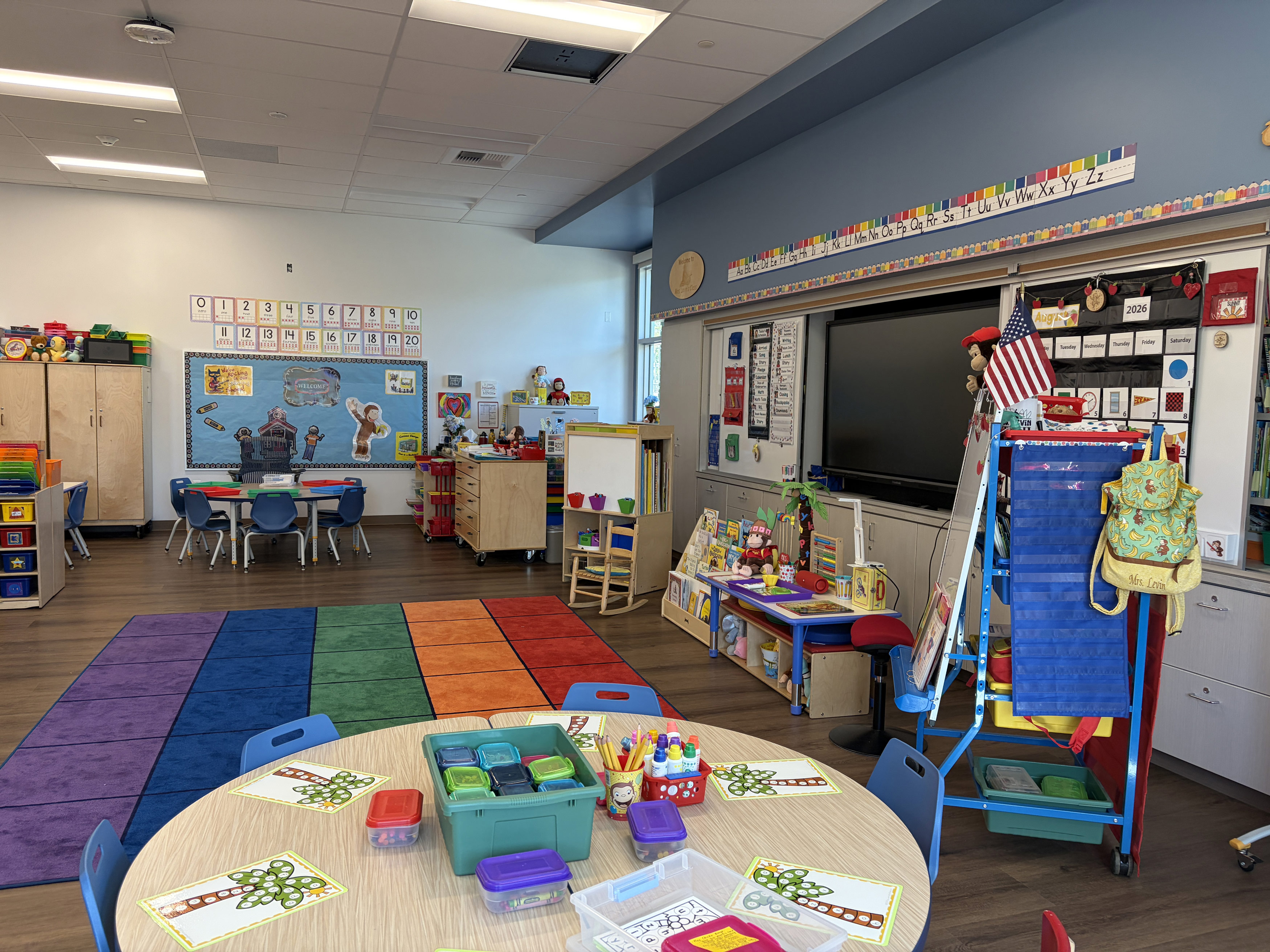
The physical rebuilding of the district reached a major milestone this fall with the reopening of the newly reconstructed Paradise Elementary School. Originally omitted from the immediate post-fire capital outlay plans, the elementary school population rebounded far faster than anticipated. Enrollment at the combined temporary elementary site grew from roughly 300 students to nearly 500 by the 2024–25 academic year, driven in large part by an influx of nearly 100 incoming kindergartners.
This localized growth has made Paradise one of California’s fastest-growing municipalities in terms of recovery pace, with student enrollment rebounding even quicker than the overall municipal population. An average of roughly 80 new students now enter the district each year.
However, the physical completion of schools does not erase the deep psychological and academic disruptions experienced by students who lived through the disaster. The educational journey of children in Paradise reflects a long tail of recovery that mirrors broader academic research on the impacts of climate-driven extreme weather.
Academic Hurdles and the Long Tail of Disaster Recovery
A growing body of academic literature highlights the profound toll that natural disasters take on student achievement and institutional stability. In the short term, school closures and displacement reliably lead to chronic absenteeism and depressed test scores. Over the long term, researchers have correlated childhood exposure to natural disasters with fewer years of completed schooling, which subsequently impacts higher education attainment and lifetime earning potential.
In Paradise, these systemic trends are clearly visible in current educational metrics. More than a quarter of PUSD students are classified as chronically absent—a rate exceeding the statewide average by over 10 percentage points. While graduation rates have recovered and now hover slightly above state averages, academic performance indicators reveal ongoing struggles. In standardized mathematics testing, Paradise students lag significantly behind statewide benchmarks, scoring an average of 65.9 points below proficiency levels, compared to a statewide deficit of 38.9 points.
Experts note that losing a school is rarely an isolated event; rather, it is one component of a total disruption of a child’s sense of normalcy, community stability, and social infrastructure. Lindsey Nenadal, an associate professor of child development at California State University, Chico, and a former Paradise Elementary student, emphasizes that the multi-layered loss experienced by families leaves lasting impressions that extend well beyond graduation.
For students like Kaydence Mosher, who was in the fifth grade when the Camp Fire destroyed both her home and Ponderosa Elementary, the transition through middle and high school was defined by upheaval. Struggling with the social disconnect of integrating into a surviving school where peers had not lost their homes, followed closely by pandemic-era lockdowns, Mosher felt perpetually academically behind. Now 18, a student at Butte College, and an employee at the local Boys & Girls Club, she frequently works with younger children who have either moved to town post-disaster or are too young to remember the event firsthand.
Broader Implications for Vulnerable School Districts Nationwide
The challenges faced by Paradise Unified are part of an increasingly urgent national conversation regarding climate change, infrastructure resilience, and public education. Research from Brown University’s SustainableED initiative indicates that approximately 25 percent of all public schools in the United States are located within census tracts designated as facing very high risk from at least one environmental hazard, including wildfires, hurricanes, extreme heat waves, and coastal flooding.
As climate-driven disasters increase in frequency and severity across the American West and beyond, other districts are grappling with the same agonizing decisions about resource allocation and school consolidation. In Southern California, the Pasadena Unified School District faced severe community pushback earlier this year when officials weighed school consolidations in the aftermath of the January 2025 Eaton Fire, which destroyed over 9,000 buildings. Displaced families and students argued passionately that neighborhood schools served as critical anchors of stability in a traumatized community. Similarly, in Maui, Hawaii, community members engaged in protracted negotiations with state education officials over the relocation and rebuilding of the historic King Kamehameha III Elementary School following the devastating 2023 wildfires.
Closer to Paradise, the tiny, rural Golden Feather Union Elementary School District continues to struggle with a much slower recovery in the lower-income community of Concow, where severe water system damage shuttered Concow Elementary indefinitely. Students there remain bused to a repurposed campus eight miles away near Oroville.
Looking Forward
Despite the lingering academic hurdles, demographic data and building permits suggest that Paradise’s unique brand of community resilience will continue to draw families seeking affordable homeownership and a tight-knit small-town environment. The district’s ability to reopen its final shuttered campus this fall marks a symbolic turning point, transforming the town from a disaster zone into an active, growing municipality.
For the families unpacking boxes in newly constructed homes along cleared ridge roads, the focus has shifted from mourning what was lost to establishing roots in a rebuilt landscape—proving that even in the wake of total devastation, educational systems can serve as the primary engine for civic renewal.