Paramount and Warner Bros Discovery secure historic antitrust settlement clearing path for media mega-merger

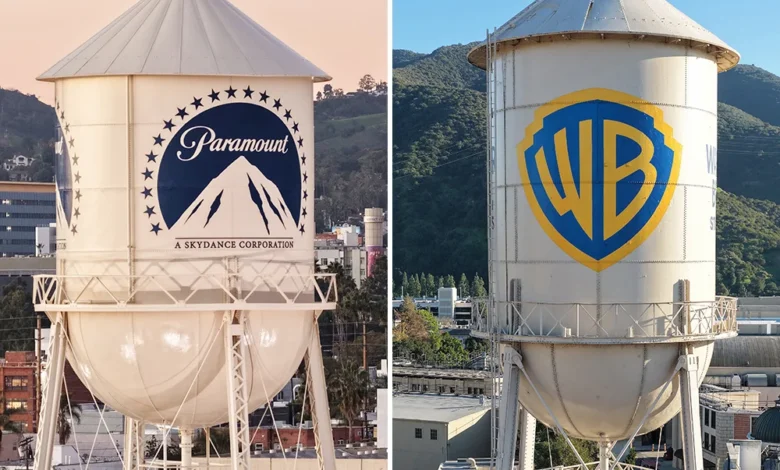
The landscape of the global entertainment industry shifted significantly this week as the details of a landmark antitrust settlement between Paramount and a coalition of 12 states were unveiled. This legal resolution effectively clears the final major regulatory hurdle for the takeover of Warner Bros. Discovery (WBD) by Paramount, a consolidation that stands as the largest merger in the history of Hollywood. The agreement, forged after intense, high-stakes negotiations, provides a blueprint for how one of the world’s most powerful media conglomerates will operate, ensuring that the legacy of American cinematic production remains anchored in California while maintaining rigorous standards for journalistic integrity.
The settlement concludes a period of profound uncertainty for the entertainment sector. For months, the potential deal had been cast in doubt by antitrust concerns regarding market concentration and the fear that a combined entity would leverage its size to dominate theatrical distribution and cable carriage negotiations. By agreeing to a comprehensive set of oversight measures and investment mandates, Paramount—led by chief David Ellison—has secured the green light to move forward with a transformative corporate strategy that will combine two of the most iconic libraries in film history.
A Chronology of the Mega-Merger
The road to this settlement was characterized by a series of aggressive maneuvers and legislative pressure. The initial reports of a potential combination between the two giants sent shockwaves through the industry in early 2026. As the deal took shape, concerns regarding the potential migration of production infrastructure away from California began to dominate the discourse.
In mid-2026, David Ellison publicly signaled a willingness to move Paramount’s operations out of California if the regulatory environment remained hostile to the deal. This threat to "pull up stakes" prompted an immediate and firm response from California officials, including Attorney General Rob Bonta, who viewed the potential loss of the historic Paramount and Warner Bros. lots as an existential threat to the state’s economy and cultural heritage.
Following the October 1 deadline—a date that had served as the pivot point for the negotiations—the discussions shifted into a "marathon weekend" of back-and-forth between the legal teams representing the 12 states and the merging entities. The final agreement, now pending judicial approval, represents a compromise that balances corporate expansion with public interest mandates, specifically targeting the protection of jobs, the sustainability of the theatrical model, and the firewalling of news divisions.
Ensuring the Future of Theatrical Production
One of the most significant components of the settlement is the commitment to domestic film production. The merged entity has pledged an additional $300 million in annual spending on film production within the United States, specifically exceeding the baseline established in 2025. This mandate is intended to serve as a bulwark against the trend of "runaway production," where major studios often seek cheaper labor and tax incentives in international markets.
Furthermore, the company has committed to a minimum output of 30 theatrically released films per year. This requirement serves as a direct response to the "streaming-first" strategies that have dominated the industry over the past five years. By locking the new company into a robust theatrical release schedule, the regulators have ensured that the cultural influence of the big screen remains a priority, despite the profitability of digital platforms. Failure to meet these thresholds carries the risk of forced divestiture, a severe penalty that underscores the gravity of the commitments made by the new ownership.
The Preservation of Physical Infrastructure
The agreement mandates that the iconic studio lots associated with both Paramount and Warner Bros. remain in operation. For decades, these locations have been the epicenter of Hollywood’s creative output. The settlement explicitly prohibits the sale or repurposing of these properties, effectively securing their status as hubs for production, soundstage operations, and post-production services. This provision serves to protect thousands of unionized jobs and preserves the physical history of the film industry, a key demand from labor organizations such as the WGA, which had closely monitored the merger’s potential impact on the local workforce.
Safeguarding Journalistic Independence
Perhaps the most sensitive aspect of the merger involves the consolidation of two of the world’s most influential news organizations: CNN and CBS News. To alleviate concerns regarding media consolidation and the potential for corporate influence over objective reporting, the settlement requires the creation of a "News Editorial Independence Board."
This body will function as an autonomous entity tasked with setting and enforcing editorial standards. The structure is designed to act as a firebreak between the commercial interests of the parent corporation and the journalistic missions of the news outlets. To ensure that these principles are not merely symbolic, the settlement mandates both an internal "compliance monitor" and an independent "monitoring trustee." This oversight architecture is further reinforced by a "State Committee" comprised of representatives from five states, providing a layer of public-sector accountability that is highly unusual for private media corporations.
Economic and Industry Implications
The financial structure of the new entity will be closely watched by investors. The settlement mandates separate negotiations for the distribution of basic cable channels for the next five years. By restricting the ability of the combined company to bundle its vast array of channels in a way that could stifle competition, regulators are attempting to preserve a competitive landscape for cable providers and, by extension, for consumers. The prohibition on using confidential, cross-company data during affiliate fee negotiations is a critical guardrail designed to prevent the new conglomerate from using its combined leverage to engage in predatory pricing.
From an industry perspective, this merger signals a consolidation of "legacy media" intended to create a more effective competitor against the tech giants—specifically Amazon, Apple, and Netflix—that have dominated the streaming era. By achieving this scale, Paramount-Warner Bros. aims to rationalize its content spend and leverage its massive intellectual property archives, including the DC Universe, the Star Trek franchise, and the vast Warner Bros. film library.
Official Statements and Regulatory Outlook
In his statement following the agreement, David Ellison struck a tone of reconciliation and commitment. "We are grateful to Attorney General Bonta and his fellow AGs, as well as the WGA, for engaging in good faith to find a path forward," Ellison said. "Our shared aim was an outcome that best serves consumers, workers and—most importantly—the creative community so vital to the art of visual storytelling."
The settlement has been met with cautious optimism by industry analysts. While the regulatory burden is significant, the clarity provided by the settlement allows the companies to begin the complex process of integration. The oversight provided by the court and the state-appointed committee will ensure that the merger does not proceed in a vacuum, but rather under the constant scrutiny of those tasked with protecting the public interest.
Conclusion: A New Era for Hollywood
As the dust settles on the negotiations, the focus now shifts to the implementation phase. The merger of Paramount and Warner Bros. Discovery is not merely a corporate transaction; it is a profound restructuring of American culture-making infrastructure. With a mandate to prioritize domestic production, a guaranteed volume of theatrical films, and a rigorous, independent framework for news, the new entity will be operating under a set of rules unlike any other major studio.
Whether these commitments will be sufficient to ensure the continued vitality of the American film industry remains to be seen. However, by establishing this settlement, regulators have provided a framework that prioritizes the stability of the workforce and the integrity of the information ecosystem—two pillars that will define the success of this historic union for years to come. The final approval from the court is expected in the coming weeks, at which point the work of integrating these two massive organizations will officially begin.
Related posts: