Viral Claims of Mass Pilot Groundings Over Wi-Fi Misuse Lack Evidence and Official Substantiation

A viral social media narrative alleging that 120 airline pilots have been grounded due to the unauthorized use of inflight Wi-Fi has sparked widespread debate across aviation forums and digital platforms. The claim, which originated from an anonymous screenshot circulating on Reddit, X (formerly Twitter), and Facebook, suggests that the Federal Aviation Administration (FAA) has initiated a sweeping investigation into the personal internet habits of flight crews, purportedly leading to the freezing of pilot certificates and the seizure of mobile devices. Despite the intensity of the digital discourse, there is currently no verifiable evidence to support the existence of a mass grounding or a coordinated federal crackdown of this nature.
The Anatomy of a Digital Rumor
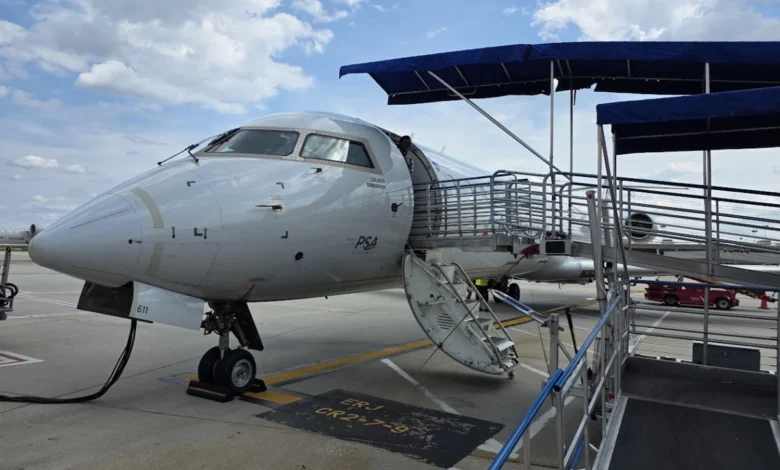
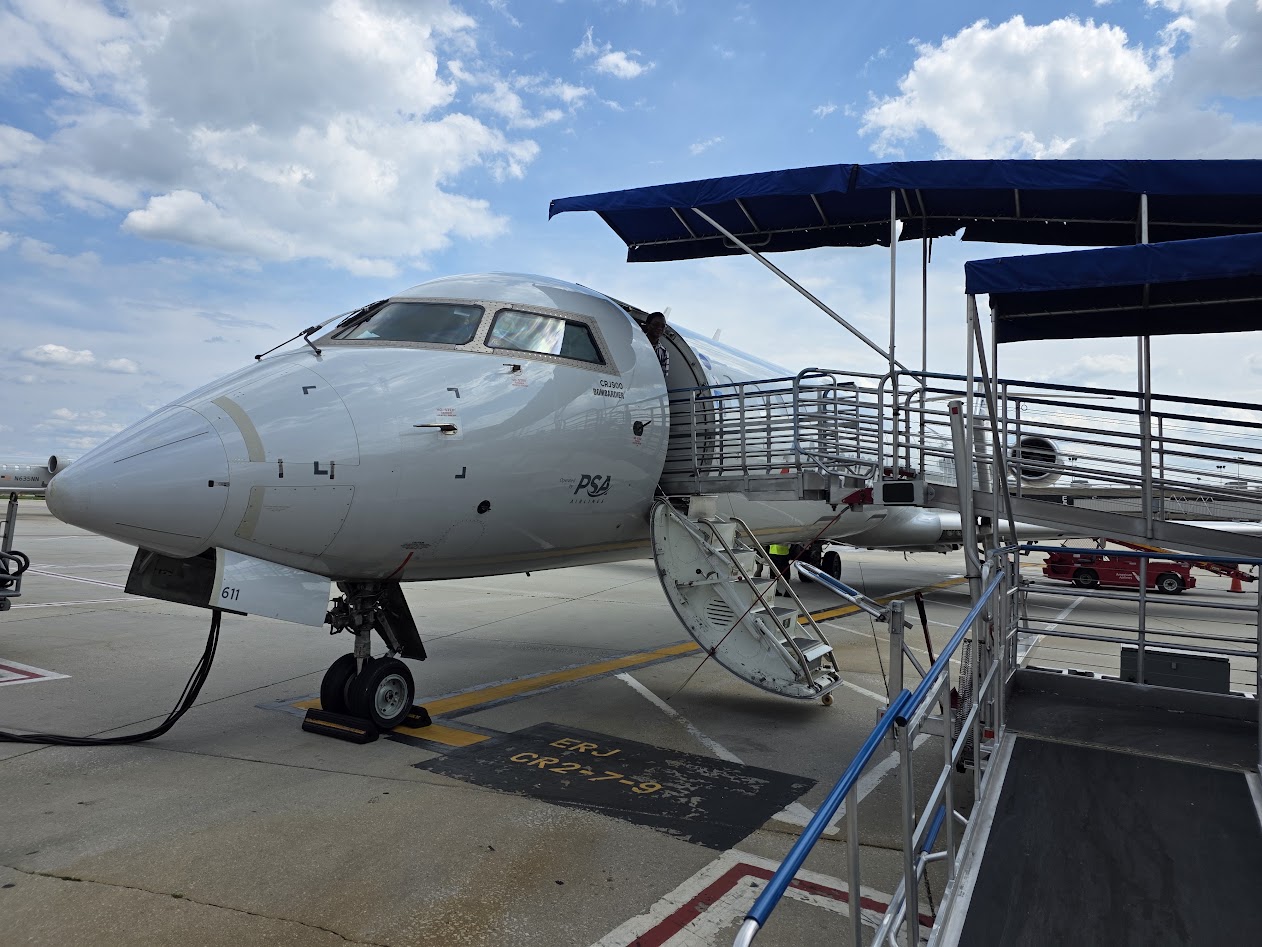
The speculative report began circulating in mid-September 2026, centering on an alleged internal memo or group text chain. The source text claims that an unnamed regional airline—specifically identified by some as an operator of Bombardier CRJ regional jets—was the primary target of an FAA audit. The post alleges that investigators were monitoring passenger Wi-Fi logs to identify crew members who were connecting personal devices to the aircraft’s inflight network during active duty.
The lack of a primary source for the screenshot has been a significant point of contention among industry professionals. The individual who initially shared the content on the r/AirlinePilots subreddit admitted they had no direct knowledge of the airline involved or the authenticity of the information, noting only that it was a forwarded message. Subsequent attempts to trace the claim to an official FAA press release or a formal regulatory action have yielded no results.
Regulatory Context and Pilot Conduct
At the heart of the confusion is a misunderstanding of the strict regulations governing flight deck operations. Under 14 CFR 121.542, commonly known as the "sterile cockpit" rule and expanded via the 2014 Final Rule on the use of personal electronic devices (PEDs), flight crew members are prohibited from using personal wireless devices, laptops, or tablets for non-operational purposes during any phase of flight.
The regulation is comprehensive, covering all "Part 121" flight time—not merely the critical phases of takeoff and landing. The rule was established following several high-profile incidents where pilot distraction played a contributory role in aviation safety lapses. A notable example cited by the Department of Transportation in the 2014 ruling involved an incident where a crew became so engrossed in personal laptop use that they overflew their intended destination by approximately 150 miles. Consequently, the use of Wi-Fi for personal browsing, social media, or entertainment is a clear violation of federal law, which can lead to disciplinary action, including the revocation of a pilot’s certificate.
Fact-Checking the Allegations
Industry analysts and pilot unions have been quick to cast doubt on the narrative. The logistical reality of grounding 120 pilots at a single regional carrier would be impossible to hide. A sudden loss of 6.5% of a pilot workforce—using PSA Airlines, which employs approximately 1,845 pilots, as a proxy—would result in immediate and catastrophic flight cancellations, significant staffing shortages, and public disclosure via the Department of Transportation’s consumer reporting systems.
Furthermore, the legal process for such a move contradicts the claims made in the viral screenshot. If the FAA were to ground a pilot, it would involve a formal Letter of Investigation (LOI), followed by a rigorous due process period that includes opportunities for appeal. An "emergency order" of suspension is an extreme measure typically reserved for immediate safety threats, not retroactive Wi-Fi audits.
Comments from various labor organizations representing airline pilots have further dismantled the rumor. Multiple union representatives have issued internal communications to their members, explicitly stating that the reports are false and that no such audits or license freezes have been directed at their carriers. These denials suggest the screenshot may be a fabrication or a misinterpretation of routine internal audits that were not related to Wi-Fi usage.
Historical Precedent: The Risk of Disinformation
This incident mirrors a notable 2015 event involving an Etihad Airways technical log entry that went viral. In that case, a photo of a maintenance logbook appeared to show a pilot complaining about the inability to access Facebook, Tinder, and adult websites via the aircraft’s Wi-Fi. The image gained global notoriety before it was eventually debunked as a hoax. The anonymous individual who claimed responsibility for the 2015 incident later admitted to creating the fake log entry, which caused significant professional distress to the pilot whose employee number was mistakenly associated with the document.
The current situation serves as a cautionary tale regarding the speed at which misinformation can travel within the aviation community. In an environment where pilots are highly attuned to regulatory changes and potential career risks, rumors regarding FAA enforcement actions are particularly prone to viral spread.
Broader Implications for Flight Safety
While the claim of a mass grounding appears to be unfounded, the discussion has inadvertently highlighted the serious nature of cockpit distractions. The aviation industry has spent decades refining the "sterile cockpit" culture, which dictates that no activity unrelated to the safe operation of the aircraft should occur below 10,000 feet. The 2014 regulations extended this focus to ensure that crews remain engaged and alert throughout the entire duration of a flight, including cruise phases.
The proliferation of high-speed satellite internet on commercial aircraft has made the temptation for digital distraction more accessible than in previous decades. As technology continues to evolve, the challenge for both regulators and airlines is to ensure that the convenience of connectivity does not compromise the safety-critical environment of the flight deck.
Analyzing the "Part 91 vs. Part 121" Question
One specific element of the rumor that has caused confusion among aviation enthusiasts is the assertion that the FAA was monitoring ferry flights. Because ferry or repositioning flights are often conducted under Part 91 of the Federal Aviation Regulations rather than the stricter Part 121 standards, some have questioned whether the device usage rules are as rigorously applied.
Legal experts point out that regardless of whether a flight is classified as Part 91 or Part 121, pilots are subject to overarching regulations regarding "careless or reckless operation." Moreover, individual airline policies often enforce stricter standards for their crews than the FAA minimums, meaning that a pilot could face termination for Wi-Fi usage even if it did not technically violate a specific federal statute during a repositioning flight.
Conclusion
As of late 2026, the claims regarding a mass grounding of 120 pilots remain unsubstantiated. There is no evidence of a systemic FAA sweep, nor are there any indications of mass staffing disruptions across major regional airlines. The story appears to be another iteration of a digital "urban legend," fueled by the anonymity of social media and the anxieties inherent in a highly regulated profession.
For the aviation community, the event underscores the importance of verifying information through official channels—such as the FAA’s public enforcement records or direct communication from pilot unions—before treating speculative screenshots as news. While the dangers of cockpit distraction are real and well-documented, the current narrative of a mass-scale enforcement operation lacks the factual foundation required to be considered a legitimate industry development. Passengers and industry stakeholders are advised to rely on verified reports rather than uncorroborated social media claims as they continue to monitor the safety and integrity of global aviation operations.
Related posts: