The current landscape of lifestyle media reflects a growing trend toward intentional curation, blending entertainment, sustainable fashion, and high-quality home consumption. As audiences seek respite from digital fatigue, domestic activities—such as cinema, reading, and thoughtful meal preparation—have regained prominence as essential pillars of personal well-being. This report examines four distinct sectors currently influencing modern consumer habits, from the evolution of psychological thrillers in streaming media to the rise of direct-to-consumer ethical food sourcing.
The Cinematic Shift: Psychological Tension in Contemporary Film
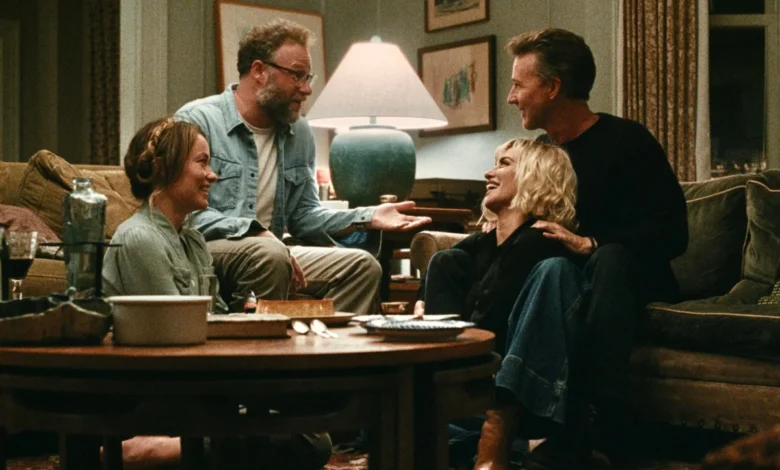
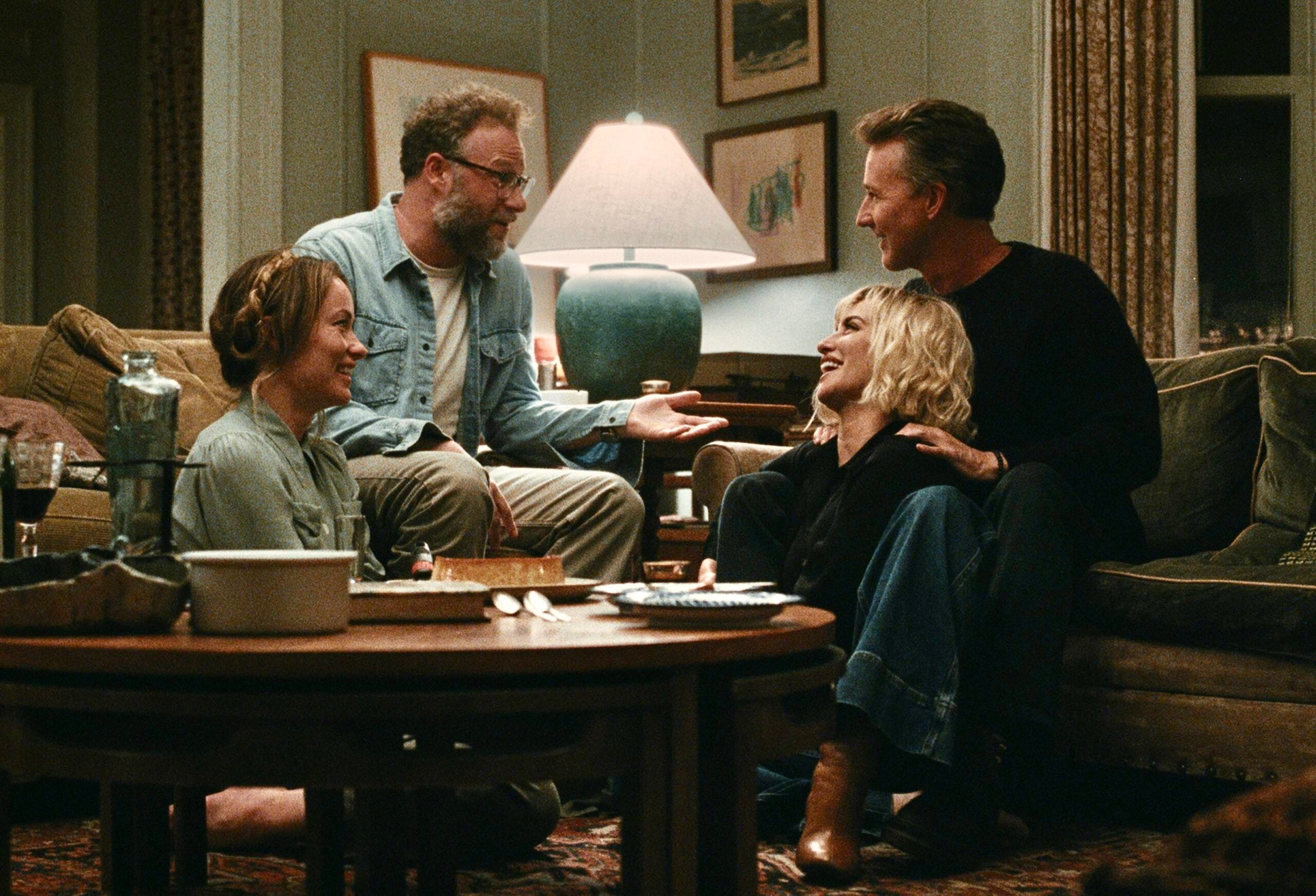
Recent developments in independent cinema have highlighted a resurgence in character-driven psychological thrillers, exemplified by the film The Invite. Directed by Olivia Wilde, the production utilizes a confined setting to explore interpersonal dynamics, specifically focusing on the friction between social expectations and underlying domestic instability.
The film centers on an unhappily married couple whose dinner party with neighbors escalates into a complex examination of human behavior. Wilde’s directorial approach relies heavily on the "pressure cooker" effect—a technique where narrative tension is cultivated through the physical and emotional isolation of characters within a singular apartment setting. By stripping away external variables, the narrative forces a focus on the minutiae of social interaction, a stylistic choice that resonates with audiences accustomed to the heightened, often claustrophobic, nature of modern urban life.
Industry analysts suggest that the success of such films indicates a broader appetite for "contained thrillers." These productions, which prioritize script quality and performance over large-scale spectacle, offer a high return on investment and deeper audience engagement. According to recent streaming data, viewers are increasingly opting for films that mirror their own domestic realities while introducing a layer of controlled, intellectualized anxiety.
Aesthetic Sustainability: The Evolution of the Everyday Uniform
The fashion industry has witnessed a significant pivot toward "timeless consumption," where consumers are moving away from trend-based fast fashion in favor of durable, multi-seasonal pieces. The current fall collection from retailers such as Tuckernuck serves as a microcosm of this transition. By prioritizing items like zig-zag cardigans, turtleneck dresses, and functional footwear, brands are catering to a demographic that values long-term utility over ephemeral style.
This shift is not merely aesthetic; it is supported by shifting economic priorities. With the average consumer looking to minimize waste and maximize the utility of their wardrobe, the "everyday uniform" concept has become a standard for professional and personal efficiency. Data indicates that investment in high-quality staples, such as leather flats with ergonomic footbeds or wool-blend outerwear, correlates with higher consumer satisfaction scores. This move toward a "capsule wardrobe" approach is expected to influence supply chain demands through 2027, as retailers prioritize natural fibers and classic silhouettes over volatile, trend-driven inventory.
The Literary Resurgence: Returning to Proven Narratives
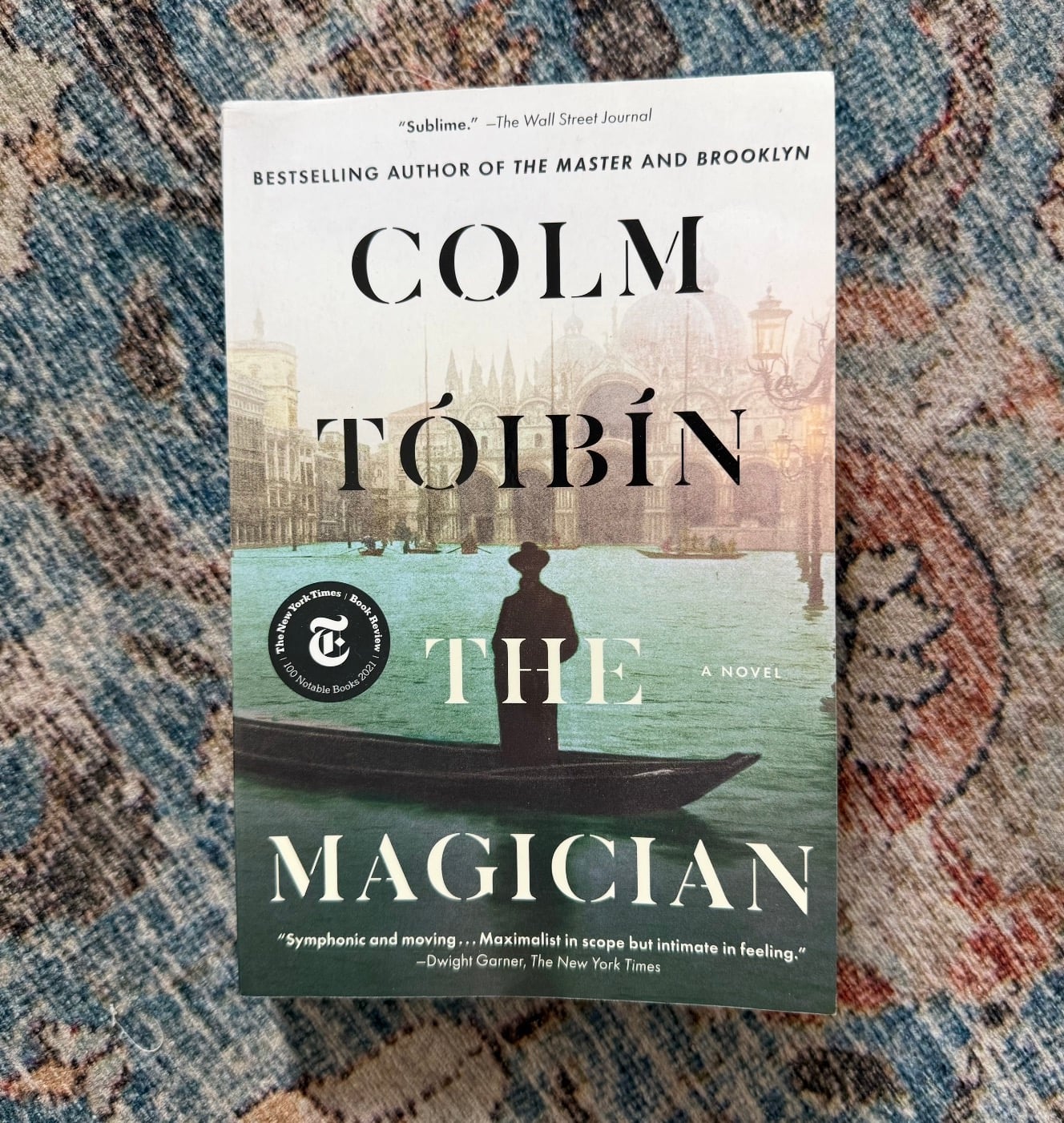
In the realm of literature, there is a marked trend of readers returning to established authors whose back catalogs provide a sense of narrative stability. The work of Irish novelist Colm Tóibín, particularly his recent output including Long Island and his 2021 novel The Magician, exemplifies this phenomenon.

Literary critics observe that in periods of global uncertainty, readers often gravitate toward authors whose stylistic consistency and thematic depth are well-documented. Tóibín’s ability to weave intricate psychological landscapes—often rooted in historical or familial tension—provides a "safe harbor" for readers. This trend of "literary loyalty" is supported by bookstore sales data, which shows an increase in backlist title purchases for authors with sustained critical acclaim. By returning to familiar literary voices, readers are engaging in a form of intellectual comfort, seeking out complex prose that offers reliable emotional depth without the volatility of contemporary digital content.
Ethical Consumption in the Domestic Sphere: The ButcherBox Model
The integration of high-quality, ethically sourced proteins into the household is another trend currently defining the modern domestic routine. As families become increasingly conscious of the environmental and health impacts of industrial agriculture, services like ButcherBox have gained significant market share.
The logistical model—which delivers grass-fed beef, organic free-range chicken, and wild-caught seafood directly to the consumer—addresses a critical gap in the traditional supply chain: the difficulty of accessing verified, ethically raised meat in conventional retail environments. The rise of this model is indicative of a broader shift in consumer behavior, where convenience is no longer viewed in opposition to ethical standards.
Key benefits driving this market growth include:
- Supply Chain Transparency: Consumers now demand documentation regarding antibiotic usage, hormone exposure, and animal welfare standards.
- Nutritional Density: A growing focus on the biological quality of food has led to increased demand for grass-fed and wild-caught alternatives.
- Meal Planning Efficiency: The subscription-based model allows for consistent meal rotation, facilitating healthier eating habits for busy families.
The current economic climate has seen these services pivot to offer promotional incentives, such as discounts on initial shipments, to encourage long-term subscription loyalty. This reflects a maturation of the direct-to-consumer food sector, as companies move from initial growth phases to focusing on customer retention and recurring revenue models.
Broader Implications and Future Outlook
The intersection of these four trends—contained cinematic storytelling, sustainable fashion, loyal literary consumption, and ethical food sourcing—paints a picture of a consumer base that is increasingly inward-looking. Whether through the media they consume or the clothing they wear, individuals are constructing a lifestyle defined by quality, longevity, and intentionality.
From a sociological perspective, this transition suggests a rejection of the "always-on" culture that defined the early 2020s. Instead, there is a clear movement toward creating curated, meaningful, and sustainable domestic environments. As businesses continue to adapt to these preferences, the market is likely to see a continued decline in low-quality, high-volume retail and entertainment models.
For the average consumer, these choices represent more than just a purchase; they are a rejection of the disposable. Whether it is reading a proven author, investing in a piece of clothing designed for years of use, or opting for a more transparent food source, the emphasis remains on the long-term value of the experience. As we look toward the remainder of the decade, the integration of these high-standard, high-utility practices will likely continue to reshape how the modern household operates, ensuring that the "everyday routine" is no longer just a necessity, but an exercise in personal and ethical curation.