Frontier Airlines passenger altercation underscores rising tensions during post-flight deplaning sequences

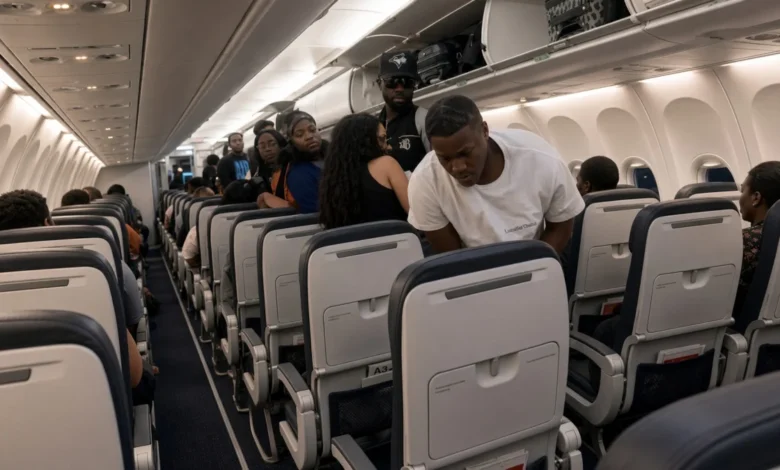
The interior of a commercial aircraft, once considered a space of regulated order, has increasingly become a theater for impulsive human behavior, as evidenced by a recent violent altercation aboard a Frontier Airlines flight. Captured on video and disseminated via social media, the incident depicts a physical struggle between two passengers during the deplaning process. The footage, originally posted by Instagram user @bigplayray__, shows one passenger shedding his hoodie in the midst of a brawl before continuing to trade blows over the cabin seats.
According to eyewitness accounts and the uploader’s testimony, the confrontation was ignited by a physical shove as passengers began to rise from their seats to prepare for disembarkation. While the specific verbal exchange that preceded the physical contact remains unclear, the footage provides a stark visual of the volatility that can erupt in the confined environment of an aircraft cabin. As the situation escalated, fellow travelers were forced to intervene, physically separating the two men to prevent further injury.
Chronology of the Incident
The sequence of events followed a pattern typical of modern air travel disruption. As the aircraft came to a complete stop at the gate and the "fasten seatbelt" sign was extinguished, the cabin transitioned from a period of relative stillness to the hurried, crowded environment of deplaning.
- The Catalyst: As rows began to clear, a disagreement occurred regarding personal space and the urgency of exiting the aircraft. Witnesses report that the individual who eventually became the recipient of the physical assault initiated the encounter by shoving the other passenger.
- The Escalation: The shove prompted an immediate and aggressive response. The assailant, initially wearing a hooded sweatshirt, removed the garment to increase his mobility during the fight.
- The Confrontation: The two men grappled over the headrests and seat backs. Due to the cramped layout, one participant remained largely obscured by the seats, while the other delivered multiple blows.
- The Intervention: Recognizing the danger posed to other passengers and the potential for structural damage to the cabin, nearby travelers intervened, physically pulling the combatants apart and de-escalating the situation before law enforcement could be summoned to the scene.
Contextualizing the Pattern of Mid-Air Conflict
This incident is not an isolated occurrence but rather a data point in a broader trend of unruly passenger behavior that has plagued the aviation industry in recent years. Frontier Airlines, in particular, has seen a recurring pattern of these disturbances.

In July 2021, a flight operating on the Philadelphia-to-Miami route became the site of a similar physical altercation. In that instance, the conflict stemmed from a passenger allegedly taking an excessive amount of time to retrieve luggage from an overhead bin during the deplaning phase. The delay caused frustration among those behind him, leading to a physical assault. Notably, the victim in that case ultimately declined to press charges, a common outcome that often complicates the legal record of such events.
Further illustrating the volatility of the deplaning process, a Spirit Airlines flight saw an incident where a passenger, frustrated by the pace of the exit, physically climbed over another traveler seated in the aisle. The act resulted in the man standing awkwardly in the aisle, having gained only a few seconds of movement at the cost of his dignity and the peace of the cabin.
Perhaps most concerning was an incident involving a Frontier arrival in Minneapolis, where a dispute that began on the aircraft spilled over into the terminal. The fight was so intense that it resulted in damaged airport infrastructure, including broken seating and displaced stanchions. In that instance, law enforcement focused primarily on the immediate separation of parties and the restoration of order, highlighting the difficulty of pursuing criminal charges once the initial "heat of the moment" has passed.
Statistical Analysis of Unruly Passenger Behavior
The Federal Aviation Administration (FAA) has tracked a significant increase in unruly passenger reports since 2020. While the industry experienced a historic spike in incidents during the height of the pandemic—often tied to mask mandates and federal health regulations—the frequency of physical altercations during the post-pandemic period remains higher than historical averages.
According to FAA data, the agency initiated hundreds of investigations into passenger misconduct annually between 2021 and 2024. These reports include:

- Physical Assaults: Attacks on crew members or other passengers.
- Interference with Flight Operations: Physical movement that prevents crew from performing their duties.
- Non-compliance: Refusal to follow seatbelt, carry-on, or electronic device instructions.
Industry experts suggest that the "deplaning rush" is a psychological byproduct of the travel experience. Commercial aviation has become an increasingly high-density environment. With load factors frequently reaching near-capacity levels, the stress of modern travel—combined with the perception that every second counts when exiting the plane—creates a "pressure cooker" effect. When this is compounded by the "low-cost carrier" model, where seat pitch is tighter and amenities are fewer, the threshold for frustration among passengers is lowered significantly.
Official Responses and Legal Implications
Frontier Airlines, like most major carriers, maintains a zero-tolerance policy regarding physical violence. However, the enforcement of this policy is often hindered by the transient nature of the passengers. By the time a report is filed and law enforcement is involved, the parties involved have often moved through the terminal and dispersed, making prosecution difficult.
From a legal standpoint, the "Right to Fly" is a conditional privilege. Airlines retain the authority to place unruly passengers on "no-fly" lists, effectively banning them from future travel. However, the criteria for such bans vary by airline. While major legacy carriers often coordinate on security threats, the process for individual airlines to permanently bar a passenger is a complex administrative hurdle that requires substantial documentation and witness statements.
Legal analysts note that physical fighting on a plane carries severe consequences beyond the airline’s internal policies. Under federal law, interference with flight crew or attendants is a serious offense. While a fight between two passengers may fall under local criminal statutes for assault and battery, the fact that the incident occurs on an aircraft under the jurisdiction of the Department of Transportation adds layers of regulatory scrutiny.
The Broader Impact on the Aviation Ecosystem
The recurring nature of these fights has prompted discussions about airport and aircraft design. Some designers have proposed "staggered" deplaning protocols, where passengers are dismissed in small groups to prevent the "aisle jam" that often serves as the flashpoint for these conflicts.
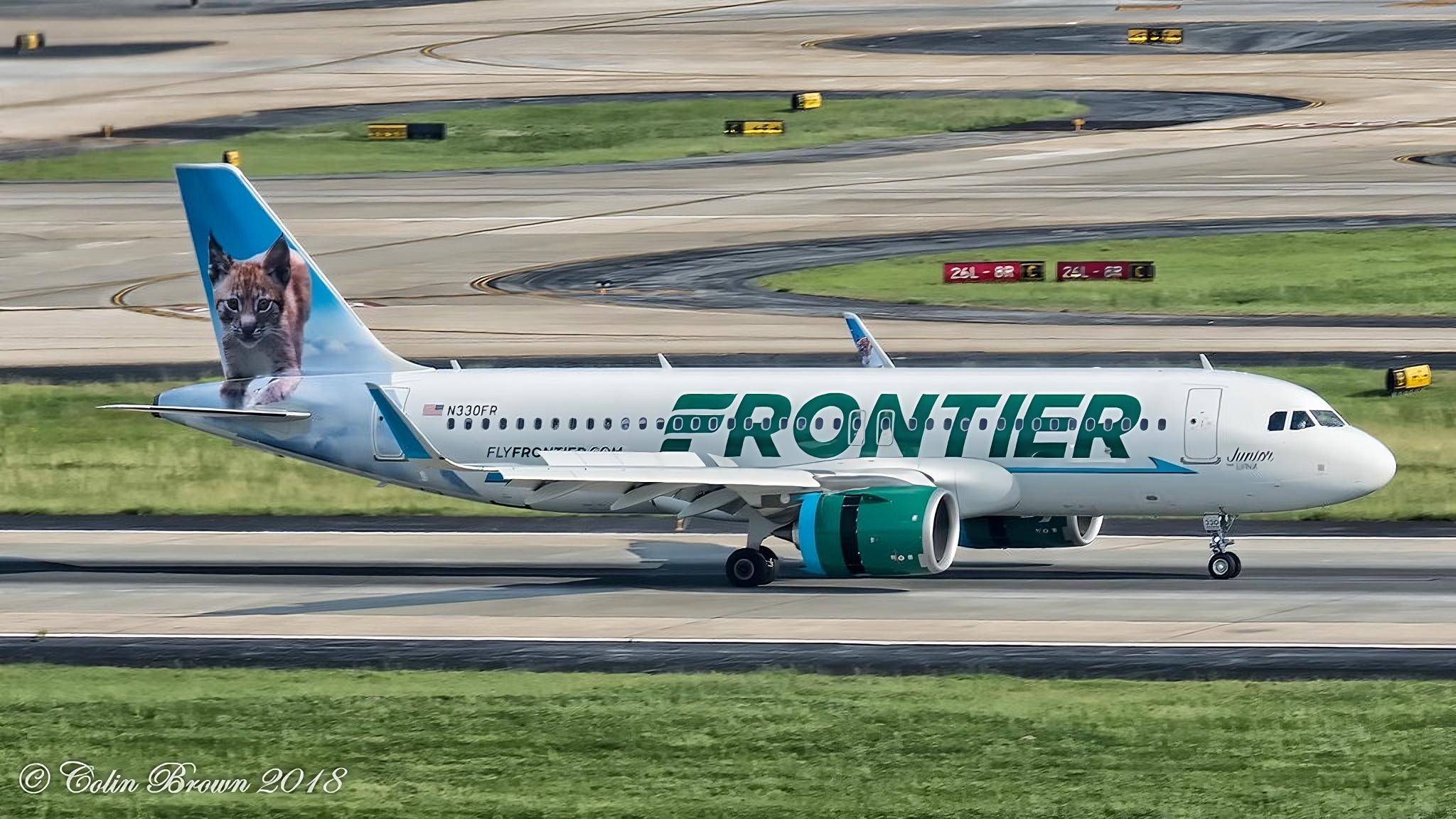
Furthermore, the integration of low-cost carriers into the broader market has shifted the demographic profile of the average traveler. As more budget-conscious travelers enter the market, the cabin experience has become more egalitarian, but also more prone to friction. The consolidation of smaller carriers, such as Frontier’s acquisition of segments of the Spirit Airlines market, has increased the concentration of passengers accustomed to high-density configurations, which some analysts believe contributes to the observed rise in cabin disturbances.
Conclusion: The Psychology of the Aisle
The incident on the Frontier flight is a symptom of a larger issue: the erosion of social decorum within the shared spaces of modern travel. When the cabin door opens upon arrival, the immediate urge to escape the confines of the aircraft overrides the social contract of patience and mutual respect.
As the industry moves forward, it faces a dual challenge. Airlines must balance the operational efficiency of quick turnarounds with the need to manage the psychological state of their passengers. Meanwhile, the traveling public remains the primary regulator of the cabin environment. As one social media commentator noted during the fallout of this latest viral video, the urge to "settle scores" in the aisle is ultimately self-defeating, as the consequences—including potential criminal records, lifetime travel bans, and the loss of loyalty rewards—far outweigh the minor convenience of deplaning a few minutes earlier.
The ongoing frequency of these events serves as a sober reminder that while technology has made the aircraft safer than ever, the human element remains a variable that airlines have yet to fully master in the era of high-density, low-cost air travel.